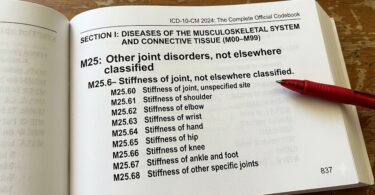
Irritable Bowel Syndrome (IBS) is a common gastrointestinal disorder affecting millions worldwide. Proper diagnosis and coding are essential for effective treatment, insurance reimbursement, and medical research. The ICD-10-CM (International Classification of Diseases, 10th Revision, Clinical Modification) provides specific codes for IBS, ensuring accurate documentation.
This guide explores the ICD-10 code for IBS (K58), its subcategories, clinical implications, and best practices for medical coding. Whether you’re a healthcare provider, medical coder, or patient, this article offers in-depth insights into IBS classification and management.

icd 10 code for ibs
Understanding Irritable Bowel Syndrome (IBS)
Definition and Overview
IBS is a functional gastrointestinal disorder characterized by chronic abdominal pain, bloating, and altered bowel habits (diarrhea, constipation, or both) without structural damage. It affects 10-15% of the global population, with higher prevalence in women.
Types of IBS
IBS is classified into three main subtypes based on predominant symptoms:
-
IBS with Constipation (IBS-C) (K58.1)
-
IBS with Diarrhea (IBS-D) (K58.0)
-
Mixed IBS (IBS-M) (K58.2)
-
Unsubtyped IBS (IBS-U) (K58.9)
Common Symptoms
-
Abdominal pain relieved by defecation
-
Bloating and gas
-
Diarrhea or constipation (or alternating)
-
Mucus in stool
Diagnosing IBS: Clinical Criteria and Tests
Diagnosis is based on the Rome IV criteria:
| Rome IV Criteria for IBS |
|---|
| Recurrent abdominal pain at least 1 day/week in the last 3 months, associated with two or more of the following: |
| – Related to defecation |
| – Change in stool frequency |
| – Change in stool form |
Additional tests (blood tests, stool tests, colonoscopy) may rule out other conditions like IBD or celiac disease.
ICD-10 Coding System: An Overview
The ICD-10-CM is used for:
-
Medical billing and insurance claims
-
Epidemiological research
-
Tracking disease prevalence
ICD-10 Code for IBS: K58
The primary code for IBS is K58, with subcategories:
| ICD-10 Code | Description |
|---|---|
| K58.0 | IBS with diarrhea |
| K58.1 | IBS with constipation |
| K58.2 | Mixed IBS (diarrhea & constipation) |
| K58.8 | Other IBS |
| K58.9 | IBS, unspecified |
When to use each code?
-
K58.0: Predominant diarrhea
-
K58.1: Predominant constipation
-
K58.9: When subtype is not specified
Differential Diagnoses and Related ICD-10 Codes
Conditions mimicking IBS include:
-
Inflammatory Bowel Disease (IBD) (K50-K51)
-
Celiac Disease (K90.0)
-
Lactose Intolerance (E73.9)
Proper coding ensures accurate diagnosis and treatment.
Treatment and Management of IBS
Lifestyle Modifications
-
Dietary changes (low-FODMAP diet)
-
Stress management (yoga, cognitive behavioral therapy)
Pharmacological Treatments
-
Antispasmodics (e.g., dicyclomine)
-
Laxatives (for IBS-C)
-
Antidiarrheals (for IBS-D)
Alternative Therapies
-
Probiotics
-
Peppermint oil
Billing and Documentation Best Practices
-
Always specify IBS subtype (if known)
-
Use additional codes for comorbidities (e.g., anxiety F41.9)
-
Avoid unspecified codes (K58.9) when possible
Common Mistakes in Coding IBS
-
Using K59.9 (Unspecified functional bowel disorder) instead of K58
-
Failing to document subtype
Frequently Asked Questions (FAQs)
1. What is the ICD-10 code for IBS with diarrhea?
-
K58.0
2. Can IBS and GERD be coded together?
-
Yes, use K58.9 (IBS) and K21.9 (GERD).
3. What if the IBS subtype is unknown?
-
Use K58.9 (IBS, unspecified).
Conclusion
Proper ICD-10 coding for IBS (K58 series) ensures accurate diagnosis, billing, and research. Understanding subtypes (IBS-C, IBS-D, IBS-M) helps in selecting the correct code. Always document symptoms clearly to avoid claim denials.