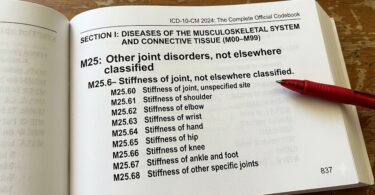
Insomnia is one of the most prevalent sleep disorders, affecting millions of people worldwide. Characterized by difficulty falling asleep, staying asleep, or experiencing non-restorative sleep, insomnia can significantly impair daily functioning and overall health. For healthcare providers, accurately diagnosing and coding insomnia is essential for treatment planning, insurance reimbursement, and medical research.
The International Classification of Diseases, 10th Revision (ICD-10), provides a standardized code for insomnia (G47.0). This article explores the ICD-10 coding for insomnia in detail, including its subcategories, clinical implications, and documentation requirements. Whether you’re a medical coder, physician, or patient seeking clarity, this guide offers valuable insights into insomnia diagnosis and management.

ICD-10 Code for Insomnia
2. Understanding Insomnia: Definition and Types
Insomnia is broadly categorized into:
-
Acute Insomnia: Short-term, often triggered by stress or life events.
-
Chronic Insomnia: Persistent sleep difficulties occurring at least three nights per week for three months or longer.
-
Primary Insomnia: Not linked to another medical condition.
-
Secondary Insomnia: Caused by underlying health issues (e.g., depression, chronic pain).
Understanding these distinctions is crucial for accurate diagnosis and coding.
3. ICD-10 Coding System: An Overview
The ICD-10 is a globally recognized system for classifying diseases, symptoms, and medical procedures. Developed by the World Health Organization (WHO), it ensures uniformity in medical documentation and billing.
Key Features of ICD-10:
-
Alphanumeric coding structure
-
Greater specificity than ICD-9
-
Supports better data tracking for research and public health
4. ICD-10 Code for Insomnia (G47.0)
The primary ICD-10 code for insomnia is:
| ICD-10 Code | Description |
|---|---|
| G47.0 | Insomnia (disorders of initiating and maintaining sleep) |
Subcategories and Specifications
-
G47.00 – Insomnia, unspecified
-
G47.01 – Primary insomnia
-
G47.09 – Other insomnia (used when documentation specifies a type not listed)
Proper documentation is essential to avoid claim denials.
5. Clinical Criteria for Diagnosing Insomnia
According to the Diagnostic and Statistical Manual of Mental Disorders (DSM-5), insomnia diagnosis requires:
-
Difficulty initiating or maintaining sleep
-
Significant distress or impairment in daily life
-
Symptoms persist despite adequate opportunity for sleep
Physicians may use sleep diaries or polysomnography for confirmation.
6. Common Causes and Risk Factors
Insomnia can result from:
-
Psychological factors (anxiety, depression)
-
Medical conditions (chronic pain, GERD)
-
Lifestyle habits (caffeine, irregular sleep schedule)
-
Medications (stimulants, antidepressants)
Identifying the root cause helps in selecting the correct ICD-10 code.
7. Symptoms and Complications
Symptoms:
-
Daytime fatigue
-
Irritability
-
Poor concentration
Complications:
-
Increased risk of cardiovascular disease
-
Mental health deterioration
-
Reduced work performance
8. Diagnostic Procedures
-
Polysomnography (Sleep Study)
-
Actigraphy (wearable sleep tracker)
-
Epworth Sleepiness Scale (ESS)
9. Treatment Options
Pharmacological Treatments
-
Sedatives (e.g., Zolpidem)
-
Melatonin agonists
Non-Pharmacological Therapies
-
Cognitive Behavioral Therapy for Insomnia (CBT-I)
-
Sleep hygiene education
10. Documentation and Coding Best Practices
-
Specify whether insomnia is primary or secondary.
-
Link to underlying conditions if applicable.
-
Avoid using unspecified codes (G47.00) when possible.
11. Differences Between ICD-10 and ICD-11
ICD-11 (effective 2025) introduces more granular codes, but G47.0 remains relevant.
12. Insurance and Reimbursement Considerations
-
Medicare and private insurers require precise coding.
-
Unspecified codes may lead to claim rejections.
13. Case Studies
Case 1: A 45-year-old female with chronic primary insomnia (G47.01) successfully treated with CBT-I.
Case 2: A 60-year-old male with insomnia due to COPD (G47.09 + J44.9).
14. FAQs on ICD-10 Code for Insomnia
Q1: What is the ICD-10 code for chronic insomnia?
A: G47.0 (specify chronicity in documentation).
Q2: Can insomnia be coded with anxiety?
A: Yes, use F41.1 (Generalized anxiety disorder) + G47.0 if both are present.
Q3: Is there a separate code for insomnia due to medication?
A: Code the insomnia (G47.0) and the drug-induced condition (T78.40).
15. Conclusion
Accurate ICD-10 coding for insomnia (G47.0) ensures proper diagnosis, treatment, and reimbursement. Physicians should document specifics (primary vs. secondary) to avoid claim denials. With rising insomnia cases globally, precise coding supports better healthcare outcomes and research.