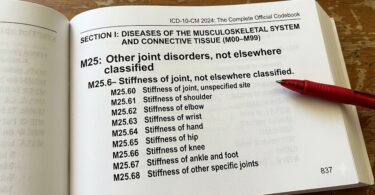
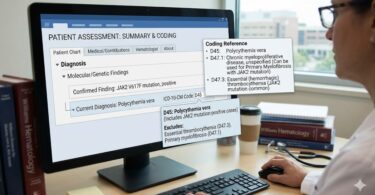
Knee injuries are among the most common musculoskeletal complaints, affecting millions of people worldwide. Whether due to sports, accidents, or degenerative conditions, knee injuries require precise diagnosis and treatment—and accurate medical coding is crucial for billing, insurance claims, and healthcare data tracking.
The ICD-10 (International Classification of Diseases, 10th Revision) system provides standardized codes for knee injury, ensuring uniformity in medical records. This guide explores the various ICD-10 codes for knee injuries, their clinical relevance, and best practices for documentation to avoid claim denials.
ICD-10 Code for Knee Injury
2. Understanding Knee Injuries
Anatomy of the Knee
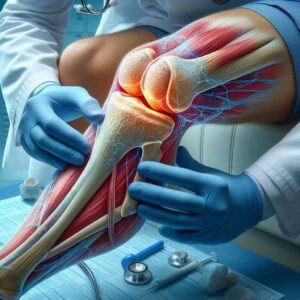
The knee is a complex joint consisting of:
-
Bones: Femur, tibia, patella, and fibula
-
Cartilage: Menisci (medial and lateral)
-
Ligaments: ACL, PCL, MCL, LCL
-
Tendons: Quadriceps and patellar tendons
-
Bursae: Fluid-filled sacs reducing friction
Common Types of Knee Injuries
| Injury Type | Description |
|---|---|
| Sprains & Strains | Overstretching or tearing of ligaments (MCL, LCL) or muscles |
| Meniscal Tears | Damage to the shock-absorbing cartilage |
| Ligament Tears (ACL, PCL) | Common in athletes; often requires surgery |
| Fractures | Broken patella or distal femur |
| Dislocations | Kneecap (patella) or tibiofemoral misalignment |
| Bursitis | Inflammation of the bursae |
3. ICD-10 Coding System Overview
What is ICD-10?
ICD-10 is a globally recognized medical classification system used for:
-
Diagnoses
-
Insurance billing
-
Epidemiological research
Importance of Accurate Coding
-
Ensures proper reimbursement
-
Reduces claim denials
-
Enhances patient care continuity
4. ICD-10 Codes for Knee Injuries
Sprains and Strains (S83)
-
S83.4 – Sprain of medial collateral ligament (MCL)
-
S83.5 – Sprain of lateral collateral ligament (LCL)
Dislocations (S83.1)
-
S83.10 – Unspecified dislocation of knee
-
S83.11 – Subluxation of patella
Meniscal Tears (S83.2)
-
S83.20 – Tear of unspecified meniscus
-
S83.21 – Bucket-handle tear of medial meniscus
Ligament Injuries
-
S83.50 – Sprain of ACL
-
S83.60 – Sprain of PCL
Fractures (S82)
-
S82.001 – Fracture of patella
-
S82.101 – Fracture of upper end of tibia
Other Knee Injuries (S80-S89)
-
S80.0 – Contusion of knee
-
S86.1 – Injury of Achilles tendon
5. Clinical Documentation for Accurate Coding
-
Specify laterality (left/right)
-
Indicate encounter type (initial, subsequent, sequela)
-
Include severity (mild, moderate, severe)
6. Common Mistakes in Knee Injury Coding
-
Using unspecified codes when specific ones are available
-
Incorrect laterality documentation
-
Failing to link the injury to external causes (e.g., sports, fall)
7. Coding for Post-Surgical Knee Conditions
-
Z96.651 – Presence of right artificial knee joint
-
Z96.652 – Presence of left artificial knee joint
8. Reimbursement and Billing Considerations
-
Verify payer-specific guidelines
-
Use modifiers when necessary (e.g., -LT, -RT)
9. Case Studies and Examples
Case 1: A 25-year-old soccer player with an ACL tear (S83.511A – initial encounter).
Case 2: A 60-year-old with a patellar fracture (S82.001A).
10. FAQs
Q1: What is the ICD-10 code for a torn meniscus?
A: S83.20 (unspecified) or S83.21 (medial meniscus).
Q2: How do I code a chronic knee ligament injury?
A: Use the appropriate sprain code with a 7th character “D” for subsequent care.
Q3: What is the code for knee pain?
A: M25.569 (pain in unspecified knee).
11. Conclusion
Accurate ICD-10 coding for knee injuries ensures proper diagnosis, treatment, and reimbursement. By understanding the specific codes and documentation requirements, healthcare providers can minimize errors and optimize patient care.