Leukopenia, a condition characterized by a low white blood cell (WBC) count, can significantly impact a patient’s immune response, making them more susceptible to infections. Accurate diagnosis and proper ICD-10 coding are essential for medical billing, research, and patient care. This article provides an in-depth exploration of leukopenia, its clinical significance, and the correct ICD-10 code for leukopenia (D72.819).
Whether you’re a healthcare provider, medical coder, or patient seeking information, this guide will help you understand leukopenia’s causes, symptoms, diagnostic procedures, and treatment options while ensuring compliance with coding standards.
ICD-10 Code for Leukope
2. Understanding Leukopenia
Definition
Leukopenia refers to a decrease in the total number of white blood cells (WBCs) in the bloodstream, typically below 4,000 cells per microliter (µL). WBCs are crucial for fighting infections, and a low count can compromise immunity.
Causes of Leukopenia
Several factors contribute to leukopenia, including:
-
Bone Marrow Disorders (e.g., aplastic anemia, leukemia)
-
Infections (e.g., HIV, hepatitis, tuberculosis)
-
Autoimmune Diseases (e.g., lupus, rheumatoid arthritis)
-
Medications (e.g., chemotherapy, immunosuppressants, antibiotics)
-
Nutritional Deficiencies (e.g., vitamin B12, folate deficiency)
Symptoms
Patients with leukopenia may experience:
-
Frequent infections
-
Fever and chills
-
Fatigue and weakness
-
Mouth ulcers
-
Slow wound healing
3. Diagnosing Leukopenia
Blood Tests
A complete blood count (CBC) is the primary diagnostic tool. Key indicators include:
-
WBC count < 4,000/µL
-
Neutropenia (low neutrophils)
-
Lymphopenia (low lymphocytes)
Bone Marrow Biopsy
If the cause is unclear, a bone marrow biopsy may be performed to assess production and maturation of blood cells.
Differential Diagnosis
Conditions mimicking leukopenia include:
-
Neutropenia (low neutrophils)
-
Lymphocytopenia (low lymphocytes)
-
Myelodysplastic syndromes (MDS)
4. ICD-10 Coding for Leukopenia
Overview of ICD-10
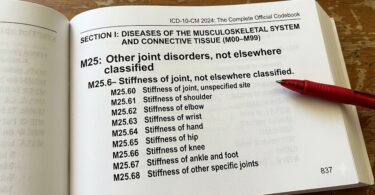
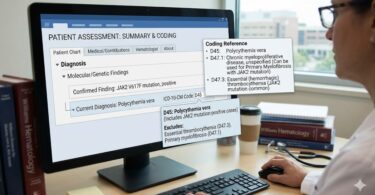
The International Classification of Diseases, 10th Revision (ICD-10) is a standardized system for coding medical diagnoses. Proper coding ensures accurate billing and statistical tracking.
Specific ICD-10 Codes for Leukopenia
| Condition | ICD-10 Code |
|---|---|
| Leukopenia, unspecified | D72.819 |
| Neutropenia | D70.9 |
| Drug-induced leukopenia | D72.829 |
Documentation Tips for Accurate Coding
-
Specify the cause (e.g., drug-induced, autoimmune-related).
-
Document associated conditions (e.g., HIV, chemotherapy side effects).
-
Use additional codes for complications (e.g., infections).
5. Clinical Implications of Leukopenia
Risk Factors
-
Cancer patients undergoing chemotherapy
-
Autoimmune disease patients on immunosuppressants
-
Malnourished individuals with vitamin deficiencies
Complications
-
Severe infections (sepsis, pneumonia)
-
Delayed recovery from illnesses
-
Increased hospitalization rates
Management and Treatment
-
Medications: Granulocyte colony-stimulating factor (G-CSF)
-
Lifestyle changes: Infection prevention strategies
-
Dietary adjustments: Boosting immune-supportive nutrients
6. Leukopenia in Special Populations
Cancer Patients
Chemotherapy often causes chemotherapy-induced leukopenia (CIL), requiring close monitoring.
Autoimmune Disorders
Patients with lupus or rheumatoid arthritis may develop leukopenia due to immune dysregulation.
Pregnancy
Leukopenia in pregnancy is rare but may occur due to hemodilution or nutritional deficiencies.
7. Preventive Measures and Lifestyle Adjustments
-
Hygiene practices (frequent handwashing)
-
Avoiding crowded places during flu season
-
Vaccinations (flu, pneumococcal)
8. Case Studies and Real-World Examples
-
Case 1: A 45-year-old female with rheumatoid arthritis develops leukopenia due to methotrexate.
-
Case 2: A leukemia patient experiences severe neutropenia post-chemotherapy.
9. Tables and Visual Aids
Common Causes and Corresponding ICD-10 Codes
| Cause | ICD-10 Code |
|---|---|
| Chemotherapy-induced | D72.829 |
| HIV-related leukopenia | D72.819 |
| Autoimmune-related | D72.819 |
10. Conclusion
Leukopenia is a critical condition requiring accurate diagnosis and proper ICD-10 coding (D72.819). Understanding its causes, symptoms, and treatment options ensures better patient outcomes. Healthcare providers must document thoroughly for precise coding and billing.
11. FAQs
Q1: What is the ICD-10 code for leukopenia?
A: The general code is D72.819 (Leukopenia, unspecified).
Q2: Can leukopenia be life-threatening?
A: Severe leukopenia increases infection risks, which can be fatal if untreated.
Q3: How is leukopenia treated?
A: Treatment includes addressing the underlying cause, medications like G-CSF, and infection prevention.