Navigating dental costs can be overwhelming, especially when faced with complex billing codes and varying price lists. Whether you’re a patient trying to understand your bill, a dental professional optimizing billing processes, or an insurance provider verifying claims, dental code price lists are essential for transparency and accuracy.
This comprehensive guide will break down everything you need to know about dental code Price Lists, insurance reimbursements, and cost-saving strategies. By the end, you’ll have a clear understanding of how dental procedures are priced and how to make informed financial decisions regarding oral healthcare.
Dental Code Price Lists
What Are Dental Codes?
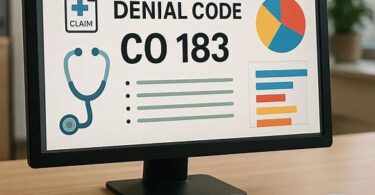
Dental codes are standardized identifiers used to describe dental procedures for billing and insurance purposes. These codes ensure consistency across dental practices, insurance companies, and regulatory bodies. The most widely used system in the U.S. is the Current Dental Terminology (CDT) code set, maintained by the American Dental Association (ADA).
Why Dental Codes Matter
-
Standardization: Ensures uniformity in billing.
-
Insurance Claims: Helps insurers determine coverage.
-
Transparency: Allows patients to compare costs.
Types of Dental Codes
There are three primary coding systems in dentistry:
| Code Type | Purpose | Maintained By |
|---|---|---|
| CDT Codes | Dental procedures (e.g., fillings, cleanings) | American Dental Association (ADA) |
| ICD Codes | Diagnosis codes (e.g., gum disease, cavities) | World Health Organization (WHO) |
| HCPCS Codes | Medical-dental crossover procedures (e.g., oral surgery) | Centers for Medicare & Medicaid Services (CMS) |
How Dental Code Price Lists Work
Dental practices use fee schedules to determine the cost of each procedure. These prices can vary based on:
-
Geographic location (urban vs. rural)
-
Dentist’s experience
-
Overhead costs (clinic expenses, lab fees)
Example of a Dental Fee Schedule
| CDT Code | Procedure | Average Cost (U.S.) |
|---|---|---|
| D1110 | Adult prophylaxis (cleaning) | $75 – $200 |
| D2140 | Amalgam filling (1 surface) | $110 – $275 |
| D2750 | Porcelain crown | $800 – $1,700 |
Factors Affecting Dental Procedure Costs
-
Location: Prices are higher in metropolitan areas.
-
Insurance Negotiations: Insurers have contracted rates with dentists.
-
Material Quality: Composite fillings cost more than amalgam.
-
Dentist’s Expertise: Specialists charge more than general dentists.
Dental Insurance and Reimbursement
Insurance companies use dental codes to determine:
-
Covered procedures
-
Allowed amounts (maximum they’ll pay)
-
Patient co-pays
How Reimbursement Works
-
UCR Fees (Usual, Customary, Reasonable): Insurers compare prices regionally.
-
PPO vs. HMO: PPOs offer more flexibility but cost more.
Common Dental Procedures and Their Codes
Here are some frequently billed procedures:
-
D0120: Periodic oral exam
-
D0330: Panoramic X-ray
-
D4341: Deep cleaning (per quadrant)
How to Read a Dental Fee Schedule
A fee schedule lists:
-
Procedure code
-
Description
-
Fee charged by the dentist
-
Insurance allowance
Regional Variations in Dental Pricing
Prices differ significantly by state:
| State | Average Cost of a Filling |
|---|---|
| California | $150 – $300 |
| Texas | $120 – $250 |
| New York | $180 – $350 |
Negotiating Dental Costs
-
Ask for a cash discount.
-
Compare multiple quotes.
-
Check dental schools for lower-cost care.
Dental Coding Errors and How to Avoid Them
Common mistakes include:
-
Upcoding (billing for a more expensive procedure)
-
Unbundling (charging separately for bundled services)
Future Trends in Dental Billing
-
AI-powered coding assistants
-
Tele-dentistry billing codes
-
Increased price transparency laws
Conclusion
Understanding dental code price lists helps patients and providers navigate costs effectively. By knowing how codes work, comparing fees, and leveraging insurance, you can make smarter financial decisions about dental care. Always verify charges and ask questions to avoid billing errors.
FAQs
1. How often do dental codes change?
The ADA updates CDT codes annually.
2. Can I dispute a dental bill?
Yes, if you suspect errors in coding or overcharging.
3. Why do dental costs vary so much?
Factors like location, materials, and dentist expertise influence pricing.