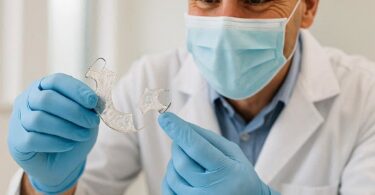
Periodontal disease is one of the most prevalent chronic conditions affecting adults worldwide. Left untreated, it can lead to tooth loss, systemic inflammation, and even contribute to conditions like cardiovascular disease and diabetes. Dental Code D4910 refers to Periodontal Maintenance, a critical procedure designed to manage periodontal health after active treatment (such as scaling and root planing).
This article provides an in-depth exploration of dental code D4910, covering its clinical significance, procedural details, insurance implications, and patient care strategies. Whether you’re a dental professional seeking clarification on coding or a patient curious about your treatment plan, this guide offers valuable insights.

Dental Code D4910
2. Understanding Periodontal Maintenance (D4910)
D4910 is defined by the American Dental Association (ADA) as:
“Periodontal maintenance following active periodontal therapy—this includes removal of bacterial plaque and calculus from supragingival and subgingival regions, site-specific scaling and root planing where indicated, and polishing the teeth.”
Unlike a regular dental cleaning (prophylaxis, D1110/D1120), periodontal maintenance is specifically for patients with a history of periodontal disease. It is more intensive and tailored to prevent disease recurrence.
Key Components of D4910:
-
Plaque and calculus removal (above and below the gumline)
-
Pocket depth evaluation (monitoring gum health)
-
Root debridement (if necessary)
-
Oral hygiene reinforcement (patient education)
3. Why Is Periodontal Maintenance Necessary?
Periodontal disease is chronic and progressive, meaning that without ongoing care, the condition can worsen. D4910 helps:
✔ Prevent disease recurrence
✔ Reduce pocket depths
✔ Control bacterial buildup
✔ Preserve bone and gum attachment
Comparison of Periodontal Disease Stages & Recommended Care
| Stage | Condition | Recommended Treatment |
|---|---|---|
| Stage 1 (Gingivitis) | Mild gum inflammation | Regular prophylaxis (D1110) |
| Stage 2 (Early Periodontitis) | Slight bone loss | Scaling & Root Planing (D4341/D4342) |
| Stage 3/4 (Moderate-Severe Periodontitis) | Significant bone loss | Periodontal Maintenance (D4910) |
4. Differences Between D4910 and Prophylaxis (D1110/D1120)
Many patients confuse periodontal maintenance with a regular cleaning. Here’s how they differ:
Table 2: D4910 vs. D1110 – Key Differences
| Feature | D4910 (Periodontal Maintenance) | D1110 (Prophylaxis – Adult Cleaning) |
|---|---|---|
| Purpose | Manages existing periodontal disease | Prevents gum disease in healthy patients |
| Frequency | Every 3-4 months | Every 6 months |
| Procedure | Deep cleaning, pocket measurement | Surface cleaning, polishing |
| Eligibility | Post-periodontal therapy patients | Patients with healthy gums |
5. Who Needs Periodontal Maintenance?
Patients who have undergone:
-
Scaling and root planing (SRP)
-
Periodontal surgery
-
Grafting procedures
-
Chronic periodontitis diagnosis
6. The Procedure: What to Expect During a D4910 Visit
A typical D4910 appointment includes:
-
Examination & Probing (checking gum pockets)
-
Scaling & Debridement (removing plaque/tartar)
-
Polishing & Fluoride (if needed)
-
Oral Hygiene Instructions
7. How Often Should Periodontal Maintenance Be Performed?
Most periodontists recommend every 3 months (quarterly) to prevent bacterial repopulation.
8. Insurance Coverage and Reimbursement for D4910
Many dental insurance plans cover D4910, but frequency limitations may apply. Always verify benefits beforehand.
9. Common Misconceptions About D4910
❌ “It’s the same as a regular cleaning.”
❌ “I only need it once a year.”
❌ “My gums are fine now—I can stop maintenance.”
10. The Role of the Dental Hygienist in Periodontal Maintenance
Dental hygienists play a crucial role in:
-
Performing cleanings
-
Educating patients
-
Monitoring gum health
11. Patient Compliance and Home Care Recommendations
-
Brush twice daily (soft-bristled toothbrush)
-
Floss daily (or use interdental brushes)
-
Antimicrobial mouthwash (if recommended)
12. Potential Complications of Skipping Periodontal Maintenance
⚠ Disease progression
⚠ Tooth loss
⚠ Increased systemic health risks
13. Scientific Evidence Supporting Periodontal Maintenance
Studies confirm that regular periodontal maintenance reduces tooth loss by 50% in periodontitis patients.
14. Case Studies: Success Stories with D4910
-
Patient A: 5-year follow-up showed stable gum health with quarterly D4910 visits.
-
Patient B: Skipped maintenance—experienced rapid bone loss.
15. FAQs About Dental Code D4910
Q1: Is D4910 painful?
Most patients experience minimal discomfort, similar to a regular cleaning.
Q2: How long does a D4910 appointment take?
Typically 45-60 minutes, depending on severity.
Q3: Will insurance cover D4910?
Most plans do, but frequency may be limited (e.g., 2-4 times per year).
Q4: Can I switch back to regular cleanings after D4910?
Only if your dentist confirms gum health has fully stabilized.
16. Conclusion
Periodontal maintenance (D4910) is essential for managing gum disease and preventing tooth loss. Unlike regular cleanings, it involves deeper cleaning and frequent monitoring. Compliance with recommended visits ensures long-term oral health.