Missing teeth can affect your smile, speech, and ability to chew properly. A 3-unit dental bridge is a common restorative solution that replaces one or more missing teeth by anchoring an artificial tooth (pontic) between two dental crowns.
This comprehensive guide covers everything you need to know about 3-unit dental bridge codes, including ADA (American Dental Association) and CPT (Current Procedural Terminology) codes, costs, insurance coverage, and the procedure itself. Whether you’re a patient or a dental professional, this article provides in-depth insights to help you make informed decisions.

3-Unit Dental Bridge Codes
What Is a 3-Unit Dental Bridge?
A 3-unit dental bridge consists of:
-
Two dental crowns (abutments) placed on adjacent healthy teeth.
-
One artificial tooth (pontic) in the middle to fill the gap.
This fixed prosthesis is cemented permanently, unlike removable dentures. It restores function and aesthetics while preventing teeth from shifting.
Types of Dental Bridges
| Type | Description | Best For |
|---|---|---|
| Traditional Bridge | Uses crowns on adjacent teeth | Single missing tooth |
| Cantilever Bridge | Only one supporting crown | Low-stress areas (front teeth) |
| Maryland Bridge | Metal/porcelain wings bond to adjacent teeth | Front teeth with minimal damage |
| Implant-Supported Bridge | Anchored to dental implants | Multiple missing teeth |
A 3-unit bridge is typically a traditional bridge, the most common type.
3-Unit Dental Bridge Procedure Step-by-Step
-
Initial Consultation – Examination, X-rays, and treatment planning.
-
Tooth Preparation – Reshaping abutment teeth for crowns.
-
Impressions – Molds sent to a dental lab for bridge fabrication.
-
Temporary Bridge Placement – Protects teeth while the permanent bridge is made.
-
Final Fitting – Adjustments and permanent cementation.
The process usually takes 2-3 weeks and requires two dental visits.
Dental Bridge Codes (ADA & CPT)
Dental billing relies on standardized codes for insurance claims. Below are the most relevant codes for a 3-unit bridge:
Table: Common Dental Bridge Codes
| Code | Description | Notes |
|---|---|---|
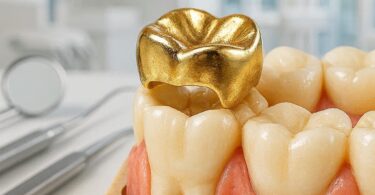
| D6210 | Pontic – cast noble metal | High-quality gold alloy |
| D6211 | Pontic – cast base metal | Less expensive option |
| D6212 | Pontic – porcelain fused to noble metal | Aesthetic & durable |
| D6245 | Pontic – porcelain fused to high noble metal | Premium option |
| D6750 | Retainer crown – porcelain fused to noble metal | For abutment teeth |
CPT Codes (Medical Billing):
-
D4263 – Bone graft for ridge preservation (if needed).
-
D7953 – Socket preservation (post-extraction).
Insurance coverage varies, so always verify with your provider.
Cost of a 3-Unit Dental Bridge
The average cost ranges from $2,000 to $5,000, depending on:
-
Material (porcelain, zirconia, metal alloy).
-
Location (geographical pricing differences).
-
Dentist’s expertise.
Cost Breakdown by Material
| Material | Cost per Unit | Total (3-Unit Bridge) |
|---|---|---|
| Porcelain-Fused-to-Metal (PFM) | $800 – $1,500 | $2,400 – $4,500 |
| All-Porcelain / Ceramic | $1,000 – $2,500 | $3,000 – $7,500 |
| Zirconia | $1,200 – $2,500 | $3,600 – $7,500 |
| Gold Alloy | $1,500 – $3,000 | $4,500 – $9,000 |
Insurance Coverage for Dental Bridges
Most dental insurance plans cover 50% of the cost after meeting the deductible.
-
Medicare does not cover dental bridges.
-
Medicaid may cover them in some states.
-
HSA/FSA funds can be used.
Always check annual maximums (typically $1,000-$1,500 per year).
Pros and Cons of 3-Unit Dental Bridges
Pros:
✔ Restores chewing and speaking ability.
✔ Prevents teeth shifting.
✔ Long-lasting (10-15 years with care).
Cons:
✖ Requires altering healthy teeth.
✖ Higher cost than removable options.
✖ May need replacement over time.
Alternatives to Dental Bridges
-
Dental Implants – More durable but costlier.
-
Partial Dentures – Removable and affordable.
-
Resin-Bonded Bridges – Less invasive but less durable.
How to Care for Your Dental Bridge
-
Brush and floss daily.
-
Use a water flosser for better cleaning.
-
Avoid hard/sticky foods.
-
Visit your dentist regularly.
FAQs
1. How long does a 3-unit dental bridge last?
Typically 10-15 years, depending on care.
2. Does a dental bridge look natural?
Yes, modern materials like porcelain and zirconia mimic natural teeth.
3. Can a dental bridge be removed?
No, it is permanently cemented, unlike dentures.
4. Is the procedure painful?
Local anesthesia is used, so discomfort is minimal.
5. What happens if my bridge breaks?
Visit your dentist immediately for repair or replacement.
Conclusion
A 3-unit dental bridge is an effective, long-term solution for missing teeth, with costs ranging from $2,000 to $5,000. Understanding dental bridge codes (D6210, D6750, etc.) helps with insurance claims. While bridges offer functional and aesthetic benefits, alternatives like implants may be better for some patients. Proper care ensures longevity.