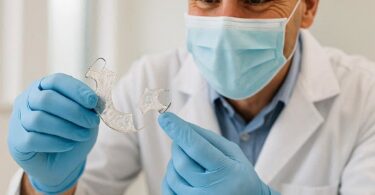
Missing teeth can significantly impact oral health, aesthetics, and functionality. Partial upper dentures are a common restorative solution for patients missing some but not all upper teeth. However, navigating dental billing codes (such as D5211, D5212, and D5213) can be confusing for both patients and dental professionals.
This comprehensive guide will break down everything you need to know about dental codes for partial upper dentures, including procedures, costs, insurance coverage, and maintenance tips. Whether you’re a patient seeking clarity or a dental professional refining your billing practices, this article provides in-depth, exclusive insights.

Dental Codes for Partial Upper
2. Understanding Dental Codes for Partial Upper Dentures
What Are Dental Codes?
Dental codes, or Current Dental Terminology (CDT) codes, are standardized identifiers used by dentists and insurance companies to classify procedures. These codes ensure accurate billing and streamline insurance claims.
Why Are Dental Codes Important?
-
Prevent billing errors – Ensures correct procedure documentation.
-
Facilitate insurance claims – Helps insurers determine coverage.
-
Standardize dental practices – Provides uniformity in treatment descriptions.
3. Common Dental Codes for Partial Upper Dentures
Below are the most frequently used CDT codes for partial upper dentures:
| Code | Description | Typical Cost (USD) |
|---|---|---|
| D5211 | Partial Upper Denture (Resin Base) | $600 – $1,500 |
| D5212 | Partial Upper Denture (Cast Metal Base) | $1,000 – $2,500 |
| D5213 | Partial Upper Denture (Flexible Base) | $900 – $2,000 |
| D5225 | Maxillary Partial Denture (Immediate) | $700 – $1,800 |
Key Differences Between Codes
-
D5211 (Resin Base): Affordable but less durable.
-
D5212 (Cast Metal Base): Stronger, long-lasting, but more expensive.
-
D5213 (Flexible Base): Comfortable and aesthetic but may require adjustments.
4. Types of Partial Upper Dentures and Their Corresponding Codes
Removable Partial Dentures (RPDs)
-
Code: D5211 / D5212
-
Features: Can be taken out for cleaning.
Fixed Partial Dentures (FPDs)
-
Code: D6240 – D6252 (Pontic codes)
-
Features: Permanently cemented (bridges).
Flexible Partial Dentures
-
Code: D5213
-
Features: Lightweight, gum-colored material.
5. Step-by-Step Procedure for Partial Upper Dentures
-
Initial Consultation
-
Oral examination, X-rays, and treatment planning.
-
-
Impressions & Bite Registration
-
Molds are taken for custom-fit dentures.
-
-
Framework Try-In
-
Metal or resin base is tested for fit.
-
-
Final Fitting & Adjustments
-
Dentures are placed, and minor adjustments are made.
-
6. Cost Breakdown of Partial Upper Dentures
| Type | Average Cost (Without Insurance) | Insurance Coverage (Typical %) |
|---|---|---|
| Resin Base | $600 – $1,500 | 50% – 80% |
| Cast Metal | $1,000 – $2,500 | 40% – 70% |
| Flexible | $900 – $2,000 | 30% – 60% |
7. How to Maximize Insurance Benefits
-
Verify coverage before treatment.
-
Submit pre-authorization if required.
-
Use in-network providers for better rates.
8. Common Challenges & Solutions
-
Discomfort: Adjustments may be needed.
-
Breakage: Avoid hard foods; handle with care.
9. FAQs on Dental Codes for Partial Upper Dentures
Q1: Does Medicaid cover partial upper dentures?
A: Some states cover partial dentures under Medicaid, but restrictions apply.
Q2: How often should partial dentures be replaced?
A: Every 5–7 years, depending on wear and tear.
Q3: Can I sleep with my partial dentures?
A: It’s best to remove them at night to prevent gum irritation.
10. Conclusion
Understanding dental codes for partial upper dentures helps streamline treatment and insurance claims. Costs vary by material, with insurance covering 30%–80%. Proper maintenance ensures longevity, and consulting your dentist optimizes fit and comfort.