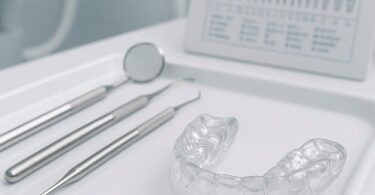
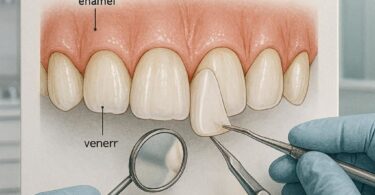
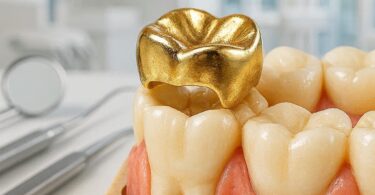
Temporary fillings are a crucial part of restorative dentistry, serving as short-term solutions for damaged teeth while patients await permanent restorations. Whether due to deep decay, trauma, or as part of a multi-visit procedure (such as root canal therapy), temporary fillings protect the tooth structure from further damage and sensitivity.
Dental billing relies on standardized codes to ensure accurate insurance claims and record-keeping. Understanding these codes—such as D2940 (temporary filling) and D2970 (temporary crown)—helps dental professionals streamline procedures and avoid billing errors.
This guide explores everything about Dental Codes for Temporary Fillings, including their purpose, materials, procedural codes, insurance considerations, and best practices for patient care.

Dental Codes for Temporary Fillings
2. Why Are Temporary Fillings Used?
Temporary fillings serve several key purposes:
-
Protection After Deep Cavity Preparation: If decay is close to the pulp, a temporary filling allows the dentist to monitor the tooth before placing a permanent restoration.
-
Intermediate Step in Root Canal Therapy: A temporary filling seals the tooth between appointments.
-
Emergency Pain Relief: They provide immediate relief for cracked or decayed teeth until a permanent solution is available.
-
Diagnostic Tool: Helps determine if the tooth needs further treatment (e.g., pulp capping or extraction).
3. Common Dental Codes for Temporary Fillings
Dental procedures are categorized using Current Dental Terminology (CDT) codes maintained by the American Dental Association (ADA). Below are the most relevant codes for temporary fillings:
Common CDT Codes for Temporary Fillings
| Code | Description | Usage |
|---|---|---|
| D2940 | Temporary Filling | Used for short-term restoration of a tooth |
| D2970 | Temporary Crown | Covers a tooth while awaiting a permanent crown |
| D2950 | Core Buildup | Reinforces a tooth before crown placement |
| D2920 | Re-cement Crown | Temporary reattachment of a crown |
Table 2: Insurance Coverage for Temporary Fillings
| Insurance Plan | Coverage for D2940 | Notes |
|---|---|---|
| PPO Plans | Partial coverage (50-80%) | Often requires pre-authorization |
| HMO Plans | Limited or no coverage | May only cover medically necessary cases |
| Medicaid | Varies by state | Some states cover only for emergencies |
4. Differences Between Temporary and Permanent Fillings
| Aspect | Temporary Fillings | Permanent Fillings |
|---|---|---|
| Material | Zinc oxide, IRM, Cavit | Composite, amalgam, ceramic |
| Durability | Lasts weeks to months | Lasts 5-15+ years |
| Purpose | Short-term protection | Long-term restoration |
| Cost | Lower ($50-$150) | Higher ($150-$600) |
5. Materials Used in Temporary Fillings
Common materials include:
-
Zinc Oxide Eugenol (ZOE): Soothes irritated pulp.
-
Intermediate Restorative Material (IRM): Stronger than ZOE.
-
Cavit: Self-curing, easy to apply.
-
Glass Ionomer: Releases fluoride, good for children.
6. Procedure for Placing a Temporary Filling
-
Tooth Preparation: Remove decay and clean the cavity.
-
Material Placement: Apply the temporary filling material.
-
Shaping & Polishing: Ensure proper bite alignment.
-
Patient Instructions: Avoid sticky foods and hard chewing.
7. How Long Do Temporary Fillings Last?
Typically 2-6 weeks, depending on:
-
Material used
-
Patient’s oral hygiene
-
Location of the filling
8. When Are Temporary Fillings Necessary?
-
After deep fillings near the nerve
-
During root canal treatments
-
Emergency dental visits
9. Insurance and Billing for Temporary Fillings
-
D2940 is often covered if deemed medically necessary.
-
Pre-authorization may be required.
-
Out-of-pocket costs range from $50-$200.
10. Potential Complications and How to Avoid Them
-
Falling Out → Avoid hard foods.
-
Tooth Sensitivity → Use desensitizing toothpaste.
-
Infection → Follow up with the dentist promptly.
11. FAQs About Temporary Fillings
Q: Can I eat with a temporary filling?
A: Yes, but avoid sticky or hard foods.
Q: How soon should I get a permanent filling?
A: Within 4-6 weeks to prevent damage.
Q: Does a temporary filling hurt?
A: Some sensitivity is normal, but severe pain should be checked.
12. Conclusion
Temporary fillings protect teeth between procedures, using materials like ZOE and IRM. Key codes include D2940 and D2970, with insurance coverage varying. Proper care ensures they last until permanent restoration.