Dysuria—the medical term for painful or difficult urination—is one of the most common patient complaints encountered in clinical practice, from primary care offices to emergency departments. For the patient, it is an uncomfortable and often distressing symptom that prompts a search for relief. For the clinician, it is a diagnostic clue, a signpost pointing toward a potential spectrum of underlying conditions, from a simple, easily treated urinary tract infection to a more complex urological or systemic disorder. But for the medical coder, dysuria represents something equally critical: a test of precision, knowledge, and adherence to the complex rules that govern the world of ICD-10-CM.
The International Classification of Diseases, Tenth Revision, Clinical Modification (ICD-10-CM) is more than just a list of codes; it is the universal language of healthcare diagnosis. It drives reimbursement, informs public health statistics, supports clinical research, and impacts patient care quality metrics. In this intricate ecosystem, a symptom code like that for dysuria occupies a unique and nuanced space. While there is a specific code for the symptom itself, R30.0 – Dysuria, its application is governed by a fundamental principle of medical coding: code to the highest level of specificity known.
This article serves as an exhaustive guide for medical coders, health information management professionals, and billing specialists seeking to master the accurate coding of encounters involving dysuria. We will move beyond the simple act of looking up a code and delve into the clinical reasoning, coding guidelines, and ethical considerations required to translate a patient’s complaint into a precise and compliant diagnostic code. We will explore common and rare etiologies, dissect complex coding scenarios, and emphasize the indispensable role of clear clinical documentation. By the end of this guide, you will not only know that the code for dysuria is R30.0, but you will understand precisely when to use it, when to avoid it, and how to ensure your coding practices are both accurate and defensible.
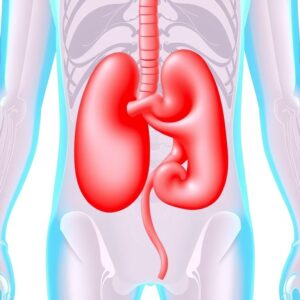
ICD-10 codes for dysuria
Table of Contents
Toggle2. Understanding Dysuria: A Clinical Deep Dive
To code effectively, a coder must possess a foundational understanding of the clinical concepts they are translating into data. A superficial grasp of terminology can lead to significant errors.
Defining the Symptom: Pain, Burning, and Discomfort
Dysuria is characterized by pain, burning, or stinging sensations during urination. The discomfort can occur at the start of urination, throughout the stream, or immediately after. It’s important to distinguish dysuria from other urinary symptoms, which often co-occur but have distinct codes:
-
Frequency (R35.0): Urinating more often than usual.
-
Urgency (R39.15): A sudden, compelling need to urinate that is difficult to defer.
-
Hematuria (R31.-): The presence of blood in the urine.
-
Nocturia (R35.1): Waking up at night to urinate.
A patient may present with a combination of these symptoms, often referred to as “irritative voiding symptoms.” While dysuria is the focus, coders must be prepared to assign multiple codes if the documentation supports them.
The Pathophysiology: Why Does Urination Hurt?
The sensation of dysuria arises from inflammation or irritation of the urethral or bladder mucosa. The urinary tract is lined with a protective layer, but when this layer is compromised by pathogens, chemicals, or physical trauma, the underlying nerve endings become exposed to the acidic and hypertonic environment of urine. The passage of urine over these sensitized nerves triggers the pain signals interpreted as burning or stinging. The location of the discomfort can sometimes offer a clue—pain felt primarily in the urethra often suggests urethritis, while suprapubic pain (above the pubic bone) accompanying dysuria is more indicative of cystitis (bladder inflammation).
Common and Uncommon Etiologies of Dysuria
A coder’s ability to select the correct code hinges on the provider’s identified cause. The following are key etiologies:
-
Infectious: The most common cause. Includes cystitis, urethritis, prostatitis, and pyelonephritis. Pathogens can be bacterial (e.g., E. coli), viral, or fungal.
-
Anatomical/Obstructive: Kidney stones (ureteral calculi), urethral strictures, or benign prostatic hyperplasia (BPH) causing urinary retention and subsequent inflammation.
-
Inflammatory/Non-Infectious: Interstitial cystitis/Bladder Pain Syndrome (a chronic condition), radiation cystitis (after cancer treatment), or chemical cystitis (from certain medications or hygiene products).
-
Traumatic: Resulting from catheterization, surgical procedures, or other injuries.
-
Other: Atrophic urethritis or vaginitis (often in postmenopausal women), certain skin conditions, and, rarely, referred pain from other pelvic structures.
3. The Foundation of ICD-10-CM: Alphabetic Index and Tabular List
The process of finding any ICD-10-CM code involves a two-step verification process: the Alphabetic Index and the Tabular List.
Navigating the Alphabetic Index for “Dysuria”
The Alphabetic Index is the starting point. When you look up “Dysuria,” you will find a direct entry:
Dysuria R30.0
This seems straightforward. However, a proficient coder knows to also check for any instructional notes. In this case, there are no “see,” “see also,” or “code first” notes under the main term “Dysuria.” This indicates that R30.0 is the correct index entry.
The Tabular List’s Definitive Code: R30.0
The Alphabetic Index only suggests a code; the final authority is the Tabular List. Turning to Chapter 18 (Symptoms, Signs, and Abnormal Clinical and Laboratory Findings, Not Elsewhere Classified) and locating category R30 (Pain associated with micturition), we find the definitive code:
-
R30.0 – Dysuria
-
Includes: Painful urination
-
Excludes1: Psychogenic dysuria (F45.8)
-
The “Excludes1” note is critical. It means that if the provider has documented the dysuria as being psychogenic in origin (a symptom of a mental disorder), you must not use R30.0. Instead, you would use F45.8 (Other somatoform disorders). This highlights the necessity of reading the Tabular List carefully for every code assignment.
4. The Golden Rule of Medical Coding: Code to the Highest Specificity
This is the cornerstone of accurate coding. You must never assign a symptom code when a definitive diagnosis is known and documented. The code R30.0 is a symptom code. Its use is appropriate when a definitive diagnosis has not been established. However, once a provider makes a diagnosis, you must code that condition instead.
-
Incorrect Approach: A patient is diagnosed with E. coli cystitis and the coder assigns R30.0 (Dysuria). This is a major error. It is undercoding and fails to represent the true clinical picture.
-
Correct Approach: The same patient with a diagnosis of E. coli cystitis is coded with N30.00 (Acute cystitis without hematuria) or a more specific code if the causal organism is known (e.g., B96.20 for E. coli as the cause). The dysuria is an inherent symptom of the cystitis and is not coded separately.
The underlying condition will almost always have a more specific code in Chapters 1-16 of ICD-10-CM (e.g., Chapter 14 for diseases of the genitourinary system). R30.0 resides in Chapter 18, which is reserved for symptoms and signs when a more definitive diagnosis is not available.
5. Coding Scenarios: Applying Knowledge to Real-World Cases
Let’s apply these principles to realistic patient encounters.
Scenario 1: The Uncomplicated Urinary Tract Infection (UTI)
-
Documentation: “25-year-old female presents with 2-day history of dysuria, urinary frequency, and urgency. Urinalysis positive for nitrites and leukocytes. Diagnosis: Acute cystitis. Prescribed nitrofurantoin.”
-
Coding Analysis: The definitive diagnosis is acute cystitis. Dysuria is a symptom of this condition.
-
Correct Code(s): N30.00 – Acute cystitis without hematuria. R30.0 is not assigned.
Scenario 2: Dysuria in Benign Prostatic Hyperplasia (BPH)
-
Documentation: “68-year-old male with known BPH presents with worsening dysuria and weak urinary stream. Suspected urinary retention with possible infection. Will obtain urine culture.”
-
Coding Analysis: The patient has a chronic condition (BPH) that is causing new symptoms. The dysuria is a symptom of the BPH, but if the provider links it to a new acute infection, that infection would be coded. However, based on this documentation, the definitive diagnosis causing the symptom is the BPH.
-
Correct Code(s): N40.1 – Benign prostatic hyperplasia with lower urinary tract symptoms. R30.0 is not assigned, as the dysuria is accounted for in the LUTS descriptor of N40.1.
Scenario 3: Dysuria as a Post-Procedural Complication
-
Documentation: “Patient seen for follow-up 1 week after cystoscopy. Reports dysuria since the procedure. No fever. Findings consistent with post-procedural urethritis.”
-
Coding Analysis: The dysuria is a direct complication of the procedure. ICD-10-CM has specific codes for complications.
-
Correct Code(s): T83.598A – Other complication of other genitourinary prosthetic devices, implants and grafts, initial encounter. (Note: A cystoscope is considered a device). The code for dysuria is not used. Additionally, an external cause code from Chapter 20 (Y-codes) would be needed to indicate the cause, e.g., Y84.6 – Cystoscopy.
Scenario 4: Dysuria with a Diagnosis of “Rule Out UTI”
-
Documentation: “Patient presents with dysuria and frequency. ‘Rule out UTI’ is listed as the diagnosis. Urine sent for culture, results pending.”
-
Coding Analysis: In this case, there is no definitive diagnosis. The provider is evaluating a symptom. The symptom is the reason for the encounter.
-
Correct Code(s): R30.0 – Dysuria. This is an appropriate use of the symptom code. Once the culture results return confirming a UTI, the code for the encounter could be changed to the UTI code, but for the initial encounter, R30.0 is correct.
Scenario 5: Chronic Dysuria of Unknown Origin
-
Documentation: “Patient has a 6-month history of intermittent dysuria. Extensive workup, including cystoscopy and cultures, is negative for infection, stones, or other pathology. Final Diagnosis: Dysuria, unspecified.”
-
Coding Analysis: The provider has concluded the workup without finding a definitive cause. The symptom itself is the diagnosis.
-
Correct Code(s): R30.0 – Dysuria. This is the correct and specific code for this scenario.
6. Beyond the Basics: Differential Diagnoses and Their Specific Codes
This table provides a quick reference for coding common definitive diagnoses that present with dysuria.
| Definitive Diagnosis | ICD-10-CM Code(s) | Coding Notes |
|---|---|---|
| Acute Cystitis | N30.00 (without hematuria), N30.01 (with hematuria) | Code the cystitis, not the dysuria. |
| Candidal Urethritis | B37.49 | Other urogenital candidiasis. |
| Chlamydial Urethritis | A56.01 | Requires confirmation via lab test. |
| Gonococcal Urethritis | A54.01 | Requires confirmation via lab test. |
| Herpetic Infection of Genitourinary Tract | A60.01 (with genital ulcers) | |
| Interstitial Cystitis (Bladder Pain Syndrome) | N30.10 – N30.11 | A chronic condition, not an infection. |
| Malignant Neoplasm of Bladder | C67.- | Dysuria is a common symptom. |
| Benign Prostatic Hyperplasia (BPH) with LUTS | N40.1 | LUTS includes dysuria, frequency, urgency. |
| Urethral Stricture | N35.- | Code requires additional characters for location. |
| Calculus of Ureter | N20.1 | Often presents with severe pain (renal colic) and dysuria. |
| Radiation Cystitis | N30.40 – N30.41 | Use additional code for adverse effect of radiation (Y84.2). |
| Atrophic Vaginitis with Urinary Symptoms | N95.2 | Common in postmenopausal women. |
| Trigonitis | N30.30 – N30.31 |
7. The Crucial Link: Documentation and Physician Queries
The coder is entirely dependent on the quality of the provider’s documentation. Ambiguous or incomplete documentation is a primary source of coding errors.
What Constitutes Good Documentation for Coding?
Good documentation is clear, concise, and complete. It should include:
-
The patient’s chief complaint: “Dysuria for 3 days.”
-
Subjective history: Description of the symptom’s onset, duration, and severity.
-
Objective findings: Results of physical exam, urinalysis, imaging.
-
Assessment/Diagnosis: A clear, definitive statement of the condition. e.g., “Acute bacterial cystitis,” not just “UTI.”
-
Plan: Treatment provided.
When and How to Query a Provider for Clarification
If the documentation is unclear, contradictory, or uses non-specific terms like “rule out” as a final diagnosis, a formal query is necessary. A query is a respectful, written communication to the provider to clarify the clinical intent.
-
Example of a Poor Query: “What is the diagnosis?”
-
Example of a Good Query: “Dear Dr. Smith, The note for patient Jane Doe indicates the patient presented with dysuria and a urinalysis positive for leukocytes. The assessment states ‘rule out UTI.’ Based on the clinical findings, is there a definitive diagnosis of a urinary tract infection, such as acute cystitis, that can be documented? Thank you for your clarification.”
A well-crafted query presents the facts and asks a specific, clinically relevant question without leading the provider to a particular answer.
8. Compliance and Reimbursement: The Financial Impact of Accurate Coding
Incorrect coding for dysuria has direct financial and legal consequences.
-
Undercoding (Using R30.0 when a definitive code exists): This results in lower reimbursement. A symptom code like R30.0 is often associated with a lower-weighted Diagnosis-Related Group (DRG) or a lower Evaluation and Management (E/M) level than a code for a specific disease like pyelonephritis (N10).
-
Overcoding (Using a more severe code without justification): This is fraud. If a coder assigns N10 (Acute pyelonephritis) when the documentation only supports N30.00 (Acute cystitis), it constitutes upcoding to secure higher reimbursement.
-
Audits: Both undercoding and overcoding can trigger audits from payers like Medicare or private insurers. Audits lead to costly repayments, fines, and potential legal action.
Accurate coding ensures that the healthcare facility is reimbursed appropriately for the complexity of care provided while maintaining full compliance with regulations.
9. Pediatric and Geriatric Considerations: Special Populations
Coding principles remain the same, but the common etiologies differ.
-
Pediatric: Dysuria in children is often due to UTIs, but also consider vulvovaginitis in girls, balanitis in boys, or the possibility of anatomical abnormalities. The same coding rule applies: code the definitive diagnosis (e.g., N39.0 for UTI) over the symptom (R30.0).
-
Geriatric: In the elderly, dysuria can be a sign of a more serious condition, such as an infection that may present atypically (without fever). Common causes include UTIs, BPH, medication side effects, and atrophic changes. Polypharmacy is a key factor. Again, code the specific cause identified by the provider.
10. FAQs: Frequently Asked Questions About Dysuria Coding
Q1: Can I code both dysuria (R30.0) and a UTI (N30.00) together?
A: Generally, no. According to the ICD-10-CM Official Guidelines for Coding and Reporting, you should not code symptoms that are integral to a definitive diagnosis. Dysuria is a hallmark symptom of a UTI and is not coded separately.
Q2: What if the provider documents “dysuria” and “UTI” but doesn’t specify the type of UTI (e.g., cystitis vs. urethritis)?
A: If the documentation is not specific, you may need to query the provider. If a query is not possible, you would default to the most general code that is supported. “UTI” is indexed to N39.0 – Urinary tract infection, site not specified. This is less specific than N30.00 but more accurate than R30.0 once a UTI diagnosis is made.
Q3: How do I code dysuria caused by a sexually transmitted infection (STI) like chlamydia?
A: You code the definitive diagnosis. For chlamydial urethritis, the code is A56.01. The dysuria is a symptom of this infection and is not coded separately.
Q4: Is there a time limit on when to use a symptom code? For example, if a patient has dysuria for a year, can I still use R30.0?
A: The duration does not change the coding rule. If after a full workup, the provider’s final diagnosis is “chronic dysuria” or “dysuria of unknown origin,” then R30.0 remains the correct code. The key is the lack of a more specific, definitive diagnosis.
Q5: What chapter is R30.0 located in, and why is that important?
A: R30.0 is in Chapter 18: Symptoms, Signs, and Abnormal Clinical and Laboratory Findings, Not Elsewhere Classified (R00-R99). This chapter is a “last resort” when a condition classifiable to Chapters 1-17 has not been documented. Its placement reinforces that it should be superseded by a more specific code from another chapter whenever possible.
11. Conclusion: Key Takeaways for the Professional Coder
-
Specificity is Paramount: Always code the known definitive diagnosis (e.g., N30.00 for cystitis) over the symptom code (R30.0 for dysuria).
-
Documentation is King: Accurate coding is impossible without clear, complete provider documentation; never assume a diagnosis.
-
Guidelines are Mandatory: Consistently consult both the Alphabetic Index and Tabular List, and adhere to all official ICD-10-CM coding guidelines to ensure compliance.
12. Additional Resources
For the most accurate and up-to-date information, always rely on these primary sources:
-
ICD-10-CM Official Guidelines for Coding and Reporting: Published annually by the Centers for Disease Control and Prevention (CDC) and the Centers for Medicare & Medicaid Services (CMS). This is the essential rulebook.
-
American Health Information Management Association (AHIMA): Offers coding guidelines, practice briefs, and educational resources.
-
American Academy of Professional Coders (AAPC): Provides certification, training, and updates on coding changes and best practices.
-
CDC ICD-10-CM Website: Provides the complete and current code set and guidelines.
Disclaimer: This article is for informational purposes only and is intended for medical coding professionals and healthcare students. It is not a substitute for the official ICD-10-CM guidelines, coding manuals, or professional medical advice. Medical coders must always use the most current, official coding resources and follow all applicable guidelines when assigning codes. The author and publisher are not responsible for any errors, omissions, or consequences resulting from the use of this information.
Date: September 26, 2025
Author: Medical Coding Specialist