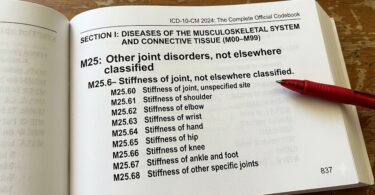
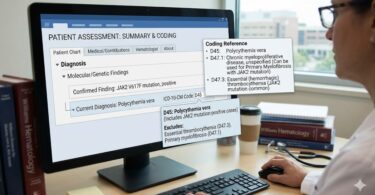
In the intricate ecosystem of modern medicine, where patient care intersects with administrative complexity, a unique language has emerged. This language, composed of alphanumeric sequences, is the International Classification of Diseases, Tenth Revision (ICD-10). To the uninitiated, a code like E03.9 may seem like an arcane cipher, a mere bureaucratic placeholder. However, for healthcare providers, coders, and administrators, it represents a precise clinical story—a story of diagnosis, etiology, and severity that drives treatment, reimbursement, and medical research. Hypothyroidism, a condition affecting millions worldwide characterized by an underactive thyroid gland, is a prime example of a common diagnosis where ICD-10 coding transcends simple categorization. The difference between selecting E03.9 (Hypothyroidism, unspecified) and E06.3 (Autoimmune thyroiditis) is not merely a technicality; it is the difference between a vague notation and a rich, clinically significant narrative. This article delves deep into the world of ICD-10 codes for hypothyroidism, moving beyond a simple code lookup to explore the clinical reasoning, potential pitfalls, and profound implications behind each alphanumeric combination. Our journey will equip you with the knowledge to navigate this landscape with confidence, ensuring that your coding practices are as precise and effective as the patient care they support.
ICD-10 Codes for Hypothyroidism
2. Understanding the Foundation: What is Hypothyroidism?
Before one can master the code, one must first master the condition. Hypothyroidism is not a single disease but a syndrome resulting from deficient production and action of the thyroid hormones. Its manifestations are diverse, affecting virtually every organ system in the body.
The Thyroid Gland: The Body’s Metabolic Thermostat
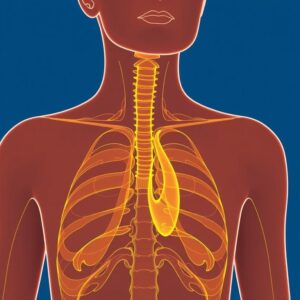
The thyroid gland, a butterfly-shaped organ located in the front of the neck, is the master regulator of metabolism. It produces two primary hormones: Thyroxine (T4) and Triiodothyronine (T3). T4 is a prohormone, produced in much greater quantities, while T3 is the biologically active form that exerts the primary metabolic effects. These hormones influence the rate at which your body uses energy, produces heat, and regulates sensitivity to other hormones. Think of the thyroid as the body’s thermostat; when it’s set too low (hypothyroidism), all of the body’s processes slow down.
The Hormonal Cascade: TSH, T4, and T3
The thyroid gland does not operate in isolation. It is part of a sophisticated feedback loop known as the hypothalamic-pituitary-thyroid (HPT) axis.
-
The hypothalamus in the brain releases Thyrotropin-Releasing Hormone (TRH).
-
TRH stimulates the pituitary gland to release Thyroid-Stimulating Hormone (TSH).
-
TSH travels through the bloodstream to the thyroid gland, instructing it to produce and release T4 and T3.
When thyroid hormone levels in the blood are low, the pituitary gland releases more TSH to stimulate the thyroid—this is the hallmark of primary hypothyroidism. A high TSH level with a low T4 level is the classic diagnostic biochemical pattern.
The Clinical Spectrum: From Subclinical to Myxedema Coma
Hypothyroidism presents across a wide clinical spectrum:
-
Subclinical Hypothyroidism: This is an early, mild form where the TSH is elevated, but the T4 level is still within the normal range. Patients may be asymptomatic or have subtle, non-specific symptoms.
-
Overt Hypothyroidism: This is the full-blown syndrome characterized by elevated TSH and low T4 levels. Symptoms are numerous and can include fatigue, weight gain, cold intolerance, dry skin, hair loss, constipation, depression, and cognitive slowing (“brain fog”).
-
Myxedema Coma: This is a rare, but life-threatening, end-stage manifestation of severe, long-standing hypothyroidism. It represents a medical emergency characterized by altered mental status, hypothermia, and multiple organ system failure.
Understanding this spectrum is crucial because the ICD-10 coding system often requires the coder to reflect the etiology and, in some cases, the manifestation of the disease.
3. The ICD-10 Coding System: A Primer for Precision
The transition from ICD-9 to ICD-10 in 2015 was a monumental shift in healthcare documentation. It moved the industry from a system of approximately 14,000 codes to one containing over 70,000. This expansion was not for the sake of complexity, but for the sake of clarity and clinical detail.
From ICD-9 to ICD-10: A Paradigm Shift in Specificity
In ICD-9, hypothyroidism was largely captured under a single code, 244.9. This code offered no insight into the cause of the condition. Was it autoimmune? Was it post-surgical? ICD-9 was silent on the matter. ICD-10, by contrast, demands specificity. It requires the coder to distinguish between congenital and acquired forms, to identify drug-induced causes, and to code autoimmune thyroiditis separately from other types. This shift forces a closer collaboration between clinicians and coders and necessitates more detailed clinical documentation.
The Structure of an ICD-10 Code: Deciphering the Alphanumeric Language
An ICD-10 code is not a random string of characters. It follows a logical structure:
-
Category (First 3 Characters): The code begins with a letter followed by two numbers (e.g., E03). This denotes the category of the disease. For hypothyroidism, the primary category is E03, “Other hypothyroidism.”
-
Etiology, Anatomy, or Severity (Characters 4-7): The characters after the decimal point provide the specificity. They can indicate the cause (e.g., drug-induced), the anatomic detail (e.g., with goiter), or the severity (e.g., in a coma).
This structure allows for a granular description of the patient’s condition that was impossible in the previous system.
4. Navigating the Core: ICD-10 Code E03 for Other Hypothyroidism
The E03 category is a collection of hypothyroidism codes that are not classified elsewhere. It is essential to understand that this category excludes autoimmune thyroiditis (which has its own code, E06.3) and postprocedural hypothyroidism (E89.0).
E03.0 – Congenital Hypothyroidism with Diffuse Goiter
This code is used for hypothyroidism present at birth that is associated with an enlarged thyroid gland (goiter). The goiter is an attempt by the fetal thyroid to compensate for impaired hormone synthesis, often due to inborn errors of metabolism. Conditions like Pendred syndrome (associated with hearing loss) would be coded here. Documentation must clearly state the condition is congenital and note the presence of a goiter.
E03.1 – Congenital Hypothyroidism without Goiter
This is the most common code for congenital hypothyroidism, often resulting from thyroid dysgenesis (an underdeveloped or absent thyroid gland). Newborn screening programs typically identify this condition. The key differentiator from E03.0 is the absence of a goiter.
E03.2 – Hypothyroidism due to Medications and Other Exogenous Substances
This is a critical code for accurately reflecting iatrogenic or externally caused hypothyroidism. Common culprits include:
-
Lithium: Used for bipolar disorder, it can inhibit thyroid hormone release.
-
Amiodarone: An antiarrhythmic drug rich in iodine that can cause both hypothyroidism and hyperthyroidism.
-
Tyrosine Kinase Inhibitors: A class of cancer drugs that can affect thyroid function.
-
Excessive Iodine or Iodide Exposure.
The clinical documentation must link the hypothyroidism directly to the medication or substance for this code to be appropriately assigned.
E03.3 – Postinfectious Hypothyroidism
This is a rarely used code for hypothyroidism that occurs as a direct result of a prior infection. While theoretically possible, most cases of thyroiditis (inflammation) leading to hypothyroidism are autoimmune (Hashimoto’s) or subacute (viral, coded under E06.1), not post-infectious in the way this code implies.
E03.4 – Atrophy of Thyroid (Acquired)
This code is used when the thyroid gland shrinks and fails, but the cause is not specified as autoimmune. In practice, most cases of thyroid atrophy are, in fact, the end-stage of autoimmune thyroiditis (Hashimoto’s). Therefore, E06.3 is often a more accurate code unless the provider explicitly documents atrophy of unknown, non-autoimmune cause.
E03.5 – Myxedema Coma: A Life-Threatening Emergency
This code is reserved for the extreme, life-threatening manifestation of hypothyroidism. Myxedema coma has a high mortality rate and requires intensive care. Coding E03.5 immediately communicates the severity of the patient’s condition for both clinical and billing purposes. It is typically used alongside the code for the underlying hypothyroidism (e.g., E06.3).
E03.8 – Other Specified Hypothyroidism
This is a catch-all within the E03 category for types of acquired hypothyroidism that do not fit the other subcategories but are specified by the provider. An example might be “idiopathic hypothyroidism” if the provider has ruled out autoimmune and iatrogenic causes.
E03.9 – Hypothyroidism, Unspecified: The Code of Last Resort
This is the least specific code and should be used only when the medical record lacks sufficient detail to assign a more precise code. It is the equivalent of the old ICD-9 code 244.9. While sometimes necessary, habitual use of E03.9 indicates a failure in clinical documentation and can lead to denied claims or inaccurate data for population health studies. The goal of every coder and provider should be to avoid this code whenever possible.
5. The Autoimmune Elephant in the Room: ICD-10 Code E06.3 for Autoimmune Thyroiditis
This is arguably the most important code for hypothyroidism in adult populations.
Hashimoto’s Thyroiditis: The Most Common Cause
Hashimoto’s thyroiditis is an autoimmune disorder in which the body’s immune system mistakenly attacks and gradually destroys the thyroid gland. It is the leading cause of hypothyroidism in iodine-sufficient regions of the world. The diagnosis is often confirmed by the presence of specific antibodies in the blood: Anti-Thyroid Peroxidase (TPO) antibodies and, less commonly, Anti-Thyroglobulin antibodies.
Why E06.3 Trumps E03.9: The Imperative of Etiological Coding
When a provider documents “Hashimoto’s thyroiditis,” “chronic lymphocytic thyroiditis,” or notes the presence of positive thyroid antibodies leading to hypothyroidism, the correct code is E06.3, Autoimmune thyroiditis. It is incorrect to use E03.9 in this scenario. Coding E06.3 provides a complete picture:
-
It tells the “why”: The hypothyroidism is due to an autoimmune process.
-
It has clinical implications: Patients with one autoimmune disease are at higher risk for others (e.g., vitiligo, celiac disease, type 1 diabetes).
-
It ensures accurate reimbursement: Payers may question the medical necessity of care if an unspecified code is used when a specific one is available.
Differentiating Common Hypothyroidism ICD-10 Codes
| ICD-10 Code | Code Description | Clinical Scenario | Key Documentation Clues |
|---|---|---|---|
| E03.2 | Hypothyroidism due to medications | Patient on lithium or amiodarone develops high TSH. | “Hypothyroidism secondary to [Drug Name].” |
| E03.9 | Hypothyroidism, unspecified | Patient has high TSH, low T4, but etiology not investigated or documented. | “Hypothyroidism,” “Underactive thyroid.” (Lacks detail on cause). |
| E06.3 | Autoimmune thyroiditis | Patient with high TSH, positive TPO antibodies. | “Hashimoto’s disease,” “Chronic lymphocytic thyroiditis,” “+ thyroid antibodies.” |
| E89.0 | Postprocedural hypothyroidism | Patient status-post total thyroidectomy for cancer. | “Hypothyroidism following thyroidectomy,” “Post-thyroid ablation.” |
| E03.5 | Myxedema coma | Patient with known hypothyroidism presents with hypothermia and unresponsiveness. | “Myxedema coma,” “Hypothyroid crisis.” |
6. Iatrogenic Hypothyroidism: The Consequences of Medical Intervention
A significant portion of hypothyroidism cases are not spontaneous but are a known consequence of a medical procedure.
Postprocedural Hypothyroidism (E89.0): Surgery, Radioactive Iodine, and Radiation
Code E89.0, “Postprocedural hypothyroidism,” is used when the thyroid gland has been intentionally or inadvertently damaged or removed during a medical procedure. This includes:
-
Total or Partial Thyroidectomy: Surgical removal of the thyroid for cancer, goiter, or hyperthyroidism.
-
Radioactive Iodine (RAI) Ablation: A common treatment for hyperthyroidism (Graves’ disease) that often results in permanent hypothyroidism.
-
External Beam Radiation to the Neck: For cancers like lymphoma or laryngeal cancer, which can damage the thyroid gland.
Differentiating E89.0 from Other Codes
It is crucial not to confuse E89.0 with E03.2 (drug-induced) or E06.3 (autoimmune). The key is the causal link to a procedure. The documentation must clearly state that the hypothyroidism is a direct result of the intervention (e.g., “post-thyroidectomy hypothyroidism”). This code is often used in conjunction with a code from Chapter 19 (Injury, poisoning, and certain other consequences of external causes) to identify the specific procedure.
7. The Grey Zone: Subclinical Hypothyroidism and ICD-10 Coding Challenges
Subclinical hypothyroidism presents a unique coding challenge, as it is a laboratory diagnosis rather than a clear-cut clinical disease.
Defining Subclinical Hypothyroidism
It is characterized by an elevated TSH level with a normal free T4 level. Patients are often asymptomatic or have vague symptoms that could be attributed to many other conditions. Treatment is not always initiated; it depends on the degree of TSH elevation, the presence of antibodies, and patient-specific factors like pregnancy plans or lipid abnormalities.
The Coding Dilemma: To Code or Not to Code?
There is no specific ICD-10 code for “subclinical hypothyroidism.” The official coding guidelines do not explicitly prohibit coding the condition. If a provider documents “subclinical hypothyroidism” as a diagnosis and is monitoring or treating it, it can be coded. However, the question becomes: which code?
-
Some experts argue for using E02 (Subclinical iodine-deficiency hypothyroidism), but this is inaccurate for most cases in non-iodine-deficient regions.
-
Others recommend using E03.9 (Hypothyroidism, unspecified), as it reflects the thyroid dysfunction, albeit mild.
-
The most accurate approach is to code the underlying cause if known. If the patient has positive antibodies, E06.3 (Autoimmune thyroiditis) may be appropriate, as the subclinical state is an early stage of the autoimmune process.
The best practice is for the provider to document clearly, for example: “Subclinical hypothyroidism, likely early Hashimoto’s, evidenced by elevated TSH of 6.8 and positive TPO antibodies. Will monitor.” This supports the use of E06.3.
8. Coding in Action: Practical Clinical Scenarios and Code Application
Let’s apply our knowledge to real-world patient encounters.
Scenario 1: The Newly Diagnosed Hashimoto’s Patient
-
Presentation: A 45-year-old female presents with fatigue, weight gain, and cold intolerance.
-
Labs: TSH 25 mIU/L (high), Free T4 0.5 ng/dL (low), TPO Antibodies >600 IU/mL (high).
-
Provider’s Diagnosis: “Hypothyroidism secondary to Hashimoto’s autoimmune thyroiditis.”
-
Correct ICD-10 Code: E06.3 (Autoimmune thyroiditis). The documentation clearly identifies the autoimmune etiology.
Scenario 2: The Post-Thyroidectomy Patient
-
Presentation: A 60-year-old male is seen for follow-up 6 weeks after a total thyroidectomy for papillary thyroid cancer.
-
Labs: TSH 45 mIU/L, Free T4 0.3 ng/dL.
-
Provider’s Note: “Patient is now hypothyroid status-post total thyroidectomy. Started on levothyroxine 125 mcg daily.”
-
Correct ICD-10 Code: E89.0 (Postprocedural hypothyroidism). The condition is a direct consequence of the surgery.
Scenario 3: The Patient with Medication-Induced Hypothyroidism
-
Presentation: A 55-year-old female with a history of atrial fibrillation on amiodarone.
-
Labs: TSH 18 mIU/L, Free T4 low-normal.
-
Provider’s Note: “Amiodarone-induced hypothyroidism. Will continue amiodarone and start levothyroxine.”
-
Correct ICD-10 Code: E03.2 (Hypothyroidism due to medications and other exogenous substances).
Scenario 4: The Unclear Etiology
-
Presentation: A 70-year-old male with fatigue. No prior thyroid history.
-
Labs: TSH 15 mIU/L, Free T4 0.7 ng/dL (low). Antibody testing was not performed.
-
Provider’s Diagnosis: “Hypothyroidism.”
-
Correct ICD-10 Code: E03.9 (Hypothyroidism, unspecified). Since the etiology is not investigated or documented, a more specific code cannot be used.
9. Common Pitfalls and How to Avoid Them: Ensuring Coding Accuracy
Accuracy in coding is non-negotiable. Here are common mistakes and how to prevent them.
Pitfall 1: Defaulting to “Unspecified” (E03.9)
-
The Problem: Using E03.9 as a default out of habit or convenience.
-
The Solution: Implement a process to query the provider for more specific information. Ask: “Is this autoimmune? Post-surgical? Drug-induced?” Encourage providers to document the etiology in their diagnosis.
Pitfall 2: Confusing Hypothyroidism with Hyperthyroidism
-
The Problem: Accidentally coding for an overactive thyroid (E05.- series) when the patient has an underactive one.
-
The Solution: Pay close attention to the lab values (High TSH = Hypo; Low TSH = Hyper) and the clinical documentation (fatigue/weight gain vs. anxiety/weight loss).
Pitfall 3: Miscoding Iatrogenic Causes
-
The Problem: Coding a post-thyroidectomy patient as E03.9 instead of E89.0.
-
The Solution: Scrutinize the patient’s history for any procedures (surgery, RAI) that could be the cause. The history is as important as the current lab values.
Pitfall 4: Ignoring Documentation and Clinical Context
-
The Problem: Coding based solely on lab results without reading the provider’s full assessment and plan.
-
The Solution: Always code based on the provider’s final documented diagnosis. The labs support the diagnosis, but the provider’s statement is the definitive source for code assignment.
10. The Synergy of Coding and Clinical Practice: Why It Matters
Precise ICD-10 coding is far more than an administrative hurdle; it is a critical component of high-quality healthcare delivery.
Driving Quality Patient Care
Accurate codes create a precise medical record. When a new provider sees E06.3, they understand the chronic, autoimmune nature of the condition. This informs their long-term management strategy and screening for associated conditions.
Ensuring Accurate Reimbursement
Insurance payers use ICD-10 codes to determine medical necessity. A claim for levothyroxine with an E03.9 code might be paid, but one with a specific E06.3 or E89.0 code is unquestionably justified. Specific codes reduce claim denials and audits.
Powering Population Health and Research
Public health officials and researchers rely on aggregated ICD-10 data to track disease prevalence, identify at-risk populations, and allocate resources. If most hypothyroidism cases are coded as “unspecified,” it becomes impossible to study the true impact of autoimmune thyroid disease or the long-term outcomes of post-surgical hypothyroidism.
11. Conclusion: Mastering the Code, Honoring the Patient
The journey through the labyrinth of ICD-10 codes for hypothyroidism reveals a fundamental truth: in modern medicine, precision in language is synonymous with precision in care. Moving beyond the generic E03.9 to specific codes like E06.3 for autoimmune thyroiditis or E89.0 for postprocedural states is not a mere technical exercise. It is an act of clinical storytelling that enriches the patient record, ensures appropriate reimbursement, and fuels the engine of medical research. By mastering this nuanced system, healthcare professionals do more than just assign codes—they honor the complexity of each patient’s condition and contribute to a smarter, more effective healthcare ecosystem.
12. Frequently Asked Questions (FAQs)
Q1: What is the most accurate ICD-10 code for Hashimoto’s disease?
A: The most accurate code is E06.3 (Autoimmune thyroiditis). Hashimoto’s is the most common form of autoimmune thyroiditis.
Q2: When should I use E03.9 (Hypothyroidism, unspecified)?
A: Use E03.9 only as a last resort when the medical documentation provides no details about the cause of the hypothyroidism (e.g., it does not mention autoimmune, post-surgical, drug-induced, or congenital causes). Always seek clarification from the provider before defaulting to this code.
Q3: How do I code a patient who had a thyroidectomy and is now hypothyroid?
A: The correct code is E89.0 (Postprocedural hypothyroidism). This specifically describes hypothyroidism that is a direct result of a surgical or ablative procedure.
Q4: Is there a specific code for subclinical hypothyroidism?
A: No, there is no dedicated code. The condition can be coded based on the provider’s documentation. If the cause is known (e.g., autoimmune), use E06.3. If the cause is unknown, E03.9 may be used, but the provider should document “subclinical hypothyroidism.”
Q5: What is the difference between E03.2 and E89.0?
A: E03.2 is for hypothyroidism caused by medications or substances (e.g., amiodarone, lithium). E89.0 is for hypothyroidism caused by a physical procedure (e.g., surgery, radioactive iodine treatment).
Q6: Can I use two codes for hypothyroidism?
A: Yes, it is common and often necessary. For example, for a patient in myxedema coma due to Hashimoto’s, you would code both E03.5 (Myxedema coma) and E06.3 (Autoimmune thyroiditis).
13. Additional Resources
-
CDC ICD-10 Code Lookup Tool: https://www.cdc.gov/nchs/icd/icd10.htm (The official source for code sets).
-
American Health Information Management Association (AHIMA): https://www.ahima.org/ (Provides extensive resources, best practices, and educational materials for medical coders).
-
American Thyroid Association (ATA): https://www.thyroid.org/ (An excellent resource for clinical guidelines and patient education on thyroid diseases, which informs proper documentation).
-
2025 ICD-10-CM Official Guidelines for Coding and Reporting: (A mandatory reference for any coder, updated annually).
Date: October 2, 2025
Disclaimer: The information contained in this article is intended for educational and informational purposes only. It is not a substitute for professional medical advice, diagnosis, or treatment. Always seek the advice of your physician or other qualified health provider with any questions you may have regarding a medical condition. The author and publisher are not responsible for any errors or omissions or for any consequences from the application of the information herein.