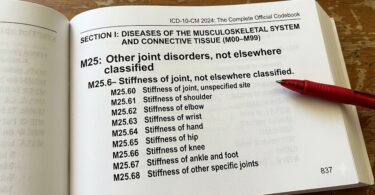
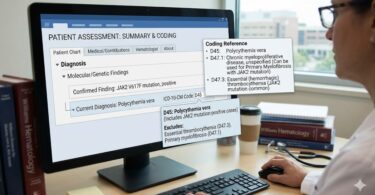
In the intricate world of medical coding, where clinical narratives are translated into standardized alphanumeric languages, few conditions illustrate the necessity of precision as vividly as hypotension. Often perceived as a straightforward symptom, low blood pressure is, in reality, a complex clinical sign with a multitude of etiologies, severities, and implications. For the healthcare professional, accurately capturing this condition using the International Classification of Diseases, Tenth Revision, Clinical Modification (ICD-10-CM) is not merely an administrative task; it is a critical function that bridges patient care, financial integrity, and population health intelligence.
A misplaced decimal point or an unspecified code can obscure the true picture of a patient’s health, leading to skewed data, denied claims, and an incomplete understanding of healthcare outcomes. This comprehensive guide is designed to be your definitive resource for mastering ICD 10 codes for hypotension. We will move beyond the basic code lookup and delve into the clinical reasoning, coding guidelines, and documentation requirements that empower you to code with confidence and accuracy. From the common challenge of orthostatic hypotension in the elderly to the life-threatening progression to shock, this article will equip you with the knowledge to navigate the subtleties of category I95 and its related codes, ensuring that your coding reflects the full complexity of the patient’s story.
ICD-10 Codes for Hypotension
Chapter 1: Understanding the Clinical Landscape of Hypotension
Before a coder can assign the correct ICD-10-CM code, they must first understand the clinical entity they are describing. Hypotension is not a disease in itself but a sign of an underlying issue.
Defining Hypotension: Physiology and Thresholds
Blood pressure is the force exerted by circulating blood on the walls of the body’s arteries. It is expressed as two values: systolic pressure (the pressure during heart contraction) and diastolic pressure (the pressure when the heart is at rest between beats). While hypertension has well-defined numerical thresholds, hypotension is more clinically defined.
Generally, a systolic blood pressure of less than 90 millimeters of mercury (mm Hg) or a diastolic pressure of less than 60 mm Hg is considered hypotensive. However, this is not an absolute rule. A patient whose normal baseline blood pressure is 110/70 mm Hg may become profoundly symptomatic at 100/65 mm Hg, whereas another individual with a baseline of 90/50 mm Hg may be entirely asymptomatic. Therefore, coding must be guided by the provider’s diagnosis, which is based on both the numerical value and the presence of associated symptoms.
The Autonomic Nervous System and Blood Pressure Regulation
The body maintains stable blood pressure through a complex system involving the heart, blood vessels, kidneys, and nervous system. The autonomic nervous system (ANS) plays a pivotal role, making rapid adjustments. When you stand up, for example, gravity pulls blood into your legs. Sensors called baroreceptors detect this slight drop in pressure and signal the ANS to constrict blood vessels and increase heart rate to maintain adequate blood flow to the brain. A failure in this system is at the heart of one of the most common types of hypotension we will code for.
Clinical Manifestations: From Dizziness to Shock
The symptoms of hypotension arise from inadequate blood flow (perfusion) to vital organs, particularly the brain. Common symptoms include:
-
Dizziness or Lightheadedness
-
Syncope (Fainting)
-
Blurred or Tunnel Vision
-
Nausea
-
Fatigue
-
Lack of Concentration
-
Cold, Clammy, Pale Skin (more indicative of shock)
When these symptoms occur, it prompts the clinical investigation that leads to a documented diagnosis—the starting point for all coding.
Chapter 2: Navigating the ICD-10-CM Code Set for Hypotension (Category I95)
The ICD-10-CM codes for hypotension are found within the chapter for Diseases of the Circulatory System (I00-I99), specifically in category I95, Hypotension. This category is hierarchically structured to capture etiology where known.
I95.0 – Idiopathic Hypotension
This code is used for persistent, chronic low blood pressure for which no specific cause can be identified. “Idiopathic” literally means “of unknown cause.” This is a diagnosis of exclusion, meaning the provider has ruled out other potential causes like dehydration, heart problems, endocrine disorders, and medication effects before settling on this code. It is crucial that the documentation explicitly states “idiopathic” to justify the use of I95.0.
I95.1 – Orthostatic Hypotension: The Gravity of the Situation
Orthostatic hypotension (OH), also known as postural hypotension, is one of the most frequently encountered and specific forms of hypotension. It is defined as a drop in systolic blood pressure of at least 20 mm Hg or a drop in diastolic blood pressure of at least 10 mm Hg within three minutes of standing.
Coding Note: The beauty of I95.1 is its specificity. When the provider documents “orthostatic hypotension,” “postural hypotension,” or a similar term, the code is clear-cut. However, coders should be aware of the underlying causes that may need to be sequenced as the principal diagnosis if they are the reason for the encounter. For example, if a patient with Parkinson’s disease is admitted for management of severe orthostatic hypotension, the Parkinson’s disease (G20) may be the principal diagnosis, with I95.1 as a secondary code.
I95.2 – Hypotension due to Drugs
This code is highly specific and requires clear documentation linking a medication to the low blood pressure. A vast array of drugs can cause hypotension, including:
-
Antihypertensives: Diuretics, ACE inhibitors, beta-blockers, calcium channel blockers.
-
Psychiatric Medications: Tricyclic antidepressants, antipsychotics.
-
Vasodilators: Nitrates used for angina.
-
Erectile Dysfunction Drugs: Sildenafil (Viagra), tadalafil (Cialis), especially when combined with nitrates.
-
Diuretics
-
Narcotic Analgesics
Crucial Coding Instruction: The ICD-10-CM official guidelines mandate the use of an additional code from categories T36-T50 to identify the responsible drug. Furthermore, a 5th or 6th character is required with the T-code to specify the nature of the poisoning (adverse effect, underdosing, etc.). In nearly all cases of drug-induced hypotension, it is an adverse effect (T-code with 5th character ‘5’).
Example: A patient presents to the ER with dizziness and a BP of 85/50. The physician documents “Hypotension due to an adverse effect of Lisinopril.”
-
Correct Codes: I95.2 (Hypotension due to drugs), T46.4X5A (Adverse effect of angiotensin-converting-enzyme inhibitors, initial encounter).
I95.8 – Other Hypotension
This is a catch-all code for types of hypotension that are specified but do not have their own unique code in the I95 series. Examples include:
-
Chronic hypotension (if not specified as idiopathic)
-
Hypotension associated with spinal cord injury (coded first)
-
Certain other specified forms not elsewhere classified.
I95.3 – Hypotension of Unknown Origin
This code is easily confused with I95.0 (Idiopathic) but has a distinct use case. I95.3 is intended for an acute or transient episode of hypotension where the cause is unknown at the time of coding. For instance, a patient in the ER has a fainting spell and a documented low BP, but the workup is inconclusive, and the provider documents “hypotension, cause unknown.” In contrast, I95.0 is for a chronic, persistent condition of unknown cause.
I95.9 – Hypotension, Unspecified
This code should be used as a last resort when the provider’s documentation is simply “hypotension” with no additional detail regarding its type or cause. While it is a valid code, its overuse is a sign of poor documentation and can negatively impact reimbursement and data quality. It does not convey the clinical nuance required for risk-adjusted payment models.
ICD-10-CM Category I95 at a Glance
| ICD-10-CM Code | Code Description | Clinical Scenario | Documentation Key Words | Additional Coding Notes |
|---|---|---|---|---|
| I95.0 | Idiopathic hypotension | A patient has had low BP for years; all workup negative. | “Idiopathic,” “essential,” “primary” | Code for chronic, unexplained cases. |
| I95.1 | Orthostatic hypotension | Patient feels dizzy and faint upon standing; BP drops 25/10 upon standing test. | “Orthostatic,” “postural,” “standing-induced” | Very common in elderly and neurology patients. |
| I95.2 | Hypotension due to drugs | BP drops after starting a new blood pressure medication. | “Drug-induced,” “due to [medication name]” | Must use an additional T36-T50 code with 5th/6th character for adverse effect. |
| I95.3 | Hypotension of unknown origin | Patient faints, has low BP in ER, cause not found during visit. | “Acute hypotension, cause unknown” | For acute/transient episodes. Different from chronic I95.0. |
| I95.8 | Other hypotension | Provider specifies “chronic hypotension” without calling it idiopathic. | “Chronic hypotension,” “neurogenic hypotension” | Use for specified forms not listed elsewhere. |
| I95.9 | Hypotension, unspecified | Provider only documents “hypotension” in the assessment. | “Hypotension” (alone) | Use only when no further specification is available. |
Chapter 3: The Art of Distinction: Differentiating Hypotension from Shock (R57.-)
This is one of the most critical distinctions a coder must make. While all shock involves hypotension, not all hypotension constitutes shock. Using the wrong category can have significant clinical and financial consequences.
Pathophysiological Differences
-
Hypotension (I95): A sign of low blood pressure. It may or may not be associated with clinical symptoms of organ dysfunction.
-
Shock (R57): A life-threatening clinical state of circulatory failure. It is characterized by inadequate tissue perfusion and cellular hypoxia, leading to end-organ damage. Hypotension is a key feature, but the presence of hypoperfusion (e.g., lactic acidosis, altered mental status, low urine output, cold extremities) is what defines shock.
Clinical and Coding Implications: Why the Distinction Matters
If a patient has a low blood pressure (e.g., 88/55) but is alert, talking, and has warm skin and good urine output, the correct code is from I95. If that same patient becomes confused, with cold clammy skin and no urine output, they have likely progressed to shock, and a code from R57 must be assigned.
The ICD-10-CM codes for shock include:
-
R57.0 Cardiogenic shock
-
R57.1 Hypovolemic shock
-
R57.8 Other shock (e.g., septic shock is coded here, but see note below)
-
R57.9 Shock, unspecified
Important Exception: Septic shock is a unique case. The official coding guidelines direct that code R65.21, Severe sepsis with septic shock be assigned when severe sepsis is present with septic shock. The code R57.8 is not used for septic shock. This highlights the importance of always consulting the most current coding guidelines.
Coding Rule of Thumb: When the provider documents “shock,” code for shock (R57.- or R65.21). When they document only “hypotension,” code from I95. If both are documented, code both, but the shock will typically be the more severe and clinically significant condition.
Chapter 4: Advanced Coding Scenarios and Clinical Nuances
Real-world coding is rarely straightforward. Here are some complex scenarios involving hypotension.
Coding in the Presence of Comorbidities
Hypotension is often a complication or symptom of another underlying condition. The sequencing of codes depends on the reason for the encounter.
-
Scenario: Sepsis and Hypotension: A patient is admitted with urosepsis and has a BP of 85/40. The physician documents “sepsis-induced hypotension.” The hypotension is an integral part of the sepsis syndrome. You would code the sepsis (e.g., A41.9) and the hypotension (I95.8 or I95.9) may be assigned as an additional code if it is specifically documented. If it progresses to septic shock, you would code R65.21.
-
Scenario: Heart Failure and Hypotension: A patient with chronic systolic heart failure (I50.2) is admitted. Their BP is low, and the provider documents “hypotension due to decompensated heart failure.” In this case, the heart failure is the cause. The principal diagnosis is I50.2-, and I95.8 can be used as a secondary code to provide further detail.
-
Scenario: Dehydration and Orthostatic Hypotension: A patient presents with vomiting and diarrhea and is diagnosed with dehydration (E86.0) and orthostatic hypotension. The orthostatic hypotension is a direct result of the volume depletion from dehydration. The principal diagnosis would be E86.0, with I95.1 as a secondary code.
Procedural Connections: Hypotension During and After Surgery/Dialysis
-
Intraoperative Hypotension: If hypotension occurs specifically during a procedure as a direct result of anesthesia or the surgery itself, it is considered an intraoperative complication. The appropriate code is I95.2 (if due to anesthetic agents) with an additional code from the T41.- category for the adverse effect of the anesthetic. The complication code is sequenced secondary to the reason for the surgery.
-
Dialysis-Associated Hypotension: Hypotension is a common complication of hemodialysis. When documented as such, code I95.2 (Hypotension due to drugs – dialysis involves fluid shifts and medications) or I95.8 (Other hypotension) can be considered, along with a code for the encounter related to dialysis (Z49.01, Encounter for fitting and adjustment of extracorporeal dialysis catheter).
Maternal Hypotension in Pregnancy (O26.5-) – A Special Consideration
Hypotension in a pregnant patient is coded differently. It falls under Chapter 15 (Pregnancy, Childbirth, and the Puerperium). The code is O26.5-, which requires a 5th digit to specify the trimester.
-
O26.51 Maternal hypotension syndrome, first trimester
-
O26.52 Maternal hypotension syndrome, second trimester
-
O26.53 Maternal hypotension syndrome, third trimester
-
O26.59 Maternal hypotension syndrome, unspecified trimester
This code should be used instead of a code from category I95 when the hypotension is related to the pregnancy.
Chapter 5: Documentation Improvement: The Foundation of Accurate Coding
Accurate coding is impossible without clear, precise documentation. The coder is bound by what is written in the medical record.
Key Elements for Physicians to Document
To support accurate coding of hypotension, physicians should be encouraged to document:
-
The Type: Is it orthostatic, drug-induced, chronic, idiopathic?
-
The Cause: “Due to dehydration,” “secondary to metoprolol,” “related to sepsis.”
-
The Context: “Post-operative,” “dialysis-associated,” “in pregnancy.”
-
The Severity: If applicable, “severe,” “symptomatic,” “requiring vasopressors.”
Querying for Clarity: Best Practices
When documentation is ambiguous (e.g., only “hypotension” is documented), a coder should initiate a physician query. A compliant query is non-leading and presents options based on clinical evidence.
Example of a Compliant Query:
“Dear Dr. Smith, The note for patient Jane Doe dated 10/2/2025 documents ‘hypotension.’ The clinical record indicates the patient was on Lisinopril and had a significant drop in BP after the dose was increased. Could you please clarify the type of hypotension for coding purposes? For example, is this:
a) Orthostatic hypotension?
b) Hypotension due to Lisinopril (adverse drug effect)?
c) Hypotension, unspecified?
Thank you for your clarification.”
Chapter 6: The Ripple Effect: How Accurate Hypotension Coding Impacts Revenue and Analytics
Precise coding is not an academic exercise; it has tangible real-world impacts.
DRG Assignment and Reimbursement
In the inpatient setting, Diagnosis-Related Groups (DRGs) determine payment. The presence of a Complication or Comorbidity (CC) or Major Complication or Comorbidity (MCC) can significantly increase the DRG weight and, consequently, the reimbursement. While unspecified hypotension (I95.9) is often not considered a CC/MCC, more specific forms like severe orthostatic hypotension or drug-induced hypotension complicating a care plan can impact DRG assignment.
Risk Adjustment and Hierarchical Condition Categories (HCCs)
In Medicare Advantage and other risk-adjusted payment models, diagnoses are used to predict a patient’s future healthcare costs. Chronic conditions like I95.0 (Idiopathic hypotension) or I95.1 (Orthostatic hypotension) can map to an HCC, generating higher capitated payments for the health plan to manage that patient’s care. An unspecified code (I95.9) typically does not map to an HCC, resulting in underpayment for the true complexity of the patient population.
Quality Metrics and Public Health Surveillance
Accurate data on conditions like drug-induced hypotension (I95.2) can be tracked to identify medication safety issues. Rates of orthostatic hypotension (I95.1) in nursing homes can be a quality indicator for fall prevention programs. Poor coding obscures these trends and hampers public health efforts.
Conclusion: Synthesizing Knowledge for Coding Excellence
Mastering ICD-10-CM coding for hypotension requires a blend of clinical knowledge, coding expertise, and meticulous attention to documentation.
Always begin with the provider’s documented diagnosis, then apply the hierarchical structure of category I95 to select the most specific code.
Remember the critical distinction between hypotension (I95) and the life-threatening state of shock (R57.- or R65.21), as this carries major clinical and financial implications.
Engage in documentation improvement through compliant queries to ensure the patient’s record—and the resulting coded data—accurately reflects the care provided and the complexity of their condition.
Frequently Asked Questions (FAQs)
Q1: Can I assign a code for hypotension based solely on a low blood pressure reading in the vital signs flow sheet?
A: No. Coding must be based on a provider’s (physician, NP, PA) diagnosis. A low number alone is a sign, not a diagnosis. The provider must document “hypotension” or a more specific term in their assessment.
Q2: What is the difference between I95.0 (Idiopathic) and I95.9 (Unspecified)?
A: I95.0 is used for a chronic condition that has been investigated, and no cause was found. It is a positive diagnosis. I95.9 is used when the documentation is incomplete and does not specify the type or cause; it is a default code due to a lack of information.
Q3: A patient has orthostatic hypotension due to Parkinson’s disease. Which code is principal?
A: It depends on the reason for the encounter. If the patient is admitted for workup and management of the debilitating orthostatic hypotension, then I95.1 could be principal. If the patient is seen for routine management of their Parkinson’s and the OH is a chronic, stable issue, then G20 (Parkinson’s disease) would be principal, with I95.1 as secondary. Always follow the Uniform Hospital Discharge Data Set (UHDDS) principal diagnosis definition.
Q4: How do I code for hypotension that occurs during a spinal tap (lumbar puncture)?
A: This would typically be coded as I95.8 (Other hypotension) as a complication of the procedure. You would also code the reason for the lumbar puncture. There is no specific code for post-dural puncture hypotension.
Additional Resources
-
The Official ICD-10-CM Guidelines for Coding and Reporting: Published annually by the CDC and CMS. This is the definitive source for coding rules.
-
The AHA Coding Clinic for ICD-10-CM/PCS: The official source for coding advice and guidance, published by the American Hospital Association.
-
CDC ICD-10-CM Browser Tool: An online tool to search the current ICD-10-CM code set.
-
American Health Information Management Association (AHIMA): Provides professional resources, webinars, and articles on best practices in clinical documentation and coding.
-
American Academy of Professional Coders (AAPC): Offers certification, training, and ongoing education for medical coders.
Disclaimer: This article is intended for informational and educational purposes only. It is not a substitute for professional medical coding, billing, or clinical advice. Medical coders must consult the current, official ICD-10-CM coding guidelines and the complete code set for accurate and compliant coding. The author and publisher disclaim any liability arising directly or indirectly from the use of this information.
Date: October 3, 2025
Author: The Medical Coding Analysis Team