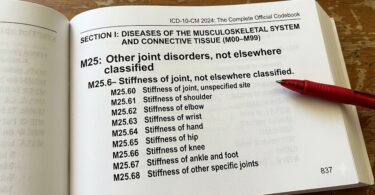
In the intricate world of modern medicine, two parallel languages dictate the flow of patient care, research, and reimbursement: the clinical language of pathogens and syndromes, and the administrative language of codes and classifications. At the intersection of these two worlds lies a formidable challenge: accurately capturing the story of an infection caused by Klebsiella pneumoniae. This is not merely a bureaucratic exercise. It is a critical process that translates a patient’s biological battle into a structured data point, influencing everything from treatment protocols and hospital revenue to national public health surveillance and the global fight against antimicrobial resistance.
Klebsiella pneumoniae, once a relatively straightforward opportunistic pathogen, has evolved into a notorious “superbug,” capable of causing devastating infections in healthcare settings and, increasingly, in the community. Its ability to acquire resistance genes, particularly those encoding for carbapenemases, has placed it on the World Health Organization’s (WHO) priority list of critical pathogens for which new antibiotics are urgently needed. For the medical coder, this biological complexity translates directly into coding complexity. A simple pneumonia case is no longer just a pneumonia case; it is a potential labyrinth of specificity involving the site of infection, the organism’s identity, and its antibiotic resistance profile.
This article serves as a definitive guide through this labyrinth. We will embark on a detailed journey, beginning with a thorough understanding of the bacterium itself—its biology, its clinical manifestations, and its alarming resistance mechanisms. We will then build a solid foundation in the International Classification of Diseases, Tenth Revision, Clinical Modification (ICD-10-CM) system, demystifying its structure and conventions. The core of our exploration will be a practical, scenario-based walkthrough of assigning accurate codes for Klebsiella pneumoniae infections, emphasizing the crucial interplay between clinical documentation and coding accuracy. We will delve into the nuances that separate accurate reimbursement from claim denials, and high-quality data from misleading statistics. Finally, we will look to the future, considering how upcoming classifications like ICD-11 and advanced molecular diagnostics will further refine this critical field. By the end of this article, you will not only know how to ICD-10 codes for Klebsiella pneumoniae; you will understand why each digit in that code matters in the larger narrative of patient care and public health defense.
ICD-10 codes for Klebsiella pneumoniae
Chapter 1: Unveiling the Pathogen – A Deep Dive into Klebsiella pneumoniae
To accurately code for an infection, one must first understand the adversary. Klebsiella pneumoniae is a Gram-negative, encapsulated, non-motile, rod-shaped bacterium belonging to the Enterobacteriaceae family. It is named after the German microbiologist Edwin Klebs. While it is a part of the normal flora in the human mouth, skin, and intestines, its transition from a harmless commensal to a aggressive pathogen is a story of virulence and opportunity.
1.1 Microbiology and Virulence Factors: More Than Just a Gut Bacterium
The pathogenicity of K. pneumoniae is mediated by a formidable arsenal of virulence factors that allow it to evade host defenses and establish infection.
-
Polysaccharide Capsule: This is its primary virulence factor. The thick, sugary capsule that surrounds the bacterium protects it from phagocytosis by neutrophils and macrophages, the immune system’s first responders. There are over 80 known capsular (K) serotypes, with K1 and K2 being particularly associated with hypervirulent strains.
-
Lipopolysaccharide (LPS): The endotoxin component of the outer membrane of Gram-negative bacteria. LPS triggers a powerful and potentially destructive inflammatory response in the host, which can lead to septic shock and organ failure.
-
Siderophores: These are small, high-affinity iron-chelating compounds. In the human body, iron is tightly bound to proteins like transferrin and lactoferrin. K. pneumoniae produces siderophores such as enterobactin and aerobactin to steal this essential nutrient, allowing it to proliferate in the iron-poor environment of the host.
-
Fimbriae (Pili): These hair-like appendages allow the bacterium to adhere to surfaces, including epithelial cells lining the urinary tract, respiratory tract, and blood vessels, facilitating colonization and the initiation of infection.
-
Biofilm Formation: K. pneumoniae can form biofilms—structured communities of bacteria encased in a self-produced matrix—on both biological surfaces (e.g., heart valves) and abiotic surfaces (e.g., urinary catheters, ventilators). Biofilms are highly resistant to antibiotics and host immune responses, making associated infections notoriously difficult to eradicate.
1.2 The Clinical Spectrum: From Commensal to Life-Threatening Pathogen
K. pneumoniae is an opportunistic pathogen. It typically causes infection in individuals with compromised host defenses. The classic at-risk patient is an elderly, hospitalized individual with underlying conditions such as diabetes, chronic lung disease, or alcoholism. However, the emergence of hypervirulent strains has led to community-acquired infections in otherwise healthy individuals.
Common clinical manifestations include:
-
Pneumonia: Often presents as a severe, lobar pneumonia with a characteristic “currant jelly” sputum due to necrosis and hemorrhage. It frequently affects the upper lobes and can lead to cavitation and abscess formation.
-
Urinary Tract Infections (UTIs): A common cause of both community-acquired and catheter-associated UTIs, often leading to pyelonephritis (kidney infection) and urosepsis.
-
Bacteremia and Sepsis: The presence of bacteria in the bloodstream, which can seed infection to distant sites. Klebsiella bacteremia is associated with high mortality rates, especially when caused by drug-resistant strains.
-
Liver Abscess: A classic presentation, particularly associated with hypervirulent strains in Southeast Asia, but increasingly reported worldwide. It can occur without obvious biliary tract disease.
-
Other Infections: Wound infections, meningitis (especially in neonates and post-neurosurgical patients), and osteomyelitis.
1.3 The Rising Tide of Resistance: Carbapenemase and Beyond
The most pressing concern regarding K. pneumoniae is its remarkable ability to acquire and disseminate genes conferring resistance to multiple antibiotics.
-
Extended-Spectrum Beta-Lactamases (ESBLs): These are enzymes that hydrolyze and confer resistance to penicillins, cephalosporins, and aztreonam. ESBL-producing K. pneumoniae became a major global health problem in the 2000s.
-
Carbapenemases: This is the current frontline of the resistance battle. Carbapenemases are enzymes that hydrolyze carbapenems, a class of antibiotics often considered the last line of defense against multidrug-resistant Gram-negative infections. The most common types include:
-
KPC (K. pneumoniae carbapenemase): Predominant in the Americas, Europe, and Israel.
-
NDM (New Delhi Metallo-beta-lactamase): First identified in India, now globally disseminated.
-
OXA-48-like: Common in the Mediterranean region and the Middle East.
-
-
Other Mechanisms: Resistance to other critical drug classes, including aminoglycosides (e.g., gentamicin, amikacin) and fluoroquinolones (e.g., ciprofloxacin), is also common, often co-occurring with ESBL or carbapenemase production.
Infection with a Carbapenem-Resistant Klebsiella pneumoniae (CRKP) strain is associated with significantly higher mortality, longer hospital stays, and increased healthcare costs, underscoring the critical importance of accurately identifying and tracking these organisms.
Chapter 2: The Foundation of Medical Coding – Demystifying the ICD-10-CM System
Before we can assign a code to a Klebsiella pneumoniae infection, we must understand the system that houses these codes. The ICD-10-CM is the cornerstone of diagnostic coding in the United States.
2.1 What is ICD-10-CM? Purpose, Structure, and Importance
The International Classification of Diseases, 10th Revision, Clinical Modification (ICD-10-CM) is a system used by physicians, coders, and other healthcare providers to classify and code all diagnoses, symptoms, and procedures recorded in conjunction with hospital care in the United States. Its purposes are multifold:
-
Reimbursement: It forms the basis for diagnosis-related groups (DRGs) and other payment models, determining how much a hospital gets paid for a patient’s care.
-
Epidemiology and Public Health: It allows for the tracking of disease incidence and prevalence, identification of outbreaks, and allocation of public health resources.
-
Clinical Research: It enables researchers to identify patient populations for studies and to analyze treatment outcomes.
-
Quality Measurement: It is used to assess the quality of care and patient safety indicators.
The structure of ICD-10-CM is alphanumeric, with codes ranging from 3 to 7 characters. The first character is always a letter, the second is always a digit, and characters 3 through 7 can be either letters or digits.
-
Chapter: Codes are organized into 22 chapters based on etiology or body system (e.g., Chapter 1: Infectious and Parasitic Diseases).
-
Category: The first three characters of a code define the category.
-
Subcategory and Subclassification: Characters 4 through 7 provide increasing levels of specificity regarding etiology, anatomical site, severity, and other clinical details.
2.2 The Alphabetic Index and Tabular List: A Coder’s Roadmap
Accurate coding requires the use of both the Alphabetic Index and the Tabular List, in that order.
-
Alphabetic Index: This is the starting point. It is an alphabetical list of terms and their corresponding codes. You look up a disease, condition, or symptom (e.g., “Pneumonia, due to, klebsiella”). The index will point you to a potential code (e.g., J15.0). The index is a guide, not the final authority.
-
Tabular List: This is the definitive source for code assignment. After finding a code in the index, you must verify it in the Tabular List. The Tabular List contains the official coding conventions, inclusions, exclusions, and instructions that dictate the correct code application. It is here that you confirm the code’s validity and check for any necessary additional characters.
2.3 Conventions, Symbols, and Instructions: The Grammar of Coding
The Tabular List uses specific conventions to guide coders:
-
“Code first” notes: Instruct the coder to sequence the underlying etiology code first, followed by the manifestation code. This is crucial for infectious diseases.
-
“Use additional code” notes: Indicate that another code should be added to provide a more complete picture (e.g., using a code from category B95-B97 to identify the infectious agent).
-
Excludes1 and Excludes2 notes: Define the boundaries of a code. Excludes1 means “not coded here” – the two conditions cannot occur together. Excludes2 means “not included here” – the condition is not part of the code, but it can be coded separately if present.
-
Brackets [ ]: Used to enclose synonyms, alternative wording, or explanatory phrases.
-
Colons : Used after an incomplete term that needs one or more of the modifiers that follow to make it assignable.
Chapter 3: Decoding the Invader – Core ICD-10 Codes for Klebsiella pneumoniae
With a foundation in both the pathogen and the coding system, we can now identify the core ICD-10-CM codes used for Klebsiella pneumoniae.
3.1 The Foundation Code: B96.1 – Klebsiella pneumoniae as a Cause of Diseases Classified Elsewhere
This is the essential code for specifying the bacterial agent. Let’s break down its official definition and application.
-
Code: B96.1
-
Description: Klebsiella pneumoniae [K. pneumoniae] as a cause of diseases classified to other chapters.
This code is part of a block (B95-B97) that is used to identify bacterial, viral, and other infectious agents. The key phrase is “as a cause of diseases classified to other chapters.” This means that B96.1 is never a principal diagnosis. It is always a secondary code, used to provide etiological specificity to an infection that is coded elsewhere.
For example, pneumonia is coded in Chapter 10 (Diseases of the Respiratory System). A urinary tract infection is coded in Chapter 14 (Diseases of the Genitourinary System). When you code for pneumonia due to K. pneumoniae, you will use a code from Chapter 10 for the pneumonia and B96.1 to specify the cause.
Coding Note: B96.1 is used for all K. pneumoniae infections, regardless of drug susceptibility. It does not differentiate between susceptible and resistant strains.
3.2 Coding for Resistance: The Critical Z16 Codes and Their Hierarchy
This is where coding for K. pneumoniae becomes complex and critically important. The ICD-10-CM system handles antimicrobial resistance through codes from category Z16, Resistance to antimicrobial drugs.
-
Code Category: Z16
-
Description: This category is used to indicate that a patient has a condition or infection caused by a microorganism that has developed resistance to antimicrobial drugs. Like B96.1, a code from Z16 is never a principal diagnosis.
The hierarchy within Z16 is specific. You must first determine the type of resistance documented.
-
Z16.1- Resistance to beta-lactam antibiotics: This is the most common category for Klebsiella.
-
Z16.11 Resistance to penicillins
-
Z16.12 Resistance to cephalosporins and other beta-lactam antibiotics
-
Z16.19 Resistance to other specified beta-lactam antibiotics
-
-
Z16.2- Resistance to other antibiotics:
-
Z16.20 Resistance to multiple antibiotics (Use this when there is resistance to agents in multiple drug classes, but no single class is specified, or when resistance to carbapenems is not specifically documented as the primary concern among multiple resistances).
-
Z16.21 Resistance to aminoglycosides
-
Z16.22 Resistance to quinolones and fluoroquinolones
-
Z16.24 Resistance to carbapenems (This is the key code for CRKP)
-
Z16.29 Resistance to other single specified antibiotics
-
-
Z16.30 Resistance to unspecified antibiotics
The Golden Rule of Sequencing: When coding an infection with a resistant organism, the sequence is:
-
The code for the infection itself (e.g., pneumonia, UTI, sepsis).
-
The code for the infectious agent (B96.1 for K. pneumoniae).
-
The code for the resistance (the appropriate Z16.- code).
* Summary of Core ICD-10-CM Codes for Klebsiella pneumoniae Infections*
| Code | Description | Usage | Sequencing |
|---|---|---|---|
| B96.1 | Klebsiella pneumoniae as a cause of diseases classified to other chapters | Identifies the bacterial etiology of an infection. | Always secondary |
| Z16.24 | Resistance to carbapenems | Used for Carbapenem-Resistant Klebsiella pneumoniae (CRKP). | Always secondary |
| Z16.20 | Resistance to multiple antibiotics | Used for multidrug-resistant (MDR) strains when specific resistances aren’t all documented, or as a companion code. | Always secondary |
| Z16.12 | Resistance to cephalosporins | Often used for ESBL-producing strains. | Always secondary |
| Z16.11 | Resistance to penicillins | Rarely used alone for Klebsiella, as intrinsic resistance is common. |
Chapter 4: Clinical Scenarios and Coding Applications – A Practical Walkthrough
Theory is essential, but application is where coding accuracy is achieved. Let’s walk through common clinical scenarios.
4.1 Scenario 1: Community-Acquired Pneumonia
-
Clinical Presentation: A 70-year-old male with a history of COPD and diabetes presents to the emergency department with fever, chills, and a productive cough of “currant jelly” sputum. Chest X-ray confirms right upper lobe consolidation. Sputum culture grows Klebsiella pneumoniae susceptible to ceftriaxone.
-
Documentation: “Community-acquired pneumonia due to Klebsiella pneumoniae.”
-
Coding Process:
-
Alphabetic Index: Look up Pneumonia, due to, klebsiella -> See J15.0.
-
Tabular List, J15.0: “Pneumonia due to Klebsiella pneumoniae.” Verify there are no exclusion notes that apply.
-
Code the infection: J15.0 (Pneumonia due to Klebsiella pneumoniae).
-
Code the organism: Since J15.0 already specifies the organism, is B96.1 needed? No. According to ICD-10-CM guidelines, you do not report B96.1 when the code itself includes the causal organism, as J15.0 does. This is a key point of specificity.
-
-
Final Codes: J15.0
4.2 Scenario 2: Healthcare-Associated Pneumonia (HAP) and Ventilator-Associated Pneumonia (VAP)
-
Clinical Presentation: A 65-year-old female in the ICU on a ventilator for 5 days develops a new fever and purulent sputum. Bronchoalveolar lavage (BAL) fluid cultures grow Klebsiella pneumoniae. The lab report states: “Resistant to imipenem, meropenem, and ertapenem; susceptible to colistin and tigecycline.”
-
Documentation: “Ventilator-associated pneumonia (VAP) due to Carbapenem-Resistant Klebsiella pneumoniae (CRKP).”
-
Coding Process:
-
Alphabetic Index: Pneumonia, ventilator-associated -> See J95.851.
-
Tabular List, J95.851: “Ventilator-associated pneumonia.” This code is for the complication of the mechanical ventilator. It does not specify an organism.
-
Code the infection: J95.851.
-
Code the organism: Since J95.851 does not specify an organism, we must add B96.1. B96.1.
-
Code the resistance: The organism is resistant to carbapenems. Z16.24 (Resistance to carbapenems).
-
-
Final Codes: J95.851, B96.1, Z16.24
4.3 Scenario 3: Klebsiella Bacteremia and Sepsis
This is one of the most complex coding scenarios, requiring strict adherence to the sepsis coding guidelines.
-
Clinical Presentation: A 58-year-old male with a history of a kidney transplant is admitted with fever, hypotension, and altered mental status. Blood cultures are positive for Klebsiella pneumoniae, which is later confirmed to be an ESBL producer. He is diagnosed with septic shock.
-
Documentation: “Sepsis with septic shock due to ESBL-producing Klebsiella pneumoniae bacteremia.”
-
Coding Process:
-
Identify the Systemic Inflammatory Response (SIRS) due to infection: This is “sepsis.” The code for sepsis is first.
-
Alphabetic Index: Sepsis -> See A41.9. But we can be more specific. Sepsis, due to, gram-negative bacteria -> See A41.5.
-
Tabular List, A41.5: “Sepsis due to other Gram-negative organisms.” This is appropriate. A41.59 (Other Gram-negative sepsis) would be the default, but we must check if there’s a better fit. There is no specific code for Klebsiella sepsis, so A41.59 is correct.
-
Code the infection: A41.59.
-
Code the organism: The sepsis code does not specify the organism, so we add B96.1.
-
Code the resistance: The organism is an ESBL producer, which confers resistance to cephalosporins. Z16.12 (Resistance to cephalosporins and other beta-lactam antibiotics).
-
Code the acute organ dysfunction: The patient has septic shock. Code for the shock. R65.21 (Severe sepsis with septic shock). Note: The code for shock is sequenced after the sepsis code.
-
Code the underlying condition: The patient’s immunocompromised status due to the kidney transplant should also be coded: Z94.0 (Kidney transplant status).
-
-
Final Codes: A41.59, R65.21, B96.1, Z16.12, Z94.0
4.4 Scenario 4: Complicated Urinary Tract Infection (cUTI)
-
Clinical Presentation: A nursing home resident with an indwelling Foley catheter develops fever and suprapubic pain. Urine culture reveals >100,000 CFU/mL of Klebsiella pneumoniae, resistant to ciprofloxacin and ceftriaxone (ESBL), but susceptible to carbapenems.
-
Documentation: “Catheter-associated urinary tract infection (CAUTI) due to ESBL Klebsiella pneumoniae.”
-
Coding Process:
-
Alphabetic Index: Infection, urinary, catheter-associated -> See N39.0- (We need an extra digit). The Tabular List for N39.0 (Urinary tract infection, site not specified) has a “Use additional code” note for catheter-associated. We need a more specific code.
-
Look up Cystitis, due to, catheter -> See N30.0-.
-
Tabular List, N30.00: “Acute cystitis without hematuria.” This is not specific enough. We see there is a 5th digit to specify “with catheter.” N30.01 (Acute cystitis with hematuria) is not correct. We need the code for the complication of the device.
-
The correct approach is to code the complication of the device. Look up Complication, catheter, urinary, infection -> See T83.51-.
-
Tabular List, T83.51-: “Infection and inflammatory reaction due to indwelling urethral catheter.” This is the correct code for the UTI. We need a 7th character for encounter (e.g., A for initial encounter). T83.511A.
-
Code the infection: T83.511A.
-
Code the organism: B96.1.
-
Code the resistance: ESBL implies resistance to cephalosporins. Z16.12.
-
-
Final Codes: T83.511A, B96.1, Z16.12
4.5 Scenario 5: Liver Abscess and Other Infections
-
Clinical Presentation: A previously healthy 45-year-old man of Asian descent presents with fever, right upper quadrant pain, and nausea. CT scan reveals a large liver abscess. Aspiration of the abscess drains pus, and culture grows Klebsiella pneumoniae.
-
Documentation: “Pyogenic liver abscess due to Klebsiella pneumoniae.”
-
Coding Process:
-
Alphabetic Index: Abscess, liver -> See K75.0.
-
Tabular List, K75.0: “Abscess of liver.” This includes pyogenic abscess. There is a “Use additional code” note to identify the organism.
-
Code the infection: K75.0.
-
Code the organism: B96.1.
-
-
Final Codes: K75.0, B96.1
4.6 Scenario 6: The Challenge of Colonization
-
Clinical Presentation: A patient is admitted for elective hip surgery. As per hospital protocol, a nasal and perirectal swab is taken for surveillance of multidrug-resistant organisms. The PCR test is positive for Carbapenem-Resistant Klebsiella pneumoniae (CRKP). The patient has no signs or symptoms of active infection.
-
Documentation: “Surveillance swab positive for CRKP colonization.”
-
Coding Process:
-
Colonization is not an infection. You cannot code an infection that isn’t present.
-
The ICD-10-CM provides a specific code for this circumstance: Z22.4 (Carrier of infectious agent). There is also a code for carrier of a multidrug-resistant organism.
-
Alphabetic Index: Carrier, bacterial, Klebsiella -> See Z22.4. Carrier, multidrug resistant -> See Z16.-. The guidelines instruct that when a patient is colonized, code only Z22.4, not a Z16.- code. The Z16.- codes are for use with active infections.
-
-
Final Code: Z22.4
Chapter 5: The Nuances of Specificity – Documenting for Accurate Reimbursement and Care
The accuracy of medical coding is entirely dependent on the quality of clinical documentation. Vague or incomplete documentation leads to inaccurate coding, which impacts reimbursement, quality metrics, and public health data.
5.1 The Provider’s Role: Why Specific Documentation is Non-Negotiable
Clinicians must document with precision. Instead of “hospital-acquired pneumonia,” the record should state “Ventilator-associated pneumonia due to Carbapenem-Resistant Klebsiella pneumoniae.” This single sentence provides the coder with all the necessary elements:
-
The condition: Pneumonia
-
The context/type: Ventilator-associated
-
The organism: Klebsiella pneumoniae
-
The resistance profile: Carbapenem-resistant
Similarly, for a UTI, “Catheter-associated UTI due to ESBL Klebsiella pneumoniae” is far superior to “UTI.”
5.2 The Coder’s Quest: Querying for Clarity and Specificity
When documentation is unclear, the coder’s responsibility is to query the provider. A query is a formal communication seeking clarification to ensure accurate code assignment.
-
Example of a Poor Query: “Can you specify the organism?”
-
Example of a Effective Query: “The lab report indicates a urine culture growing Klebsiella pneumoniae with an ESBL phenotype. The progress note states ‘UTI.’ To ensure accurate coding and reflect the complexity of the patient’s condition, can you please clarify in the documentation that this is a ‘UTI due to ESBL-producing Klebsiella pneumoniae‘?”
An effective query is non-leading, provides clinical facts from the record, and explains the need for specificity.
Chapter 6: Beyond the Code – The Public Health and Epidemiological Impact
Accurate ICD-10 coding for Klebsiella pneumoniae is not just about a single patient’s bill. It is a critical component of the public health infrastructure.
6.1 Tracking Outbreaks and Trends: How Accurate Coding Informs Public Health
Public health agencies like the Centers for Disease Control and Prevention (CDC) rely on aggregated coded data to:
-
Identify Outbreaks: A sudden spike in codes for CRKP infections in a specific region or hospital can trigger an investigation.
-
Monitor Trends: Tracking the prevalence of codes like Z16.24 over time allows for the monitoring of the spread of carbapenem resistance nationally.
-
Assess Burden of Disease: Understanding how many hospitalizations and deaths are attributable to Klebsiella infections helps allocate research funding and public health resources.
6.2 Antibiotic Stewardship Programs: Data-Driven Defense
Hospital Antibiotic Stewardship Programs use coded data to measure their effectiveness. By analyzing codes for resistant infections, they can assess whether interventions (e.g., changing empiric antibiotic guidelines, improving hand hygiene) are leading to a decrease in the incidence of infections caused by organisms like CRKP. The code Z16.24 becomes a key performance indicator.
Chapter 7: The Future Horizon – ICD-11 and Advanced Diagnostics
The world of medical coding is not static. The future promises even greater specificity.
7.1 A Glimpse at ICD-11: Enhanced Detail for Infectious Diseases
The World Health Organization has already released ICD-11, which offers a more detailed and logical structure. While the US has not yet set a timeline for adoption, it’s instructive to see how it handles bacterial infections.
In ICD-11, a code for pneumonia due to a resistant organism is more integrated. For example, the code CA40.0 is for “Pneumonia due to Klebsiella pneumoniae.” It allows for extensibility through “post-coordination.” You can add a “stem code” for the infection and then “cluster” it with codes for the organism and resistance from separate modules, creating a more nuanced and machine-readable data point. This will greatly enhance the granularity of data available for research and surveillance.
7.2 The Role of Rapid Diagnostics and Genomic Sequencing in Future Coding
The advent of rapid molecular diagnostics and whole-genome sequencing (WGS) is revolutionizing microbiology. Instead of waiting 2-3 days for culture and susceptibility results, hospitals can now identify K. pneumoniae and its key resistance genes (like blaKPC, blaNDM) in a matter of hours. This not only accelerates appropriate therapy but also provides incredibly specific documentation for coders. In the future, we may see codes that specify not just “resistance to carbapenems,” but the specific carbapenemase gene involved, allowing for ultra-precise tracking of resistance mechanisms.
Conclusion
Accurately coding for Klebsiella pneumoniae in the ICD-10-CM system is a critical, multi-step process that hinges on a deep understanding of the pathogen’s clinical behavior and the coding system’s structured logic. It requires precise clinical documentation to correctly sequence codes for the infection site, the specific organism (B96.1), and its antimicrobial resistance profile (Z16.-). This process transcends mere billing, serving as a vital linchpin for effective patient care, robust antibiotic stewardship, and a data-driven public health response to the escalating threat of antimicrobial resistance.
Frequently Asked Questions (FAQs)
Q1: When do I use B96.1 versus a code that includes the organism (like J15.0)?
A: Use B96.1 only when the code for the infection itself does not specify the organism. If the code includes the organism (e.g., J15.0 for Klebsiella pneumonia, A41.51 for E. coli sepsis), then B96.1 is redundant and should not be used.
Q2: A patient has a UTI caused by CRKP. How do I know if it’s “resistance to carbapenems” (Z16.24) or “resistance to multiple antibiotics” (Z16.20)?
A: Code the most specific resistance documented. If the record explicitly states “resistant to carbapenems” or names specific carbapenems (meropenem, imipenem), use Z16.24. If the record only states “multidrug-resistant” without specifying carbapenem resistance, you would use Z16.20. If it’s resistant to both carbapenems and other classes, Z16.24 is still the primary resistance code to use, as it indicates the most severe threat.
Q3: Can I code for a resistant infection if the provider documents “likely MDRO” or “possible ESBL” before the final culture results are back?
A: No. Coding must be based on confirmed, definitive diagnoses. You cannot code for resistance based on suspicion. Once the final, verified lab report is available and has been acknowledged by the provider, then you can assign the appropriate Z16 code.
Q4: What is the difference between coding an active CRKP infection and CRKP colonization?
A: This is a crucial distinction. For an active infection (e.g., pneumonia, UTI, bacteremia), you code the infection, B96.1, and Z16.24. For colonization (a positive surveillance culture with no signs/symptoms of infection), you code only Z22.4 (Carrier of infectious agent). You do not use a Z16.- code for colonization.
Q5: The lab report says “ESBL,” but the provider’s note just says “Klebsiella UTI.” Can I code Z16.12?
A: No, not without a query. The coder cannot independently interpret lab data and apply a diagnosis. The provider’s documentation must link the lab finding to the clinical diagnosis. You must query the provider to add “ESBL” or “resistant to cephalosporins” to their assessment.
Additional Resources
-
CDC: Carbapenem-resistant Klebsiella pneumoniae (CRKP) Information for Healthcare Professionals – Provides the latest clinical and infection control guidance.
https://www.cdc.gov/hai/organisms/klebsiella/klebsiella.html -
American Health Information Management Association (AHIMA) – The premier association for health information management professionals, offering resources, training, and updates on coding guidelines.
https://www.ahima.org/ -
CMS ICD-10-CM Official Guidelines for Coding and Reporting – The definitive rulebook for ICD-10-CM coding. Updated annually.
https://www.cms.gov/medicare/coding/icd10 -
WHO: International Classification of Diseases, 11th Revision (ICD-11) – The official website to explore the future of disease classification.
https://icd.who.int/ -
Infectious Diseases Society of America (IDSA) Guidelines – For evidence-based clinical practice guidelines on treating various Klebsiella infections.
https://www.idsociety.org/practice-guideline/practice-guidelines/
Date: October 9, 2025
Disclaimer: The information contained in this article is for educational and informational purposes only and is not intended as a substitute for professional medical advice, diagnosis, or treatment. Always seek the advice of your physician or other qualified health provider with any questions you may have regarding a medical condition or treatment, and before undertaking a new health care regimen. Never disregard professional medical advice or delay in seeking it because of something you have read in this article. Medical coding is complex and constantly evolving; coders should always consult the most current official coding guidelines and resources.