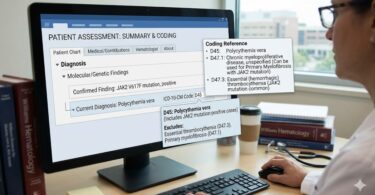
In the intricate world of modern healthcare, few documents hold as much power as the ICD-10-CM code. For the patient, it is an arcane cipher; for the clinician, a necessary administrative label; but for the medical coder, the financial department, and the healthcare system at large, it is the very lifeblood of data, reimbursement, and epidemiological tracking. Nowhere is this precision more critical than in the field of oncology, and within it, the complex and varied family of diseases known as lymphoma. A single alphanumeric character—the difference between C83.31 and C83.32—can paint a vastly different clinical picture, influencing treatment pathways, research cohorts, and hospital revenue.
This article is designed to be the definitive guide for medical coders, health information management (HIM) professionals, oncology billers, and students navigating the challenging terrain of ICD-10-CM codes for lymphoma. We will move beyond simple code lists and delve into the “why” behind the “what.” We will build a foundational understanding of lymphoma’s biology, deconstruct the logical architecture of the ICD-10-CM chapter on neoplasms, and walk through real-world coding scenarios. Our goal is to transform this complex task from a rote memorization exercise into a process of clinical reasoning and analytical precision, ensuring that every code assigned accurately reflects the patient’s journey and safeguards the integrity of the healthcare data ecosystem.
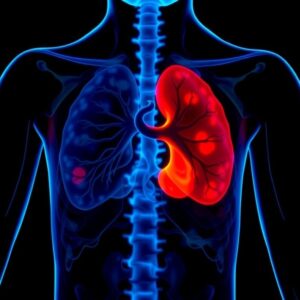
ICD-10-CM codes for lymphoma
Chapter 1: Demystifying ICD-10-CM – A Primer for Oncology Coding
Before we can code lymphoma, we must understand the language we are speaking. The International Classification of Diseases, Tenth Revision, Clinical Modification (ICD-10-CM) is a system of more than 70,000 codes used to report diagnoses and reasons for patient encounters in the United States.
The Structure and Logic of the Code Set
An ICD-10-CM code can be anywhere from three to seven characters long. The first character is always a letter, and the second through seventh characters are numbers. The structure is hierarchical:
-
Chapter: The first three characters (the “category”) define the general type of disease or injury. All lymphomas fall under Chapter 2: Neoplasms (C00-D49).
-
Etiology, Site, Severity: Characters four through six (the “subcategory” and “subclassification”) provide increasing levels of detail about the cause, anatomical site, severity, and other clinical specifics.
-
Extension: The seventh character is an extension used for certain categories to provide information about the encounter (e.g., initial, subsequent, sequela).
For neoplasms like lymphoma, the primary detail comes from the fourth, fifth, and sixth characters, which specify the exact histological type.
The Importance of Neoplasms Tables and the Alphabetic Index
A cardinal rule of ICD-10-CM coding is to always start with the Alphabetic Index. Never code directly from the Tabular List. The Alphabetic Index will guide you to the correct category. For neoplasms, there is a separate Table of Neoplasms at the back of the coding manual. This table is organized by anatomical site and allows you to cross-reference the site with the tumor’s morphology (malignant, benign, in situ, uncertain behavior, unspecified) to find the correct code range.
However, for lymphomas, which are systemic and not confined to a single organ, the Table of Neoplasms often directs you back to the primary codes in the C81-C96 range. The final code must always be verified in the Tabular List, where you will find crucial instructions, inclusions, exclusions, and guidance on using additional codes.
Chapter 2: A Clinical Foundation – Understanding Lymphoma Itself
You cannot accurately code a disease you do not understand. Lymphoma is not a single entity but a diverse group of blood cancers that originate in the lymphatic system.
What is Lymphoma? The Lymphatic System in Health and Disease
The lymphatic system is a network of tissues and organs (including lymph nodes, spleen, thymus, and bone marrow) that helps rid the body of toxins and waste. It circulates lymph, a fluid containing infection-fighting white blood cells called lymphocytes. Lymphoma begins when a lymphocyte (either a B-cell, T-cell, or NK-cell) undergoes a malignant change and starts to multiply uncontrollably. These cancerous lymphocytes collect in lymph nodes and other tissues, eventually forming tumors.
The Great Divide: Hodgkin Lymphoma (HL) vs. Non-Hodgkin Lymphoma (NHL)
The most fundamental distinction in lymphoma is between Hodgkin and Non-Hodgkin types. This distinction, established over a century ago, is based on the presence of a specific, abnormal cell called the Reed-Sternberg cell.
-
Hodgkin Lymphoma (HL): Characterized by the presence of Reed-Sternberg cells. It is less common than NHL, tends to spread in a more predictable, orderly fashion from one lymph node group to the next, and is often considered one of the most curable forms of cancer.
-
Non-Hodgkin Lymphoma (NHL): Defined by the absence of Reed-Sternberg cells. It is a vastly heterogeneous category encompassing over 60 different subtypes. NHL can arise from B-cells (~85-90% of cases) or T/NK-cells and has widely varying behaviors, treatment responses, and prognoses.
Staging and Prognosis: More Than Just a Number
Staging defines the extent of the cancer’s spread and is crucial for determining prognosis and treatment. The Lugano classification, modified from the Ann Arbor system, is most commonly used:
-
Stage I: Involvement of a single lymph node region or a single extralymphatic organ.
-
Stage II: Involvement of two or more lymph node regions on the same side of the diaphragm.
-
Stage III: Involvement of lymph node regions on both sides of the diaphragm.
-
Stage IV: Disseminated involvement of one or more extralymphatic organs (e.g., liver, bone marrow, lung).
Additionally, the letters “A” or “B” are added to indicate the absence (“A”) or presence (“B”) of systemic symptoms like fever, night sweats, and unexplained weight loss.
Important Note for Coders: While staging is critically important clinically, ICD-10-CM codes for lymphoma themselves do not specify the stage. The stage is a separate piece of clinical information. However, the type of lymphoma (e.g., indolent vs. aggressive) coded inherently relates to its typical behavior.
Chapter 3: Navigating the Core Codes – The C81-C96 Series
This is the heart of lymphoma coding. The codes C81 through C96 are where you will spend most of your time. Let’s break them down category by category.
C81: Hodgkin Lymphoma – A Study in Specificity
Hodgkin Lymphoma codes require a fifth character to specify the histologic subtype. This is a prime example of ICD-10-CM’s demand for clinical detail.
-
C81.0 – Nodular lymphocyte predominant Hodgkin lymphoma: A rare subtype with unique biological behavior and treatment.
-
C81.1 – Nodular sclerosis classical Hodgkin lymphoma: The most common subtype, often diagnosed in young adults.
-
C81.2 – Mixed cellularity classical Hodgkin lymphoma
-
C81.3 – Lymphocyte depleted classical Hodgkin lymphoma: A rare and aggressive subtype.
-
C81.4 – Lymphocyte-rich classical Hodgkin lymphoma
-
C81.7 – Other classical Hodgkin lymphoma
-
C81.9 – Hodgkin lymphoma, unspecified: This code should be used only when the pathology report does not specify the subtype. It is a “code of last resort.”
C82: Follicular Lymphoma – Grading Matters
Follicular lymphoma is a common indolent (slow-growing) B-cell NHL. The fifth character specifies the grade, which is a histological measure of aggressiveness.
-
C82.0 – Follicular lymphoma grade I: Grade 1, small cleaved cells.
-
C82.1 – Follicular lymphoma grade II: Grade 2, mixed small cleaved and large cells.
-
C82.2 – Follicular lymphoma grade III, unspecified: Grade 3, without a distinction between 3a and 3b.
-
C82.3 – Follicular lymphoma grade IIIa
-
C82.4 – Follicular lymphoma grade IIIb
-
C82.5 – Diffuse follicle center lymphoma
-
C82.6 – Cutaneous follicle center lymphoma
-
C82.8 – Other types of follicular lymphoma
-
C82.9 – Follicular lymphoma, unspecified
C83: Non-follicular NHL – A Morphological Deep Dive
This category is for various aggressive and indolent B-cell lymphomas that are not follicular. The fifth character is essential here.
-
C83.0 – Small cell B-cell lymphoma: Includes a type of indolent lymphoma.
-
C83.1 – Mantle cell lymphoma: An aggressive B-cell NHL with a distinct genetic abnormality.
-
C83.3 – Diffuse large B-cell lymphoma (DLBCL): The most common type of NHL overall. It is aggressive but often curable.
-
C83.5 – Lymphoblastic (diffuse) lymphoma: An aggressive lymphoma that can be of B-cell or T-cell origin.
-
C83.7 – Burkitt lymphoma: A highly aggressive B-cell NHL.
-
C83.8 – Other non-follicular lymphoma
-
C83.9 – Non-follicular lymphoma, unspecified
C84: Mature T/NK-cell Lymphomas – Rare but Critical
These lymphomas arise from T-cells or natural killer (NK) cells.
-
C84.0 – Mycosis fungoides: A lymphoma that primarily involves the skin.
-
C84.1 – Sézary disease: A leukemic variant of mycosis fungoides.
-
C84.4 – Peripheral T-cell lymphoma, not classified: A category for T-cell lymphomas that don’t fit into other specific subtypes.
-
C84.6 – Anaplastic large cell lymphoma, ALK-positive
-
C84.7 – Anaplastic large cell lymphoma, ALK-negative
C85: Other Specified and Unspecified Types of NHL – The Catch-All Categories
This category is for NHL types that don’t have their own specific category or when the type is not documented.
-
C85.2 – Mediastinal (thymic) large B-cell lymphoma
-
C85.8 – Other specified types of non-Hodgkin lymphoma
-
C85.9 – Non-Hodgkin lymphoma, unspecified: This is a high-level unspecified code. It should only be used when the medical record provides no detail beyond “NHL.” If the type is known (e.g., DLBCL), you must use the more specific code.
C91-C95: Leukemic Manifestations (e.g., CLL/SLL)
This is a critical area where understanding the disease pathology is paramount. Some lymphocytic cancers can present as both a solid tumor (lymphoma) and a liquid cancer (leukemia). The most classic example is Chronic Lymphocytic Leukemia (CLL) and Small Lymphocytic Lymphoma (SLL). They are considered the same disease, viewed through a different lens:
-
If the cancer is primarily in the blood and bone marrow, it is called CLL (C91.1).
-
If it is primarily in the lymph nodes as solid tumors, it is called SLL (C83.0).
The coding distinction is absolute. You would never code both for the same patient at the same time. The physician’s documentation and the pathology report will dictate which is the primary diagnosis.
Common Lymphoma Types and Their Corresponding ICD-10-CM Codes
| Lymphoma Type | Main Category/ICD-10-CM Code | Key Clinical / Coding Notes |
|---|---|---|
| Nodular Sclerosis Hodgkin | C81.1 | Most common HL subtype. |
| Follicular Lymphoma Grade 2 | C82.1 | Indolent NHL; coding requires grade from path report. |
| Diffuse Large B-Cell Lymphoma | C83.3 | Most common NHL overall; aggressive but potentially curable. |
| Mantle Cell Lymphoma | C83.1 | Aggressive B-cell NHL; often diagnosed at advanced stage. |
| Burkitt Lymphoma | C83.7 | Highly aggressive B-cell NHL; rapid growth. |
| Mycosis Fungoides | C84.0 | Primary cutaneous T-cell lymphoma. |
| Anaplastic Large Cell, ALK- | C84.7 | T-cell lymphoma; distinction between ALK+ and ALK- is critical. |
| Chronic Lymphocytic Leukemia | C91.1 | Code for leukemic presentation. Do not code with C83.0. |
| Small Lymphocytic Lymphoma | C83.0 | Code for solid tumor (nodal) presentation. Do not code with C91.1. |
| Non-Hodgkin Lymphoma, NOS | C85.9 | Use only if no further histologic specification is available. |
Chapter 4: Beyond the Primary Diagnosis – Essential Code Extensions and Modifiers
Assigning the correct base code is only half the battle. The context of the patient encounter is equally important.
The 6th Character: The Key to Clinical Detail
For most lymphoma codes in the C81-C86 and C90-C96 ranges, a 6th character is required to indicate the disease status. This is non-negotiable and a common source of errors.
-
0: Not having achieved remission: The patient has active disease. This is typically used for initial diagnosis or when treatment has not been successful.
-
1: In remission: There is no current evidence of the disease. The patient may still be on maintenance therapy or under surveillance.
-
2: In relapse: The disease has returned after a period of remission.
Example: A patient is seen for a follow-up after successful treatment for Diffuse Large B-Cell Lymphoma. A PET scan shows no evidence of disease. The correct code is C83.32 (Diffuse large B-cell lymphoma, in remission).
Code First, Use Additional Code, and Excludes Notes
The Tabular List is filled with instructional notes that guide proper coding.
-
Code first: This instructs you to sequence the underlying disease before its manifestation. For example, if a patient has lymphoma-related pneumonia, you would code the lymphoma first, then the pneumonia.
-
Use additional code: This tells you to add another code to provide a more complete picture. For instance, for many lymphomas, you may need to “Use additional code to identify: personal history of prolonged reversible ischemic neurologic deficit (PRIND) and cerebral infarction (Z86.73).” This is for data tracking of complications.
-
Excludes1: A pure “NOT CODED HERE” instruction. The two conditions cannot be billed together because they are mutually exclusive.
-
Excludes2: Means “not included here,” but the two conditions can be coded together if the patient truly has both.
Coding for Complications and Co-morbidities
Patients with lymphoma often have other related conditions that need to be coded. Common examples include:
-
Fever of Unknown Origin (R50.82): Often a “B symptom.”
-
Lymphadenopathy (R59.9): If the enlarged lymph node is the presenting symptom but a diagnosis has not yet been confirmed.
-
Neutropenia (D70.9): A common side effect of chemotherapy.
-
Anemia in neoplastic disease (D63.0): Anemia directly caused by the cancer.
Chapter 5: The Coding Workflow in Action – From Pathology Report to Final Claim
Let’s synthesize everything into a practical workflow.
Step 1: The Physician’s Clinical Diagnosis
The process begins with the physician’s suspicion based on symptoms (e.g., painless lymphadenopathy, B symptoms) and physical exam. At this pre-diagnosis stage, you might code symptoms like R59.9 (Enlarged lymph nodes).
Step 2: The Gold Standard – The Pathology Report
The definitive diagnosis of lymphoma always comes from a tissue biopsy, examined by a pathologist. The pathology report is the most important document for the coder. It will state:
-
The definitive diagnosis (e.g., “Nodular sclerosis classical Hodgkin lymphoma”).
-
The grade (for follicular lymphoma).
-
The cell of origin (B-cell, T-cell).
-
Other relevant biomarkers (e.g., ALK status).
Coder’s Action: Scrutinize the “Final Diagnosis” or “Impression” section of the pathology report.
Step 3: Abstracting and Assigning the Code
Using the pathology report:
-
Look up the main term in the Alphabetic Index (e.g., “Lymphoma, Hodgkin, nodular sclerosis”).
-
The index will direct you to C81.1-.
-
Go to the Tabular List at C81.1.
-
Note the requirement for a 5th character (already provided by the subcategory) and a 6th character.
-
Determine the 6th character based on the encounter documentation (e.g., is this the initial diagnosis? Use 0. Is the patient in remission? Use 1).
-
Assemble the final code: C81.10 for a new diagnosis of nodular sclerosis HL.
Step 4: Sequencing for Encounters
The primary reason for the encounter determines the first-listed (principal) diagnosis.
-
Initial Diagnosis Encounter: The lymphoma code is first-listed.
-
Chemotherapy Encounter: The lymphoma code is first-listed, followed by the Z51.11 code for “Encounter for antineoplastic chemotherapy.”
-
Encounter for Radiation: The lymphoma code is first-listed, followed by Z51.0.
-
Encounter for Follow-up in Remission: The lymphoma code (with 6th character 1) is first-listed.
Chapter 6: Common Pitfalls and How to Avoid Them
-
Pitfall 1: Confusing Lymphoma with Leukemia. As discussed with CLL/SLL, this is a fundamental error. Always verify the primary site of involvement. Is it nodal (lymphoma) or blood/bone marrow (leukemia)?
-
Pitfall 2: Misapplying “Unspecified” Codes. Using C85.9 (Unspecified NHL) when the type is known is inaccurate and can negatively impact reimbursement and data quality. Always dig for the specific type in the medical record. If it’s not there, a query to the physician may be necessary.
-
Pitfall 3: Overlooking the Status of the Disease. Forgetting the mandatory 6th character is a technical denial waiting to happen. Always double-check that your final code has the correct number of characters.
-
Pitfall 4: Coding “Rule Out” or “Suspected.” You cannot code a diagnosis that has not been confirmed. Code only the signs and symptoms until a definitive diagnosis is established.
Chapter 7: The Future of Coding – ICD-11 and Beyond
The World Health Organization has already released ICD-11, which represents a significant shift in structure. It incorporates a more detailed “stem code” and “extension code” model, allowing for even greater specificity, including direct integration of morphology codes from the International Classification of Diseases for Oncology (ICD-O). While the US has not yet set a timeline for transitioning to ICD-11, its structure promises to further align classification with modern molecular and genetic understanding of diseases like lymphoma, making the coder’s role even more integrated with clinical pathology.
Conclusion
Accurate ICD-10-CM coding for lymphoma is a complex but achievable task that hinges on a symbiotic relationship between clinical knowledge and coding expertise. It requires a diligent, multi-step process that begins with a thorough understanding of the disease pathology, relies heavily on the definitive pathology report, and culminates in the precise application of codes and modifiers that reflect the patient’s unique clinical status. By adhering to this rigorous methodology, coders ensure data integrity, support optimal patient care, and secure appropriate reimbursement, thereby fulfilling a vital role in the oncology care continuum.
Frequently Asked Questions (FAQs)
1. What is the single most important document for coding lymphoma?
The pathology report is the gold standard. The final diagnosis code must be based on the pathologist’s confirmed histological findings, not just the clinician’s preliminary notes.
2. What do I do if the physician’s documentation is conflicting or unclear?
If the documentation is ambiguous (e.g., the progress note says “DLBCL” but the most recent pathology says “Follicular lymphoma”), you must query the physician for clarification. Do not make assumptions.
3. How do I code a patient who has a history of lymphoma but was treated and is now cancer-free?
You would use the specific lymphoma code with the 6th character “1” (in remission). For example, C83.31 for DLBCL in remission. This indicates the history of the disease is relevant to the current encounter, but the disease itself is not active.
4. What is the difference between C85.8 and C85.9?
-
C85.8 (Other specified types of NHL) is used for a known subtype that does not have its own unique code in the C81-C86 range (e.g., some rare subtypes).
-
C85.9 (Unspecified NHL) is used only when the medical record provides no specific histological classification beyond “non-Hodgkin lymphoma.”
5. When should I use a code from the C7A-C7B categories for secondary neuroendocrine tumors?
These categories are for specific neuroendocrine tumors, not for lymphoma. Lymphomas have their own dedicated categories (C81-C96). Do not use C7A or C7B codes for lymphomatous conditions.
Additional Resources
-
The Official ICD-10-CM Guidelines for Coding and Reporting: Published annually by the CDC and CMS. This is the mandatory rulebook.
-
The American Cancer Society (ACS): Excellent for understanding the clinical aspects of different lymphoma types (www.cancer.org).
-
National Cancer Institute (NCI): Provides in-depth information on treatment, staging, and pathology.
-
World Health Organization (WHO) Classification of Tumours of Haematopoietic and Lymphoid Tissues (Blue Books): The international standard for the classification of lymphomas, used by pathologists worldwide.
-
American Health Information Management Association (AHIMA): Offers coding guidelines, best practices, and continuing education for HIM professionals.
-
American Academy of Professional Coders (AAPC): Provides certification, training, and resources for medical coders, including specialty tracks for oncology.
Date: October 11, 2025
Author: The Medical Coding Specialist Team
Disclaimer: The information contained in this article is for educational and informational purposes only and is not intended as a substitute for professional medical coding advice, diagnosis, or treatment. Always seek the advice of your facility’s coding manager, certified professional coders, or consulting physicians regarding specific medical conditions or coding questions. The codes and guidelines referenced are based on the current year’s coding manual and are subject to change. Reliance on any information provided in this article is solely at your own risk.