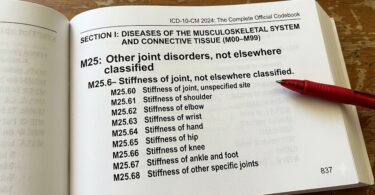
Neuropathy, in its myriad forms, represents a silent epidemic affecting millions worldwide. It is not a single disease but a vast umbrella term for conditions resulting from damage or dysfunction to one or more nerves. The symptoms—burning pain, tingling, numbness, and weakness—can be debilitating, robbing individuals of their quality of life, sleep, and even their ability to perform simple daily tasks. Behind every patient’s struggle with neuropathy lies a complex clinical narrative that must be accurately translated into a universal language understood by insurers, researchers, and public health officials. This language is the International Classification of Diseases, Tenth Revision, Clinical Modification (ICD-10-CM).
For healthcare providers, medical coders, and billers, mastering the ICD-10 coding for neuropathy is not merely an administrative task; it is a critical component of patient care. Accurate coding ensures appropriate reimbursement, facilitates crucial research into disease patterns and treatments, and contributes to the integrity of a patient’s medical record. However, the path to the correct code is often a labyrinthine one. The ICD-10-CM system demands a level of specificity that can be daunting. Is the neuropathy diabetic or alcoholic? Is it a polyneuropathy affecting multiple nerves or a mononeuropathy affecting a single nerve? Is it hereditary, idiopathic, or induced by a toxin?
This comprehensive guide is designed to be your definitive roadmap through this labyrinth. We will move beyond simple code lists and delve into the anatomical, physiological, and clinical reasoning that underpins accurate neuropathy coding. From the broad category of polyneuropathies to the precise location of a single compressed nerve, we will explore the nuances of the ICD-10-CM system, empowering you with the knowledge to translate complex clinical documentation into precise, compliant, and meaningful codes. This is more than a coding manual; it is a deep dive into the intersection of clinical medicine and health information management.

ICD-10 Codes for Neuropathy
Chapter 1: Understanding the Foundation – What is Neuropathy?
Before a single code can be assigned, a fundamental understanding of the condition is paramount. Neuropathy, or peripheral neuropathy, signifies damage to the peripheral nervous system—the vast communication network that transmits information between the central nervous system (the brain and spinal cord) and every other part of the body.
The Anatomy of a Nerve: A Primer for Coders
A peripheral nerve is akin to a complex electrical cable. The axon is the central wire, conducting electrical impulses. This axon is insulated by a fatty substance called myelin, which speeds up signal transmission. The entire nerve is wrapped in a protective sheath called the endometrium, and bundles of nerves are grouped together by the perineurium and epineurium. Damage to any of these components—the axon (axonal neuropathy), the myelin sheath (demyelinating neuropathy), or the blood vessels supplying the nerve—can lead to neuropathy. The type of damage often influences the clinical presentation and, consequently, the diagnostic path.
Classifying Neuropathy: Type, Cause, and Location
The classification of neuropathy is a three-dimensional puzzle, and ICD-10-CM coding requires pieces from each dimension. The three primary axes of classification are:
-
Distribution (Location):
-
Polyneuropathy: The most common form, where multiple peripheral nerves throughout the body are affected, typically in a symmetrical pattern. It often starts in the feet and hands (a “stocking-and-glove” distribution).
-
Mononeuropathy: Involvement of a single peripheral nerve. Carpal tunnel syndrome (median nerve) is a classic example.
-
Mononeuritis Multiplex: The simultaneous or sequential damage to two or more individual nerves in different areas of the body.
-
Radiculopathy: Damage or compression of a nerve root as it exits the spinal cord.
-
-
Etiology (Cause): This is the “why” of the neuropathy and is central to ICD-10 specificity.
-
Metabolic: Diabetes mellitus, hypothyroidism, uremia.
-
Toxic: Alcohol, chemotherapy drugs, heavy metals.
-
Hereditary: Charcot-Marie-Tooth disease.
-
Inflammatory/Autoimmune: Guillain-Barré syndrome, Chronic Inflammatory Demyelinating Polyneuropathy (CIDP), vasculitis.
-
Infectious: Lyme disease, HIV, shingles (Herpes Zoster).
-
Compressive/Entrapment: Pressure on a nerve from surrounding tissues.
-
Paraneoplastic: Caused by a remote effect of cancer.
-
Nutritional Deficiency: B12, B1 (thiamine), or vitamin E deficiency.
-
-
Fiber Type Affected:
-
Sensory Nerves: Carry sensations like touch, temperature, and pain. Damage leads to numbness, tingling, and pain.
-
Motor Nerves: Control muscle movement. Damage leads to weakness, cramping, and atrophy.
-
Autonomic Nerves: Regulate involuntary bodily functions like blood pressure, heart rate, digestion, and bladder control. Damage leads to dizziness, digestive issues, and sexual dysfunction.
-
A clinician’s diagnosis, and thus the coder’s challenge, is to integrate these three axes. For example, a diagnosis of “symmetric sensory-motor polyneuropathy due to uncontrolled type 2 diabetes” provides all the necessary elements for a highly specific ICD-10 code.
Chapter 2: The ICD-10 Coding System – A Primer for Precision
The transition from ICD-9 to ICD-10 represented a quantum leap in specificity. ICD-10-CM contains over 70,000 codes compared to approximately 14,000 in ICD-9-CM. This expansion was designed to capture detailed clinical information that was previously lost.
Beyond Diagnosis: The Purpose and Power of ICD-10
ICD-10 codes are used for a multitude of critical purposes:
-
Reimbursement: They form the foundation of medical billing, justifying the medical necessity of services provided to payers.
-
Epidemiology and Public Health: They track the incidence and prevalence of diseases, identify outbreaks, and inform public health policy and resource allocation.
-
Clinical Research: They help researchers identify patient populations for clinical trials and study treatment outcomes and disease progression.
-
Quality Measurement: They are used to assess the quality and efficiency of healthcare delivery.
Navigating the Tabular List and Alphabetic Index
The ICD-10-CM manual is composed of two main sections:
-
The Alphabetic Index: An alphabetical list of terms and their corresponding codes. This is the starting point for coding, but it is never the final destination.
-
The Tabular List: A structured, numerical list of codes divided into chapters based on body system or disease type. Official coding guidelines mandate that you always verify the code in the Tabular List. The Tabular List contains essential instructional notes, inclusion and exclusion terms, and requirements for additional characters that are not present in the Index.
For neuropathy, the most relevant chapters are:
-
Chapter 6: Diseases of the Nervous System (G00-G99): This is the primary home for most neuropathy codes (e.g., G62 for polyneuropathies, G56-G58 for mononeuropathies).
-
Chapter 4: Endocrine, Nutritional, and Metabolic Diseases (E00-E89): This is where you find the codes for the underlying cause, such as diabetes (E08-E13), which must often be used in conjunction with a neuropathy code.
-
Chapter 20: External Causes of Morbidity (V00-Y99): Used to specify the cause of an injury, such as the mechanism of a traumatic nerve injury.
Chapter 3: The Core of the Matter – A Deep Dive into G62 (Other Polyneuropathies)
Category G62, “Other Polyneuropathies,” is a frequently used category that captures polyneuropathies where the cause is known or specified, but doesn’t have its own unique category elsewhere.
G62.0 – Drug-Induced Polyneuropathy
This code is used when a medication is identified as the causative agent. The drug itself is not coded here but can be captured with a supplementary code from the T36-T50 series (with fifth or sixth character 5) to identify the adverse effect.
-
Clinical Context: Common culprits include certain chemotherapy agents (e.g., cisplatin, vincristine), antibiotics (e.g., metronidazole, isoniazid), antiretrovirals, and amiodarone. Documentation must clearly link the neuropathy to the drug.
-
Coding Note: The official ICD-10-CM guideline I.C.19.e.5 states that for adverse effects, the drug code is sequenced after the code for the nature of the adverse effect. Therefore, the sequence would be G62.0, followed by the code for the adverse drug.
G62.1 – Alcoholic Polyneuropathy
This code is used for polyneuropathy specifically attributed to chronic, excessive alcohol consumption. Alcohol is a direct neurotoxin and can also cause nutritional deficiencies that contribute to nerve damage.
-
Clinical Context: Typically presents as a symmetric, sensory-predominant polyneuropathy in the lower limbs.
-
Coding Note: If the documentation also specifies alcohol dependence or abuse, an additional code from category F10 should be used. The neuropathy code (G62.1) remains the primary diagnosis.
G62.2 – Polyneuropathy Due to Other Toxic Agents
This code is a catch-all for toxic neuropathies not caused by drugs or alcohol. This includes exposure to heavy metals (lead, arsenic, mercury), industrial solvents, and other chemicals.
-
Coding Note: An additional code from category T51-T65 is required to identify the toxic agent.
G62.8 – Other Specified Polyneuropathies
This subcategory is for other specific types of polyneuropathy that don’t have their own unique code.
-
G62.81 – Critical Illness Polyneuropathy (CIP): Often develops in patients in the intensive care unit (ICU) with sepsis and multiple organ failure.
-
G62.82 – Radiation-induced Polyneuropathy: A late effect of radiation therapy.
G62.9 – Polyneuropathy, Unspecified
This is the code to use when the medical record documents “polyneuropathy” without any specification regarding its cause. While it is a valid code, it is non-specific and often leads to payment and data integrity issues. Its use should be minimized through effective physician communication and query processes.
Chapter 4: The Diabetic Dilemma – Coding E11.42 and its Companions
Diabetes mellitus is the leading cause of polyneuropathy in the developed world. ICD-10-CM handles diabetic neuropathies with a high degree of specificity within the diabetes codes themselves (Chapter 4), rather than in the nervous system chapter (Chapter 6).
The Crucial Distinction: Diabetic Polyneuropathy vs. Mononeuropathy
This is a critical distinction for coders:
-
Diabetic Polyneuropathy (E11.42): This code is used for the common, diffuse, symmetric nerve damage affecting the extremities. It is found under the codes for Type 2 diabetes (E11), with the fifth character “4” indicating neurological complications, and the sixth character “2” specifying polyneuropathy. Similar codes exist for type 1 diabetes (E10.42) and other specific types of diabetes.
-
Diabetic Mononeuropathy (E11.41): This code is used when diabetes is implicated in the damage to a single, specific nerve (e.g., diabetic third nerve palsy). The code from the E11.4 category covers the diabetic causation. You do not code an additional code from the G56-G58 series. The mononeuropathy is inherent in the diabetic complication code.
Sequencing and Combination Coding with Diabetes
The code E11.42 (or E10.42) is a combination code. It identifies both the disease (diabetes) and one of its manifestations (polyneuropathy). Therefore, only one code is necessary. You would not also assign G62.9 or any other nervous system code for the same condition.
Example: A patient with Type 2 diabetes presents with bilateral numbness and burning in their feet, diagnosed as diabetic peripheral polyneuropathy.
-
Correct Code: E11.42 (Type 2 diabetes mellitus with diabetic polyneuropathy)
-
Incorrect: E11.9 and G62.9 (This incorrectly separates the condition and uses an unspecified code).
Chapter 5: Focal and Complex Presentations – Mononeuropathies (G56-G58)
When nerve damage is isolated to a single nerve, the coding shifts to categories G56 (upper limb), G57 (lower limb), and G58 (other mononeuropathies). A key feature of these categories is the requirement for laterality.
Upper Limb Mononeuropathies (G56)
-
G56.0- – Carpal Tunnel Syndrome: This is an entrapment of the median nerve at the wrist. Codes require a 5th digit to specify laterality.
-
G56.01 – Right
-
G56.02 – Left
-
G56.03 – Bilateral
-
-
G56.1- – Other Lesions of Median Nerve: For median nerve compressions not at the wrist (e.g., pronator teres syndrome).
-
G56.2- – Lesion of Ulnar Nerve: e.g., compression at the elbow (cubital tunnel syndrome).
-
G56.3- – Lesion of Radial Nerve: e.g., “Saturday night palsy” from compression in the arm.
Lower Limb Mononeuropathies (G57)
-
G57.1- – Meralgia Paresthetica: Entrapment of the lateral femoral cutaneous nerve, causing numbness and pain in the outer thigh.
-
G57.3- – Lesion of Sciatic Nerve
-
G57.4- – Causalgia of Lower Limb: A complex regional pain syndrome type II.
-
G57.5- – Tarsal Tunnel Syndrome: Entrapment of the posterior tibial nerve in the foot.
-
G57.6- – Lesion of Plantar Nerve: e.g., Morton’s neuroma.
Other Mononeuropathies (G58)
-
G58.7 – Mononeuritis Multiplex
-
G58.8 – Other Specified Mononeuropathies: e.g., intercostal neuropathy.
-
G58.9 – Mononeuropathy, Unspecified
Chapter 6: Hereditary and Idiopathic Neuropathies (G60)
This category covers neuropathies that are inherited or have no known cause (idiopathic).
G60.0 – Hereditary Motor and Sensory Neuropathy (HMSN)
This is the ICD-10 code for Charcot-Marie-Tooth (CMT) disease, the most common inherited neurological disorder. It encompasses a group of disorders affecting the motor and sensory nerves.
G60.1 – Refsum’s Disease
A rare genetic disorder characterized by the accumulation of phytanic acid, leading to polyneuropathy, among other symptoms.
G60.3 – Idiopathic Progressive Neuropathy
Used for neuropathies that are progressive in nature and for which all known causes have been ruled out.
Chapter 7: Disorders of the Autonomic Nervous System (G90)
When neuropathy affects the autonomic nerves, coding moves to category G90.
G90.4 – Autonomic Dysreflexia
This is a potentially life-threatening condition that occurs in individuals with spinal cord injuries, typically above the T6 level. It involves an uncontrolled sympathetic nervous system response to a noxious stimulus below the level of injury, leading to severe hypertension.
Chapter 8: The Importance of Etiology – Linking Neuropathy to its Root Cause
Often, the most accurate coding involves using a code from Chapter 6 for the neuropathy itself and an additional code to describe the underlying disease. This is a fundamental concept in ICD-10.
Examples:
-
Neuropathy in Malignancy: A patient with lung cancer develops a paraneoplastic sensory neuropathy.
-
Code 1: G63.1 (Polyneuropathy in neoplastic disease)
-
Code 2: C34.90 (Malignant neoplasm of bronchus or lung, unspecified)
-
-
Neuropathy due to B12 Deficiency:
-
Code 1: G63.4 (Polyneuropathy in diseases classified elsewhere)
-
Code 2: D51.9 (Vitamin B12 deficiency anemia, unspecified)
-
-
Neuropathy in Lupus:
-
Code 1: G63.5 (Polyneuropathy in systemic connective tissue disorders)
-
Code 2: M32.9 (Systemic lupus erythematosus, unspecified)
-
Chapter 9: The Art of Specificity – Documentation Requirements for Accurate Coding
The coder is entirely dependent on the quality of the clinician’s documentation. Vague terms lead to unspecified codes, which are clinically and financially suboptimal.
The Physician’s Role: Providing a “Codeable” Diagnosis
Ideal documentation should answer:
-
Type: Polyneuropathy, mononeuropathy, radiculopathy?
-
Etiology: Diabetic, alcoholic, toxic, hereditary, idiopathic?
-
Location/Specific Nerve: For mononeuropathies, which nerve? (e.g., left median nerve).
-
Laterality: Right, left, or bilateral?
-
Temporal Factors: Acute, chronic, progressive?
A query process is essential if documentation is unclear.
Chapter 10: Practical Coding Scenarios – From Clinical Notes to Final Codes
Let’s apply our knowledge to real-world examples.
Scenario 1: The Patient with Uncontrolled Diabetes and Foot Numbness
-
Clinical Note: “Patient with long-standing, uncontrolled Type 2 diabetes presents for follow-up. Reports progressive, symmetric numbness and burning pain in both feet for the past year. Diagnosis: Diabetic symmetric sensory polyneuropathy.”
-
Analysis: The cause is diabetes, the type is polyneuropathy. This is a classic case for a combination code from the E11 series.
-
Final Codes: E11.42 (Type 2 diabetes mellitus with diabetic polyneuropathy). Also, E11.65 (Type 2 diabetes with hyperglycemia) if documented as uncontrolled.
Scenario 2: The Factory Worker with Wrist Pain
-
Clinical Note: “Patient is a 45-year-old assembly line worker with several months of right-hand pain, numbness, and tingling in the thumb, index, and middle fingers, worse at night. EMG/NCS confirms moderate right carpal tunnel syndrome.”
-
Analysis: This is a mononeuropathy of the upper limb. The specific nerve is the median nerve at the wrist. Laterality is clearly stated as right.
-
Final Code: G56.01 (Carpal tunnel syndrome, right upper limb).
Scenario 3: The Post-Chemotherapy Patient with Tingling Hands and Feet
-
Clinical Note: “Patient status post 6 cycles of oxaliplatin for colon cancer now presents with complaints of persistent ‘pins and needles’ sensation in both hands and feet. Diagnosed with chemotherapy-induced peripheral neuropathy.”
-
Analysis: The cause is clearly a drug. The distribution is symmetric (hands and feet), indicating polyneuropathy.
-
Final Codes: G62.0 (Drug-induced polyneuropathy). T45.1X5A (Adverse effect of antineoplastic and immunosuppressive drugs, initial encounter). C18.9 (Malignant neoplasm of colon, unspecified).
Scenario 4: The Patient with a Family History of Foot Deformities
-
Clinical Note: “Young adult patient with pes cavus (high arches) and bilateral foot drop. Family history is positive for similar problems in father. Genetic testing confirms Charcot-Marie-Tooth disease, type 1A.”
-
Analysis: This is a classic hereditary motor and sensory neuropathy.
-
Final Code: G60.0 (Hereditary motor and sensory neuropathy).
Chapter 11: The Future of Coding – A Glimpse at ICD-11
The World Health Organization (WHO) has already released ICD-11, which offers even greater detail and a more logical, digital-friendly structure. While the US has not yet set a timeline for adoption, understanding its direction is valuable.
In ICD-11, neuropathies are primarily found in the “Diseases of the nervous system” chapter. The coding structure allows for more granular specification of etiology, topography, and severity in a single code string. For example, the coding for a diabetic polyneuropathy will be more seamlessly integrated, reflecting a more modern understanding of disease classification.
Chapter 12: Essential Tables for Neuropathy Coding
Common Neuropathy Codes by Etiology
| Etiology | Clinical Example | Primary ICD-10 Code | Additional Code(s) (if required) |
|---|---|---|---|
| Diabetes | Diabetic peripheral neuropathy | E11.42 (Type 2) | E11.65 (if uncontrolled) |
| Alcohol | Alcoholic polyneuropathy | G62.1 | F10.20 (Alcohol dependence) |
| Drugs | Chemotherapy-induced neuropathy | G62.0 | T45.1X5A (Adverse effect) |
| Toxins | Lead poisoning neuropathy | G62.2 | T56.0X5A (Toxic effect of lead) |
| Hereditary | Charcot-Marie-Tooth disease | G60.0 | – |
| Idiopathic | Chronic idiopathic axonal polyneuropathy | G60.9 or G62.9 | – |
| Compression | Carpal Tunnel Syndrome (Right) | G56.01 | – |
| Autoimmune | CIDP | G61.81 | – |
| Infection | HIV Polyneuropathy | G63.3 | B20 (HIV) |
| Nutritional | B12 Deficiency Neuropathy | G63.4 | D51.9 (B12 deficiency) |
Conclusion: Mastering the Maze
Accurate ICD-10 coding for neuropathy is a multifaceted process that hinges on a deep understanding of both clinical medicine and coding guidelines. It requires moving from a generic symptom to a specific, etiologically-defined diagnosis. The path to precision is paved with clear clinical documentation, a meticulous approach to the Tabular List, and a commitment to capturing the full clinical picture through combination coding and the use of additional codes. By mastering this complex interplay, healthcare professionals ensure not only financial integrity but also contribute to the rich data ecosystem that drives modern medicine forward, ultimately leading to better care for the millions affected by neuropathy.
Frequently Asked Questions (FAQs)
1. What is the difference between G62.9 (Polyneuropathy, unspecified) and E11.42 (Diabetic polyneuropathy)?
G62.9 is a non-specific code used when the cause of the polyneuropathy is unknown or not stated in the medical record. E11.42 is a combination code that is used only when the polyneuropathy is explicitly documented as being caused by diabetes. E11.42 is always preferred when the documentation supports it.
2. When do I use a code from Chapter 6 (G codes) vs. a code from Chapter 4 (E codes) for neuropathy?
Use a code from Chapter 4 (the E code) when the neuropathy is a direct complication of a metabolic disease like diabetes. The E code acts as a combination code. Use a code from Chapter 6 (the G code) for all other neuropathies (e.g., hereditary, toxic, idiopathic), and often you will need to use an additional E code to specify the underlying cause (e.g., E51.11 for Wernicke’s encephalopathy with neuropathy).
3. How do I code a patient with both diabetic polyneuropathy and carpal tunnel syndrome?
You would code both conditions. The diabetic polyneuropathy is coded with E11.42. The carpal tunnel syndrome, which is a separate mononeuropathy (even if it can be associated with diabetes), is coded with the appropriate code from the G56.0- series, specifying laterality. You would not use E11.41 for the carpal tunnel unless the documentation specifically states it is a diabetic mononeuropathy of the median nerve, which is a different clinical entity from typical compressive carpal tunnel.
4. What does “unspecified” mean in ICD-10, and when is it acceptable to use?
“Unspecified” is a valid code designation used when the information in the medical record is insufficient to assign a more specific code. It is acceptable to use when the clinician’s documentation does not provide details on the type, cause, or laterality of the condition. However, its overuse is discouraged as it provides poor data for reimbursement and research. A clinical query to the provider is the best practice to obtain more specific information.
5. Do I always need to code laterality for mononeuropathies?
Yes. The codes in categories G56 (upper limb) and G57 (lower limb) require a 5th character to specify right, left, or bilateral. If the documentation does not specify laterality, you must use the code for “unspecified side,” but this is less ideal. Querying the provider for clarification is the recommended course of action.
Additional Resources
-
Centers for Medicare & Medicaid Services (CMS) ICD-10-CM Official Guidelines for Coding and Reporting: The definitive source for coding rules and conventions.
-
American Health Information Management Association (AHIMA): Offers a wealth of resources, articles, and practice briefs on coding and clinical documentation improvement.
-
American Academy of Neurology (AAN): Provides clinical practice guidelines and definitions for various neurological disorders, including neuropathies.
-
National Institute of Neurological Disorders and Stroke (NINDS) – Peripheral Neuropathy Information Page: An excellent resource for understanding the clinical aspects of neuropathy.
Date: October 14, 2025
Author: The Health Informatics Team
Disclaimer: The information contained in this article is for educational and informational purposes only and is not intended as a substitute for professional medical advice, diagnosis, or treatment. Always seek the advice of your physician or other qualified health provider with any questions you may have regarding a medical condition or treatment, and before undertaking a new health care regimen. Never disregard professional medical advice or delay in seeking it because of something you have read in this article. The author and publisher are not responsible for any errors or omissions or for any consequences from the application of the information presented.