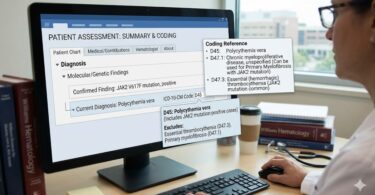
In the intricate ecosystem of modern healthcare, the urinalysis stands as one of the most fundamental, non-invasive, and diagnostically powerful tools available to clinicians. For centuries, the simple act of examining urine has provided a window into the body’s inner workings, revealing secrets about metabolic function, renal health, infectious processes, and systemic disease. Yet, in today’s data-driven and reimbursement-dependent medical landscape, the clinical value of a urinalysis is only fully realized when it is paired with an equally precise administrative action: accurate medical coding.
The International Classification of Diseases, Tenth Revision, Clinical Modification (ICD-10-CM) is the lingua franca of diagnosis in the United States healthcare system. Every test ordered, every procedure performed, and every service rendered must be justified by a corresponding ICD-10 code that demonstrates medical necessity. For a seemingly straightforward test like a urinalysis, the coding can be deceptively complex. Is the test part of a routine physical? Is it investigating a patient’s complaint of burning pain? Is it monitoring a known condition like diabetes or kidney stones? Each of these scenarios demands a different, highly specific code.
This comprehensive guide is designed to demystify the process of ICD-10 coding for urinalysis. We will journey from the basic components of the test itself, through the labyrinthine structure of the ICD-10-CM manual, and into the practical application of codes for a wide array of clinical situations. Our goal is to equip medical coders, billers, practice managers, and even clinicians with the knowledge to ensure that every urinalysis ordered is accurately and compliantly coded, thereby safeguarding revenue cycles, supporting quality patient care, and fulfilling the stringent requirements of payers and auditors.
ICD-10 Code for Urinalysis
2. Understanding the Fundamentals: What is a Urinalysis?
Before a single code can be assigned, it is imperative to understand what a urinalysis entails. It is not a single test but rather a panel of tests that provides a comprehensive overview of the patient’s urinary and systemic health.
2.1. The Three Pillars of Urinalysis: Physical, Chemical, and Microscopic Examination
A complete urinalysis typically consists of three distinct parts:
-
Physical Examination: This assesses the urine’s gross characteristics.
-
Color: Normal urine is pale yellow (straw) to amber. Abnormal colors (e.g., red, brown, blue-green) can indicate blood, bile pigments, medications, or infection.
-
Clarity/Turbidity: Normal urine is clear. Cloudiness may suggest the presence of bacteria, white blood cells, red blood cells, or crystals.
-
Specific Gravity: This measures the concentration of particles in the urine, reflecting the kidney’s ability to concentrate or dilute urine.
-
-
Chemical Examination (Dipstick): This is performed using a reagent strip dipped into the urine sample, providing rapid, semi-quantitative results for several analytes.
-
pH: Measures acidity or alkalinity.
-
Protein (Albumin): Normally absent; its presence (proteinuria) can indicate kidney damage.
-
Glucose: Normally absent; its presence (glycosuria) is a classic sign of diabetes mellitus.
-
Ketones: Byproducts of fat metabolism; their presence (ketonuria) can indicate diabetic ketoacidosis or starvation.
-
Blood (Hemoglobin): Can indicate hematuria (intact red blood cells) or hemoglobinuria.
-
Leukocyte Esterase: An enzyme present in white blood cells (WBCs); a positive test suggests pyuria (WBCs in urine) and a possible infection.
-
Nitrite: Many gram-negative bacteria convert nitrates to nitrites; a positive test suggests bacteriuria.
-
Bilirubin and Urobilinogen: Relate to liver function and bile duct obstruction.
-
-
Microscopic Examination: This is often performed if the physical or chemical examination is abnormal. The urine is centrifuged, and the sediment is examined under a microscope to identify and quantify:
-
Red Blood Cells (RBCs): Hematuria.
-
White Blood Cells (WBCs): Pyuria.
-
Casts: Cylindrical structures formed in the kidney tubules, which can indicate renal pathology (e.g., hyaline casts, granular casts, RBC casts).
-
Crystals: Can be normal or indicate a predisposition to kidney stones.
-
Epithelial Cells: A few are normal; large numbers may suggest inflammation or tubular injury.
-
Bacteria and Yeast: Indicative of infection.
-
2.2. Clinical Indications: Why is a Urinalysis Ordered?
Understanding the reason for the test is the cornerstone of accurate ICD-10 coding. Common indications include:
-
Screening: As part of a routine physical exam, prenatal check-up, or pre-operative workup.
-
Diagnosis: To investigate symptoms such as dysuria (painful urination), frequency, urgency, flank pain, or unexplained fever.
-
Monitoring: To track the progress of a known disease (e.g., diabetes, hypertension, kidney disease) or the response to treatment (e.g., for a urinary tract infection).
-
Detection: To identify asymptomatic conditions, such as microalbuminuria in a diabetic patient.
3. The Architecture of ICD-10-CM: A Primer for Urinalysis Coding
The ICD-10-CM code set is a highly structured, hierarchical system. Codes are alphanumeric, ranging from 3 to 7 characters. The more characters, the more specific the diagnosis.
3.1. The Alphabetic Index and Tabular List: Your Navigational Tools
Proper coding requires a two-step process:
-
Alphabetic Index: Begin by looking up the main term (e.g., “Urinalysis,” “Hematuria,” “Cystitis”) in the index. This will provide a provisional code.
-
Tabular List: You must always verify the code in the Tabular List. The Tabular List contains official conventions, instructions, inclusions, exclusions, and guidance on required additional characters. Never code directly from the index.
3.2. The Importance of Code Specificity and Laterality
ICD-10-CM demands a level of detail that was not required in its predecessor, ICD-9-CM. For urinalysis-related conditions, this often means specifying:
-
Laterality: Is the condition in the right kidney, left kidney, or both? (e.g., for calculi).
-
Acute vs. Chronic: Is the condition a new onset or long-standing? (e.g., for kidney failure).
-
With or Without Complications: (e.g., for diabetes).
Failure to code to the highest level of specificity will result in claim denials.
4. Navigating the R-Code Family: Encounter for Examination (Z00-Z01)
When a urinalysis is performed as part of a general screening or routine examination without any specific symptoms or known disease, the codes from the Z00-Z01 chapter are appropriate. These codes describe the “reason for the encounter,” not a diagnosis.
4.1. Z00.1-: The Routine Health Check-up for Pediatric and Adult Patients
This code series is used for encounters for routine examinations without complaints or suspected diagnoses.
-
Z00.00: Encounter for general adult medical examination without abnormal findings.
-
Z00.01: Encounter for general adult medical examination with abnormal findings.
-
Z00.121: Encounter for routine child health examination with abnormal findings.
-
Z00.129: Encounter for routine child health examination without abnormal findings.
Crucial Note: The “with abnormal findings” designation is used when an unrelated, newly discovered condition is identified during the examination. The abnormal urinalysis result itself is not coded with the Z00.01 or Z00.121. Instead, you would code the Z00.01 (to represent the reason for the encounter) and then add a secondary code from the R80-R82 series (e.g., R80.9 Proteinuria, unspecified) to represent the specific abnormal finding.
4.2. Z01.4-: The Encounter for Specific Special Examinations
This code is used when the urinalysis is the primary purpose of the encounter, but it is a routine screening, not prompted by symptoms.
-
Z01.41: Encounter for routine gynecological examination.
-
Z01.419: Encounter for routine gynecological examination, unspecified.
-
Z01.42: Encounter for routine hearing examination.
-
Z01.43: Encounter for routine examination of eyes and vision.
-
Z01.89: Encounter for other specified special examinations. This is a common code for a pre-employment or insurance physical where a urinalysis is the only test required.
5. Coding for Symptoms, Signs, and Abnormal Findings: The R-Code Pathway
When a patient presents with symptoms that prompt the ordering of a urinalysis, the symptom codes from Chapter 18 of ICD-10-CM (Symptoms, Signs, and Abnormal Clinical and Laboratory Findings) are the primary codes. These are used when a definitive diagnosis has not yet been established.
5.1. R30.-: Pain Associated with Micturition
-
R30.0: Dysuria – Painful or difficult urination. This is the classic symptom of a UTI.
-
R30.1: Vesical tenesmus – The feeling of incomplete bladder emptying and persistent desire to void.
-
R30.9: Painful micturition, unspecified.
5.2. R31.-: Hematuria – Gross, Microscopic, and Unspecified
Hematuria is a common finding that requires careful coding.
-
R31.0: Gross hematuria – Blood in the urine visible to the naked eye.
-
R31.1: Benign essential microscopic hematuria – This is a diagnosis of exclusion.
-
R31.2- : Other microscopic hematuria. This requires a 5th digit to specify laterality.
-
R31.21: Asymptomatic microscopic hematuria
-
R31.29: Other microscopic hematuria
-
-
R31.9: Hematuria, unspecified.
5.3. R32: Urinary Incontinence – A Spectrum of Presentations
While not always the primary reason for a urinalysis, incontinence can be investigated with the test to rule out infection or other causes.
-
R32: Urinary incontinence, unspecified. Note: There are more specific codes for stress incontinence (N39.3), urge incontinence (N39.41), etc., which should be used if documented.
5.4. R35.-: Polyuria – Excessive Urine Output
This can be a sign of diabetes, diabetes insipidus, or renal disease.
-
R35.0: Frequency of micturition
-
R35.1: Nocturia – Waking at night to urinate.
-
R35.8: Other polyuria
5.5. R39.1-: Other Difficulties with Micturition
-
R39.11: Hesitancy of micturition
-
R39.12: Poor urinary stream
-
R39.13: Splitting of urinary stream
-
R39.14: Feeling of incomplete bladder emptying
-
R39.15: Urgency of urination
-
R39.19: Other difficulties with micturition
5.6. R80-R82: Abnormal Findings on Urine Examination
This is a critical category for coding the results of a urinalysis when they are found incidentally or when monitoring a condition.
-
R80.-: Proteinuria
-
R80.0: Isolated proteinuria
-
R80.1: Persistent proteinuria
-
R80.2: Orthostatic proteinuria
-
R80.3: Bence Jones proteinuria
-
R80.8: Other proteinuria
-
R80.9: Proteinuria, unspecified
-
-
R81: Glycosuria – The presence of glucose in the urine.
-
R82.-: Other abnormal findings in urine
-
R82.0: Chyluria (chyle in urine)
-
R82.1: Myoglobinuria
-
R82.2: Biliuria
-
R82.3: Hemoglobinuria
-
R82.4: Acetonuria (Ketones in urine)
-
R82.5: Elevated urine levels of drugs, medicaments, and biological substances
-
R82.6: Abnormal urine levels of substances chiefly nonmedicinal as to source
-
R82.7: Abnormal findings on microbiological examination of urine (e.g., positive culture)
-
R82.8: Abnormal findings on cytological and histological examination of urine
-
R82.9: Other and unspecified abnormal findings in urine (e.g., abnormal odor, specific gravity)
-
6. Coding for Confirmed Diagnoses: The Disease-Specific Pathway
Once a definitive diagnosis is established based on the urinalysis and other clinical findings, the symptom code (R-code) is typically replaced by the diagnosis code.
6.1. N10-N12, N30-N39: Urinary Tract Infections (UTIs) and Cystitis
This is one of the most common diagnoses associated with urinalysis.
-
N10: Acute tubulo-interstitial nephritis (often used for acute pyelonephritis)
-
N11.-: Chronic tubulo-interstitial nephritis (chronic pyelonephritis)
-
N12: Tubulo-interstitial nephritis, not specified as acute or chronic.
-
N30.-: Cystitis
-
N30.0-: Acute cystitis (requires 5th digit for with/without hematuria)
-
N30.1-: Interstitial cystitis (chronic)
-
N30.2-: Other chronic cystitis
-
N30.3-: Trigonitis
-
N30.4-: Irradiation cystitis
-
N30.8-: Other cystitis
-
N30.9-: Cystitis, unspecified
-
-
N39.0: Urinary tract infection, site not specified. This is a very common code but should only be used when the provider does not specify if it is a cystitis or pyelonephritis.
6.2. N20-N23: Urolithiasis (Urinary Calculi)
The location of the stone is critical for coding.
-
N20.0: Calculus of kidney
-
N20.1: Calculus of ureter
-
N20.2: Calculus of kidney with calculus of ureter
-
N20.9: Urinary calculus, unspecified
-
N21.-: Calculus of lower urinary tract (bladder, urethra). Requires a 4th digit.
6.3. N17-N19: Acute Kidney Injury and Chronic Kidney Disease
Urinalysis is key in evaluating kidney function.
-
N17.-: Acute kidney failure (requires a 4th digit to specify etiology).
-
N18.-: Chronic kidney disease (CKD). Stage is critical.
-
N18.1: CKD, stage 1
-
N18.2: CKD, stage 2 (mild)
-
N18.3: CKD, stage 3 (moderate)
-
N18.4: CKD, stage 4 (severe)
-
N18.5: CKD, stage 5
-
N18.6: End stage renal disease
-
6.4. E10-E11: Diabetes Mellitus and its Urinary Manifestations
A urinalysis is frequently used to screen for and monitor diabetes.
-
E10.-: Type 1 diabetes mellitus. Requires a 4th digit to specify with complications (e.g., E10.21 for Type 1 with diabetic nephropathy).
-
E11.-: Type 2 diabetes mellitus. Requires a 4th digit (e.g., E11.21 for Type 2 with diabetic nephropathy).
7. The Pivotal Role of Medical Necessity: Avoiding Denials and Ensuring Compliance
Medical necessity is the overarching principle that determines whether a service will be paid for by a payer. The ICD-10 code is the primary justification for medical necessity.
7.1. Linking the ICD-10 Code to the CPT® Procedure Code
When billing, you link the procedure code (CPT®) for the urinalysis to the ICD-10 code that explains why it was done.
-
CPT® 81000: Urinalysis, by dip stick or tablet reagent for bilirubin, glucose, hemoglobin, ketones, leukocytes, nitrite, pH, protein, specific gravity, urobilinogen, any number of these constituents; non-automated, with microscopy.
-
CPT® 81001: …automated, with microscopy.
-
CPT® 81002: …non-automated, without microscopy.
-
CPT® 81003: …automated, without microscopy.
Example of Correct Linkage:
-
CPT®: 81001
-
ICD-10: N39.0 (Urinary tract infection, site not specified)
Example of Incorrect Linkage (likely denial):
-
CPT®: 81001
-
ICD-10: Z00.00 (Encounter for general adult medical examination without abnormal findings) – The payer will see no medical reason for the test.
7.2. The Perils of Insufficient Documentation
The coder can only code what is documented. Vague documentation like “urinalysis done” or “check urine” is insufficient. The medical record must clearly state the reason for the test (e.g., “patient complains of dysuria and frequency for 2 days,” or “routine screening for diabetes”).
7.3. Case Studies: Real-World Coding Scenarios
Scenario 1: The Routine Physical
-
Documentation: “55-year-old male presents for annual physical. No complaints. Urinalysis performed as part of routine screening. Results: Protein 2+.”
-
Coding: Z00.01 (Encounter for general adult medical examination with abnormal findings), R80.9 (Proteinuria, unspecified).
Scenario 2: The Symptomatic Patient
-
Documentation: “28-year-old female presents with burning on urination and urgency for 24 hours. No fever. Urinalysis shows positive leukocyte esterase and nitrites.”
-
Coding: N39.0 (Urinary tract infection, site not specified). The symptom code R30.0 is not needed as a definitive diagnosis has been made.
Scenario 3: Monitoring a Chronic Condition
-
Documentation: “62-year-old male with Type 2 Diabetes with diabetic nephropathy, CKD Stage 3, presents for quarterly follow-up. Urinalysis for microalbumin monitoring.”
-
Coding: E11.22 (Type 2 diabetes mellitus with diabetic chronic kidney disease), N18.3 (Chronic kidney disease, stage 3). The code E11.22 already includes the nephropathy, so a separate code for proteinuria is not used.
8. Common Pitfalls and Pro-Tips for Flawless Urinalysis Coding
-
Pitfall: Using a Z00.0- code for a symptomatic patient.
-
Pro-Tip: Z00.0- is only for routine exams. If the patient has a symptom, code the symptom.
-
-
Pitfall: Coding both a symptom and a confirmed diagnosis.
-
Pro-Tip: When a definitive diagnosis is established, code the diagnosis. The symptoms are inherent to the diagnosis and are not coded separately.
-
-
Pitfall: Using “unspecified” codes when more specific codes are available.
-
Pro-Tip: Always code to the highest level of specificity. If the documentation states “acute cystitis,” use N30.00, not N39.0. If it states “calculus of right kidney,” use N20.0, not N20.9.
-
-
Pitfall: Forgetting to code abnormal findings from a routine physical.
-
Pro-Tip: Remember the combination of Z00.01/Z00.121 with a code from R80-R82.
-
-
Pitfall: Misinterpreting “abnormal findings” in a Z00.01 context.
-
Pro-Tip: The “abnormal finding” is a new, unrelated condition discovered during the exam. It is not the reason for the exam itself.
-
Quick Reference Guide for Common Urinalysis ICD-10 Codes
| Clinical Scenario | Example Documentation | Primary ICD-10 Code | Secondary ICD-10 Code (if applicable) |
|---|---|---|---|
| Routine Physical (No Symptoms) | “Annual physical, urinalysis normal.” | Z00.00 | – |
| Routine Physical (Abnormal Finding) | “Annual physical, urinalysis shows protein.” | Z00.01 | R80.9 |
| Pre-employment Screening | “Urinalysis for employment.” | Z01.89 | – |
| Symptomatic (No Diagnosis Yet) | “Complains of painful urination.” | R30.0 | – |
| Diagnosed UTI (Unspecified Site) | “Diagnosis: UTI.” | N39.0 | – |
| Diagnosed Acute Cystitis | “Diagnosis: Acute bladder infection.” | N30.00 | – |
| Hematuria, Cause Unknown | “Gross hematuria noted.” | R31.0 | – |
| Monitoring Diabetes | “F/U for Type 2 DM, urinalysis for glucose.” | E11.9 | – |
| Incidental Bacteriuria | “Urine culture positive, no symptoms.” | R82.71 | – |
| Kidney Stone (Renal Calculi) | “Flank pain, CT shows right kidney stone.” | N20.0 |
9. Conclusion: Mastering the Code for Clinical and Financial Integrity
Accurate ICD-10 coding for urinalysis is a critical skill that bridges the gap between clinical practice and healthcare administration. It requires a deep understanding of both the clinical purpose of the test and the intricate structure of the coding system. By carefully reviewing documentation, selecting codes that precisely reflect the patient’s condition and the reason for the service, and adhering to the principles of medical necessity, healthcare professionals can ensure the integrity of the patient record, support optimal patient care, and secure appropriate reimbursement for the vital services they provide.
10. Frequently Asked Questions (FAQs)
Q1: What is the ICD-10 code for a routine urinalysis?
There is no code for the test itself. The code represents the reason for the test. For a truly routine screening without symptoms, use a Z-code like Z00.00 (without findings) or Z00.01 (with findings) for a general physical, or Z01.89 for an isolated pre-employment screening.
Q2: Can I use a code from the R80-R82 series as a primary diagnosis?
Yes, but context is key. If a urinalysis is performed to investigate a symptom (e.g., dysuria) and the only finding is proteinuria (R80.9), then R80.9 can be the primary code. However, if the proteinuria is found during a routine physical, the primary code would be Z00.01, with R80.9 as a secondary code.
Q3: How do I code a positive urine culture?
A positive urine culture without a specified diagnosis (like UTI) is coded as R82.71 (Asymptomatic bacteriuria) or R82.79 (Other abnormal findings on microbiological examination of urine). Once the provider diagnoses a UTI, you would switch to a code from N30.- or N39.0.
Q4: What is the difference between N39.0 and N30.00?
N39.0 (UTI, site not specified) is used when the provider’s documentation does not specify whether the infection is in the bladder (cystitis) or the kidney (pyelonephritis). N30.00 (Acute cystitis without hematuria) is used when the provider specifically diagnoses cystitis. Always code to the provider’s specific documentation.
Q5: A patient with diabetes has a routine urinalysis that shows glycosuria (R81). Should I code the R81?
Typically, no. Glycosuria in a known diabetic is an expected finding and does not represent a new, unrelated condition. The encounter would be coded with the diabetes code (e.g., E11.9). Coding R81 in addition would be redundant unless it was the specific focus of the encounter for a new reason.
11. Additional Resources
-
Centers for Medicare & Medicaid Services (CMS) ICD-10-CM Official Guidelines for Coding and Reporting: https://www.cms.gov/medicare/coding/icd10 (Check for the most current fiscal year version).
-
American Health Information Management Association (AHIMA): https://www.ahima.org/ – Provides resources, education, and certification for coding professionals.
-
American Academy of Professional Coders (AAPC): https://www.aapc.com/ – Offers certifications, training, and local chapter meetings for medical coders.
-
National Center for Health Statistics (NCHS) ICD-10-CM Browser Tool: https://www.cdc.gov/nchs/icd/icd-10-cm.htm – A free online tool to search the ICD-10-CM code set.
Date: October 31, 2025
Author: Clinical Coding Insights Institute
Disclaimer: This article is for educational purposes only and is not a substitute for professional medical coding advice. Code assignment must be based on the complete clinical documentation in the patient’s medical record and the official ICD-10-CM coding guidelines. Always consult current-year code sets and guidelines.