Navigating the world of dental procedures and insurance billing can feel like deciphering a secret code. If your dentist has recommended enameloplasty, you’ve likely encountered the term dental code for enameloplasty and wondered what it all means. Is it covered by insurance? How much will it cost? What exactly does the procedure entail?
This guide is designed to be your definitive resource. We’ll break down everything you need to know about enameloplasty, with a clear focus on the Current Dental Terminology (CDT) code that makes billing possible. We’ll move beyond the basic code definition to explore the clinical reasons for the procedure, what happens during treatment, and how to navigate the financial aspects with confidence. Our goal is to empower you with knowledge, transforming a confusing billing term into a clear understanding of your dental care.

Dental Code for Enameloplasty
Understanding Enameloplasty: More Than Just a “Tooth Shave”
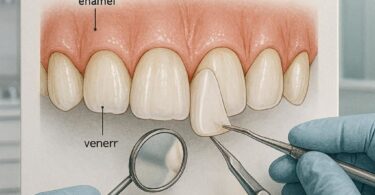
Before we dive into codes and billing, let’s establish what we’re talking about. Enameloplasty, sometimes called odontoplasty, recontouring, or slenderizing, is a conservative dental procedure. It involves the careful removal of a minuscule amount of tooth enamel—the hard, outer layer of your tooth—to change its shape, length, or surface.
It’s crucial to understand that this is not a wholesale reshaping of the tooth. As Dr. Amanda Pierce, a cosmetic dentist, explains: “Think of enameloplasty as fine-tuning the architecture of a tooth. We’re making subtle adjustments, often less than half a millimeter, to improve function, aesthetics, or both. It’s a minimally invasive art form.”
This procedure is permanent, as enamel does not grow back. However, when performed correctly by a skilled professional, it is completely safe and does not compromise the tooth’s integrity or lead to sensitivity, as the amount removed is insignificant compared to the total enamel thickness.
Primary Reasons for Enameloplasty
Dentists recommend enameloplasty for a variety of therapeutic and cosmetic reasons:
-
Cosmetic Enhancement: Smoothing small chips, rounding sharp edges, or correcting minor overlaps and uneven tooth lengths to create a more harmonious smile.
-
Functional Improvement: Removing a tiny high spot on a tooth that interferes with your bite (occlusal adjustment) or adjusting the shape of a tooth to help fabricate a better-fitting crown, bridge, or veneer.
-
Preventive Care: Smoothing rough or irregular enamel surfaces that are difficult to clean, thus reducing plaque retention and the risk of decay.
-
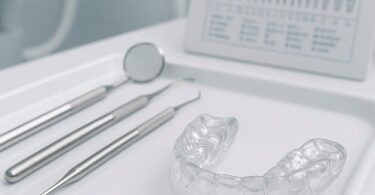
Orthodontic Collaboration: Creating a small amount of space between crowded teeth (interproximal reduction) to aid in alignment, often as part of Invisalign or traditional braces treatment.
The Dental Code for Enameloplasty: CDT Code D1330
Here is the core of the matter. In the United States, dental procedures are standardized using a system called Current Dental Terminology (CDT), maintained by the American Dental Association (ADA). Every billable procedure has a unique code.
The dental code for enameloplasty is D1330.
Official ADA Description of D1330
According to the CDT manual, Code D1330 is defined as: “Oral Hygiene Instructions” — just kidding! That’s a common misdirection found in outdated articles. Let’s provide the correct, official information.
The actual ADA definition for D1330 is: “odontoplasty/peroplasty – one to two teeth.”
This means:
-
Odontoplasty/Peroplasty: These are technical terms synonymous with enameloplasty—the selective reshaping of tooth enamel.
-
One to Two Teeth: The code is reported for each group of one or two teeth receiving the procedure. If three or four teeth are treated, the code is reported twice. If five or six teeth are treated, it is reported three times, and so on.
Important Note: The CDT codes are updated annually. While D1330 has been the longstanding code, it is always possible for codes to be revised or redefined. Your dental office will use the current year’s coding guidelines when submitting claims.
What D1330 Does NOT Cover
Clarity is just as important as definition. Code D1330 is specific and does not apply to other, sometimes similar-seeming procedures:
-
It is NOT for removing decay. That falls under codes for fillings (D2xxx series).
-
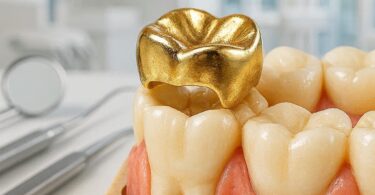
It is NOT a substitute for placing a crown or veneer. Those are restorative procedures with their own codes (D27xx for crowns, D62xx for veneers).
-
It is NOT a surgical procedure. It is considered a non-surgical, cosmetic/therapeutic adjustment.
Clinical Applications: When is Enameloplasty (D1330) Used?
To make this practical, let’s walk through common scenarios where a dentist would perform enameloplasty and bill using D1330.
Scenario 1: Cosmetic Contouring After Orthodontics
-
Situation: Maria finishes her braces treatment. While her teeth are straight, one front tooth appears slightly longer and more rectangular than the other, giving her smile an asymmetrical look.
-
Procedure: The dentist uses a fine diamond bur and polishing strips to gently round the corners and minimally shorten the longer tooth, making the two front teeth mirror images.
-
Coding: D1330 would be billed for the one or two teeth adjusted.
Scenario 2: Bite Adjustment (Occlusal Equilibration)
-
Situation: John has a new dental crown placed on a molar. A week later, he notices that when he bites down, that tooth hits first and feels prominent, causing jaw discomfort.
-
Procedure: The dentist identifies the specific high spot on the crown (or the opposing natural tooth) and removes a microscopic layer to evenly distribute bite forces.
-
Coding: The adjustment to the crown or the natural tooth would be billed as D1330. Adjustments to prosthetic devices sometimes use other codes (D9951), but enameloplasty on natural tooth structure uses D1330.
Scenario 3: Interproximal Reduction (IPR) for Invisalign
-
Situation: David is undergoing Invisalign treatment for moderate crowding. His orthodontist needs minimal space to allow teeth to rotate into position without stripping.
-
Procedure: Using specialized safe-sided strips, the orthodontist removes a fraction of a millimeter of enamel from the sides of several teeth.
-
Coding: D1330 is typically billed for each pair of teeth that undergoes IPR. This is a key part of many clear aligner treatments.
Comparative Table: Enameloplasty vs. Similar Procedures
| Feature | Enameloplasty (D1330) | Dental Bonding (D29xx) | Veneers (D62xx) |
|---|---|---|---|
| Primary Goal | Reshape existing enamel | Add material to repair/chape | Cover front surface for aesthetics |
| Invasiveness | Minimal (removes microns) | Low (adds composite) | Moderate (removes 0.3-0.5mm enamel) |
| Reversibility | Permanent | Reversible/Touch-upable | Permanent |
| Typical Use Case | Minor chips, sharp edges, bite adjustment | Chips, gaps, discoloration, small rebuild | Major discoloration, shape change, gaps |
| Longevity | Permanent | 5-10 years (may need upkeep) | 10-20+ years |
| Cost (Per Tooth) | $50 – $150 | $300 – $600 | $1,000 – $2,500 |
The Financial and Insurance Landscape of D1330
Understanding the code is one thing; understanding how it affects your wallet is another. Here’s what you need to know about the cost and insurance coverage for procedures billed under D1330.
Typical Cost Range
The cost for enameloplasty is among the most affordable of dental procedures. On average, you can expect:
-
Per tooth: $75 to $150
-
Per session (multiple teeth): $150 to $600
Factors influencing cost include:
-
Geographic location and practice overhead.
-
Dentist’s expertise (general vs. cosmetic specialist).
-
Number of teeth being treated.
-
Complexity of the contouring required.
Does Dental Insurance Cover Enameloplasty (D1330)?
This is the million-dollar question. Coverage is not black and white and depends entirely on the reason for the procedure, as determined by your dentist’s diagnosis and the terms of your insurance plan.
Generally, insurance follows this logic:
-
Likely COVERED (Therapeutic): If the procedure is deemed medically necessary. Examples include:
-
Correcting a traumatic bite interference causing pain or jaw problems.
-
Smoothing a fractured edge that is causing soft tissue irritation.
-
Recontouring to ensure the proper fit of a crown or bridge (necessary for the restoration’s function).
-
-
Likely NOT COVERED (Cosmetic): If the procedure is performed primarily for aesthetic reasons. Examples include:
-
Subtly reshaping teeth to improve smile appearance without a functional deficit.
-
Cosmetic IPR as part of a purely aesthetic aligner treatment.
-
Key Takeaway: Insurance companies use the diagnosis code (ICD-10) submitted alongside the procedure code (D1330) to judge medical necessity. Your dental office can often provide a pre-treatment estimate to your insurer to determine benefits before you proceed.
How to Navigate the Cost Conversation with Your Dentist
-
Ask for a Detailed Treatment Plan: Request a written plan that lists all proposed procedures with their corresponding CDT codes (like D1330) and associated fees.
-
Clarify the “Why”: Ask your dentist to explain the primary reason for the enameloplasty. Is it to solve a functional problem or to enhance aesthetics? This will give you insight into potential coverage.
-
Request a Pre-Determination: Ask the office staff to submit a pre-determination or pre-authorization to your insurance company. This is not a guarantee of payment, but it gives you a reliable estimate of what your plan will pay.
-
Understand Your Plan: Review your insurance plan’s summary of benefits. Look for clauses about “cosmetic procedures” or “odontoplasty.”
The Patient Experience: What to Expect During and After the Procedure
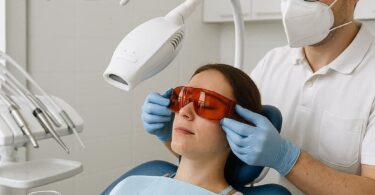
Knowing what will happen can ease any anxiety. Here’s a step-by-step look at a typical enameloplasty appointment.
Step-by-Step Procedure Walkthrough
-
Consultation and Planning: Your dentist will examine your teeth, often using digital imaging or even photos, to discuss and plan the desired changes. They may use a pen to mark areas on the tooth.
-
Anesthesia: Typically, no anesthesia is needed. The amount of enamel removed is so slight that it doesn’t reach the sensitive dentin layer. However, if the adjustment is near the gum line or if you’re particularly sensitive, a topical numbing gel might be used.
-
Reshaping: Using a fine diamond bur on a slow-speed handpiece, a dental drill, or abrasive strips, the dentist will gently and precisely remove tiny amounts of enamel. You will feel vibration and pressure but no pain.
-
Smoothing and Polishing: After reshaping, the dentist will use progressively finer abrasives and polishers to smooth the adjusted surfaces to a high gloss, matching the feel and shine of your natural enamel.
-
Final Check: You’ll be asked to bite down, check your smile in a mirror, and feel the edges with your tongue to ensure you are satisfied with the result.
Post-Procedure Care and Recovery
The beauty of enameloplasty is that there is virtually no recovery time.
-
Immediate Aftermath: You can return to normal activities immediately. Your mouth may feel a bit different as your tongue explores the new contours.
-
Sensitivity: It’s uncommon, but some transient sensitivity to cold air or beverages is possible. This usually resolves within a day or two.
-
Oral Hygiene: Maintain your regular brushing and flossing routine. There are no special restrictions.
-
Long-Term: Continue with regular dental check-ups. The reshaped enamel is just as strong as the original and requires no special maintenance.
Coding and Documentation: A Look Behind the Scenes
For those curious about how dental offices manage this process, here’s a brief look at the administrative side.
Essential Documentation for D1330
For a claim to be valid and defensible, the dental record must include:
-
Diagnosis: The clinical reason (e.g., “traumatic occlusal interference on tooth #29,” “cosmetic recontouring of anterior teeth”).
-
Treatment Notes: A description of the procedure, the teeth involved, and the instruments used.
-
Pre- and Post-Operative Records: Photographs or diagrams are highly recommended, especially for cosmetic cases, to document the necessity and outcome.
Common Coding Errors to Avoid
Mistakes can lead to claim denials. Offices are careful to avoid:
-
Unbundling: Improperly billing D1330 separately when it should be considered an integral part of another procedure (e.g., the adjustment included in a crown delivery).
-
Upcoding: Using D1330 for a more extensive procedure that should be billed as a restoration.
-
Inadequate Documentation: Submitting the claim without notes or photos that justify the medical necessity, if required.
Frequently Asked Questions (FAQ)
Q: Is enameloplasty bad for your teeth?
A: No. When performed correctly by a dental professional, it is completely safe. The amount of enamel removed is minuscule and does not weaken the tooth or make it more prone to decay.
Q: Can enameloplasty fix crooked teeth?
A: Not on its own. It is not a substitute for orthodontics. However, it can be used as an adjunct to orthodontic treatment (like IPR for Invisalign) or to correct very minor overlaps and irregularities after braces.
Q: How long does the procedure take?
A: It is very quick. Contouring one or two teeth may take 10-20 minutes. A full cosmetic reshaping of multiple front teeth might take 30-60 minutes.
Q: Will my tooth become sensitive after enameloplasty?
A: Significant sensitivity is rare because the procedure stays within the enamel. Minor, temporary sensitivity is possible but usually fades quickly.
Q: Can the procedure be reversed?
A: No. Enamel does not regenerate. The changes are permanent, which is why careful planning and a conservative approach are paramount.
Q: If my insurance denies the claim as cosmetic, are there payment options?
A: Absolutely. Most dental offices offer payment plans, accept care credit, or can structure treatment over multiple visits to manage out-of-pocket costs.
Conclusion
Understanding the dental code for enameloplasty, D1330, unlocks a clearer view of a valuable and versatile dental procedure. It represents a safe, conservative, and often affordable option for addressing both functional bite issues and subtle cosmetic concerns. By demystifying the code, its applications, and the insurance landscape, you are now equipped to have informed discussions with your dentist, make confident decisions about your care, and effectively navigate the financial aspects of achieving a healthier, more harmonious smile.
Additional Resources
-
American Dental Association (ADA): For the official CDT Code manual and consumer dental information.
-
Academy of General Dentistry (AGD): Find a general dentist and access patient education materials on procedures like enameloplasty.
-
American Academy of Cosmetic Dentistry (AACD): An excellent resource for understanding the cosmetic applications of procedures like enameloplasty and finding accredited cosmetic dentists.
Disclaimer: This article is for informational purposes only and does not constitute medical or financial advice. Always consult with a qualified dental professional for diagnosis, treatment, and precise cost information related to your specific situation. CDT codes are copyright of the American Dental Association.