If you’ve recently been told you need a crown, you might have heard your dentist mention something called a “build-up.” When you look at your treatment plan, you’ll likely see a strange combination of letters and numbers—a dental code. For a build-up, the most common code you’ll encounter is D2950.
But what does that actually mean? Why isn’t it just part of the crown? And why is there an additional cost?
Understanding the dental code for a build up is crucial, not just for dental professionals managing billing, but for patients who want to understand their treatment and their insurance coverage. This guide is designed to demystify these codes, explain the procedures behind them, and give you the confidence to navigate your next dental appointment.
We’ll explore everything from the standard core buildup to more complex procedures like post-and-cores, so you know exactly what you’re paying for and why.

Dental Code for Build Up
Table of Contents
ToggleWhat is a Dental Core Buildup? (And Why You Need a Code for It)
Before we dive into the specific codes, let’s talk about the procedure itself. Imagine your tooth is like a house. After years of service, or perhaps an accident, the walls have become weak or partially crumbled. You can’t just put a new, expensive roof (the crown) on top of unstable walls. You first need to rebuild the walls to support that roof securely.
That’s precisely what a dental core buildup does.
A buildup is a procedure used to restore a tooth that has lost a significant portion of its structure—more than what a simple filling can handle. This loss can be due to:
-
Large, failing fillings: An old amalgam or composite filling may be breaking down, leaving the tooth fragile.
-
Fractures or cracks: The tooth may have chipped or cracked, removing a substantial part of its coronal structure (the part you see above the gum line).
-
Decay: Rampant cavities can eat away at the tooth, leaving little healthy tooth structure left to hold a crown.
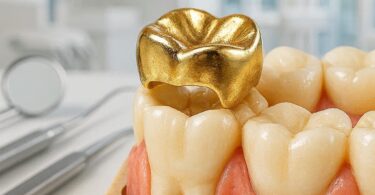
The goal of a buildup is to create a solid, stable foundation. The dentist uses a filling material—often a special resin or a reinforced material called “core build-up” material—to replace the missing tooth structure. Once this material hardens, the tooth now has enough bulk and strength to retain a crown.
Because this is an additional, separate service that requires extra time, skill, and materials beyond just preparing the tooth for a crown, it is billed separately using a specific dental code. It is not considered part of the crown procedure.
The Primary Dental Code for Build Up: D2950
When most people search for the “dental code for build up,” they are looking for D2950. This is the workhorse code in restorative dentistry.
What D2950 Covers
The official CDT (Current Dental Terminology) description for D2950 is: “Core buildup, including any pins.”
Let’s break that down:
-
Core Buildup: This refers to the act of replacing missing tooth structure to form a “core” or foundation. The core is the part of the tooth that the crown will eventually be cemented onto.
-
Including any pins: Sometimes, to help hold the new core material in place, the dentist may place tiny, screw-like pins into the remaining healthy tooth structure. The code D2950 explicitly states that the use of these pins is included in the fee for this procedure. You should not be billed separately for “placing pins” if you are being billed for D2950.
Think of D2950 as the standard procedure for when a tooth needs significant rebuilding but is still structurally sound at its base. The dentist is essentially “building up” what is missing.
When is D2950 Used?
Your dentist will typically use this code in the following scenarios:
-
The Tooth is Broken Down: More than half of the tooth’s original crown structure is missing. A simple filling isn’t enough to restore its shape or strength.
-
Supporting a Crown: The primary purpose is always to create a reliable foundation for a future crown.
-
Sufficient Tooth Remains: While a lot of the top of the tooth is gone, there is still a good amount of healthy tooth structure left above the gum line to support the buildup material. The dentist isn’t relying solely on a post placed into the root.
Beyond the Basics: Other Related Dental Codes
While D2950 is the most common, it’s not the only code related to building up a tooth. Complex cases require different codes. It’s essential to understand the distinction to avoid confusion.
D2952: The Post and Core (for Endodontically Treated Teeth)
This is another crucial code you might see, especially after a root canal. When a tooth has had a root canal, it becomes more brittle over time. Additionally, the access hole drilled to perform the root canal removes even more tooth structure.
D2952 is defined as: “Post and core in addition to crown, indirectly fabricated.”
Let’s dissect the key difference from D2950:
-
Post: This is the major difference. A post is a metal or fiber rod that is cemented into the root canal space of a tooth. It extends down into the root, providing retention for the core material above. It does not strengthen the root; its sole purpose is to help hold the core (and subsequent crown) in place.
-
Indirectly Fabricated: This means the post and core are not built by the dentist chairside. Instead, an impression is taken of the tooth and the root canal, and a dental laboratory creates a custom, single-unit post and core. It is then cemented as one piece at a subsequent appointment.
When is D2952 used? It is used on teeth that have had a root canal and have so little tooth structure remaining that a post is necessary to help retain the core. The indirect method is often chosen for its strength and precise fit.
D2954: The Other Post and Core
You might also encounter D2954: “Prefabricated post and core in addition to crown.”
This is the “direct” counterpart to D2952. In this procedure:
-
Prefabricated Post: The dentist uses a pre-made post (often made of stainless steel, titanium, or fiber) that they get from a box.
-
Direct Fabrication: The dentist cements the prefabricated post into the root canal. Then, they build the core around it, right there in your mouth, using composite resin material.
When is D2954 used? This is a more common, quicker, and often less expensive option than the laboratory-fabricated post and core (D2952). It is used in similar situations—a root canal tooth needing extra retention—but the choice between D2952 and D2954 depends on the specific tooth, the dentist’s preference, and the clinical requirements.
Important Note on “Pins” vs. “Posts”
A common point of confusion is the difference between “pins” and “posts.” Let’s clarify:
| Feature | Pins (in D2950) | Posts (in D2952/D2954) |
|---|---|---|
| Location | Placed into the dentin of the tooth, around the pulp (nerve). | Placed into the root canal space of a tooth that has had a root canal. |
| Purpose | To help retain the core filling material when the tooth has a wide, hollowed-out area. | To provide retention for a core when the natural tooth crown is almost completely gone. |
| Root Canal Required? | No. The tooth still has a vital (or non-vital) nerve, but pins are placed in the surrounding tooth structure. | Yes. The tooth must have had a root canal to have a space for the post. |
| Associated Code | D2950 | D2952 or D2954 |
Understanding this difference is key to understanding which dental code for build up applies to your situation.
D2950 vs. D2952 vs. D2954: A Comparative Look
To make the differences even clearer, here is a comparison table you can reference.
| Feature | D2950 (Core Buildup) | D2952 (Post and Core – Indirect) | D2954 (Post and Core – Direct) |
|---|---|---|---|
| Procedure Type | Foundation restoration | Foundation restoration with a post | Foundation restoration with a post |
| Tooth Condition | Vital (live) or non-vital tooth with significant coronal damage, but a root canal is not required for the procedure. | Non-vital (root canal treated) tooth with severe coronal damage. | Non-vital (root canal treated) tooth with severe coronal damage. |
| Key Component | Core material (composite, amalgam, etc.). May include pins for retention. | Custom-made, single-unit post and core fabricated in a lab. | Prefabricated post with core material built around it chairside. |
| Retention Method | Relies on the remaining tooth structure and/or small pins. | Relies on the post cemented into the root canal and the remaining tooth. | Relies on the post cemented into the root canal and the remaining tooth. |
| Number of Visits | Typically completed during the crown preparation appointment. | Requires an extra appointment for cementation after the lab case is back. | Typically completed during the crown preparation appointment. |
| Complexity | Moderate. | High (involves lab work). | Moderate to High. |
The Procedure: What to Expect When You Need a D2950
Knowing what happens during the procedure can ease a lot of anxiety. Here’s a step-by-step look at what a typical D2950 core buildup entails.
-
Anesthesia and Isolation: The dentist will first ensure the area is completely numb. They will then isolate the tooth, often using a rubber dam, to keep it dry and clean.
-
Removing Decay/Failing Material: The dentist will use a high-speed handpiece (drill) to remove any decay, old filling material, or unsound tooth structure. Only healthy, strong tooth structure is left behind.
-
Assessing the Tooth: The dentist evaluates the remaining walls of the tooth. They determine how much structure is left and whether pins are needed for extra support.
-
Placing Pins (If Necessary): If the tooth is very hollowed out, the dentist will drill tiny, precise holes into the healthy dentin and gently screw in small pins. These act like rebar in concrete.
-
Bonding and Building: The dentist applies a bonding agent to the remaining tooth and the pins. They then place the core buildup material in layers. This material is often a strong composite resin.
-
Hardening (Curing): A special bright blue light is used to harden each layer of the material. This makes the buildup instantly strong.
-
Shaping the Core: Once the material is hard, the dentist uses the drill to shape the buildup into an ideal foundation for the crown. This shape is often described as a “stump” or a prepared tooth.
-
Proceeding with the Crown: At this point, the tooth has been rebuilt. The dentist can now proceed directly with preparing this new core for the crown, taking impressions, and placing a temporary crown.
Important Note for Patients: The buildup procedure and the crown preparation are almost always done at the same appointment. You won’t have a separate appointment just for the buildup. This is why the two procedures (D2950 and D2740 – the crown code) appear together on your treatment plan.
The Financial Side: Cost, Insurance, and Coding
This is often the most confusing part for patients. Let’s break down the dollars and cents.
Typical Cost Range for D2950
The cost of a core buildup varies significantly based on your geographic location, the dentist’s experience, and the complexity of the case. However, you can generally expect to pay somewhere between $150 and $350 for a D2950 procedure.
Remember, this is an additional fee on top of the crown procedure. A crown can range from $1,000 to $3,000 or more, so the buildup adds a significant but necessary amount to the total bill.
How Dental Insurance Handles Buildup Codes
This is where things get tricky. Dental insurance plans have a wide variety of coverage levels.
-
It’s Usually Covered, But… Most dental insurance plans recognize D2950 as a necessary part of restoring a tooth. Therefore, they will often provide some coverage for it, typically at the same percentage as a crown (e.g., if your plan covers crowns at 50%, it will likely cover the buildup at 50%).
-
The Frequency Limitation: A key rule you need to know: Insurance will typically only pay for a buildup on the same tooth once every three to five years. They view it as a procedure that should last. If a buildup fails within that time, the replacement is usually considered the patient’s responsibility.
-
The “Alternative Benefit” Clause: Some insurance plans have a clause stating that if a tooth can be restored with a simple filling (which is much cheaper), they will only pay the equivalent of what a filling would cost, even if a more expensive buildup was clinically necessary. You would then be responsible for the difference. This is becoming less common but is worth checking your plan for.
-
D2952 and D2954 Coverage: Coverage for post and cores is more variable. Many plans cover them, but some may consider them a non-essential part of the procedure. Always check with your provider.
Reading Your Treatment Plan
When you receive a treatment plan, you will see codes like this:
-
D2950: Core buildup
-
D2740: Crown – porcelain/ceramic substrate
-
D9110: Palliative (emergency) treatment (if applicable)
Make sure all the codes are clearly explained to you. A reputable dental office will always go over your treatment plan and the associated costs before any work begins.
Common Questions from Patients About Buildup Codes
Hearing these codes can be overwhelming. Here are answers to the most frequent questions patients ask.
“Why can’t you just put the crown on my tooth without a buildup?”
Think of it like trying to put a tight-fitting hat on a head that’s too small. The hat (crown) will just spin around. A crown needs a certain amount of tooth structure to grip onto. If the tooth is too short or too thin after drilling away decay, the crown won’t stay on. A buildup creates the necessary “hat size” for a secure, long-lasting fit.
“My insurance denied the D2950 code. Why?”
There are two common reasons for denial:
-
Frequency Limitation: As mentioned, a buildup was likely done on that same tooth within the last 3-5 years. You can ask your dentist’s office to send in x-rays showing the old buildup has failed and a new one is needed.
-
Medical Necessity: The insurance reviewer might not think a buildup was needed based on the x-rays sent. They may feel a filling would have sufficed. In this case, your dentist can write a letter of medical necessity explaining why the tooth’s condition required a core buildup.
“I have a pin in my tooth. Is that the same as a post?”
No, definitely not. A pin is a tiny, screw-like device placed around the nerve to help hold a filling or core material in a tooth that hasn’t had a root canal. A post is placed down into the root of a tooth that has had a root canal. The dental code D2950 covers pins. Post procedures have their own separate codes (D2952, D2954).
Tips for Discussing the Dental Code for Build Up with Your Dentist
You don’t need to be a coding expert, but asking a few informed questions can help you understand your treatment better.
-
“Can you explain why I need a D2950 instead of just a larger filling?” This invites the dentist to explain the structural necessity for a crown and its foundation.
-
“Does my treatment plan include pins, or are we doing a post and core?” This shows you understand the difference and helps clarify which code is being used.
-
“Can you verify my insurance benefits for D2950 with my provider?” Most dental offices are happy to do this as a courtesy. It helps you understand your out-of-pocket costs before treatment begins.
-
“If my tooth has had a root canal, which post and core code are you using and why?” This helps you understand the complexity (direct vs. indirect) and the potential difference in lab fees.
The Future of Restorative Dental Codes
The world of dental coding is not static. The American Dental Association updates the CDT codes every few years. We may see further refinements in how buildup procedures are categorized.
For instance, as bonding technology improves and new materials emerge, the distinction between a “large filling” and a “core buildup” might become more nuanced. There is always discussion within the profession about how to code for procedures that use new materials like bioactive cements or advanced fiber-reinforced composites. However, for the foreseeable future, D2950, D2952, and D2954 will remain the cornerstone codes for rebuilding teeth.
For now, understanding these core codes gives you a significant advantage in navigating your dental health journey.
Conclusion
Navigating the world of dental insurance and treatment codes doesn’t have to be a mystery. The dental code for build up, primarily D2950, is simply a way for your dentist to bill for the essential service of rebuilding a tooth so it can successfully support a crown. When a root canal is involved, codes like D2952 and D2954 come into play for post-and-core procedures. By understanding the difference between a simple buildup and a post-and-core, you are better equipped to have informed conversations with your dentist and understand your insurance benefits. Ultimately, these procedures are all about one thing: creating a strong, durable foundation to save your tooth for years to come.
Frequently Asked Questions (FAQ)
1. What is the difference between D2950 and a filling?
A filling (e.g., D2140, D2150) is used to restore a small to moderate amount of tooth structure lost to decay. D2950 (core buildup) is used when a significant portion of the tooth is missing, specifically to create a foundation for a crown. A filling is a restoration in itself; a buildup is a foundation for another restoration.
2. Is D2950 always done with a crown?
In the vast majority of cases, yes. The primary purpose of a core buildup is to prepare a tooth to receive a crown. It is rare to see a D2950 billed without a crown on the same tooth shortly thereafter.
3. How long does a D2950 procedure take?
The procedure itself is quite fast. The dentist will typically spend about 15-30 minutes performing the buildup as part of the longer appointment (usually 60-90 minutes total) where they also prepare the tooth for the crown and take impressions.
4. Can a D2950 buildup fail?
Yes, though it’s not common. A buildup can fail if there is recurrent decay underneath it, if the tooth fractures, or if the bond between the buildup material and the tooth breaks. This is why good oral hygiene and regular checkups are essential.
5. My dentist recommended a post and core. Is that the same code?
No. A post and core is a different, more complex procedure for teeth that have had root canals. It will be billed under D2952 (indirect) or D2954 (direct/prefabricated), not D2950.
Additional Resource
For the most authoritative and up-to-date information on dental procedure codes, you should always refer to the source. The American Dental Association (ADA) publishes the CDT code set annually.
Note: This link leads to the official ADA page where you can find information about the current CDT manual and coding resources.
Disclaimer: This article is for informational purposes only and does not constitute medical, dental, or legal advice. The information provided about dental codes (CDT codes) is based on general practices and may not reflect the most current coding standards or your specific insurance policy. You should always consult with a qualified dental professional for diagnosis and treatment, and with your insurance provider for information regarding your specific plan coverage.