Mouth cancer, also known as oral cancer, is a serious and potentially life-threatening disease. It can develop in any part of the mouth, including the lips, tongue, cheeks, floor of the mouth, hard and soft palate, sinuses, and throat. While it represents a small percentage of all cancer diagnoses, its impact is devastating. The five-year survival rate for oral cancer remains disappointingly low, not because it is untreatable, but because it is often detected in its late stages.
The key to improving outcomes is understanding who is at risk. By identifying the populations most likely to develop this disease, we can promote earlier screening, encourage lifestyle changes, and ultimately save lives. This guide provides a comprehensive look at the primary risk factors, from lifestyle choices to demographic trends and emerging medical links.
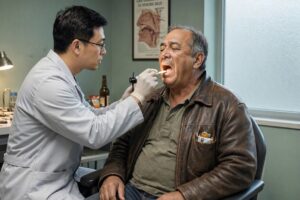
Who Is Most Likely To Get Mouth Cancer?
The Primary Risk Factors: Lifestyle Choices
The overwhelming majority of oral cancer cases are linked to modifiable lifestyle behaviors. This is both a sobering statistic and a source of hope, as it means risk can be significantly reduced by changing habits.
1. Tobacco Users (The Highest Risk Group)
Tobacco use is, without question, the single most significant risk factor for developing oral cancer. This includes all forms of tobacco.
-
Cigarettes: Smokers are many times more likely to develop oral cancer than non-smokers. The risk increases with the number of cigarettes smoked per day and the number of years a person has smoked.
-
Smokeless Tobacco: Chewing tobacco and snuff are not safe alternatives. These products contain a concentrated dose of carcinogens that directly contact the tissues of the cheeks, gums, and lips. Users are at an extremely high risk for cancers in these specific locations.
-
Cigars and Pipes: These carry a similar risk to cigarettes, particularly for cancers of the lip and oral cavity.
Why It Is Dangerous: The chemicals in tobacco damage the DNA in cells, causing them to grow uncontrollably. Smoking also weakens the immune system, making it harder for the body to kill cancer cells.
2. Heavy Alcohol Consumers
Alcohol is the second major independent risk factor for oral cancer.
-
The Effect: Alcohol acts as an irritant, making the cells in the mouth more permeable and vulnerable to other carcinogens. It can also be converted into acetaldehyde, a known carcinogen, by bacteria in the mouth.
-
The Synergistic Effect: The risk is not just added; it is multiplied. A person who both smokes and drinks heavily has a risk of oral cancer that is many times higher than someone who only has one of these habits. This combination is responsible for a massive portion of diagnoses.
3. The Combination of Sun Exposure and Lip Cancer
Prolonged, unprotected exposure to ultraviolet (UV) radiation from the sun is a well-known cause of skin cancer. This risk extends to the lips, particularly the lower lip.
-
Who Is at Risk: People who work outdoors, such as construction workers, farmers, and lifeguards, are particularly vulnerable. Fair-skinned individuals are also at higher risk.
Demographic and Biological Risk Factors
While lifestyle choices are critical, other factors are beyond our direct control. These demographic trends help define who is statistically more likely to receive a diagnosis.
1. Gender
Historically, oral cancer has been much more common in men than women. Men are more than twice as likely to be diagnosed with oral cancer.
-
Why This Is Changing: This gap was primarily attributed to higher rates of tobacco and alcohol use among men. However, as smoking rates have declined among men and converged with those of women, the incidence gap has narrowed in recent decades. The gap persists, but it is less stark than it once was.
2. Age
The risk of developing oral cancer increases dramatically with age.
-
The Average Age: The majority of people diagnosed are over the age of 55. This is because the cellular damage from years of exposure to risk factors accumulates over time. The longer you live, the more likely these mutations are to occur.
3. Race and Ethnicity
Statistics show disparities in oral cancer incidence and outcomes.
-
Higher Incidence: Black men have historically had higher rates of oral cancer than white men.
-
Poorer Outcomes: Survival rates for oral cancer are lower among Black Americans than white Americans. This disparity is often linked to socioeconomic factors, including reduced access to healthcare, later-stage diagnosis, and a higher prevalence of risk factors.
Emerging and Medical Risk Factors
In recent years, medical research has uncovered new and significant links between oral cancer and other health conditions, particularly viral infections.
1. Human Papillomavirus (HPV)
This is now one of the most important and fastest-growing risk factors for oral cancer, specifically for cancers of the back of the throat and tonsils (oropharyngeal cancer).
-
The Shift: The HPV virus is a very common sexually transmitted infection. While most infections clear on their own, a persistent infection with a high-risk strain, most notably HPV-16, can cause cancer.
-
Who Is at Risk: This type of oral cancer is increasingly being found in younger, non-smoking men. It is set to overtake cervical cancer as the most common HPV-related cancer. Importantly, patients with HPV-positive oral cancers tend to have a better prognosis than those with tobacco-related cancers.
2. A Weakened Immune System
Individuals with a compromised immune system are less able to fight off abnormal cell growth.
-
Transplant Patients: People who take immunosuppressant drugs to prevent organ rejection are at a higher risk.
-
HIV/AIDS: People living with HIV/AIDS have a higher incidence of oral cancer, often linked to co-infection with HPV.
3. Poor Diet and Nutrition
A diet low in fruits and vegetables is associated with an increased risk of oral cancer.
-
The Protective Effect: Fruits and vegetables are rich in antioxidants and other phytochemicals that help protect cells from damage. A deficiency in certain vitamins, such as Vitamin A, has been linked to higher cancer risk.
The Critical Importance of Early Detection
The question of “who” is most likely to get mouth cancer is closely tied to the question of “when” it is found. The reason oral cancer has a high mortality rate is late diagnosis. The early stages of the disease are often painless, and the symptoms can be subtle or mimic other, less serious conditions.
What to Look For: The Key Symptoms
You should see a dentist or doctor immediately if you notice any of these signs that do not heal within two weeks:
-
A sore, irritation, or lump in the mouth or on the lips.
-
A white or red patch on the gums, tongue, or lining of the mouth.
-
Difficulty chewing, swallowing, or speaking.
-
A feeling that something is caught in the throat.
-
Numbness of the tongue or other area of the mouth.
-
A change in the way your teeth fit together.
The Role of the Dentist
Dentists are on the front line of oral cancer detection. A comprehensive dental exam should always include an oral cancer screening. This is a quick, painless visual and tactile examination of the entire mouth, head, and neck. Finding a lesion early, when it is small and localized, dramatically improves the chances of successful treatment.
Conclusion
The people most likely to get mouth cancer are those with a history of heavy tobacco and alcohol use, particularly men over the age of 55. However, the landscape is changing, with the HPV virus now driving a significant increase in cases among younger, non-smoking individuals. Regardless of your risk profile, awareness is crucial. Regular self-exams and routine dental visits for professional screenings are the most powerful tools for catching this disease early, when it is most treatable.
FAQ
Q: Can you get mouth cancer if you have never smoked?
A: Yes, absolutely. While smoking is a major risk factor, it is not the only one. The fastest-growing cause of oral cancer, particularly in the back of the throat, is the HPV virus. Other risk factors include heavy alcohol consumption, a family history of cancer, and a weakened immune system. It is a misconception that only smokers are at risk.
Q: What does early-stage mouth cancer look like?
A: It can be very subtle. It may appear as a flat, painless white patch (leukoplakia) or a red patch (erythroplakia) in the mouth. It can also look like a small, non-healing ulcer or sore. Any sore that persists for more than two weeks should be evaluated by a professional.
Q: Is oral cancer curable?
A: Yes, when caught early, oral cancer is highly curable. The five-year survival rate for localized oral cancer is over 80%. This is why regular dental checkups and paying attention to symptoms are so vitally important.
Q: Does the HPV vaccine prevent oral cancer?
A: The HPV vaccine (like Gardasil 9) was originally developed to prevent cervical cancer, but it also protects against the HPV strains most commonly linked to oropharyngeal cancer. It is recommended for both boys and girls, and it is a powerful tool in preventing this form of cancer.
Additional Resource
For more information on oral cancer screening and prevention, visit the website of the Oral Cancer Foundation: https://oralcancerfoundation.org/