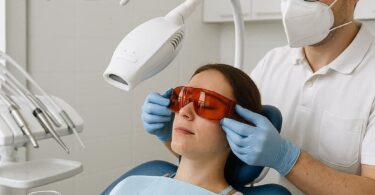
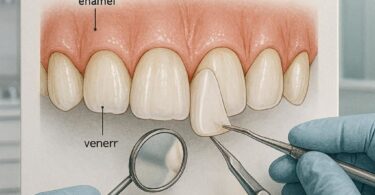
Anesthesia plays a crucial role in ensuring patient comfort during dental procedures, from routine cleanings to complex oral surgeries. However, coding and billing for dental anesthesia can be complex due to varying payer requirements, coding guidelines, and documentation standards.
This comprehensive guide explores anesthesia coding for dental procedures, covering CPT codes, modifiers, compliance considerations, and best practices to ensure accurate reimbursement. Whether you’re a dentist, anesthesiologist, or medical coder, this article provides valuable insights to streamline your billing process and avoid costly errors.

Anesthesia Coding for Dental Procedures
2. Understanding Anesthesia in Dentistry
Types of Dental Anesthesia
Dental anesthesia can be categorized into three main types:
-
Local Anesthesia – Numbs a specific area (e.g., lidocaine injections).
-
Sedation Anesthesia – Ranges from mild (nitrous oxide) to deep sedation (IV sedation).
-
General Anesthesia – Renders the patient completely unconscious (used in complex surgeries).
Indications for Anesthesia in Dental Procedures
Anesthesia is commonly used in:
-
Tooth extractions
-
Root canals
-
Dental implant placements
-
Periodontal surgeries
-
Pediatric dentistry (for anxious or special-needs patients)
3. The Importance of Accurate Anesthesia Coding
Proper anesthesia coding ensures:
✔ Correct reimbursement from insurance providers.
✔ Compliance with federal and state regulations.
✔ Reduced claim denials due to coding errors.
Miscoding can lead to audits, penalties, and lost revenue, making it essential to stay updated with coding guidelines.
4. Common Dental Procedures Requiring Anesthesia
| Dental Procedure | Anesthesia Type | CPT Code Example |
|---|---|---|
| Simple Tooth Extraction | Local Anesthesia | D7140 |
| Wisdom Tooth Removal | IV Sedation | D7210 + 00170 |
| Dental Implant Surgery | General Anesthesia | D6010 + 00190 |
| Root Canal Therapy | Local Anesthesia | D3330 |
5. Anesthesia Coding Systems in Dentistry
CPT Codes for Dental Anesthesia
The American Medical Association (AMA) and the American Dental Association (ADA) provide specific codes:
-
00100 – 01999: Anesthesia codes for surgical procedures.
-
D codes: ADA codes for dental procedures (e.g., D9243 for non-intravenous sedation).
Modifiers in Anesthesia Coding
Common modifiers include:
-
AA – Anesthesia performed by an anesthesiologist.
-
QY – Medical direction by a physician.
-
G8 – Monitored anesthesia care (MAC) for deep sedation.
6. Key Challenges in Dental Anesthesia Coding
-
Variations in Payer Policies (Medicare vs. private insurers).
-
Documentation Requirements (must include time, medications, and patient condition).
-
Bundling Issues (some procedures include anesthesia, while others require separate coding).
7. Best Practices for Accurate Coding and Billing
✅ Verify Payer Guidelines – Each insurer may have different rules.
✅ Document Thoroughly – Include start/stop times, medications, and complications.
✅ Use Appropriate Modifiers – Prevents claim denials.
8. Legal and Compliance Considerations
-
HIPAA Compliance – Protect patient data in anesthesia records.
-
Fraud Prevention – Avoid upcoding or unbundling services.
-
State-Specific Regulations – Some states require special permits for sedation.
9. Case Studies: Real-World Examples
Case 1: Wisdom Tooth Extraction with IV Sedation
-
Procedure: D7210 (extraction) + 00170 (anesthesia).
-
Issue: Claim denied due to missing modifier AA.
-
Solution: Resubmitted with AA modifier; payment received.
10. Future Trends in Dental Anesthesia Coding
-
AI-Assisted Coding – Automation for error reduction.
-
Tele-dentistry Anesthesia Guidelines – New codes for remote consultations.
11. Conclusion
Accurate anesthesia coding in dentistry ensures proper reimbursement and compliance. By understanding CPT codes, modifiers, and payer policies, dental professionals can optimize billing efficiency. Staying updated with coding trends and legal requirements minimizes risks and maximizes revenue.
12. FAQs
Q1: What is the difference between D9243 and D9248?
-
D9243 is for non-IV sedation, while D9248 is for IV moderate sedation.
Q2: Can general anesthesia be billed separately?
-
Yes, using CPT codes like 00190 in addition to the dental procedure code.
Q3: How do I handle denied anesthesia claims?
-
Check for missing modifiers or documentation and appeal with supporting records.
13. Additional Resources
-
ADA Coding Resources: www.ada.org
-
AMA CPT Code Manual: www.ama-assn.org
-
CMS Anesthesia Billing Guidelines: www.cms.gov