The D0431 dental code is a specialized diagnostic tool used in dentistry to assess oral conditions that may not be visible through a standard clinical examination. This code is particularly relevant for detecting early signs of oral cancer, mucosal abnormalities, and other soft tissue lesions. Given the rising prevalence of oral diseases, understanding D0431 is crucial for dental professionals aiming to provide comprehensive patient care.
This article delves deep into the D0431 dental code, covering its clinical applications, billing considerations, procedural steps, and future advancements. Whether you’re a dentist, hygienist, or billing specialist, this guide will equip you with the knowledge needed to utilize D0431 effectively.

D0431 Dental Code
2. Understanding the D0431 Dental Code
Definition and Purpose
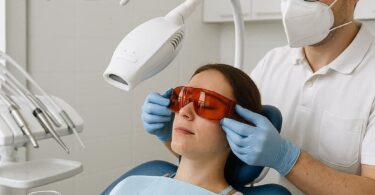
The D0431 code falls under the American Dental Association (ADA) Current Dental Terminology (CDT) and refers to an adjunctive pre-diagnostic test that aids in identifying abnormal mucosal tissues. Unlike visual examinations alone, D0431 involves specialized tools (e.g., fluorescence visualization or toluidine blue staining) to detect early pathological changes.
When Is D0431 Used?
D0431 is typically recommended for:
-
High-risk patients (tobacco users, heavy alcohol consumers, HPV-positive individuals)
-
Patients with suspicious lesions (leukoplakia, erythroplakia)
-
Follow-up monitoring for previously identified abnormalities
3. Clinical Applications of D0431
Diagnostic Uses
D0431 enhances early detection of:
-
Oral cancer
-
Premalignant lesions
-
Viral or fungal infections
Patient Assessment
A structured approach includes:
-
Medical history review
-
Visual and tactile examination
-
Adjunctive testing (D0431)
4. Comparison with Other Dental Codes
| Code | Description | Key Differences |
|---|---|---|
| D0431 | Adjunctive pre-diagnostic test | Uses advanced tools for lesion detection |
| D0460 | Oral pathology report | Requires biopsy and lab analysis |
| D0120 | Periodic oral evaluation | Basic visual exam, no adjunctive tools |
5. Billing and Insurance Considerations
Insurance Coverage for D0431
-
Medicare/Medicaid: Limited coverage, case-dependent
-
Private Insurance: Varies by provider (pre-authorization often required)
Common Reimbursement Challenges
-
Lack of medical necessity documentation
-
Incorrect coding (bundling issues)
6. Step-by-Step Procedure for D0431
-
Pre-Test Considerations
-
Obtain informed consent
-
Document lesion characteristics
-
-
Performing the Test
-
Apply staining solution or use fluorescence device
-
Record findings
-
-
Interpreting Results
-
Negative: No immediate follow-up
-
Positive: Biopsy or specialist referral
-
7. Advantages and Limitations
✅ Early detection of malignancies
✅ Non-invasive compared to biopsy
❌ False positives possible
❌ Not a substitute for biopsy
8. Case Studies
-
Case 1: A 55-year-old smoker with a persistent white patch tested via D0431, leading to early squamous cell carcinoma diagnosis.
-
Case 2: A 40-year-old with lichen planus monitored using D0431 to track malignant transformation.
9. Future Trends
-
AI-assisted diagnostics
-
Enhanced staining techniques
10. Conclusion
The D0431 dental code is a vital tool for early oral disease detection, improving patient outcomes. Proper documentation, insurance awareness, and clinical accuracy are key to maximizing its benefits. As technology advances, D0431 will continue evolving, offering even greater diagnostic precision.
11. FAQs
Q1: Is D0431 covered by insurance?
A: Coverage varies; some insurers require pre-authorization.
Q2: How often should D0431 be performed?
A: Annually for high-risk patients or as needed for suspicious lesions.
Q3: Can D0431 replace a biopsy?
A: No, it’s a screening tool—biopsy remains the gold standard.