Orthodontic treatment doesn’t end when braces come off—retention is a critical phase that ensures teeth stay in their new positions. The D8680 dental code is specifically used for orthodontic retention procedures, covering everything from retainer fabrication to adjustments.
This comprehensive guide explores the D8680 code in depth, discussing its applications, types of retainers, insurance considerations, and best practices for long-term retention success. Whether you’re a dental professional, a patient, or an insurance provider, this article will clarify all aspects of this essential dental procedure.

2. Understanding the D8680 Dental Code
Definition and Purpose
The D8680 code is defined by the American Dental Association (ADA) as:
“Orthodontic retention (removal of appliances, construction and placement of retainer(s)).”
This means it covers:
- Removal of orthodontic appliances (braces, aligners, etc.).
- Fabrication of a retainer (Hawley, Essix, or fixed).
- Placement and initial adjustments of the retainer.
When Is It Used?
This code is applied once active orthodontic treatment is complete. It ensures teeth remain stable and do not shift back (relapse).
3. Types of Orthodontic Retainers
| Retainer Type | Pros | Cons |
|---|---|---|
| Hawley Retainer | Durable, adjustable | Visible, may affect speech |
| Clear Plastic (Essix) | Nearly invisible, comfortable | Less durable, may warp |
| Fixed/Bonded | No patient compliance needed | Harder to clean, may break |
Hawley Retainers
- Made of acrylic and metal wires.
- Adjustable for minor tooth movements.
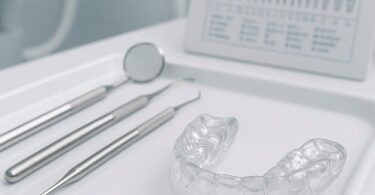
Clear Plastic Retainers (Essix)
- Similar to Invisalign trays.
- Must be replaced periodically.
Fixed/Bonded Retainers
- A wire bonded behind the teeth.
- Common for lower front teeth.
4. The Importance of Orthodontic Retention
Without retainers, teeth can gradually shift back due to:
- Periodontal ligament memory (teeth “remember” old positions).
- Natural aging changes in the jawbone.
Studies show that up to 70% of patients experience relapse without proper retention.
5. The Process of Applying and Maintaining Retainers
- Initial Fitting – Impressions or digital scans are taken.
- Delivery Appointment – Retainer is placed, and bite is checked.
- Follow-Ups – Adjustments for fit and comfort.
6. Insurance Coverage and the D8680 Code
- Some plans cover 50-80% of retainer costs.
- Medically necessary cases (e.g., post-surgical retention) may have better coverage.
7. Common Issues with Retainers
- Breakage – Avoid chewing on retainers.
- Discomfort – Minor adjustments can help.
8. Comparing D8680 with Other Dental Codes
- D8670 – Monthly active treatment visits.
- D8690 – Repairing broken orthodontic appliances.
9. Patient FAQs
Q: How long do I need to wear a retainer?
A: Lifelong nighttime wear is often recommended to prevent relapse.
Q: Does insurance cover the D8680 procedure?
A: Many plans do, but coverage varies—check with your provider.
Q: Can I eat with a fixed retainer?
A: Yes, but avoid sticky foods that may dislodge it.
10. Conclusion
The D8680 dental code is essential for securing orthodontic results long-term. Whether using removable or fixed retainers, compliance is key to preventing relapse. Always verify insurance coverage and follow your orthodontist’s retention plan for the best outcome.
11. Additional Resources