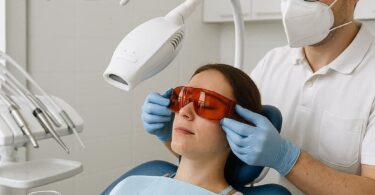
A comprehensive oral evaluation (Dental Code D0150) is a foundational procedure in dentistry, serving as the first step in diagnosing and treating a patient’s oral health. Unlike limited or problem-focused exams, D0150 involves a thorough assessment of a patient’s teeth, gums, jaw, and overall oral structures.
This article will explore every aspect of dental code D0150, from its definition and clinical significance to billing practices and documentation requirements. Whether you’re a dentist, dental student, or patient seeking clarity, this guide will provide valuable insights into one of dentistry’s most critical diagnostic tools.

Dental Code D0150
2. What Is Dental Code D0150?
Dental Code D0150, as defined by the American Dental Association (ADA), refers to a comprehensive oral evaluation—a detailed assessment performed by a dentist to evaluate a patient’s overall oral health.
Key Features of D0150:
-
First-time patients – Often used for new patients to establish baseline oral health.
-
Extensive examination – Includes evaluation of teeth, gums, soft tissues, occlusion, and jaw function.
-
Diagnostic tools – May involve X-rays, periodontal charting, and oral cancer screening.
Table 1: Comparison of D0150 with Other Evaluation Codes
| Code | Description | When Used |
|---|---|---|
| D0150 | Comprehensive Oral Evaluation | New patients, full-mouth assessment |
| D0120 | Periodic Oral Evaluation | Routine check-ups for existing patients |
| D0140 | Limited Oral Evaluation | Problem-focused (e.g., tooth pain) |
3. Purpose and Importance of a Comprehensive Oral Evaluation
A D0150 evaluation is crucial because it:
-
Identifies underlying issues (cavities, gum disease, oral cancer).
-
Helps create a personalized treatment plan.
-
Serves as a baseline for future comparisons.
Without a comprehensive exam, subtle problems like early-stage periodontitis or malocclusion may go unnoticed.
4. When Is D0150 Used?
Common Scenarios:
✅ New patient visits – Establishes a complete oral health record.
✅ After a prolonged absence from dental care – Reassesses oral health status.
✅ Before major procedures – Ensures all conditions are diagnosed before treatment.
Table 2: Frequency of D0150 vs. Other Exams
| Patient Type | Recommended Evaluation | Frequency |
|---|---|---|
| New Patient | D0150 | Once |
| Existing Patient | D0120 | Every 6 months |
| Emergency Visit | D0140 | As needed |
5. Differences Between D0150 and Other Dental Evaluation Codes
-
D0120 (Periodic Oral Evaluation) – Shorter, for routine check-ups.
-
D0140 (Limited Oral Evaluation) – Focuses on a specific issue (e.g., toothache).
-
D0160 (Detailed Oral Evaluation) – Used for complex cases requiring extra diagnostics.
D0150 is the most thorough, covering all aspects of oral health.
6. Components of a Comprehensive Oral Evaluation
A D0150 exam includes:
-
Medical & Dental History Review
-
Extraoral & Intraoral Examination
-
Periodontal Assessment
-
Occlusal Analysis
-
Radiographic Imaging (if needed)
-
Oral Cancer Screening
7. Who Can Perform a D0150 Evaluation?
Only licensed dentists (DDS or DMD) can perform and bill for D0150. Dental hygienists may assist but cannot diagnose.
8. Documentation Requirements for D0150
Proper documentation must include:
-
Patient’s chief complaint
-
Clinical findings
-
Diagnosis & treatment plan
-
X-rays or imaging reports
9. Insurance and Billing Considerations
-
Coverage varies – Some insurers cover D0150 once every 3-5 years.
-
Pre-authorization may be required.
-
Medicare & Medicaid – Often limited to specific cases.
10. Common Misconceptions About D0150
❌ “It’s the same as a cleaning.” – No, D0150 is diagnostic, not prophylactic.
❌ “Only needed for emergencies.” – Actually, it’s preventive.
❌ “Too expensive.” – Early detection can save costs long-term.
11. Case Studies and Real-World Applications
Case Study 1: A 45-year-old patient with no symptoms underwent D0150 and was diagnosed with early-stage oral cancer, leading to successful treatment.
Case Study 2: A new patient with “minor gum bleeding” was found to have advanced periodontitis after a D0150 exam, preventing tooth loss.
12. Conclusion
Dental Code D0150 is essential for diagnosing and preventing serious oral health issues. It provides a complete assessment, guides treatment plans, and ensures long-term dental wellness. Understanding its use, documentation, and insurance implications helps both practitioners and patients optimize care.
13. Frequently Asked Questions (FAQs)
Q1: How often should I get a D0150 exam?
A: Typically once as a new patient, then as recommended by your dentist.
Q2: Does dental insurance cover D0150?
A: Most plans cover it for new patients, but check your policy.
Q3: Can a hygienist perform a D0150?
A: No, only licensed dentists can diagnose and bill for it.