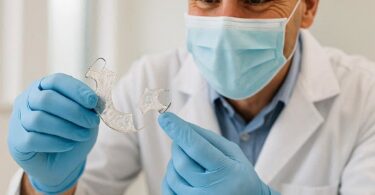
A beautiful smile is often associated with confidence and good health. However, damaged, decayed, or discolored teeth can affect both aesthetics and functionality. Dental crowns, particularly those under Dental Code D2740 (Crown – Porcelain/Ceramic), offer a durable and natural-looking solution to restore teeth.
This comprehensive guide explores everything you need to know about Dental Code D2740 Crown—from their composition and benefits to the procedure, costs, and maintenance. Whether you’re a patient considering this treatment or a dental professional seeking detailed insights, this article provides valuable information to help you make informed decisions.

Dental Code D2740 Crown
2. What is Dental Code D2740?
Dental Code D2740 is a billing code used by dentists to describe a porcelain or ceramic crown restoration. The American Dental Association (ADA) assigns these codes to standardize dental procedures for insurance and record-keeping purposes.
Key Features of D2740 Crowns:
-
Made entirely of porcelain or ceramic (no metal base).
-
Highly aesthetic, mimicking natural tooth color.
-
Ideal for front teeth and visible areas.
-
Biocompatible (less risk of allergic reactions).
Comparison of Common Crown Materials
| Material | Pros | Cons |
|---|---|---|
| Porcelain/Ceramic (D2740) | Natural appearance, metal-free, biocompatible | Less durable than metal crowns, may wear opposing teeth |
| Porcelain-Fused-to-Metal (PFM) | Stronger than all-porcelain, good aesthetics | Dark gum line over time, metal may show |
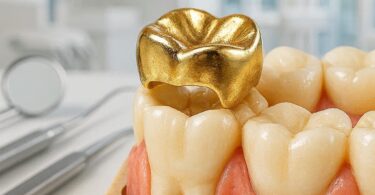
| Gold Alloy | Extremely durable, gentle on opposing teeth | Highly visible, not aesthetic |
| Zirconia | Strong, tooth-colored, metal-free | Less translucent than porcelain |
3. Types of Crowns Covered Under D2740
While D2740 specifically refers to all-porcelain or ceramic crowns, there are variations within this category:
-
Feldspathic Porcelain Crowns – Traditional, highly aesthetic but less strong.
-
Lithium Disilicate (e.g., E.max) – Stronger than feldspathic, excellent for anterior and posterior teeth.
-
Zirconia-Reinforced Porcelain – Combines strength and aesthetics.
4. Why Choose a Porcelain/Ceramic Crown?
Advantages:
✔ Natural Appearance – Blends seamlessly with surrounding teeth.
✔ Metal-Free – Ideal for patients with metal allergies.
✔ Stain-Resistant – Less likely to discolor compared to resin crowns.
✔ Biocompatibility – Safe for gum tissue.
Disadvantages:
✖ Less Durable Than Metal – More prone to chipping.
✖ Higher Cost – More expensive than PFM or metal crowns.
5. The Procedure: Step-by-Step Breakdown
Step 1: Consultation & Examination
-
Dentist evaluates tooth condition (X-rays, impressions).
-
Decides if a crown is necessary.
Step 2: Tooth Preparation
-
Removal of decay/damaged portions.
-
Shaping the tooth for crown placement.
Step 3: Impressions & Temporary Crown
-
Digital or mold impressions sent to the lab.
-
Temporary crown placed.
Step 4: Crown Fabrication (Lab Process)
-
Custom-made crown created (2-3 weeks).
Step 5: Final Placement
-
Permanent crown cemented onto the tooth.
-
Bite adjustment and polishing.
Timeline for D2740 Crown Procedure
| Stage | Duration |
|---|---|
| Consultation & Prep | 1 Visit (1-2 hours) |
| Lab Fabrication | 2-3 Weeks |
| Final Placement | 1 Visit (30-60 mins) |
6. Benefits of Porcelain/Ceramic Crowns
-
Aesthetic Superiority – Best for visible teeth.
-
Minimal Tooth Reduction – Preserves more natural tooth structure.
-
Longevity – Lasts 10-15 years with proper care.
7. Potential Risks and Complications
-
Tooth Sensitivity – Temporary discomfort after placement.
-
Chipping or Fracture – More likely with heavy grinding.
-
Allergic Reactions – Rare but possible with certain ceramics.
8. Cost and Insurance Coverage
-
Average Cost: $800 – $3,000 per crown.
-
Insurance Coverage: Many plans cover 50-70% of the cost.
9. Alternatives to D2740 Crowns
-
Porcelain-Fused-to-Metal (PFM) Crowns – Stronger but less aesthetic.
-
Gold Crowns – Extremely durable but not tooth-colored.
-
Composite Resin Crowns – Cheaper but less durable.
10. How Long Do Porcelain Crowns Last?
With proper care: 10-15 years (sometimes longer).
11. Care and Maintenance Tips
-
Avoid chewing hard foods (ice, hard candy).
-
Brush & floss daily.
-
Wear a nightguard if you grind teeth.
12. Common Myths Debunked
❌ Myth: Porcelain crowns are weak.
✅ Fact: Modern ceramics are highly durable.
❌ Myth: Crowns don’t require maintenance.
✅ Fact: Regular dental check-ups are essential.
13. Conclusion
Dental Code D2740 (Porcelain/Ceramic Crown) offers an excellent balance of aesthetics and functionality. While they may cost more than other options, their natural appearance and biocompatibility make them a top choice for tooth restoration. Consult your dentist to determine if this is the right solution for you.
14. FAQs
Q1: Does getting a porcelain crown hurt?
No, local anesthesia ensures a pain-free procedure.
Q2: Can a porcelain crown be whitened?
No, crowns don’t respond to whitening treatments.
Q3: How do I know if I need a crown?
Signs include severe decay, cracks, or after a root canal.