If you are a parent, you have probably heard the phrase “silver cap” from your pediatric dentist. Maybe you were handed a treatment plan filled with numbers and abbreviations, and one line stood out: a code for a stainless steel crown (SSC).
Understanding what you are paying for and why is important. Dental billing can feel like a foreign language. But it does not have to be.
This guide is here to help you decode everything about the dental code for stainless steel crown procedures. We will look at the specific codes used by dentists, why there are different codes for different teeth, and how insurance companies view them. We will also explore what the procedure actually involves, how to care for the crown, and how to navigate the costs.
By the end of this article, you will feel confident and informed. You will know exactly what questions to ask your dentist and why that little piece of metal is often the best solution for saving a young tooth.

Dental Code for Stainless Steel Crown
What is a Stainless Steel Crown?
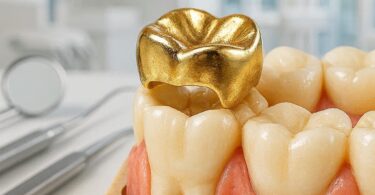
Before we dive into the numbers, let us talk about the device itself. A stainless steel crown is a pre-formed metal cap. Unlike crowns for adults, which are custom-made in a lab to match the color of natural teeth, SSCs are prefabricated.
They come in various sizes. The dentist selects the right size, adjusts it, and cements it onto the tooth.
Why are they used?
Stainless steel crowns are the “workhorses” of pediatric dentistry. They are used when a tooth is too damaged to hold a traditional filling.
Common reasons include:
-
Extensive decay: When a cavity is larger than the tooth structure remaining.
-
After a pulpotomy: Often called a “baby root canal,” this procedure requires a strong cap to protect the tooth afterward.
-
Developmental defects: Some children are born with enamel that is weak or brittle.
-
Fractures: If a child chips or breaks a tooth significantly.
The primary goal is to save the tooth. Baby teeth are space holders for permanent teeth. If a baby tooth is lost too early, it can cause crowding and alignment problems later. A stainless steel crown ensures the tooth stays in place until it is ready to fall out naturally.
The Main Dental Codes for Stainless Steel Crowns
When you look at your dental insurance statement, you will see a Current Dental Terminology (CDT) code. These codes are standardized across the United States. For stainless steel crowns, there is not just one code. The code changes based on which tooth is being treated.
There are four main codes you need to know. They are defined by the American Dental Association (ADA).
The Primary Tooth Codes
For baby teeth (deciduous teeth), the codes are specific to the type of tooth: molars (back teeth) or anteriors (front teeth).
D2930 – Prefabricated Stainless Steel Crown – Primary Tooth
This is the most common code you will see. It is used for a stainless steel crown placed on a primary (baby) molar.
Molars are the large, flat teeth in the back of the mouth used for grinding food. Because they endure the most pressure during chewing, they require the durability of stainless steel. When a dentist uses code D2930, they are billing for a crown on a back baby tooth.
Key Takeaway: If the procedure is on a back baby tooth, look for D2930.
D2931 – Prefabricated Stainless Steel Crown – Permanent Tooth
This code is less common in pediatric dentistry but is used in general dentistry. It refers to a stainless steel crown placed on a permanent (adult) tooth.
Adults rarely get stainless steel crowns on visible front teeth, but they are often used on permanent molars for patients who have bruxism (grinding) or for temporary protection while a permanent crown is being made. It is also used in cases where a patient cannot afford a porcelain crown immediately, acting as a long-term temporary solution.
D2932 – Prefabricated Stainless Steel Crown – Primary Tooth, with Resin Window
This code is specific to anterior (front) teeth.
Parents often worry about the aesthetic appearance of a silver cap on a front tooth. Dentists understand this. D2932 involves a stainless steel crown that has a “window” cut out of the front, which is then filled with a tooth-colored resin (composite). This gives the appearance of a natural front tooth while maintaining the structural integrity of the metal on the back side (lingual) of the tooth.
Key Takeaway: For a front baby tooth (incisor or canine) that needs a crown, the dentist usually uses D2932 to give it a more natural look.
D2933 – Prefabricated Stainless Steel Crown – Primary Tooth, with Resin (Full Coverage)
This is a variation of D2932. In some cases, the entire crown is coated or made of resin, but it still utilizes a stainless steel substructure. This code is used less frequently but represents a crown designed to be fully white, often used for aesthetics in the front or sometimes for molars in children who are highly concerned about the look of silver.
Comparative Table: Understanding the Codes
To help visualize the differences, here is a breakdown of how these codes compare. This table is a handy reference when reviewing your dental treatment plan.
| CDT Code | Description | Tooth Type | Primary Use Case | Aesthetic Quality |
|---|---|---|---|---|
| D2930 | Prefabricated SSC | Primary Molar (Back) | Extensive decay, pulpotomy, fracture on back teeth. | Silver/Metal finish. |
| D2931 | Prefabricated SSC | Permanent Tooth | Temporary adult crown, heavy grinding, cost-effective restoration. | Silver/Metal finish. |
| D2932 | SSC w/ Resin Window | Primary Anterior (Front) | Decay or trauma on front teeth; maintains natural smile. | Tooth-colored front; metal backing. |
| D2934 | Prefabricated Resin Crown | Primary Tooth | Aesthetic alternative for molars or anteriors (full white). | Tooth-colored (full). |
How Insurance Handles These Codes
Insurance coverage for stainless steel crowns is usually quite good, but there are nuances you need to understand.
The “Reasonable and Customary” Rule
Insurance companies determine the cost of a crown based on the code. For D2930 (baby molar), most insurance plans consider this a standard, necessary procedure. However, some insurance companies try to “downcode” the procedure.
Occasionally, an insurance company might argue that a filling (like a three-surface filling, D2940 or D2394) would have sufficed. If your dentist recommends a crown, it is usually because a filling is no longer viable. If insurance denies the crown, your dentist can send “narrative notes” (X-rays and a written explanation) to prove that the tooth structure was compromised beyond the point of a filling.
Annual Maximums
Most dental plans have an annual maximum (usually between $1,000 and $2,000 per person). A stainless steel crown can cost between $300 and $600 depending on your region and the dentist. If a child needs multiple crowns, this can quickly eat up the annual maximum.
Frequency Limitations
Pay attention to frequency limitations. Most insurance companies will only pay for a crown on the same tooth once every five to seven years. Since baby teeth fall out, this usually isn’t an issue, but if a crown fails or falls off soon after placement, the insurance may not cover a replacement if it is within the time limit.
The Procedure: What to Expect
Knowing the code is one thing. Knowing what your child will experience is another. Understanding the process can help reduce anxiety—for both you and your child.
Step 1: Anesthesia and Preparation
The dentist will numb the area using a local anesthetic. For children with high anxiety, nitrous oxide (laughing gas) may be offered. Once the tooth is numb, the dentist uses a dental drill to remove all decay and thin down the tooth. The tooth must be shaped to allow the crown to fit snugly.
Step 2: Pulpotomy (If Necessary)
If the decay was deep and reached the nerve, a pulpotomy is performed. This involves removing the infected portion of the pulp (nerve) while leaving the healthy roots intact. A medicament is placed to soothe the nerve. This procedure is often billed separately using codes like D3220 (therapeutic pulpotomy).
Step 3: Fitting the Crown
The dentist selects a crown size. It is placed over the tooth to check the fit, bite, and contact with neighboring teeth. Adjustments are made using a metal polisher or drill.
Step 4: Cementation
Once the fit is perfect, the tooth is dried, and dental cement is applied inside the crown. The crown is pressed firmly into place. Excess cement is removed, and the dentist checks the bite one last time to ensure the child can close their mouth comfortably.
Caring for Stainless Steel Crowns
A stainless steel crown does not require special maintenance, but it does require vigilance.
-
Brushing and Flossing: You must brush around the crown just like a natural tooth. Flossing is crucial. While the crown itself cannot decay, the tooth structure underneath can. If food and plaque build up at the margin where the crown meets the gum line, decay can start, leading to failure of the crown.
-
Sticky Foods: Be mindful of sticky candies like caramel, taffy, or gummies. These can pull at the edges of the crown. While the cement is strong, sticky foods can eventually weaken the seal.
-
Shedding: A stainless steel crown on a baby tooth will fall out with the tooth. When the permanent tooth underneath begins to erupt, it will push the baby tooth out, crown and all. Parents often worry when the tooth doesn’t fall out “on time,” but the crown usually exfoliates naturally.
Cost Breakdown and Financial Considerations
Let’s talk numbers. The cost for a stainless steel crown varies widely based on geographic location, the dentist’s specialty, and whether you have insurance.
Average Costs (Without Insurance)
If you are paying out-of-pocket, here is a general estimate:
-
D2930 (Primary Molar): $300 – $500 per tooth.
-
D2932 (Front Tooth with Window): $350 – $550 per tooth.
-
Pulpotomy (D3220): $200 – $350 per tooth (if done in conjunction with the crown).
In-Network vs. Out-of-Network
If you have insurance, being in-network typically means the dentist has negotiated a contracted rate. You are responsible for the co-pay or coinsurance.
For example:
-
Billed amount: $450 (D2930)
-
Insurance Negotiated Rate: $350
-
Insurance Pays (50% coverage): $175
-
You Pay: $175
If the dentist is out-of-network, you may be responsible for the balance between the insurance payment and the dentist’s full fee (balance billing).
Important Notes for Readers
Note: Dental codes are standardized, but insurance plans are not. A code that is covered 80% by one plan might be covered only 50% by another. Always call your insurance provider to verify your specific benefits for D2930 or D2932 before the procedure.
Note on Medical Necessity: If a stainless steel crown is required due to trauma (an accident), it may sometimes be covered under your medical insurance rather than dental insurance. If your child falls and chips a tooth, check with both insurance plans to maximize your benefits.
Note on Pulpotomy Bundling: Some insurance companies “bundle” the pulpotomy (D3220) with the crown. This means they consider the nerve treatment part of the crown procedure and will not pay for it separately. Check your Explanation of Benefits (EOB) carefully.
Frequently Asked Questions (FAQ)
Q: Is a stainless steel crown necessary? Can’t we just do a filling?
A: If a dentist is recommending a crown, it is likely because the cavity is so large that a filling would not stay put. Fillings on baby teeth have a higher failure rate when the decay covers multiple surfaces. A crown covers the entire tooth, protecting it from fracturing.
Q: Will the silver crown affect my child’s permanent teeth?
A: No. In fact, it protects the space for the permanent tooth. The permanent tooth will eventually dissolve the root of the baby tooth, causing the crown to fall out naturally. There is no harm to the developing permanent tooth underneath.
Q: My child needs a crown, but I am scared of the dentist. What are my options?
A: Many pediatric dentists offer sedation options. This can range from nitrous oxide (laughing gas) to oral conscious sedation. If your child is very young or extremely anxious, discuss sedation options with your dentist to ensure a safe and stress-free experience.
Q: How long do stainless steel crowns last?
A: On average, they last until the baby tooth falls out (usually 5 to 10 years). However, they can fail sooner if oral hygiene is poor (leading to recurrent decay at the margin) or if the cement breaks down. With good care, they typically last the lifespan of the baby tooth.
Q: Is D2930 the same as a “silver cap”?
A: Yes. In clinical terminology, D2930 is the code for the “prefabricated stainless steel crown” which is commonly referred to as a silver cap.
Additional Resources
Understanding dental procedures is a critical part of being an advocate for your child’s health. For more information on pediatric dental procedures, sedation options, and managing dental anxiety, we recommend visiting the American Academy of Pediatric Dentistry (AAPD).
You can find a wealth of parent-friendly resources and locate a board-certified pediatric dentist in your area by visiting their official website.
Link: American Academy of Pediatric Dentistry – Parent Resource Center
Conclusion
In summary, the dental code for a stainless steel crown is not a single number but a range of codes tailored to the specific situation. For a baby molar, D2930 is the standard. For a front tooth, D2932 ensures aesthetics are preserved. Understanding these distinctions allows you to review treatment plans with confidence, ensuring your child receives the necessary care to maintain a healthy smile.
Disclaimer: This article is for informational purposes only and does not constitute medical advice or dental billing advice. Dental codes and insurance policies vary by provider and region. Always consult with a licensed dental professional regarding your specific health situation and verify coverage details with your insurance carrier.
Author: Professional Dental Content Team
Date: March 28, 2026