Jaundice, characterized by yellowing of the skin and eyes due to elevated bilirubin levels, is a common clinical condition affecting newborns and adults. Proper diagnosis and coding are crucial for treatment, billing, and statistical tracking in healthcare. The International Classification of Diseases, 10th Revision (ICD-10) provides specific codes for different types of jaundice, ensuring accurate medical records and reimbursement.
This guide explores the ICD-10 codes for jaundice, their clinical relevance, and best practices for documentation. Whether you’re a medical coder, healthcare provider, or student, this article will enhance your understanding of jaundice classification.

ICD-10 Code for Jaundice
2. Understanding Jaundice: Definition and Causes
Jaundice occurs when bilirubin—a byproduct of red blood cell breakdown—accumulates in the bloodstream. The liver typically processes bilirubin, but dysfunction in any step of metabolism can lead to jaundice.
Key Causes of Jaundice:
-
Pre-hepatic (Hemolytic): Excessive RBC destruction (e.g., sickle cell anemia, malaria).
-
Hepatic (Hepatocellular): Liver damage (e.g., hepatitis, cirrhosis).
-
Post-hepatic (Obstructive): Bile duct blockage (e.g., gallstones, tumors).
3. Types of Jaundice and Their Clinical Significance
| Type | Cause | Common Conditions |
|---|---|---|
| Hemolytic Jaundice | Excessive RBC breakdown | Sickle cell anemia, G6PD deficiency |
| Hepatocellular Jaundice | Liver dysfunction | Hepatitis, cirrhosis, alcoholism |
| Obstructive Jaundice | Bile flow obstruction | Gallstones, pancreatic cancer |
| Neonatal Jaundice | Immature liver in newborns | Physiological jaundice, Rh incompatibility |
4. ICD-10 Coding System: An Overview
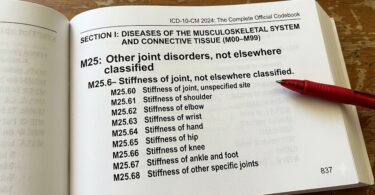
The ICD-10-CM (Clinical Modification) system standardizes disease classification for diagnosis, billing, and epidemiology. Each condition has a unique alphanumeric code, allowing precise medical documentation.
5. ICD-10 Codes for Jaundice
5.1 Neonatal Jaundice (P55, P58, P59)
-
P55 – Hemolytic disease of the newborn
-
P58 – Neonatal jaundice due to other hemolysis
-
P59 – Neonatal jaundice from other causes
5.2 Obstructive Jaundice (K83.1)
-
K83.1 – Obstruction of the bile duct
5.3 Hemolytic Jaundice (D55-D59)
-
D55.9 – Anemia due to enzyme disorder, unspecified
-
D58.9 – Hereditary hemolytic anemia, unspecified
5.4 Hepatocellular Jaundice (K70-K77)
-
K70.30 – Alcoholic cirrhosis with jaundice
-
K71.11 – Drug-induced liver injury with jaundice
5.5 Unspecified Jaundice (R17)
-
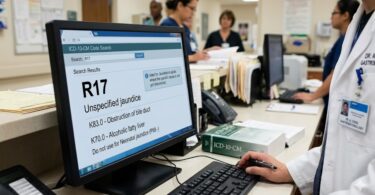
R17 – Unspecified jaundice
6. Clinical Documentation and Coding Best Practices
-
Specify the type and cause of jaundice for accurate coding.
-
Use additional codes for underlying conditions (e.g., B18.2 for chronic hepatitis C).
-
Avoid R17 unless the cause is unknown.
7. Common Mistakes in Coding Jaundice
-
Using R17 instead of a more specific code.
-
Failing to document associated conditions (e.g., cirrhosis, hepatitis).
-
Confusing neonatal jaundice codes with adult jaundice codes.
8. Impact of Accurate Coding on Healthcare Billing
Correct coding ensures:
✔ Proper reimbursement
✔ Accurate disease tracking
✔ Improved patient care
9. Case Studies and Real-World Examples
Case 1: A 60-year-old with obstructive jaundice due to pancreatic cancer → K83.1 + C25.9.
Case 2: A newborn with physiological jaundice → P59.9.
10. Conclusion
Jaundice requires precise ICD-10 coding for effective diagnosis and billing. Understanding the differences between hemolytic, hepatocellular, obstructive, and neonatal jaundice ensures accurate documentation. Always refer to the latest ICD-10-CM guidelines for updates.
11. FAQs
Q1. What is the ICD-10 code for jaundice unspecified?
A: R17 (Unspecified jaundice).
Q2. How do you code jaundice in a newborn?
A: Use P55-P59 (Neonatal jaundice codes).
Q3. What is the code for obstructive jaundice?
A: K83.1 (Obstruction of bile duct).
Q4. Can jaundice be a symptom of another condition?
A: Yes, always code the underlying cause (e.g., hepatitis, gallstones).