Dental procedure codes are the backbone of dental billing, insurance claims, and patient record-keeping. These codes, known as Current Dental Terminology (CDT) codes, are standardized by the American Dental Association (ADA) and used universally by dentists, insurers, and healthcare providers.
Understanding these codes is crucial for dental professionals to ensure accurate billing, maximize insurance reimbursements, and maintain compliance. For patients, knowing common dental codes can help demystify treatment plans and insurance statements.
In this comprehensive guide, we will explore the most common dental procedure codes, their categories, billing implications, and recent updates. Whether you’re a dentist, dental hygienist, office administrator, or a curious patient, this article will provide valuable insights into dental coding.

Most Common Dental Procedure Codes
2. Understanding Dental Procedure Codes
What Are CDT Codes?
CDT codes are five-character alphanumeric codes used to describe dental procedures. They are updated annually by the ADA to reflect new treatments, technologies, and industry standards.
Example:
-
D0120 – Periodic oral evaluation
-
D1110 – Adult prophylaxis (cleaning)
Importance of Dental Coding
-
Ensures accurate insurance claims processing.
-
Helps in tracking treatment history.
-
Reduces denials and delays in reimbursements.
-
Facilitates uniform communication between providers and insurers.
3. Categories of Dental Procedure Codes
Dental codes are grouped into categories based on treatment type:
A. Diagnostic Codes (D0100-D0999)
Includes exams, X-rays, and diagnostic tests.
-
D0140 – Limited oral evaluation
-
D0210 – Full mouth X-rays
B. Preventive Codes (D1000-D1999)
Covers cleanings, fluoride treatments, and sealants.
-
D1110 – Adult prophylaxis
-
D1206 – Fluoride varnish
C. Restorative Codes (D2000-D2999)
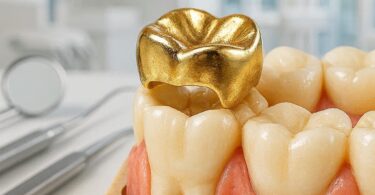
Includes fillings, crowns, and inlays.
-
D2391 – Resin-based composite filling (1 surface)
-
D2740 – Crown – porcelain/ceramic
D. Endodontic Codes (D3000-D3999)
Root canals and related treatments.
-
D3310 – Anterior root canal
-
D3348 – Retreatment of root canal
E. Periodontal Codes (D4000-D4999)
Gum disease treatments.
-
D4341 – Scaling & root planing (per quadrant)
-
D4910 – Periodontal maintenance
F. Prosthodontic Codes (D5000-D5899)
Dentures, bridges, and implants.
-
D5130 – Immediate denture
-
D6010 – Surgical implant placement
G. Oral Surgery Codes (D7000-D7999)
Extractions and surgical procedures.
-
D7140 – Tooth extraction (simple)
-
D7210 – Surgical extraction
H. Orthodontic Codes (D8000-D8999)
Braces and aligners.
-
D8080 – Comprehensive orthodontic treatment
4. Most Frequently Used Dental Codes
Below are 20 of the most commonly billed dental codes:
| Code | Description | Frequency |
|---|---|---|
| D0120 | Periodic oral evaluation | High |
| D1110 | Adult prophylaxis (cleaning) | Very High |
| D0274 | Bitewing X-rays (4 films) | High |
| D2391 | Resin composite filling (1 surface) | High |
| D2750 | Crown – porcelain fused to metal | Moderate |
(Table 1: Top Preventive & Diagnostic Codes)
| Code | Description | Frequency |
|---|---|---|
| D7140 | Simple tooth extraction | High |
| D4341 | Scaling & root planing (per quad) | Moderate |
| D6010 | Surgical implant placement | Increasing |
(Table 2: Most Billed Restorative & Surgical Codes)
5. How Dentists Use Procedure Codes
A. Billing & Claims Processing
-
Ensures correct reimbursement from insurance.
-
Helps in audit-proof documentation.
B. Common Coding Errors & Fixes
-
Upcoding/Downcoding – Billing a more/less complex procedure than performed.
-
Unbundling – Separately billing procedures that should be grouped.
-
Missing Documentation – Not providing X-rays or notes to justify treatment.
Solution: Regular staff training and using updated CDT manuals.
6. Updates in Dental Coding (2024 Changes)
-
New codes for teledentistry (D9995-D9996).
-
Revised implant codes (D6057-D6199).
-
Modified periodontal maintenance guidelines.
7. Conclusion
Dental procedure codes are essential for efficient practice management and insurance processing. By understanding the most common CDT codes, dental professionals can improve billing accuracy, reduce claim denials, and enhance patient communication. Staying updated with annual changes ensures compliance and maximizes reimbursements.
8. FAQs
Q1: How often are CDT codes updated?
A: Annually by the ADA, with new editions released each year.
Q2: Can a dental claim be denied due to incorrect coding?
A: Yes, using outdated or wrong codes leads to claim rejections.
Q3: Where can I find the full list of CDT codes?
A: The ADA’s official CDT manual or their website.