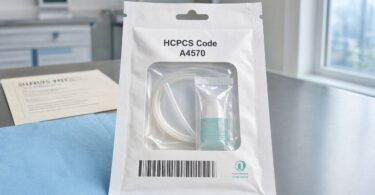
If you or a loved one has recently been prescribed breathing treatments, you have probably faced a common question: Should you rent a nebulizer or buy one?
It sounds simple. But once you hear words like “durable medical equipment,” “insurance caps,” and “HCPCS codes,” it gets confusing fast.
You are not alone. Many people feel stuck between the low upfront cost of renting and the long-term freedom of owning.
This guide will walk you through every detail. We will talk money, medical codes, insurance rules, and real-life scenarios. No complicated jargon. No hidden tricks. Just honest, friendly advice to help you choose what fits your life.

What Exactly Is a Nebulizer?
Before we talk about money and codes, let’s make sure we are on the same page.
A nebulizer is a medical device that turns liquid medicine into a fine mist. You breathe that mist through a mask or a mouthpiece. It goes directly into your lungs.
Doctors often prescribe nebulizers for:
- Asthma
- COPD (Chronic Obstructive Pulmonary Disease)
- Cystic fibrosis
- Severe allergies
- Bronchitis or pneumonia
There are two main types:
- Jet nebulizers – Use compressed air. Very common and reliable.
- Ultrasonic or mesh nebulizers – Smaller, quieter, and faster. Often more expensive.
Now that we know what a nebulizer does, let’s talk about how to get one.
The Big Question: Rent or Buy?
This decision usually comes down to three things:
- How long you will need the device
- Your insurance coverage
- Your budget
Let’s look at each option separately.
Renting a Nebulizer
Renting means you pay a monthly fee to use a machine that belongs to a supplier.
Pros of renting:
- Low upfront cost (sometimes zero with good insurance)
- Maintenance and repairs are usually covered
- Easy to upgrade if your needs change
- Great for short-term use (a few weeks or months)
Cons of renting:
- Monthly fees add up over time
- You must return the device when you stop renting
- Some rental contracts are hard to cancel
- You cannot customize or modify the machine
Buying a Nebulizer
Buying means you pay once and own the device forever.
Pros of buying:
- Cheaper in the long run if you need it for over six months
- No monthly bills
- You keep it even if you change insurance
- You can use it anytime without approval
Cons of buying:
- Higher upfront cost
- You pay for repairs or replacements
- If you only need it for a short time, buying costs more
- You must store and maintain it yourself
Real talk: If your doctor says you need a nebulizer for a year or more, buying usually saves you money. If it’s just for two months after surgery, renting is often smarter.
Understanding Nebulizer Rental vs Purchase Codes (HCPCS)
Now we get to the part that confuses most people: the codes.
Insurance companies and Medicare do not use product names like “Philips Respironics” or “Omron.” They use codes from a system called HCPCS (Healthcare Common Procedure Coding System).
These codes tell the insurance company:
- What type of equipment you need
- Whether you should rent or buy
- How much they will pay
Let’s break down the most common codes.
The Main HCPCS Code for Nebulizers
E0570 – This is the code for a standard nebulizer with a compressor. It is the most common code you will see.
But here is where it gets interesting. E0570 can be billed as a rental OR a purchase. The supplier chooses based on your insurance plan and medical need.
Rental Codes
When a supplier plans to rent you a nebulizer, they often use modifier codes like:
- RR (Rental) – This means the item is being rented
- KH (Initial month rental) – Used for the first month
- KI (Subsequent months rental) – Used for months two and three
- KJ (Long-term rental) – Used after three months
For example, a rental claim might look like: E0570 – RR
Purchase Codes
If you buy the nebulizer, the supplier uses a different modifier:
- NU (New equipment purchase) – This means you are buying a new device
A purchase claim looks like: E0570 – NU
Medicare’s Special Rule: The Cap on Rentals
Medicare has a unique rule for nebulizers. It is called the “Capped Rental.”
Here is how it works:
- You rent the nebulizer for 13 continuous months
- After 13 months, Medicare stops paying rent
- You automatically own the device without paying extra
So with Medicare, you effectively rent for a year, then buy it for free. This is great news for most patients.
But be careful. Not all insurance plans follow this rule. Private insurance might ask you to rent forever or buy upfront.
Important note: Always ask your supplier, “Is this a capped rental or a monthly rental without ownership?” Get the answer in writing.
Comparison Table: Rental vs Purchase Costs
Let’s look at real numbers. These are average prices in the United States (not exact, but close).
| Cost Factor | Renting | Purchasing |
|---|---|---|
| Upfront payment | $0 – $50 (deposit) | $50 – $300 |
| Monthly fee | $25 – $60 | $0 |
| Total after 3 months | $75 – $180 | $50 – $300 |
| Total after 6 months | $150 – $360 | $50 – $300 |
| Total after 12 months | $300 – $720 | $50 – $300 |
| Ownership after 12 months | No (except Medicare) | Yes |
| Repair costs | Covered by supplier | You pay |
What this table tells you:
- If you need it for less than 3 months, renting is cheaper
- If you need it for more than 6 months, buying is cheaper
- If you have Medicare, renting is almost always better because you own it after 13 months
How Insurance Companies Decide Rental vs Purchase
Insurance does not just guess. They follow strict rules.
Here are the factors that influence their decision:
1. Expected length of need
Your doctor must send a prescription that says how long you will need the nebulizer.
- Short-term (under 3 months): Insurance prefers rental
- Long-term (over 12 months): Insurance may approve purchase
2. Type of nebulizer
Basic jet nebulizers (E0570) are often purchase-eligible. But expensive ultrasonic or mesh nebulizers (often E0572 or E0574) are almost always rental only. The insurance company does not want to pay $800 for a device you use for two months.
3. Your insurance plan
- Medicare Advantage or Original Medicare: Follows the 13-month capped rental rule
- Medicaid: Varies by state. Some states purchase, others rent
- Private PPO or HMO: Varies wildly. Call your member services number
4. Prior authorization
Some plans require the supplier to get approval before you rent or buy. If they skip this step, you could be stuck with the full bill.
A real example: Sarah has COPD. Her doctor said she needs a nebulizer for life. Her private insurance said, “We do not purchase nebulizers. Rent only, $35 per month.” Sarah paid $420 per year for five years. That is $2,100 for a machine that costs $150 to buy. Always check your plan’s policy.
Step-by-Step: How to Read Your Insurance Policy for Nebulizer Coverage
You do not need to be a lawyer to understand your benefits. Follow these steps.
Step 1: Find your “Durable Medical Equipment” (DME) section
Look in your policy booklet or online portal. Search for “DME” or “home medical equipment.”
Step 2: Look for “Nebulizer” or “Respiratory equipment”
Some policies list specific devices. Others group them under “respiratory therapy.”
Step 3: Find the words “rental” or “purchase”
The policy will usually say something like:
- “Nebulizers are covered as a purchase every 5 years”
- “Nebulizers are covered as a rental for up to 13 months”
- “Nebulizers are not covered. Patient must self-pay.”
Step 4: Check your deductible and coinsurance
Even if they cover rental or purchase, you may owe:
- A deductible (e.g., $500 per year)
- Coinsurance (e.g., 20% of the cost)
Step 5: Call member services
Do not guess. Call the number on your insurance card. Ask these exact questions:
- “Does my plan cover nebulizers as rental or purchase?”
- “What HCPCS codes are covered?”
- “Is there a capped rental period?”
- “Do I need prior authorization?”
- “What is my out-of-pocket cost?”
Write down the name of the person you speak with and the date.
When Renting Makes More Sense (Even If You Could Buy)
Sometimes renting is the wiser choice, even if buying looks cheaper on paper.
Rent if:
- You only need the nebulizer for less than 6 months
- You are trying a new medication that might not work
- You travel often and want a different machine at home
- Your insurance offers a capped rental that leads to ownership
- You do not want to worry about repairs or maintenance
- You live in a temporary home (rental apartment, assisted living)
A good rental scenario:
Jordan had pneumonia after the flu. His doctor said he would need nebulizer treatments for 8 weeks. He rented for $30 per month. Total cost: $60. Buying would have cost $200. He saved $140 and returned the machine when he was healthy.
When Buying Makes More Sense (Even If You Pay Upfront)
Buying is not always the right choice, but it shines in certain situations.
Buy if:
- You need the nebulizer for more than 12 months
- You have a chronic condition like COPD or cystic fibrosis
- You want to use your own machine while traveling
- Your insurance offers a one-time purchase with a low copay
- You hate monthly bills and paperwork
- You want a specific model (like a portable mesh nebulizer)
A good purchase scenario:
Elena has asthma attacks triggered by seasonal allergies. She needs a nebulizer every spring and fall. She bought a portable mesh nebulizer for $250. She has used it for four years. That is $62 per year. Renting would have cost $360 per year. She saved over $1,000.
Hidden Costs You Might Not Expect
Both renting and buying have sneaky costs. Let’s pull back the curtain.
Rental hidden costs:
- Delivery fees – Some suppliers charge $10–$25 to drop off the machine
- Pickup fees – They might charge you to take it back
- Late fees – Return it one day late? That could be another month’s rent
- Cleaning fees – If you return a dirty machine, you pay a penalty
- Insurance verification fees – Some suppliers charge you to call your insurance
Purchase hidden costs:
- Replacement parts – Tubing, masks, and filters wear out. Budget $20–$50 per year.
- Batteries – Portable units eat batteries. Rechargeable ones are better.
- Repairs – If the compressor breaks after one year, you pay to fix it or buy a new one
- Cleaning supplies – You need distilled water, mild soap, and disinfectant
Pro tip: Whether you rent or buy, always ask for a written cost breakdown before you sign anything. If they refuse, find another supplier.
How to Find a Trusted Nebulizer Supplier
Not all suppliers are honest. Some will push you toward rental because they make more money over time.
Here is how to find a good one.
Red flags to avoid:
- They refuse to give you HCPCS codes before billing
- They say, “Don’t worry, insurance will cover it” without checking
- They charge high “setup fees” or “administrative fees”
- They have many complaints on the Better Business Bureau or Google reviews
Green flags to look for:
- They ask for your insurance information upfront
- They explain rental vs purchase clearly
- They offer to check your benefits before delivering anything
- They have been in business for over five years
- They have physical addresses (not just a PO box)
Where to find good suppliers:
- Ask your doctor’s office for recommendations
- Call your insurance company for a list of in-network DME suppliers
- Check Medicare’s supplier directory online
- Read reviews on sites like Healthgrades or Yelp
Frequently Asked Questions (FAQ)
1. Does Medicare pay for nebulizer rentals?
Yes. Medicare Part B covers nebulizers as durable medical equipment. You pay 20% of the Medicare-approved rental amount after you meet your Part B deductible. The rental is capped at 13 months, then you own the device.
2. Can I buy a nebulizer without a prescription?
Technically, you can buy a nebulizer online without a prescription. But you cannot buy the nebulizer medication (like albuterol) without one. Also, insurance will not pay if you buy without a prescription.
3. What is the difference between E0570 and E0572?
- E0570 – Standard compressor nebulizer (most common)
- E0572 – Ultrasonic or mesh nebulizer (smaller, more expensive, often rental only)
4. Can I use my HSA or FSA to buy a nebulizer?
Yes. Health Savings Accounts (HSA) and Flexible Spending Accounts (FSA) cover nebulizers, masks, tubing, and even cleaning supplies. Keep your receipts.
5. What happens if I rent but never return the nebulizer?
The supplier will keep billing you monthly. Some contracts automatically charge your credit card. If you stop paying, they may send your account to collections. Always formally cancel your rental in writing.
6. Can I switch from rental to purchase later?
Sometimes. Ask your supplier. Many will apply a percentage of your rental fees toward the purchase price. But not all do this. Ask before you rent.
7. Do all states have the same rental rules?
No. Medicaid rules vary by state. Some states purchase after 6 months. Others rent indefinitely. Contact your state’s Medicaid office for local rules.
Checklist: Questions to Ask Before You Rent or Buy
Print this list or save it on your phone. Bring it to every conversation with your doctor and supplier.
Ask the doctor:
- How long will I need this nebulizer?
- Is a standard compressor enough, or do I need an ultrasonic model?
- Can you write the prescription for purchase if that is better for me?
Ask the supplier:
- What HCPCS code will you bill?
- Is this a rental or a purchase?
- If rental, is it capped (do I own it after a certain time)?
- What is my monthly cost after insurance?
- What is my total out-of-pocket if I buy?
- Do you include masks, tubing, and filters?
- What is your return or cancellation policy?
- Do you charge delivery or pickup fees?
Ask your insurance company:
- Does my plan cover nebulizers?
- What is my deductible and coinsurance?
- Do I need prior authorization?
- Is there a limit on how long I can rent?
- Do you cover replacement parts?
Real-Life Scenarios: Which Path Did They Choose?
Let’s walk through three different people. See which one sounds like you.
Scenario 1: Short-term need after surgery
Maria, age 58. Hip replacement surgery. Doctor says she needs a nebulizer for 6 weeks to prevent pneumonia.
Her choice: Rent
Why: Low upfront cost. No need to store a machine after recovery. Total cost: $45 (one month’s rent because first month was free with insurance).
Scenario 2: Lifelong chronic condition
David, age 45. Diagnosed with COPD. Needs daily nebulizer treatments for life.
His choice: Buy
Why: He bought a standard compressor for $180 after insurance. He has used it for 3 years. Renting would have cost over $1,200. He saved more than $1,000.
Scenario 3: Medicare patient
Ruth, age 72. Cystic fibrosis. Needs a high-end mesh nebulizer.
Her choice: Rent through Medicare
Why: Medicare’s capped rental means she pays 20% for 13 months, then owns it. She gets an expensive model without paying the full price upfront.
Additional Resource for Readers
For official, up-to-date information on Medicare coverage for nebulizers, visit the Medicare.gov Durable Medical Equipment page.
🔗 Link: https://www.medicare.gov/coverage/nebulizers
This government website provides:
- The latest HCPCS code list
- Supplier enrollment requirements
- Appeals process if your claim is denied
- Printable guides for your doctor
Disclaimer: This link directs to an official .gov website. Always verify coverage changes each year, as Medicare updates its policies annually.
Final Summary and Key Takeaways
We have covered a lot of ground. Let’s bring it home with three simple lines.
Conclusion:
Rent a nebulizer if you need it for less than six months or have Medicare’s capped rental. Buy a nebulizer if you need it for over a year to save money long-term. Always check your insurance policy, ask for HCPCS codes, and get everything in writing before you agree to rental or purchase