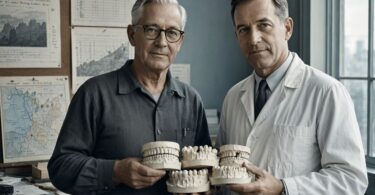
Dental implants represent the gold standard for replacing missing teeth. They restore function, preserve bone, and provide a natural-looking solution that can last a lifetime. However, the price often gives patients pause. A single dental implant, including the surgical placement and the final crown, typically costs between $3,000 and $6,000 in the United States. For those needing multiple implants or full-arch restorations, the total can reach tens of thousands of dollars. This article, framed around the common question posed to providers like Zentist, explores the detailed breakdown of implant costs, the value proposition they offer, and the factors that influence the final fee.

Zentist Why Are Dental Implants So Costly?
Understanding What a Dental Implant Truly Is
A dental implant is not a simple screw placed in the jaw. It is a sophisticated medical device that replaces the entire structure of a missing tooth, from root to crown.
The Three Components of an Implant Restoration
A complete dental implant restoration consists of three distinct parts, each contributing to the total cost.
The Implant Fixture: This is the titanium or zirconia post surgically placed into the jawbone. It serves as the artificial root and integrates with the bone through a process called osseointegration. The fixture itself represents a significant portion of the material cost.
The Abutment: This connector piece attaches to the implant fixture and protrudes through the gum tissue. It provides the foundation upon which the final crown sits. Abutments can be stock, custom-cast, or custom-milled from titanium or zirconia.
The Crown: This is the visible tooth portion. It is typically made from porcelain fused to metal, all-ceramic, or zirconia. The crown is custom-fabricated to match your adjacent teeth in shape, size, and color.
The Surgical Phase: Skill, Planning, and Precision
The surgical placement of an implant requires extensive planning and technical execution. This phase carries substantial cost drivers.
Diagnostic Imaging and Treatment Planning
Before surgery, the dentist or specialist must visualize the surgical site in three dimensions. Cone beam computed tomography, or CBCT, provides detailed images of bone density, nerve locations, and sinus anatomy. This imaging costs the practice money to acquire and maintain the equipment. The dentist then studies these images to plan the ideal implant position, angle, and depth.
Advanced cases may involve digital implant planning software that creates a virtual surgical guide. This technology allows the dentist to simulate the procedure before touching the patient. Surgical guides, 3D-printed from the digital plan, ensure precise placement during the actual surgery. These guides add cost but dramatically improve accuracy and safety.
The Surgeon’s Expertise
Placing dental implants requires specific surgical training. General dentists who place implants invest in continuing education courses, cadaver training, and mentorship programs. Specialists such as oral surgeons and periodontists complete years of hospital-based residency training focused on surgical procedures and tissue management.
The surgeon’s fee reflects this expertise. A practitioner who has placed thousands of implants and manages complex cases involving bone grafting or sinus lifts commands higher fees than a novice. The fee also covers the surgeon’s ability to manage potential complications, including nerve injury, bleeding, or implant malposition.
Surgical Facility and Sterility
Implant surgery requires a sterile surgical environment. The operatory must meet strict infection control standards. Surgical instruments undergo specialized cleaning and sterilization protocols. Disposable surgical drapes, sterile saline, specialized drills, and implant-specific instrumentation add to the per-procedure cost.
The Cost of the Implant Fixture Itself
The implant fixture is not a commodity item. Major implant manufacturers invest heavily in research and development.
Research, Development, and Clinical Testing
Companies like Straumann, Nobel Biocare, and Zimmer Biomet spend decades and millions of dollars developing implant surfaces and designs that promote rapid and predictable bone integration. The surface treatment of the implant, often involving sandblasting, acid-etching, or proprietary coatings, results from extensive scientific investigation. Clinical trials demonstrating long-term success rates justify the premium pricing of established implant brands.
Manufacturing Precision
Dental implants require machining tolerances measured in microns. The connection between the implant and abutment must fit with extraordinary precision to prevent bacterial leakage and mechanical failure. This level of manufacturing demands sophisticated computer numerical control machinery and rigorous quality assurance. Cheaper implant copies, sometimes available from unregulated sources, lack these quality controls and carry higher failure risks.
The Restorative Phase: From Abutment to Crown
Once the implant integrates with the bone, the restorative phase begins. This phase involves the abutment and the final crown.
Abutment Selection and Fabrication
Stock abutments, mass-produced in standard shapes, cost less but may not fit every clinical situation ideally. Custom abutments, designed from a digital scan of the implant position, provide optimal emergence profile and support for the overlying crown. Custom abutments cost more due to the laboratory time and technology required.
Crown Fabrication and Aesthetics
The final crown demands aesthetic excellence, especially in the front of the mouth. A skilled laboratory technician layers ceramic materials to mimic natural tooth translucency and characterization. This artistry commands higher fees than a generic crown. The materials used, whether lithium disilicate, layered zirconia, or porcelain fused to metal, also influence cost.
Bone Grafting and Adjunctive Procedures
Many implant patients require additional procedures to create adequate bone volume for implant placement. Tooth loss leads to bone resorption over time. The jawbone shrinks where teeth are missing.
Types of Bone Grafts
| Graft Type | Description | Approximate Added Cost |
|---|---|---|
| Socket Preservation | Graft placed immediately after extraction | $300 – $800 |
| Minor Ridge Augmentation | Graft to rebuild small bone defect | $500 – $1,500 |
| Major Block Graft | Autogenous bone from patient’s chin or ramus | $2,000 – $4,000 |
| Sinus Lift | Elevating sinus membrane and adding bone | $1,500 – $5,000 |
These procedures require additional surgical time, materials, and healing periods before implant placement becomes possible. The graft materials themselves, whether synthetic, bovine-derived, or harvested from the patient, carry distinct costs.
Geographic and Provider Variation in Implant Pricing
Implant costs vary significantly based on location and provider type.
Regional Cost Differences
| Region | Average Single Implant Cost (Full Restoration) |
|---|---|
| Northeast Corridor | $4,500 – $6,500 |
| West Coast Metropolitan | $4,000 – $6,000 |
| Southeast | $3,000 – $4,500 |
| Midwest | $3,000 – $4,500 |
| Rural Areas | $2,500 – $4,000 |
Specialist vs. General Dentist Pricing
Oral surgeons and periodontists typically charge higher surgical fees than general dentists. However, they also manage more complex cases and may achieve more predictable outcomes in challenging situations. A general dentist placing a straightforward implant in abundant bone can often offer a lower fee while maintaining quality.
The Value Proposition: Cost Per Year of Service
When evaluating the cost of dental implants, consider the alternative and the longevity.
Comparing Tooth Replacement Options
| Option | Initial Cost | Expected Lifespan | Annual Cost Over 20 Years |
|---|---|---|---|
| Dental Implant | $4,500 | 25+ years | $180 or less |
| Fixed Bridge (3-unit) | $3,500 – $5,000 | 10-15 years | $230 – $500 |
| Removable Partial Denture | $1,500 – $3,000 | 5-10 years | $150 – $600 |
| No Replacement | $0 | N/A | Adjacent teeth drift, bone loss, functional issues |
The implant’s long-term value emerges clearly when amortized over decades. Bridges require replacement and involve preparation of adjacent healthy teeth. Partial dentures accelerate bone loss and require adjustments or replacement. The implant preserves bone and stands independently.
Zentist’s Role in Making Implants Accessible
Companies like Zentist focus on streamlining the financial and administrative aspects of dental implant treatment.
Insurance Verification and Claims Management
Zentist’s platform automates insurance verification and claims processing, reducing administrative burden for dental practices. This efficiency allows practices to focus on clinical care and potentially offer more competitive pricing.
Patient Financing and Payment Solutions
Zentist provides patient financing options that break large implant treatment plans into affordable monthly payments. By facilitating access to credit and managing the payment process, Zentist helps patients proceed with treatment that might otherwise be financially out of reach.
Common Questions About Implant Costs Answered
Why Do Some Clinics Advertise Extremely Low-Cost Implants?
Aggressive marketing of $999 or $1,499 implants often includes only the implant fixture or the surgical placement. The abutment and crown may be additional. Some low-cost clinics use less established implant brands with limited long-term data. Others cut costs by rushing treatment or omitting proper diagnostic steps. Always request a comprehensive treatment plan detailing all included services.
Does Dental Insurance Cover Implants?
Coverage varies widely. Some plans provide a benefit toward the crown portion while excluding the surgical phase. Others have implant-specific exclusions entirely. Medical insurance may cover implant treatment related to trauma or congenital conditions. A thorough benefits check before treatment prevents surprise bills.
Conclusion
Zentist and other industry players field the question “Why are dental implants so costly?” daily. The answer involves implant technology research, surgical expertise, diagnostic imaging, laboratory artistry, and the potential need for bone grafting. The cost reflects a permanent, bone-preserving solution that, when amortized over decades, often proves more economical than alternatives requiring repeated replacement. Understanding these components helps patients appreciate the value behind the price.
Frequently Asked Questions
How long does the implant process take from start to finish?
The timeline varies from three to nine months or longer. Healing periods allow for bone integration before the final crown is attached. Complex cases with grafting may extend the timeline.
Is the implant procedure painful?
Most patients report that the surgery is less uncomfortable than anticipated. Local anesthesia ensures comfort during the procedure. Post-operative soreness typically responds well to over-the-counter pain relievers.
What is the success rate of dental implants?
Well-maintained implants in healthy patients enjoy success rates exceeding 95 percent over ten years. Factors like smoking, uncontrolled diabetes, and poor oral hygiene reduce success rates.
Can a failed implant be replaced?
Yes, in most cases. The failed implant is removed, the site is allowed to heal, and a new implant can often be placed after addressing the cause of failure.
Additional Resource
For comprehensive information on dental implant research and patient education, visit the American Academy of Implant Dentistry at www.aaid.com. The AAID offers resources on implant types, procedures, and finding qualified providers.