In the ever-evolving field of dentistry, practitioners often encounter procedures that don’t neatly fit into predefined categories. Dental Code D9999, labeled as “Unspecified Adjunctive Procedure, by Report,” serves as a catch-all code for such scenarios. This article delves into the intricacies of D9999, offering insights into its appropriate use, documentation requirements, billing considerations.

Dental Code D9999
2. What is Dental Code D9999?
Dental Code D9999 is designated for procedures that are adjunctive in nature but don’t have a specific code in the Current Dental Terminology (CDT) system. According to the American Dental Association (ADA), this code should be used when no other CDT code accurately describes the procedure performed. It’s essential to provide a detailed report when using D9999 to ensure clarity and facilitate insurance processing.
3. When to Use D9999
Appropriate Scenarios
-
Innovative Procedures: When introducing new techniques or materials not yet codified.
-
Complex Cases: Procedures that combine multiple treatments in a unique way.
-
Customized Appliances: Creation of specialized devices tailored to individual patient needs.
Inappropriate Scenarios
-
Routine Procedures: Standard treatments that already have designated codes.
-
Administrative Tasks: Non-clinical activities like scheduling or record-keeping.
It’s crucial to ensure that D9999 is reserved for genuinely unspecified adjunctive procedures to maintain compliance and avoid billing issues.
4. Documentation and Reporting Requirements
When utilizing D9999, comprehensive documentation is paramount. This includes:
-
Detailed Procedure Description: Outline the steps taken, materials used, and rationale.
-
Clinical Justification: Explain why no existing code applies.
-
Supporting Evidence: Include diagnostic images, lab results, or other pertinent data.
Proper documentation not only facilitates insurance reimbursement but also ensures clarity in patient records.
5. Billing and Insurance Considerations
Insurance companies often scrutinize claims involving D9999 due to its unspecified nature. To enhance the likelihood of reimbursement
-
Pre-Authorization: Obtain approval before performing the procedure.
-
Transparent Communication: Discuss the necessity and uniqueness of the procedure with the insurer.
-
Accurate Coding: Ensure that no existing code better describes the procedure.
Being proactive in these areas can mitigate potential billing challenges.
6. Common Misuses and Compliance Issues
Misapplication of D9999 can lead to compliance problems, including claim denials and audits. Common pitfalls include:
-
Using D9999 for Covered Procedures: Assigning the code to treatments that already have specific codes.
-
Insufficient Documentation: Failing to provide a detailed report justifying the use of D9999.
-
Overuse: Habitually defaulting to D9999 instead of identifying the correct existing code.
Awareness and adherence to proper coding practices are essential to maintain compliance.
7. Case Studies and Examples
Case Study 1: Customized Oral Appliance
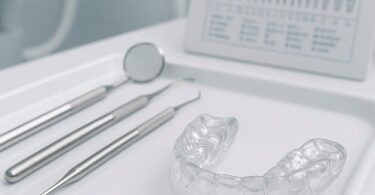
A patient presents with a unique jaw alignment issue requiring a specially designed oral appliance. No existing CDT code accurately describes the fabrication and fitting of this device. D9999 is appropriately used, accompanied by a detailed report outlining the procedure and its necessity.
Case Study 2: Combined Treatment Approach
A complex case involves integrating periodontal therapy with orthodontic adjustments in a novel manner. Given the unique combination, D9999 is utilized, with comprehensive documentation provided to justify its use.
8. Best Practices for Dental Professionals
-
Stay Informed: Regularly review updates to the CDT codes to ensure accurate coding.
-
Continuing Education: Participate in workshops and courses on dental coding and billing.
-
Consult Experts: When in doubt, seek guidance from coding specialists or professional organizations.
-
Maintain Detailed Records: Comprehensive documentation supports both clinical care and administrative processes.
9. Conclusion
Dental Code D9999 serves as a vital tool for documenting and billing procedures that fall outside the scope of existing CDT codes. Its proper use requires careful consideration, thorough documentation, and clear communication with insurance providers. By adhering to best practices, dental professionals can ensure compliance and optimal patient care.
10. Frequently Asked Questions (FAQs)
Q1: Can D9999 be used for experimental procedures?
Yes, provided there’s no existing code and the procedure is well-documented.
Q2: Is pre-authorization always required when using D9999?
While not mandatory, it’s highly recommended to prevent claim denials.
Q3: How detailed should the accompanying report be?
The report should comprehensively describe the procedure, its necessity, and why no existing code applies.