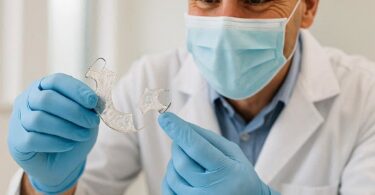
Modern dentistry is evolving rapidly with the integration of advanced diagnostics and technology. One such innovative leap is the use of salivary diagnostics, an emerging tool that provides non-invasive, real-time insights into a patient’s oral and systemic health. A key component of this revolution is Dental Code D0418, a billing code used in dental practices across the United States. This article explores what D0418 dental code is, how it’s used, its benefits, and its role in transforming preventive and diagnostic dental care.

D0418 Dental Code
2. What is Dental Code D0418?
Dental Code D0418 is defined by the Current Dental Terminology (CDT) system as:
“Analysis of saliva sample.”
It represents the billing code used when a dentist performs salivary testing for diagnostic purposes. This test involves collecting and analyzing a patient’s saliva to detect certain conditions, pathogens, or risk factors. The D0418 code is commonly associated with oral DNA testing, bacterial analysis, pH balance evaluation, and risk assessments for conditions like periodontal disease, halitosis, and even systemic issues like diabetes and cardiovascular diseases.
3. The Role of Saliva in Oral Health
Saliva is much more than just “spit.” It plays a critical role in:
-
Protecting tooth enamel through mineral content
-
Neutralizing acids in the mouth
-
Digesting carbohydrates with enzymes
-
Controlling bacterial populations
-
Wound healing and tissue repair
When saliva’s composition is altered due to illness, medications, or poor hygiene, it can signal the early stages of disease processes. Testing saliva allows dentists to identify risks before they manifest as visible symptoms.
4. How Salivary Testing Works
Salivary diagnostic testing involves the following steps:
-
Sample Collection
Saliva is collected using a sterile swab or by having the patient spit into a collection tube. -
Laboratory Analysis
The sample is sent to a lab where it is tested for:-
Bacterial load (e.g., P. gingivalis)
-
pH levels
-
Enzyme activity
-
Presence of specific DNA or RNA markers
-
-
Result Interpretation
Dentists receive a detailed report and use it to:-
Diagnose infections
-
Identify genetic markers
-
Tailor treatment plans
-
Track treatment effectiveness
-
5. When and Why Dentists Use D0418
Dentists utilize code D0418 in a range of scenarios:
| Situation | Purpose of Salivary Testing (D0418) |
|---|---|
| Periodontal Evaluation | Identify bacterial strains contributing to gum disease |
| Caries Risk Assessment | Evaluate acidogenic bacteria levels and buffering capacity |
| Halitosis Diagnosis | Pinpoint causes of chronic bad breath |
| Implant Pre-assessment | Check for systemic risk factors or oral pathogens |
| Monitoring Chronic Conditions | Correlate oral health with conditions like diabetes or heart disease |
| Personalized Preventive Planning | Develop a proactive approach to dental hygiene and disease prevention |
6. Benefits of Salivary Diagnostics
The adoption of D0418 salivary diagnostics brings numerous advantages:
-
Non-invasive: No needles or surgical tools are required.
-
Early detection: Identifies diseases before clinical symptoms arise.
-
Real-time data: Quick results to inform immediate treatment planning.
-
Systemic health link: Bridges oral and general health, aiding in comprehensive care.
-
Patient education: Helps patients visually understand their oral health status.
7. Challenges and Limitations
Despite its advantages, there are some limitations to be aware of:
-
Insurance Coverage: Not all dental insurance plans reimburse D0418.
-
Test Cost: Out-of-pocket expenses may deter some patients.
-
Interpretation Accuracy: Requires training to interpret salivary test results correctly.
-
Limited Availability: Not all dental practices have access to certified labs.
8. Comparison with Other Diagnostic Codes
Here’s how D0418 compares with similar diagnostic CDT codes:
| Code | Procedure | Invasiveness | Use Case |
|---|---|---|---|
| D0418 | Analysis of saliva sample | Non-invasive | Broad diagnostics, bacterial and DNA testing |
| D0460 | Pulp vitality tests | Mildly invasive | Check tooth vitality via electrical stimulus |
| D0415 | Collection of microorganisms | Invasive | Specific bacterial cultures from plaque |
| D0425 | Caries susceptibility tests | Non-invasive | Determine cavity risk using chemical agents |
9. Case Studies: Real-World Use of D0418
Case Study 1: Periodontal Therapy Planning
A 45-year-old patient presented with chronic gingivitis despite routine cleanings. Using D0418, the dentist identified high levels of T. forsythia and P. gingivalis. This guided a targeted antibiotic regimen and a personalized hygiene plan, resolving inflammation within months.
Case Study 2: Implant Failure Prevention
A 60-year-old male scheduled for a dental implant underwent pre-procedure salivary testing. Elevated inflammatory markers led the dentist to postpone the procedure and treat underlying inflammation. The implant was placed successfully after six months of therapy.
10. Billing and Insurance for D0418
D0418 is typically billed per test. Here are key billing considerations:
-
Cost Range: $40 – $150 depending on the lab and complexity.
-
Reimbursement: Coverage varies. Many insurers consider it experimental.
-
Documentation: A written diagnosis or necessity must accompany claims.
Tips:
-
Always provide a detailed explanation in the treatment plan.
-
Pair with diagnostic or periodontal procedure codes when possible.
11. Future of Salivary Diagnostics in Dentistry
As molecular biology and nanotechnology progress, saliva is increasingly recognized as a diagnostic goldmine. Future enhancements could include:
-
Point-of-care saliva tests with real-time digital analysis
-
AI-powered diagnostics using salivary biomarkers
-
Integrated medical-dental platforms for holistic patient care
D0418 will likely evolve to encompass more specific subcodes and become standard in preventive dentistry protocols.
12. Conclusion
Dental code D0418 represents a groundbreaking advancement in non-invasive diagnostic techniques. By harnessing the biological insights provided by saliva, dentists can detect and manage conditions earlier, more accurately, and with greater patient involvement. As technology continues to advance, D0418 will remain a cornerstone of proactive, personalized dental care.
13. FAQs
Q1: Is salivary testing painful?
No, it is completely non-invasive and involves no discomfort. It usually requires only a swab or a small amount of spit.
Q2: Is D0418 covered by dental insurance?
Some plans may cover it, but many still consider it experimental. It’s advisable to confirm coverage in advance.
Q3: What diseases can salivary testing detect?
It can detect risk factors for periodontal disease, cavities, halitosis, diabetes, heart disease, and more.
Q4: How often should a patient undergo salivary diagnostics?
This depends on the individual’s oral and systemic health. For high-risk patients, it may be recommended once or twice a year.
Q5: Can D0418 be used for children?
Yes. It’s safe for all age groups and can help in early detection of potential oral health risks in children as well.
14. Additional Resources
-
American Dental Association (ADA) – https://www.ada.org
-
OralDNA Labs – https://www.oraldna.com
-
Centers for Disease Control and Prevention (CDC): Oral Health – https://www.cdc.gov/oralhealth
-
National Institute of Dental and Craniofacial Research (NIDCR) – https://www.nidcr.nih.gov