In the intricate landscape of pediatric dentistry, where every decision shapes the future oral health of a child, certain interventions stand out for their profound preventative impact. Among these, the application of space maintainers, represented by the dental code D1527, often operates as an unsung hero. Far from being a mere temporary fix, space maintainers are the meticulous architects working behind the scenes, diligently preserving the blueprint for a healthy, functional, and aesthetically pleasing permanent dentition. Their significance lies not in complex treatments but in intelligent foresight – addressing potential issues before they escalate into more significant and costly orthodontic challenges. This article will embark on a comprehensive journey into the world of space maintainers, demystifying D1527, exploring their critical role in pediatric oral health, and illuminating why these small devices wield such immense power in shaping a child’s lifelong smile.
Dental Code D1527
2. Decoding D1527: What Exactly is a Space Maintainer?
The D1527 dental code specifically refers to the “space maintainer – fixed, band-type.” While this code points to a common type, understanding space maintainers broadly requires appreciating their fundamental purpose. At its core, a space maintainer is an orthodontic appliance, custom-fabricated to preserve the space created by the premature loss of a primary (baby) tooth. This seemingly simple device acts as a placeholder, preventing adjacent teeth from drifting into the vacant spot and thus ensuring adequate room for the permanent tooth to erupt correctly.
The Importance of Primary Teeth: More Than Just “Baby Teeth”
Often underestimated, primary teeth are far more than just temporary occupants of a child’s mouth. They play crucial roles in:
- Mastication (Chewing): Enabling proper nutrition and digestion.
- Speech Development: Guiding tongue placement for clear articulation.
- Aesthetics: Contributing to a child’s self-esteem and social interaction.
- Space Maintenance: Their most critical, often overlooked role, acting as natural guides for the eruption of their permanent successors. Each primary tooth holds a specific space, ensuring the proper alignment and positioning of the permanent teeth developing beneath the gums.
Understanding Premature Tooth Loss and its Ramifications
Premature loss of a primary tooth can occur due to various reasons, including:
- Dental Caries (Cavities): Extensive decay leading to extraction.
- Trauma: Accidents or injuries resulting in tooth avulsion or fracture necessitating removal.
- Congenital Absence: Rare cases where permanent teeth are missing, leading to early primary tooth loss.
- Infection: Abscesses or severe infections requiring extraction.
When a primary tooth is lost prematurely, the adjacent teeth, lacking the natural barrier, tend to drift or tip into the empty space. This migration can lead to significant problems:
- Space Loss: Reduction of the available room for the permanent tooth.
- Impaction: The permanent tooth becoming trapped beneath the gum or bone due to lack of space.
- Ectopic Eruption: The permanent tooth erupting in an abnormal position.
- Crowding and Malocclusion: Misalignment of teeth, leading to an “incorrect bite.”
The Role of the Space Maintainer in Prevention
This is precisely where the space maintainer steps in. By occupying the void left by the lost primary tooth, it effectively “maintains” the space, preventing the adjacent teeth from encroaching. This proactive approach ensures that when the permanent tooth is ready to erupt, it has a clear, unobstructed path, thereby minimizing the need for extensive and often more complex orthodontic treatment in the future.
3. Types of Space Maintainers: Tailoring Solutions for Tiny Mouths
Space maintainers are not a one-size-fits-all solution. Pediatric dentists meticulously assess each child’s unique needs, considering factors like the location of the missing tooth, the child’s age, the presence of other teeth, and their cooperation level. This leads to the selection of various types of space maintainers, each designed for specific clinical scenarios.
Band and Loop Space Maintainers: The Reliable Workhorse
The band and loop maintainer, often associated with the D1527 code, is one of the most common and effective fixed space maintainers. It consists of a stainless steel band cemented to a tooth adjacent to the space, with a wire loop extending into the edentulous (toothless) area. This loop rests against the tooth on the other side of the space, preventing its mesial (forward) movement. They are particularly effective for single tooth loss in the posterior (back) regions of the mouth.
Crown and Loop Space Maintainers: When Strength is Key
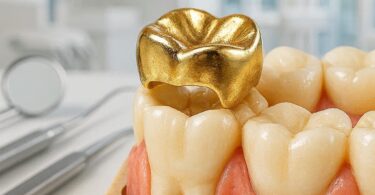
Similar in principle to the band and loop, the crown and loop maintainer is used when the abutment tooth (the tooth to which the maintainer is attached) has extensive decay or has undergone pulpal therapy (e.g., a pulpotomy). Instead of a band, a stainless steel crown is cemented onto the abutment tooth, providing superior retention and protecting the compromised tooth, with a wire loop extending into the space.
Distal Shoe Space Maintainers: Guiding Erupting Molars
The distal shoe space maintainer is a specialized fixed appliance used when a primary second molar is lost before the eruption of the permanent first molar. This maintainer is unique because it has a metal extension (a “shoe”) that extends into the gum tissue, guiding the permanent first molar into its correct position as it erupts. Due to its subgingival extension, meticulous placement and regular monitoring are crucial.
Lingual Arch Space Maintainers: For Multiple Missing Teeth
When multiple primary teeth are missing in the lower arch, or if both primary canines are lost, a lingual arch space maintainer may be indicated. This appliance consists of bands cemented to the permanent molars (or sometimes primary molars) with a wire running along the lingual (tongue) side of the lower anterior teeth. It prevents the molars from drifting forward and helps maintain arch length for the developing permanent teeth. Similar appliances, like the Nance appliance, are used in the upper arch.
Removable Space Maintainers: Patient Compliance and Flexibility
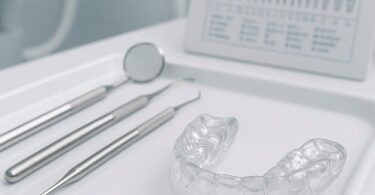
In some cases, particularly for older children with good cooperation, removable space maintainers may be an option. These resemble retainers and can be taken out for cleaning. While offering flexibility, their effectiveness heavily relies on consistent wear by the child, making fixed appliances generally preferred for younger, less compliant patients.
4. The Clinical Necessity: Why Space Maintainers Are Indispensable
The decision to place a space maintainer is not taken lightly; it’s a strategic intervention aimed at preventing a cascade of oral health issues. The clinical necessity of space maintainers stems from their ability to proactively manage the delicate balance of the developing dentition.
Preventing Malocclusion and Orthodontic Complications
One of the primary benefits of space maintainers is their role in preventing malocclusion, or “bad bite.” Without space maintenance, the drifting of adjacent teeth can lead to severe crowding, rotation, and impaction of permanent teeth. This often necessitates extensive and prolonged orthodontic treatment, including braces or even tooth extractions, later in adolescence. By intervening early, space maintainers can significantly reduce the complexity, duration, and cost of future orthodontic interventions.
Preserving Arch Length and Dental Alignment
The dental arch is a carefully proportioned structure. Each primary tooth contributes to maintaining the overall arch length. Premature loss disrupts this balance, leading to a reduction in arch circumference. Space maintainers effectively preserve this vital arch length, ensuring that the permanent teeth have sufficient room to erupt in their proper alignment, thereby contributing to a harmonious and functional bite.
Facilitating Proper Chewing and Speech Development
While primarily focused on space, an indirect benefit of maintaining proper dental alignment is the facilitation of effective chewing. When teeth are correctly positioned, they can interdigitate efficiently, allowing for thorough mastication of food. Furthermore, by ensuring correct tooth positioning, space maintainers can indirectly support clear speech development by providing the tongue with the necessary structures for articulation.
Safeguarding Future Permanent Tooth Eruption
The most critical function of a space maintainer is to act as a guardian for the unerupted permanent tooth. By holding the space open, it eliminates physical barriers and guides the permanent tooth towards its correct eruptive path. This significantly reduces the risk of impaction, where a tooth is unable to erupt properly, or ectopic eruption, where it emerges in an abnormal location.
Table 1: Comparison of Common Space Maintainer Types
5. The Space Maintainer Placement Procedure: A Child-Friendly Approach
The placement of a space maintainer is a routine procedure in pediatric dentistry, typically performed with the child’s comfort and cooperation in mind.
Initial Assessment and Treatment Planning
The process begins with a thorough examination, including X-rays, to determine the exact nature of the space loss, the presence and position of the unerupted permanent tooth, and the health of the adjacent teeth. Based on this assessment, the pediatric dentist will recommend the most appropriate type of space maintainer.
Impressions and Fabrication
For fixed space maintainers, impressions (molds) of the child’s mouth are taken. These impressions are sent to a dental laboratory, where the custom-fit appliance is fabricated. This ensures precise fit and comfort for the child.
Placement and Adjustment
Once the space maintainer is ready, the child returns for placement. The appliance is carefully positioned and cemented onto the abutment tooth (or teeth). The dentist will ensure a comfortable fit and make any necessary minor adjustments. The process is generally quick and well-tolerated by children.
Post-Procedure Care and Instructions
Parents receive detailed instructions on how to care for the space maintainer. This includes emphasizing meticulous oral hygiene around the appliance, avoiding sticky or hard foods that could dislodge it, and scheduling regular follow-up appointments to monitor the appliance and the eruption of the permanent tooth.
6. Potential Challenges and Considerations in Space Maintainer Therapy
While highly effective, space maintainer therapy does come with certain considerations and potential challenges that parents and guardians should be aware of.
Oral Hygiene and Food Traps
Fixed space maintainers, like any orthodontic appliance, can trap food particles and make oral hygiene slightly more challenging. It is crucial for parents to reinforce excellent brushing and flossing habits around the appliance to prevent plaque accumulation, cavities, and gum inflammation. Special brushes or floss threaders may be recommended.
Breakage or Dislodgement
Although designed to be durable, space maintainers can sometimes break or become dislodged, especially if the child consumes excessively sticky or hard foods, or if there is accidental trauma. In such cases, it is imperative to contact the pediatric dentist immediately for repair or re-cementation to ensure the integrity of the maintained space.
Eruption of Permanent Teeth
As the permanent tooth begins to erupt, the space maintainer may need to be modified or removed. Regular check-ups allow the dentist to monitor the eruptive process and determine the optimal time for removal to prevent any interference with the natural eruption.
Patient Cooperation and Follow-up
For all types of space maintainers, patient cooperation and consistent follow-up appointments are vital for successful outcomes. Parents play a crucial role in ensuring that their child adheres to dietary restrictions, maintains oral hygiene, and attends scheduled visits.
7. Economic Considerations and Insurance: Navigating D1527 Coverage
Understanding the financial aspects of space maintainer therapy is important for parents. While an initial investment, it often proves to be a cost-effective preventative measure in the long run.
Understanding Dental Benefit Plans
Most dental insurance plans recognize the preventative nature of space maintainers and provide coverage for D1527. However, the extent of coverage can vary significantly based on the specific plan’s terms, deductibles, co-payments, and annual maximums. It is always advisable for parents to contact their insurance provider directly to confirm coverage details before treatment. Pediatric dental offices are usually adept at assisting with insurance claims and providing estimates.
The Long-Term Cost-Effectiveness of Prevention
The cost of a space maintainer is generally modest compared to the extensive and prolonged orthodontic treatment that may be required if space loss occurs. By preventing severe crowding, impaction, or other malocclusions, space maintainers can save families significant financial burden and time commitments associated with complex braces, extractions, and potentially even surgical interventions down the line. It is an investment in future oral health and financial well-being.
8. The Future of Pediatric Orthodontics: Innovations and Evolution
The field of pediatric orthodontics, including space maintenance, continues to evolve with technological advancements. Digital dentistry, including intraoral scanners and 3D printing, is making the fabrication of space maintainers more precise and efficient. While the fundamental principles of space maintenance remain constant, these innovations aim to improve patient comfort, reduce chair time, and enhance the overall predictability of outcomes. Research into new biocompatible materials and advanced designs may also shape the future of these essential appliances.
9. Conclusion: Investing in a Lifetime of Oral Wellness
Space maintainers, though small in size, play an immeasurably significant role in pediatric dentistry, acting as crucial guardians of a child’s developing dentition. By intelligently preserving the space for permanent teeth, they proactively prevent complex orthodontic problems, ensuring a healthier and more aligned smile. The D1527 code represents a fundamental preventative measure, an investment in a child’s long-term oral health and a testament to the power of early intervention.
10. Frequently Asked Questions (FAQs)
Q1: How long does a child typically need to wear a space maintainer? A1: The duration varies depending on the individual child’s development, but typically, a space maintainer remains in place until the permanent tooth is ready to erupt and occupy the space, which can range from a few months to several years. Regular dental check-ups are essential to monitor this process.
Q2: Is the placement of a space maintainer painful for a child? A2: The placement procedure is generally not painful. There might be a sensation of pressure or discomfort as the dentist ensures a snug fit, but local anesthesia is rarely needed. Any mild soreness afterward can usually be managed with over-the-counter pain relievers if necessary.
Q3: Can a space maintainer fall out? A3: While fixed space maintainers are cemented securely, they can occasionally come loose or fall out due to sticky foods, hard candies, or trauma. If this happens, contact your pediatric dentist immediately so the appliance can be re-cemented or replaced to avoid loss of space.
Q4: What happens if we don’t get a space maintainer after premature tooth loss? A4: If a space maintainer is not placed after premature primary tooth loss, adjacent teeth are highly likely to drift into the empty space. This can lead to significant crowding, impaction of the permanent tooth, and other malocclusion issues, often necessitating more extensive and costly orthodontic treatment later on.
Q5: How do we clean around a space maintainer? A5: Meticulous oral hygiene is crucial. Children should brush carefully around the bands and wires of the space maintainer. Floss threaders or interdental brushes can be helpful to clean beneath the wire. Regular dental cleanings are also essential to ensure plaque and food debris are removed effectively.