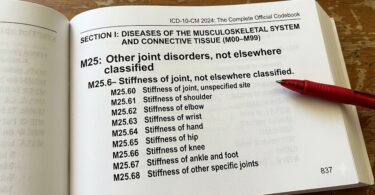
Lung cancer remains one of the most prevalent and deadly cancers worldwide, accounting for millions of deaths annually. Accurate diagnosis, treatment, and medical coding are essential for effective patient care and billing. The International Classification of Diseases, 10th Revision (ICD-10) provides standardized codes for lung cancer, ensuring consistency in medical records, insurance claims, and research.
This guide explores the ICD-10 codes for lung cancer, including primary and secondary malignancies, staging, treatment options, and common coding pitfalls. Whether you’re a healthcare provider, medical coder, or patient, understanding these codes is crucial for proper documentation and reimbursement.

ICD-10 Code for Lung Cancer
2. Understanding Lung Cancer
Types of Lung Cancer
Lung cancer is broadly classified into two main types:
-
Non-Small Cell Lung Cancer (NSCLC) – Accounts for 80-85% of cases. Subtypes include:
-
Adenocarcinoma
-
Squamous Cell Carcinoma
-
Large Cell Carcinoma
-
-
Small Cell Lung Cancer (SCLC) – More aggressive, representing 10-15% of cases.
Causes and Risk Factors
-
Smoking (Primary cause, responsible for 85% of cases)
-
Secondhand smoke exposure
-
Radon gas
-
Asbestos and chemical exposure
-
Family history and genetic factors
Symptoms and Diagnosis
Common symptoms include:
-
Persistent cough
-
Chest pain
-
Shortness of breath
-
Unexplained weight loss
-
Hemoptysis (coughing up blood)
Diagnostic methods:
-
Imaging (X-ray, CT scan, PET scan)
-
Biopsy (Bronchoscopy, needle biopsy)
-
Molecular testing (EGFR, ALK, ROS1 mutations)
3. ICD-10 Coding System Overview
What is ICD-10?
The International Classification of Diseases, 10th Revision (ICD-10) is a globally recognized system for coding diseases, symptoms, and medical procedures. It is used for:
-
Billing and insurance claims
-
Epidemiological research
-
Public health tracking
Importance of Accurate Coding
-
Ensures proper reimbursement
-
Facilitates clinical research
-
Helps in public health monitoring
4. ICD-10 Codes for Lung Cancer
Primary Lung Cancer (C34)
The main ICD-10 code for malignant neoplasms of the lung falls under category C34 (Malignant neoplasm of bronchus and lung). Specific codes include:
| ICD-10 Code | Description |
|---|---|
| C34.90 | Lung cancer, unspecified |
| C34.00 | Malignant neoplasm of main bronchus, unspecified side |
| C34.01 | Malignant neoplasm of right main bronchus |
| C34.02 | Malignant neoplasm of left main bronchus |
| C34.10 | Malignant neoplasm of upper lobe, unspecified bronchus or lung |
| C34.11 | Malignant neoplasm of upper lobe, right bronchus or lung |
| C34.12 | Malignant neoplasm of upper lobe, left bronchus or lung |
| C34.30 | Malignant neoplasm of lower lobe, unspecified bronchus or lung |
| C34.31 | Malignant neoplasm of lower lobe, right bronchus or lung |
| C34.32 | Malignant neoplasm of lower lobe, left bronchus or lung |
Secondary (Metastatic) Lung Cancer (C78.0)
When cancer spreads to the lungs from another site, use:
-
C78.00 – Secondary malignant neoplasm of unspecified lung
-
C78.01 – Secondary malignant neoplasm of right lung
-
C78.02 – Secondary malignant neoplasm of left lung
Other Related Codes
-
Z85.118 – Personal history of other malignant neoplasm of bronchus and lung
-
Z80.1 – Family history of malignant neoplasm of trachea, bronchus, and lung
5. Staging and Documentation for ICD-10 Coding
Proper documentation should include:
-
TNM Staging (Tumor size, Node involvement, Metastasis)
-
Histological type (Adenocarcinoma, Squamous, etc.)
-
Laterality (Right, Left, Bilateral)
6. Common Coding Errors and How to Avoid Them
-
Using unspecified codes (C34.90) when a more specific code is available
-
Confusing primary vs. secondary lung cancer codes
-
Incorrect laterality documentation
7. Treatment Options and Their Corresponding Codes
-
Surgery (ICD-10-PCS Codes)
-
Chemotherapy (Z51.11)
-
Radiation Therapy (Z51.0)
-
Immunotherapy (C34.90 + Z79.899)
8. Prognosis and Survival Rates
-
5-year survival rate for NSCLC: ~25% (varies by stage)
-
5-year survival rate for SCLC: ~7% (due to aggressiveness)
9. Lung Cancer Screening and Early Detection
-
Low-Dose CT (LDCT) for high-risk patients
-
Annual screening recommended for smokers (55-80 years)
10. FAQs
Q1: What is the ICD-10 code for lung cancer?
The primary code is C34.90 (unspecified lung cancer), but more specific codes exist based on location.
Q2: How do you code metastatic lung cancer?
Use C78.0x (secondary malignant neoplasm of the lung).
Q3: What is the difference between C34 and C78.0?
-
C34 = Primary lung cancer
-
C78.0 = Cancer that has spread to the lungs from elsewhere
11. Conclusion
Accurate ICD-10 coding for lung cancer ensures proper diagnosis, treatment, and billing. Understanding the differences between primary (C34) and secondary (C78.0) lung cancer, along with proper documentation, is crucial. Early detection and advances in treatment continue to improve survival rates.