Knee strain is a common musculoskeletal injury affecting athletes, active individuals, and even those with sedentary lifestyles. Accurate diagnosis and proper coding are essential for effective treatment, insurance claims, and medical billing. The ICD-10-CM (International Classification of Diseases, 10th Revision, Clinical Modification) provides specific codes for knee strain to ensure uniformity in medical documentation.
This comprehensive guide explores the ICD-10 code for knee strain (S86.1), its clinical significance, treatment options, and coding best practices. Whether you’re a healthcare provider, medical coder, or patient, this article will help you understand knee strain in-depth while ensuring compliance with coding standards.
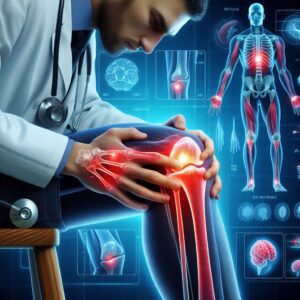
ICD-10 Code for Knee Strain
Understanding Knee Strain
Definition and Causes
A knee strain occurs when the muscles or tendons around the knee are overstretched or torn due to:
-
Sudden twisting or impact (sports injuries)
-
Overuse (repetitive motion in running or jumping)
-
Poor flexibility or muscle imbalances
-
Accidents (falls or collisions)
Symptoms and Diagnosis
Common symptoms include:
-
Pain and tenderness around the knee
-
Swelling and bruising
-
Limited range of motion
-
Weakness when walking or standing
Diagnosis involves:
-
Physical examination
-
Imaging tests (X-rays, MRI, or ultrasound)
-
Patient history review
ICD-10 Coding System Overview
Importance of Accurate Coding
Proper ICD-10 coding ensures:
-
Correct billing and reimbursement
-
Compliance with healthcare regulations
-
Accurate patient records for future care
Structure of ICD-10 Codes
ICD-10 codes follow a structured format:
-
First character (letter): Indicates the general category (e.g., “S” for injuries)
-
Next two digits: Specify the body part and condition
-
Final characters (optional): Provide additional details (e.g., laterality, encounter type)
ICD-10 Code for Knee Strain (S86.1)
The primary ICD-10 code for knee strain is S86.1 (Strain of muscle(s) and tendon(s) of posterior muscle group at lower leg level). However, additional specificity may be required based on:
| ICD-10 Code | Description |
|---|---|
| S86.1 | Strain of muscles and tendons in the posterior lower leg (includes knee-related strains) |
| S86.11 | Right knee strain |
| S86.12 | Left knee strain |
| S86.19 | Unspecified knee strain |
Exclusions:
-
S76.1 (Strain of quadriceps muscle, which affects the thigh rather than the knee)
-
S83.5 (Sprain of knee ligaments, not muscle strain)
Clinical Implications of Knee Strain
Treatment and Management
-
Rest, Ice, Compression, Elevation (RICE)
-
Pain relievers (NSAIDs like ibuprofen)
-
Physical therapy for strengthening
-
Severe cases may require surgery
Recovery and Rehabilitation
-
Gradual return to activity
-
Stretching and strengthening exercises
-
Use of braces if necessary
Common Mistakes in Coding Knee Strain
Documentation Errors
-
Using incorrect codes (e.g., ligament sprain instead of muscle strain)
-
Failing to specify laterality (left or right knee)
How to Avoid Denials
-
Ensure detailed clinical documentation
-
Use the most specific code available
-
Verify with coding guidelines
Preventive Measures for Knee Strain
-
Strengthening exercises (quadriceps, hamstrings)
-
Proper warm-up before physical activity
-
Wearing supportive footwear
Case Studies and Real-World Examples
Case 1: A 35-year-old runner experiences knee pain after increasing mileage. Diagnosis: S86.11 (Right knee strain).
Case 2: A construction worker slips and strains his left knee. Coded as S86.12.
FAQs on ICD-10 Code for Knee Strain
Q1: What is the correct ICD-10 code for a left knee strain?
A: S86.12
Q2: Can knee strain codes be used for ligament injuries?
A: No, ligament sprains fall under S83.5.
Q3: How long does recovery from knee strain take?
A: Typically 2-6 weeks, depending on severity.
Conclusion
Understanding the ICD-10 code for knee strain (S86.1) ensures accurate medical billing and effective treatment. Proper documentation, preventive care, and rehabilitation are key to recovery. Always consult coding guidelines and healthcare providers for precise diagnosis and coding.