Dental procedures are meticulously categorized under specific codes to ensure accurate billing, treatment documentation, and insurance processing. One such code, D9944, pertains to the adjustment of an occlusal guard. While many patients and even some dental professionals may overlook its significance, understanding D9944 is crucial for effective bruxism management, TMJ disorder treatment, and proper dental appliance maintenance.
This article provides an in-depth exploration of D9944 dental code narrative, covering its definition, clinical applications, procedural steps, insurance implications, and best practices for patient care. Whether you’re a dentist, dental hygienist, or a patient seeking clarity on occlusal guard adjustments, this guide will serve as a comprehensive resource.

D9944 Dental Code Narrative
2. What is Dental Code D9944?
D9944 is a dental billing code classified under the American Dental Association (ADA) Current Dental Terminology (CDT). It is specifically defined as:
“D9944 – Occlusal guard adjustment”
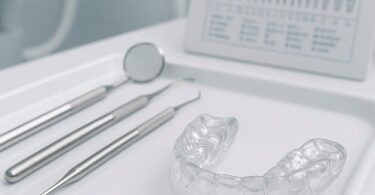
This code is used when a dentist modifies an existing occlusal guard (also called a night guard or bite splint) to improve fit, comfort, or functionality. Adjustments may include:
-
Reshaping the guard to correct bite alignment
-
Smoothing rough edges causing irritation
-
Modifying thickness for better pressure distribution
Key Features of D9944
-
Not for initial fabrication – D9944 applies only to adjustments of an existing guard.
-
Excludes repairs – If the guard is broken, a different code (e.g., D9945 for repair) applies.
-
Time-sensitive – Typically used during follow-up visits after initial guard delivery.
3. Purpose and Clinical Applications of D9944
Occlusal guards are commonly prescribed for:
-
Bruxism (teeth grinding) – Prevents enamel wear and jaw strain.
-
Temporomandibular Joint (TMJ) Disorders – Reduces pressure on joints.
-
Post-orthodontic retention – Maintains teeth alignment.
However, a poorly fitted guard can cause:
✔ Discomfort or soreness
✔ Ineffective bite alignment
✔ Increased TMJ pain
This is where D9944 comes into play—ensuring the guard remains therapeutic.
4. When is D9944 Used?
| Scenario | Does D9944 Apply? |
|---|---|
| Initial fabrication of a new occlusal guard | ❌ No (Use D9942/D9943) |
| Adjusting an existing guard for better fit | ✅ Yes |
| Repairing a cracked guard | ❌ No (Use D9945) |
| Replacing a lost or damaged guard | ❌ No (New fabrication needed) |
Common Adjustment Needs
-
Uneven bite pressure
-
Guard shifting during sleep
-
Soft tissue irritation
5. Differences Between D9944 and Related Codes
| Code | Description | When to Use |
|---|---|---|
| D9942 | Occlusal guard – hard appliance | Initial fabrication (hard material) |
| D9943 | Occlusal guard – soft appliance | Initial fabrication (soft material) |
| D9944 | Occlusal guard adjustment | Modifying an existing guard |
| D9945 | Occlusal guard repair | Fixing a broken guard |
6. Step-by-Step Procedure for Occlusal Guard Adjustment
-
Patient Assessment
-
Check for discomfort, sore spots, or bite misalignment.
-
-
Intraoral Examination
-
Evaluate teeth and soft tissues for irritation.
-
-
Guard Inspection
-
Identify areas needing modification.
-
-
Adjustment Process
-
Use a dental drill or polishing tool to reshape the guard.
-
-
Patient Testing
-
Ensure proper fit before finalizing.
-
(Include an image of a dentist adjusting an occlusal guard)
7. Insurance and Reimbursement Considerations
-
Coverage varies – Some insurers classify D9944 under “preventive care.”
-
Frequency limits – Often only 1-2 adjustments per year are covered.
-
Documentation needed – Notes should justify medical necessity.
8. Patient Education and Compliance
-
Wear schedule – Emphasize nightly use.
-
Cleaning instructions – Avoid hot water to prevent warping.
-
Follow-up visits – Schedule adjustments as needed.
9. Case Studies
Case 1: TMJ Relief via Guard Adjustment
A 35-year-old patient reported worsening jaw pain despite using a night guard. A D9944 adjustment realigned the bite, reducing TMJ strain.
Case 2: Resolving Gum Irritation
A patient developed ulcers from a rough guard edge. Polishing (D9944) resolved the issue.
10. FAQs
Q: How often should my occlusal guard be adjusted?
A: Typically every 6-12 months, or if discomfort arises.
Q: Does insurance cover D9944?
A: Many plans do, but check your policy for specifics.
Q: Can I adjust my guard at home?
A: No—DIY adjustments may damage the guard. Always see a dentist.
11. Conclusion
Dental code D9944 plays a vital role in maintaining occlusal guard effectiveness. Proper adjustments enhance comfort, prevent dental damage, and improve TMJ health. Dentists must document adjustments accurately, while patients should adhere to follow-up care for optimal results.