Anterior composite restorations are among the most common dental procedures, combining aesthetics with functionality to restore damaged or decayed front teeth. However, proper billing and coding for these restorations can be complex, with nuances that impact insurance reimbursement and practice revenue.
This comprehensive guide explores the essential Current Dental Terminology (CDT) codes for anterior composites, insurance considerations, and best practices for accurate documentation. Whether you’re a dentist, dental assistant, or billing specialist, this article will help you navigate the complexities of Dental Codes for Anterior Composite.

Dental Codes for Anterior Composite
2. Understanding Anterior Composite Restorations
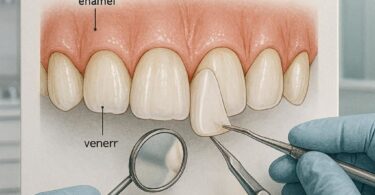
Anterior composites are tooth-colored resin fillings used primarily on front teeth (incisors and canines). Unlike amalgam, composites provide a natural appearance, making them ideal for visible areas.
Key Benefits:
-
Aesthetics: Blends seamlessly with natural teeth.
-
Minimally Invasive: Requires less tooth structure removal than amalgam.
-
Bonding Strength: Chemically adheres to enamel and dentin.
Common Indications:
-
Caries in anterior teeth
-
Chipped or fractured teeth
-
Diastema closure
-
Cosmetic contouring
3. Importance of Accurate Dental Coding
Proper coding ensures:
✔ Correct reimbursement from insurance companies.
✔ Reduced claim denials due to incorrect CDT codes.
✔ Compliance with regulatory standards.
Mistakes in coding can lead to:
❌ Underbilling (lost revenue)
❌ Overbilling (fraud risks)
❌ Delayed payments
4. Common Dental Codes for Anterior Composites
Table 1: CDT Codes for Anterior Composite Restorations
| CDT Code | Description | Surface Coverage |
|---|---|---|
| D2391 | Resin-based composite—one surface, anterior | 1 surface (e.g., facial, lingual) |
| D2392 | Resin-based composite—two surfaces, anterior | 2 surfaces (e.g., mesial + incisal) |
| D2393 | Resin-based composite—three surfaces, anterior | 3 surfaces (e.g., mesial + incisal + distal) |
| D2394 | Resin-based composite—four or more surfaces, anterior | Full coverage (e.g., extensive decay) |
Insurance Considerations
-
Pre-authorization: Some insurers require pre-approval for multi-surface composites.
-
Frequency Limitations: Check annual maximums and waiting periods.
-
Narrative Requirements: Include clinical notes and images for better approval rates.
5. Step-by-Step Guide to Billing Anterior Composites
-
Diagnosis & Treatment Plan:
-
Document caries or fracture extent.
-
Choose the correct CDT code based on surfaces involved.
-
-
Pre-Treatment Authorization (if required):
-
Submit X-rays and intraoral photos.
-
-
Procedure & Documentation:
-
Record materials used (e.g., nano-hybrid composite).
-
Note anesthesia and technique (e.g., rubber dam isolation).
-
-
Claim Submission:
-
Attach supporting documentation.
-
Verify patient eligibility and benefits.
-
6. Differences Between Anterior and Posterior Composite Codes
Anterior vs. Posterior Composite Codes
| Aspect | Anterior Composites (D2391-D2394) | Posterior Composites (D2330-D2335) |
|---|---|---|
| Teeth Involved | Incisors, canines | Premolars, molars |
| Aesthetic Focus | High (visible area) | Moderate (function over aesthetics) |
| Insurance Coverage | Often covered for decay/fractures | May require additional justification |
7. Challenges in Coding Anterior Composites
-
Surface Counting Errors: Misclassifying a two-surface vs. three-surface restoration.
-
Cosmetic vs. Restorative: Some insurers deny purely cosmetic cases.
-
Material Specifications: Certain plans only cover specific composite brands.
Solution: Maintain detailed clinical notes and pre-treatment imaging.
8. Best Practices for Documentation & Claim Submission
-
Use Intraoral Cameras: Capture pre-op and post-op images.
-
Specify Composite Type: (e.g., microfilled, nanofilled).
-
Appeal Denials Promptly: Provide additional evidence if needed.
9. Future Trends in Dental Coding for Composites
-
AI-Assisted Coding: Automated code suggestions based on documentation.
-
Enhanced Digital Claims: Integration with EHRs for faster processing.
-
More Specific Codes: Possible expansion for layered composites.
10. Conclusion
Accurate dental coding for anterior composites ensures proper reimbursement and compliance. By understanding CDT codes, insurance nuances, and documentation best practices, dental professionals can streamline billing processes. Stay updated with coding changes and leverage digital tools for efficiency.
11. FAQs
Q1: What is the most commonly used code for a single-surface anterior composite?
A: D2391 (one surface, anterior).
Q2: Do insurance companies cover anterior composites for cosmetic purposes?
A: Typically no—most require documentation of decay or fracture.
Q3: How can I reduce claim denials for anterior composites?
A: Submit pre-op images, detailed notes, and verify benefits beforehand.