If you or a loved one is scheduled for a procedure to examine blood flow in the legs, you’ve likely encountered the term “angiogram.” While the clinical details are crucial, the administrative side—specifically the medical coding—is what ensures the procedure is processed correctly by insurance.
Understanding the CPT code for angiogram lower extremity procedures can feel like learning a new language. It’s not just one code; it’s a family of codes that depend on why the test is done, how it is done, and what is found.
Whether you are a medical student, a new coder, a practice manager, or simply a patient trying to decipher a bill, this guide is for you. We’ll walk through the most common codes, the difference between diagnostic and interventional procedures, and how to make sense of the billing process.
Let’s demystify the numbers.
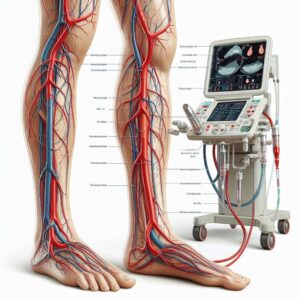
CPT Codes for Lower Extremity Angiography
What is a Lower Extremity Angiogram?
Before we dive into the codes, let’s quickly establish what we are talking about. A lower extremity angiogram, often called peripheral angiography, is an imaging test used to look at the arteries in your legs, feet, and pelvis. Doctors use it to find blockages caused by peripheral artery disease (PAD), aneurysms, or other vascular issues.
During the procedure, a surgeon or radiologist inserts a thin tube called a catheter into an artery—usually in the groin or sometimes the arm. They then inject contrast dye and take X-rays to see the blood flow in real-time.
Now, how do we translate that procedure into a language insurance companies understand? That is the job of Current Procedural Terminology (CPT) codes.
The Main CPT Codes for Lower Extremity Angiography
It is important to know that there isn’t just one code. The correct code depends on two main factors:
-
Is it just a diagnostic run (looking only), or was it followed by treatment (like angioplasty or stenting)?
-
Which leg, and which part of the leg, was imaged?
Generally, codes fall into two categories: Radiology codes (for the imaging supervision and interpretation) and Surgery codes (for the catheter placement and manipulation). Often, these are billed together by the physician.
The “Go-To” Code: 75716
If you are looking for the most common code billed for a bilateral study, this is it.
-
75716: Angiography, extremity, bilateral, radiological supervision and interpretation.
This code specifically covers the interpretation of the images when the doctor looks at both legs. However, it must typically be paired with a catheter placement code (like 36247 or 36246) which we will discuss below.
Unilateral Studies: 75710 and 75714
-
75710: Angiography, extremity, unilateral, radiological supervision and interpretation. (This is for one leg).
-
75714: Angiography, extremity, unilateral, selective (This implies the catheter was moved specifically into a named vessel, like the femoral artery, to image it).
The Catheter Placement Codes (Surgical Component)
You cannot bill an angiogram without accounting for the work of getting the catheter into the right spot. These codes are usually found in the Surgery section of the CPT manual.
-
36246: Selective catheter placement, arterial system; each first order abdominal, pelvic, or lower extremity artery branch, within a vascular family.
-
36247: Selective catheter placement, arterial system; second order abdominal, pelvic, or lower extremity artery branch, within a vascular family.
-
36248: Selective catheter placement, arterial system; additional second order, third order, and beyond, abdominal, pelvic, or lower extremity artery branch (List separately in addition to code for primary procedure).
In simple terms: If the doctor puts the catheter into the main artery in the groin (common femoral), that is “non-selective.” If they guide it further down into the superficial femoral artery (first branch), that is 36246. If they go even further to the popliteal artery (second branch), that is 36247.
Comparing Common Scenarios
To make this clearer, let’s look at a few typical patient scenarios and how they would be coded. Remember, these examples assume the physician is performing both the technical work and the interpretation.
| Scenario | Procedure Description | Catheter Code | Radiology Code |
|---|---|---|---|
| Scenario A | Patient has pain in the left leg. Doctor places a catheter in the left common iliac and runs contrast down the left leg to the foot. | 36246 (Selective, first order) | 75710 (Unilateral) |
| Scenario B | Patient has pain in both legs. Doctor places a catheter just above the aortic bifurcation and images both legs at once. | 36200 (Non-selective, aorta) | 75716 (Bilateral) |
| Scenario C | Patient has a blockage in the right thigh. Doctor guides the catheter past the blockage into the popliteal artery to image the vessels below the knee. | 36247 (Selective, second order) | 75710 (Unilateral) |
| Scenario D | After imaging the right leg (Scenario A), the doctor moves the catheter to the left side and images that leg as well during the same session. | 36247 (for the first leg) + 36248 (for the additional leg) | 75716 (Bilateral) |
Diagnostic vs. Interventional: A Critical Distinction
One of the most common mistakes in coding is confusing a diagnostic angiogram with an interventional procedure.
-
Diagnostic Angiogram: This is purely to look. The doctor performs the study to see what is happening. If they simply take the images and stop, you use the codes we discussed above.
-
Interventional Procedure: This happens when the doctor finds a blockage and decides to fix it right away. This might involve angioplasty (balloon) or atherectomy (plaque removal).
When an intervention occurs, the diagnostic portion is often “bundled” into the interventional code, or it requires a modifier.
Important Note for Coders:
If a diagnostic angiogram is performed and, based on those images, the physician decides to perform an intervention (like angioplasty) during the same session, you must append a modifier -59 (Distinct Procedural Service) or the XU modifier to the diagnostic code. This tells the payer, “Yes, we did the diagnostic part first to figure out what to do, and then we did the treatment.” Without this, the diagnostic portion may be denied as inclusive to the intervention.
The Rise of “Radiology Inclusive” Coding
In the past, coding was heavily fragmented. Today, many payers encourage or require bundling codes into packages. You might see codes like:
-
75635: Computed tomographic angiography, abdominal aorta and bilateral iliofemoral lower extremity runoff, with contrast material(s).
This single code covers the entire CTA (CT Angiogram) from the belly down to the feet. It is non-invasive (no catheter) and is often used as a first step before a traditional angiogram. It is essential to know whether you are coding for an invasive catheter-based study or a non-invasive CT study, as the code sets are entirely different.
Common Modifiers Used with Leg Angiograms
Modifiers are two-character codes that provide extra information about the procedure. For lower extremity work, you will frequently see:
-
-50 (Bilateral Procedure): Used when a procedure is performed on both the left and right sides during the same operative session. Some payers prefer you bill the unilateral code with a -50 modifier rather than using 75716.
-
-26 (Professional Component): Used when a physician only interprets the images (the “read”) but does not own the equipment or employ the tech. For example, a hospital performs the X-ray, but an outside radiologist reads it. The radiologist bills 75716-26.
-
-TC (Technical Component): Used by the facility that owns the equipment to bill for the use of the machine and the tech’s time. (Note: Most individual physicians do not bill TC).
-
-59 (Distinct Procedural Service): As mentioned above, this is critical for separating a diagnostic study from a therapeutic intervention performed at the same time.
A Helpful Checklist for Accurate Coding
Getting the code right the first time saves money and headaches. If you are involved in billing, run through this checklist:
-
Laterality: Was it the left leg, right leg, or both?
-
Extent: Did the images go from the groin to the ankle (runoff), or just the thigh?
-
Selectivity: How far did the tip of the catheter go? The aorta? The iliac? The femoral? The popliteal?
-
Intent: Was this purely diagnostic, or did it lead to an intervention?
-
Modifier Check: Does the diagnostic code need a modifier to show it was separate from the intervention?
Additional Resources for Staying Updated
Medical coding is not static. Codes are added, deleted, and revised every year by the AMA. To ensure you are always using the most current information:
-
Visit the AMA Website: The American Medical Association manages the CPT code set. Their site is the ultimate authority.
-
Use Encoder Software: Most practices subscribe to an encoding system (like Optum360 or 3M) that guides you through the codes with edits and rules.
-
Attend Webinars: Professional organizations like the American Academy of Professional Coders (AAPC) offer continuous education on vascular coding.
Frequently Asked Questions (FAQ)
Q: Can I use the same CPT code for an arm angiogram?
A: No. Arm (upper extremity) angiograms have their own set of codes (for example, 75722 and 75724). Always use the codes specific to the anatomy.
Q: My doctor did an angiogram and put in a stent. Do I still bill for the angiogram?
A: Yes, but carefully. You will bill for the stent placement (e.g., 37220-37235 for iliac and femoral stenting). If the angiogram was necessary to decide where to place the stent, you can bill the diagnostic portion with a modifier -59 to show it was a separate service.
Q: What does “radiological supervision and interpretation” mean?
A: This means the doctor is responsible for overseeing the contrast injection and radiation dosage during the procedure (supervision) and then reading the X-ray images to make a diagnosis (interpretation).
Q: Is there a code for injecting the dye?
A: The injection of contrast is considered part of the procedure. It is not coded separately. You are coding for the catheter work and the image reading.
Q: What is the difference between an angiogram and a venogram?
A: An angiogram looks at arteries (blood flow away from the heart). A venogram looks at veins (blood flow back to the heart). The CPT codes for venograms of the legs are different (e.g., 75820 for a unilateral extremity venogram).
Conclusion
Finding the correct CPT code for a lower extremity angiogram requires a clear understanding of the anatomy, the procedure itself, and the intent behind it. While the number “75716” is a common answer for a bilateral study, the reality is that coding is a puzzle where pieces like selectivity (36246, 36247) and modifiers (-59) must fit perfectly to create a compliant claim.
Summary: Lower extremity angiogram coding depends on laterality (unilateral vs. bilateral), the extent of catheterization, and whether the procedure is diagnostic or interventional. Proper use of modifiers is essential to distinguish between imaging and treatment. Always verify codes annually, as CPT guidelines are updated frequently.
Disclaimer:
The information provided in this article is for general informational purposes only and does not constitute legal, billing, or professional medical advice. CPT codes are proprietary to the American Medical Association. Coding rules, payer policies, and reimbursement rates vary. You should always consult with a qualified healthcare compliance professional or billing expert for guidance on specific claims.
Author: Professional Medical Copywriter
Date: March 03, 2026