If you’ve recently noticed a single tooth darkening—almost like it’s bruised—while the rest of your smile remains bright, you know how frustrating that can be. You brush, you floss, you visit the dentist regularly, yet that one tooth stands out every time you smile. You might have already done some digging and discovered that a procedure called “internal bleaching” could be the solution. But then comes the tricky part: navigating the insurance side of things.
That’s where the dental code for internal bleaching comes into play. Whether you are a patient trying to understand your treatment plan or a dental professional looking for accurate coding guidelines, you are in the right place. We’re going to break down everything you need to know about this specific code, the procedure itself, and how to make sense of the billing process.
Consider this your friendly, no-nonsense guide to understanding how this tooth-brightening treatment is categorized, billed, and explained.

Dental Code for Internal Bleaching
What is Internal Bleaching? (And Why It Needs a Specific Code)
Before we jump into the numbers and codes, let’s take a moment to understand what internal bleaching actually is. This isn’t your average teeth whitening procedure. You won’t find a kit for this at the drugstore.
Internal bleaching is a cosmetic dental procedure designed to lighten a tooth that has darkened from the inside out. This usually happens after a tooth has undergone a root canal. While the root canal saves the tooth from extraction, the trauma or the materials used during the procedure can sometimes cause the dentin (the inner layer of the tooth) to darken over time.
Think of it this way:
-
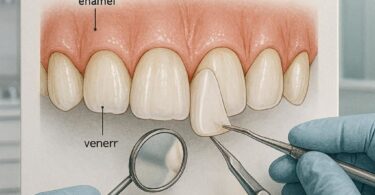
External Bleaching: Whitens the outside surface of your teeth (the enamel).
-
Internal Bleaching: Places a bleaching agent inside the tooth, in the pulp chamber, to whiten it from the inside out.
Because this procedure involves accessing the interior of the tooth—a space usually reserved for nerves and blood vessels—it is significantly different from a standard whitening tray. Therefore, it requires a specific dental procedure code (or “CDT code”) to distinguish it from other types of bleaching.
The Exact Dental Code for Internal Bleaching
So, let’s get straight to the point. The standardized dental code you are looking for is defined by the American Dental Association (ADA) in their Code on Dental Procedures and Nomenclature (CDT Code).
The specific dental code for internal bleaching is:
D9974
But what does that code actually describe? According to the official CDT manual, D9974 is defined as:
“Internal bleaching of a tooth, per application.”
Let’s dissect that definition because the last two words are crucial: “per application.”
Unlike a filling or a crown, which is usually a one-and-done procedure, internal bleaching often requires multiple sessions to achieve the desired shade. The tooth is accessed, the bleaching agent is placed, a temporary filling is put in, and you go home. You return a few days or a week later to have it checked and possibly reapplied.
Why “Per Application” Matters for Your Wallet
Because the code is listed as “per application,” your dental office will likely bill the procedure multiple times if it takes two or three visits to complete. This is standard practice and reflects the work done at each session. If your insurance plan covers a portion of this procedure (though many classify it as cosmetic), they will usually apply the benefit per application, up to a certain limit.
Comparing the Code: D9974 vs. Other Bleaching Codes
To truly understand D9974, it helps to see how it stacks up against other whitening-related codes. This is a common source of confusion for both patients and professionals new to the field.
| CDT Code | Procedure Name | Description | Typical Setting |
|---|---|---|---|
| D9974 | Internal Bleaching | Bleaching a non-vital (root canaled) tooth from the inside. Billed per application. | In-office |
| D9972 | External Bleaching – Per Arch | Custom-fabricated trays for home use to whiten vital teeth. Often includes material and lab fee. | Prescribed for home use |
| D9973 | External Bleaching – Per Tooth | Bleaching a single vital tooth externally, often used for minor touch-ups or a single discolored tooth that still has a nerve. | In-office or take-home |
| D9975 | External Bleaching – Per Arch, In-Office | Whitening performed in the dental chair, usually using a high-concentration gel and sometimes a special light. | In-office |
Key Takeaway: If the tooth is alive (vital) and you are whitening the outside, you are likely looking at codes D9972, D9973, or D9975. If the tooth has had a root canal (non-vital) and the dentist is working from the inside, the code is D9974.
The Step-by-Step Procedure: What Happens When You Get D9974
Understanding the process demystifies the code. If you are scheduled for a D9974 procedure, here is a realistic walkthrough of what to expect.
Step 1: The Examination and Prerequisites
Your dentist won’t just jump into bleaching. First, they must ensure the root canal treatment is sound. They will take an X-ray to check for any signs of infection, cracked fillings, or issues with the root canal itself. The tooth must be properly sealed and healthy before any bleaching can begin.
Step 2: Accessing the Tooth
You will be given local anesthesia to numb the tooth and surrounding area. The dentist will then drill a small opening through any existing crown or filling to access the pulp chamber—the hollow space inside the tooth.
Step 3: Cleaning the Pulp Chamber
This is a vital step. The dentist removes the old root canal filling material from the chamber, but only down to the level of the gum line or just below. They leave the filling material in the root itself to keep it sealed. The chamber is then cleaned and dried.
Step 4: Placing the Bleaching Agent
The dentist mixes a bleaching agent, typically sodium perborate mixed with water or hydrogen peroxide, into a paste. This paste is placed inside the clean pulp chamber.
Step 5: Sealing the Tooth
A temporary filling material is placed over the bleaching agent to seal it inside the tooth. You will leave the office with the bleaching agent working inside your tooth.
Step 6: The Recall Appointment (Application #2)
You will return in a few days (usually 3-7 days later). The dentist will remove the temporary filling and the old bleaching agent. They will assess the color change. If the tooth is lighter, great! If not, they will repeat the process—cleaning the chamber and placing a fresh batch of bleaching agent. This is the second “application” and would be billed again under D9974.
Step 7: The Final Restoration
Once the tooth has reached a shade that matches its neighbors, the dentist will clean out the final bleaching agent and place a permanent filling inside the access hole. If the tooth already had a crown, the access hole in the crown will be filled with a tooth-colored composite resin.
Important Note: Sometimes, the dentist may use a “walking bleach” technique, which is essentially what we just described. In other cases, they may use an “in-office” power bleaching technique where they use heat or light to accelerate the process in a single, longer appointment. However, the “per application” code D9974 is still the most accurate way to report the placement of the material.
Who is an Ideal Candidate for D9974?
Not every discolored tooth qualifies for internal bleaching. The ideal candidate usually meets the following criteria:
-
The tooth is non-vital: It has had a successful root canal.
-
The root canal is healthy: There are no signs of infection, cysts, or abscesses.
-
The tooth is structurally sound: It doesn’t have large cracks that could allow the bleaching agent to leak into the surrounding gums.
-
The discoloration is intrinsic: The darkening comes from inside the tooth, usually from blood pigments or old root canal materials.
If the discoloration is on the surface (extrinsic), external bleaching or simple cleaning is the answer.
How to Talk to Your Dental Office About D9974
If you are a patient reading this, you might feel a bit more empowered to discuss this with your dentist. Here are a few questions you might want to ask to clarify the treatment and cost:
-
“How many applications of D9974 do you anticipate for my case?” This helps you understand the total potential cost upfront.
-
“Is there a guarantee on the color result?” (Honest answer: Teeth can sometimes darken again years later, or the bleaching might not get 100% perfect. Your dentist should be realistic with you).
-
“Does my dental insurance cover any part of D9974, or is it purely cosmetic?” Many plans exclude it, but some may offer a small allowance if the discoloration is due to trauma or a medical necessity (like a developmental defect).
-
“Does this code include the final filling to seal the tooth?” Usually, the D9974 code covers the bleaching application only. The final filling at the end of treatment is a separate restorative code (like a D2391 or D2392 for a composite filling).
Common Challenges and Realistic Outcomes
Let’s keep it real. Internal bleaching is a fantastic procedure, but it isn’t magic. Here are some realistic points to consider:
-
Not Permanent: The bleaching effect can sometimes reverse over time. The tooth may darken again months or years later. If that happens, the procedure can often be repeated, as the access is still there under the filling.
-
Multiple Visits Required: As we’ve stressed with the “per application” code, patience is key. It might take 1 to 3 visits.
-
Cervical Resorption (The Rare but Serious Risk): In very rare cases, internal bleaching (especially if heat was used or high-concentration hydrogen peroxide was left in the tooth) can lead to a condition called external cervical resorption, where the tooth root begins to break down. Modern techniques using sodium perborate and proper sealing have made this risk extremely low, but it’s a reason why dentists follow the procedure meticulously.
-
The “Walking Bleach” Smell: Don’t be alarmed if the tooth has a slight “chemical” smell when the temporary filling is removed. That’s normal.
Frequently Asked Questions (FAQ)
To wrap up, let’s tackle some of the most common questions people have about the dental code for internal bleaching.
Q: Is D9974 considered cosmetic or restorative by insurance?
A: It is almost universally classified as a cosmetic procedure. Most dental insurance plans do not provide benefits for purely cosmetic treatments. However, if the discoloration is a result of trauma or a pathological issue, it’s always worth having your dentist submit a predetermination of benefits to see if your plan makes an exception.
Q: Can I use my FSA or HSA to pay for D9974?
A: Yes, in most cases. Flexible Spending Accounts (FSAs) and Health Savings Accounts (HSAs) are typically used for medical and dental expenses. Even if insurance doesn’t cover it, you can usually use these pre-tax funds to pay for the procedure. Keep your receipt and the treatment plan for your records.
Q: My tooth has a crown. Can I still have internal bleaching done (D9974)?
A: Yes, it’s possible. The dentist will drill a small hole through the back of the crown (the side facing your tongue) to access the inside of the tooth. After the bleaching is complete, they will fill that hole with a tooth-colored composite resin. It won’t be visible when you smile.
Q: How long does one application of D9974 take?
A: The actual appointment for placement is usually quite short, often 30 to 60 minutes. This includes numbing, cleaning the chamber, placing the agent, and sealing it. The “work” happens over the next few days while the agent is inside your tooth.
Q: Why does my dentist say I need a “buildup” before the bleaching?
A: If the tooth structure is weak or if the original root canal access is very large, the dentist might need to place a reinforcing material (a buildup) inside the tooth to strengthen it before beginning the bleaching process. This is a separate procedure with its own code (like D2950) and is billed in addition to the D9974.
Conclusion
To summarize, the journey to brightening a single darkened tooth relies on a precise and specialized procedure known as internal bleaching, which is identified by the code D9974. This code, billed “per application,” reflects the unique multi-visit process of placing a whitening agent inside a root-treated tooth. Understanding this code helps demystify the treatment plan, sets realistic expectations for the number of visits required, and allows for a clearer conversation with your dental provider about costs and outcomes.