If you have recently lost a tooth or are waiting for a dental implant to heal, you have likely heard the term “flipper.” It sounds like something you’d find at a beach, but in the world of dentistry, a flipper is a lifeline for your smile. Specifically, a maxillary flipper is a removable acrylic partial denture designed to replace one or a few missing teeth in the upper arch.
When you sit in the dentist’s chair and agree to this treatment, you aren’t just paying for the piece of acrylic. You are paying for a procedure that has a specific identifier. In the dental world, we don’t just ask for a “flipper”; we use a Current Dental Terminology (CDT) code to communicate with insurance companies.
Understanding the dental code for a maxillary flipper is the key to unlocking your insurance benefits and avoiding surprise bills. This guide will walk you through everything you need to know, from the technical codes to the realistic costs, ensuring you walk into your next appointment fully informed.

Dental Code for a Maxillary Flipper
Table of Contents
ToggleWhat Exactly Is a Maxillary Flipper?
Before we dive into the numbers and codes, let’s establish a clear understanding of what this appliance actually is.
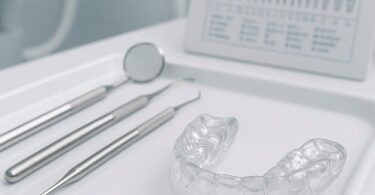
A maxillary flipper is a type of removable partial denture. It is typically made of acrylic (a hard, pink plastic that mimics your gums) and contains one or more prosthetic teeth. It gets its name from the way it “flips” into place, held snugly against the roof of your mouth (the palate) by gentle clasps or simply by the natural contour of your anatomy.
Dentists use flippers for a variety of reasons. They are most commonly used as a transitional or temporary solution. For example, if you have a tooth extracted, you cannot place a permanent bridge or implant immediately. The bone and gums need time to heal. During this healing phase, which can last several months, a flipper maintains the space, prevents adjacent teeth from shifting, and restores your ability to smile and speak with confidence.
Why “Flipper” Isn’t the Technical Term
If you call your dentist’s office and ask for a “dental code for a maxillary flipper,” the billing coordinator will likely smile. While everyone knows what a flipper is, the official CDT nomenclature uses a different term: Interim Partial Denture.
This distinction is crucial because insurance companies do not search for the word “flipper” in their databases. They process claims based on the official CDT code. Knowing the official terminology helps you communicate more effectively with your insurance provider and your dentist’s front desk team.
The Official Dental Codes: Decoding the Numbers
The American Dental Association (ADA) publishes the CDT codes annually. For a maxillary flipper, the codes fall under the category of removable prosthodontics. The specific code you will likely see on your treatment plan is D5820.
The Primary Code: D5820
D5820 is defined as “Interim partial denture (maxillary).”
This is the standard code for an acrylic flipper that replaces one or more teeth in the upper jaw. It covers the appliance itself, which is designed to be used for a limited period (usually less than a year, though some patients use them longer).
It is important to note that this code usually covers a complete service. This means the fee associated with D5820 typically includes:
-
The initial impression and bite registration.
-
The try-in appointment to check the fit and aesthetics.
-
The final delivery and insertion of the flipper.
-
Adjustments made within a reasonable timeframe after delivery (usually 30 to 90 days).
The Lower Counterpart: D5810
For the sake of completeness, it is worth mentioning the mandibular counterpart. If your missing tooth is on the bottom jaw (lower arch), the code used is D5810 (Interim partial denture – mandibular).
While this article focuses on the maxillary version, the pricing and insurance logic for D5810 are generally similar to D5820.
When It Isn’t a Flipper: Other Related Codes
Sometimes, what a patient calls a “flipper” is actually a different type of appliance. If you are comparing treatment plans, you might see these codes instead. It is important to know the difference because the costs and insurance coverage vary significantly.
| CDT Code | Description | How It Differs from a Flipper (D5820) |
|---|---|---|
| D5211 | Maxillary partial denture – resin base (including clasps, rests, and teeth) | This is a definitive (permanent) partial denture. It is made of higher-grade materials, lasts much longer, and costs significantly more. |
| D6240 | Pontic – porcelain fused to metal | This is a code for a single tooth in a fixed bridge. Unlike a flipper, a bridge is cemented in place and cannot be removed by the patient. |
| D6010 | Surgical placement of implant body | This is the code for the implant post. A flipper is often used while the patient is waiting for the implant to heal. |
| D5110 | Complete denture – maxillary | This replaces a full arch of missing teeth, whereas a flipper replaces only one or a few teeth. |
How Insurance Views the Maxillary Flipper
This is where understanding the dental code becomes financially critical. Insurance companies view an “Interim Partial Denture” (D5820) very differently than they view a “Permanent Partial Denture” (D5211).
Classification: Interim vs. Definitive
The word “interim” is the most important part of the code. It signals to the insurance company that this appliance is temporary. Because it is considered temporary, many insurance plans have specific limitations:
-
Frequency Limitations: Most PPO and HMO plans will only cover an interim partial denture once every 5, 7, or even 10 years. However, because it is temporary, if you are getting a permanent solution (like an implant) later, you may still qualify for the flipper now.
-
Waiting Periods: If you have a new insurance policy, there may be a waiting period (often 6 to 12 months) for major services like partial dentures. An interim partial sometimes falls under this waiting period.
-
Downgrades: This is a common scenario. Let’s say your dentist wants to place a permanent, cast-metal partial denture (D5211) which costs $2,000. Your insurance might say, “We will only pay for the flipper (D5820) because it is the least expensive alternative.” In this case, the insurance pays based on the D5820 fee, and you are responsible for the difference between that and the cost of the permanent denture.
The “Missing Tooth Clause”
Many dental insurance policies have a specific clause regarding the replacement of missing teeth. Some policies will not cover a flipper or partial denture to replace a tooth that was missing before the insurance policy started (a pre-existing condition). Always check your policy’s “Missing Tooth Clause” to avoid denial of coverage.
Breaking Down the Cost of a Maxillary Flipper
Money is often the most stressful part of dental care. Because the dental code for a maxillary flipper (D5820) falls into a specific category, the costs tend to follow a predictable pattern across the United States.
Average Costs
The price for a maxillary flipper varies based on geographic location, the complexity of the case (how many teeth are being replaced), and whether the dentist is in-network or out-of-network with your insurance.
-
Without Insurance (Cash/Out-of-Pocket): The average cost for a maxillary flipper ranges from $300 to $500 per arch. In high-cost metropolitan areas (like New York City or Los Angeles), this price can climb to $600–$800.
-
With Insurance (PPO): If you have dental insurance that covers interim partials, the plan typically covers 50% of the cost. If the dentist is in-network, the negotiated fee might be $400. The insurance pays $200, and you pay the remaining $200.
-
With Medicaid (Denti-Cal / etc.): Coverage varies drastically by state. Some state Medicaid programs cover interim partial dentures under specific circumstances (e.g., pregnancy, cancer treatment, or as a precursor to an implant), while others do not cover them at all, considering them cosmetic.
Why is a Flipper “Cheaper” than a Bridge?
If you are looking at your treatment plan and see a flipper costing $500 next to a bridge costing $3,500, you might wonder why. The cost difference is reflected in the materials, durability, and lab time.
-
Materials: A flipper is made of pure acrylic. A bridge is made of porcelain, zirconia, or metal.
-
Preparation: A flipper requires no drilling on adjacent teeth. A bridge requires grinding down (prepping) the two adjacent teeth.
-
Longevity: A flipper lasts 1 to 5 years with good care. A well-made bridge can last 10 to 15 years or more.
The Process: From Impression to Insertion
Understanding the workflow behind the dental code can help you visualize why the cost is structured the way it is. It isn’t just a piece of plastic; it is a custom medical device.
Step 1: Diagnosis and Treatment Planning
Your dentist examines the area. If you are having an extraction, they will often take an impression before pulling the tooth. This allows the lab to fabricate a flipper that has the tooth already in place, so you leave the office with a full smile.
Step 2: Impressions (Alginate)
The dentist takes a mold of your upper and lower arches. They also take a “bite registration” to see how your upper and lower teeth come together. These impressions are sent to a dental laboratory.
Step 3: Laboratory Fabrication
A dental technician pours stone (plaster) into the impressions to create a model of your mouth. They then set acrylic teeth in the appropriate position, sculpt the pink acrylic base to fit your palate, and process the material. This usually takes 1 to 2 weeks.
Step 4: Try-In and Delivery
When the flipper returns from the lab, you will have a “try-in” appointment. The dentist places it in your mouth to check the fit, the bite, and the color of the tooth. If everything looks good, it is polished and delivered. If adjustments are needed, they are made chairside.
Living with Your Maxillary Flipper
Once the code is billed and the appliance is in your mouth, the journey isn’t over. Knowing how to care for your flipper will save you from paying for a replacement out of pocket later on.
The Adjustment Period
When you first wear a maxillary flipper, it will feel bulky. Because it covers the roof of your mouth (the palate), it may affect your taste and speech for a few days. You might find yourself lisping or producing excess saliva.
This is completely normal. Most patients adapt within 3 to 7 days. Reading out loud and practicing speaking helps your tongue and muscles adjust to the foreign object.
Cleaning and Maintenance
A flipper is porous (unlike porcelain). If you do not clean it properly, it can develop odors and stains, and it can harbor bacteria that lead to gum disease or decay on your adjacent teeth.
-
Do: Rinse the flipper after every meal.
-
Do: Brush it daily with a soft-bristled toothbrush and non-abrasive denture cleaner or mild soap. Avoid toothpaste, as it can scratch the acrylic, creating hiding spots for bacteria.
-
Do: Soak it in a denture-cleaning solution (like Efferdent or Polident) once a day to disinfect it.
-
Don’t: Sleep with it in. Unless your dentist specifically instructs you to wear it 24/7 (usually only immediately after extractions to control swelling), you should remove it at night to give your gums and bone a rest.
Durability: Handle with Care
Acrylic is strong enough for chewing soft foods, but it is not indestructible. A maxillary flipper is susceptible to breaking if dropped on a hard surface or if you try to chew hard, sticky, or crunchy foods on that side. Always handle it over a sink full of water or a folded towel to prevent breakage if you drop it.
Comparative Analysis: Flipper vs. Other Tooth Replacement Options
To truly appreciate the role of the dental code D5820, it helps to see where the maxillary flipper sits in the hierarchy of tooth replacement.
| Option | Code(s) | Pros | Cons | Typical Cost (per tooth) |
|---|---|---|---|---|
| Maxillary Flipper | D5820 | Least invasive, no drilling on other teeth, fastest to make, lowest upfront cost | Temporary, bulkier feeling, can break easily, may affect speech | $300 – $800 |
| Fixed Bridge | D6210, D6240 | Permanent, feels like natural teeth, no removable parts | Requires shaving down healthy adjacent teeth, expensive | $2,500 – $4,500 |
| Dental Implant | D6010, D6057 | Most durable, preserves bone, looks and feels most natural | Invasive surgery, longest treatment time (months), highest cost | $3,500 – $6,000 |
| Resin-Bonded Bridge | D6545 | Minimal drilling (wings bonded to back of teeth), affordable for front teeth | Not strong for back teeth (molars), can debond (fall off) | $1,500 – $2,500 |
Important Note for Readers: If you are receiving a flipper while waiting for an implant, ask your dentist if the cost of the flipper (D5820) is included in the “implant package.” Some offices bundle the cost of the temporary flipper into the overall implant surgical fee. If not, ensure the codes are separate so you can submit them to insurance appropriately.
Common Billing Scenarios and Pitfalls
Even with the correct dental code for a maxillary flipper, insurance claims can be denied. Here are a few realistic scenarios you might encounter and how to handle them.
Scenario 1: The “Same Day” Extraction and Flipper
If your dentist extracts a tooth and delivers a flipper on the same day, the billing can get complicated. Often, the extraction (D7140 or D7210) is billed separately. However, some insurance plans consider the flipper “unnecessary” if placed immediately, preferring to wait for healing. A successful appeal often involves your dentist submitting a narrative explaining that the immediate flipper was essential to prevent aesthetic concerns and maintain arch integrity during healing.
Scenario 2: The “Double Dip” Denial
If you have two insurance plans (primary and secondary), sometimes one plan will deny D5820 stating that the other plan should cover it. This is a coordination of benefits issue. Always ensure the dentist’s office has the correct “birthday rule” information (the plan of the parent whose birthday falls earlier in the year is usually primary for dependents) to avoid delays.
Scenario 3: The Replacement Claim
If you are trying to replace a broken flipper, insurance will often deny it if the original was placed less than 5 years ago. However, if the flipper broke due to a specific incident (an accident) or if there has been significant changes to the abutment teeth (the teeth holding it in place), your dentist can submit an explanation with the claim to request an exception.
Frequently Asked Questions (FAQ)
Q: Is a maxillary flipper covered by medical insurance?
A: Generally, no. Dental insurance is the primary payer for D5820. However, if the tooth loss is due to an accident (trauma) or part of a medically necessary procedure (like tumor removal), you may be able to submit a claim to your medical insurance. This is rare and usually requires a prior authorization.
Q: How long does a maxillary flipper last?
A: As an “interim” device, it is designed to last 6 months to 3 years. However, with meticulous care, some patients stretch this to 5 years. Eventually, the acrylic wears down, the fit loosens as bone resorbs (shrinks), or the tooth wears down, requiring a replacement.
Q: Will my insurance pay for a flipper and an implant?
A: Yes, usually. Because they are different procedures (one is an interim prosthesis, the other is a surgical procedure), most insurance plans will cover both within the same benefit period, provided you have not maxed out your annual maximum. The flipper is covered under “major” or “prosthodontic” benefits, while the implant is often covered under “surgical” or “major” benefits.
Q: Can I eat normally with a maxillary flipper?
A: You can eat most foods, but it is best to avoid sticky candies (caramels, taffy) that can pull the flipper loose, and hard foods (nuts, ice) that could crack the acrylic tooth. It is also recommended to remove the flipper if you are eating foods with small seeds that could get lodged underneath it.
Q: What happens if I lose my flipper?
A: Losing a flipper usually requires paying for a new one (D5820) out of pocket, as insurance rarely covers replacements for lost appliances. If you find it after a few days, it may not fit because your gums shift quickly. Never try to force an ill-fitting flipper back in; it can cause sores and bone loss.
Additional Resources
To further assist you in navigating dental prosthetics and insurance, here is a valuable resource:
-
The American College of Prosthodontists (ACP) Patient Resources: The ACP is the organization for dentists who specialize in tooth replacement. Their website offers patient-friendly guides on the differences between flippers, bridges, and implants. You can use their “Find a Prosthodontist” tool if you need a specialist for complex cases.
-
Link: www.gotoapro.org
-
Conclusion
Understanding the dental code for a maxillary flipper—specifically D5820—empowers you to take control of your dental health and finances. While a flipper is often just a temporary step in a larger treatment plan, it plays a vital role in preserving your smile, maintaining the alignment of your teeth, and boosting your confidence during healing periods.
By recognizing the distinction between an interim partial (flipper) and a definitive prosthesis, you can accurately estimate costs, navigate insurance limitations, and communicate clearly with your dental provider. Remember, a flipper is an investment in maintaining your dental architecture until you are ready for a more permanent solution. Always review your treatment plan carefully, ask questions about the codes being used, and ensure you understand your coverage before the work begins.