If you’ve recently visited the dentist and heard the word “odontoplasty,” you might have felt a little confused. It sounds complex, but it is actually one of the more common—and often misunderstood—procedures in modern dentistry. Whether you are a patient trying to understand a treatment plan, or a dental professional looking for a refresher on coding nuances, you have come to the right place.
Odontoplasty is essentially the art of reshaping teeth. It is a subtle, precise procedure that can make a world of difference in comfort, aesthetics, and oral health. But when it comes to paperwork, the question always circles back to the same thing: what is the correct dental code for odontoplasty?
In the world of dental billing, precision matters. Using the wrong code can mean the difference between an insurance claim being accepted or denied. It can also affect how a procedure is perceived in a patient’s long-term health record.
In this guide, we are going to strip away the jargon. We will walk you through exactly what this code entails, when it should be used, and what you—whether you are a patient or a practitioner—need to know to navigate the process smoothly. Consider this your reliable, human-friendly handbook to understanding odontoplasty and its associated billing.
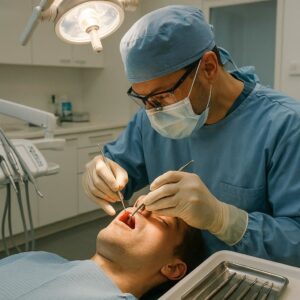
Dental Code for Odontoplasty
Understanding Odontoplasty: More Than Just Shaping
Before we dive into the numbers and codes, it is important to understand what odontoplasty actually is. Often used interchangeably with the term “enameloplasty,” odontoplasty refers to the controlled removal of a small amount of tooth enamel to alter the shape, length, or surface of a tooth.
This is not a procedure that involves drills and heavy reconstruction. Instead, it is a conservative technique. Dentists use specialized burs, discs, or polishing strips to gently sculpt the enamel. Because enamel does not contain nerves, this procedure is typically painless and does not require anesthesia, though some patients may opt for it if the tooth is sensitive.
Common Reasons for Odontoplasty
Odontoplasty is rarely performed in isolation without a reason. It serves a variety of clinical and aesthetic purposes. Here are the most common scenarios where a dentist might recommend this procedure:
-
Resolving Occlusal Interferences: Sometimes, a tooth is just slightly too high. This can cause discomfort when biting or lead to uneven wear on other teeth. Odontoplasty balances the bite (occlusion) to ensure even contact.
-
Relieving Crowding: In cases of minor crowding, especially in the lower front teeth, reshaping the interproximal contacts (the sides of the teeth) can create just enough space to align the teeth without the need for extraction or extensive orthodontics.
-
Smoothing Sharp Edges: Newly erupted teeth, particularly permanent incisors, can sometimes have mamelons (small, bumpy ridges) or sharp cusps that irritate the tongue or cheeks. Odontoplasty smooths these out for comfort.
-
Aesthetic Contouring: For patients looking to improve their smile without veneers or crowns, odontoplasty can correct minor asymmetries, slightly shorten long teeth, or reshape chipped edges to create a more harmonious smile line.
-
Preparing for Orthodontics: Often used in conjunction with braces or clear aligners, odontoplasty (sometimes called Interproximal Reduction or IPR) creates space to allow teeth to move properly.
What Odontoplasty Is Not
It is equally important to understand what this procedure is not. Odontoplasty is not a treatment for cavities. It is not the same as a filling. If a dentist is removing decay and placing a composite resin, they are performing a completely different procedure with a different code.
Furthermore, while odontoplasty removes enamel, it does so conservatively. Dentists are careful to respect the “biological width” and the natural thickness of enamel. Removing too much enamel can lead to sensitivity or structural weakness. A good clinician will only perform odontoplasty when there is enough enamel thickness to safely remove a small amount without exposing the underlying dentin.
The Definitive Dental Code: D2990
Now, let’s get to the heart of the matter. The specific, standardized dental code for odontoplasty is D2990.
This code is part of the Current Dental Terminology (CDT) code set, which is maintained by the American Dental Association (ADA). The CDT codes are updated annually, and D2990 has remained a stable and essential part of the “Restorative” section for many years.
The official ADA descriptor for D2990 is: “Resin infiltration of incipient enamel lesions; per tooth.”
Wait—hold on. That descriptor often causes confusion. You might be thinking, “That sounds like a treatment for early decay, not reshaping teeth.” And you would be correct in noticing the discrepancy.
The Evolution and Dual Nature of D2990
This is where the nuance of dental coding comes into play. In the official CDT manual, D2990 is technically designated for “resin infiltration”—a specific technique used to treat non-cavitated (incipient) lesions by using a resin to penetrate and strengthen demineralized enamel.
However, in the practical, day-to-day world of dental practice management, D2990 has become the widely accepted and most commonly used code for odontoplasty (enameloplasty) . Why? Because historically, there was no other specific code that fit the “reshaping of enamel” niche perfectly.
When a dentist performs a simple recontouring of a tooth to adjust the bite or improve aesthetics, they are not performing a “crown,” “filling,” or “occlusal adjustment” (which often refers to grinding the entire bite down, not individual teeth). D2990 fills this gap. It allows for the billing of a service that is restorative in nature but doesn’t involve adding material to the tooth.
Alternative Codes: When D2990 Isn’t the Right Fit
While D2990 is the standard code for odontoplasty, there are instances where a different code might be more appropriate. Understanding these distinctions is crucial for accurate record-keeping and insurance submission.
| Code | Description | When to Use |
|---|---|---|
| D2990 | Resin infiltration / Odontoplasty | For recontouring, smoothing sharp edges, minor bite adjustments, and IPR. |
| D2980 | Crown repair, by report | If a crown has a small chip and the dentist polishes it smooth. |
| D9110 | Palliative (emergency) treatment | If the odontoplasty is performed primarily to relieve severe pain from a high bite or sharp edge on an emergency basis. |
| D9950 | Occlusal analysis | If the reshaping is part of a comprehensive diagnostic process for occlusion. Usually used in conjunction with other codes, not alone. |
| D9920 | Behavior management | If the odontoplasty is performed to manage a habit like tongue thrusting (e.g., smoothing a sharp edge causing a sore). |
The most common alternative is D9110 (Palliative Treatment) . If a patient comes in with a chipped tooth that is cutting their tongue, and the dentist simply polishes the sharp edge to provide relief without a formal restoration, D9110 might be the appropriate code. However, if the goal is to permanently reshape the tooth for functional or aesthetic reasons, D2990 is the standard.
Navigating Insurance: Will They Cover It?
This is often the most pressing question for patients. Will my dental insurance pay for D2990?
The answer is rarely straightforward. Dental insurance is designed to cover procedures that are deemed “medically necessary.” Odontoplasty often falls into a gray area.
When Coverage is Likely
Insurance companies are more likely to cover D2990 when it is tied to a functional need. If the odontoplasty is performed to correct a traumatic bite (occlusal interference) that is causing pain, tooth mobility, or excessive wear on other teeth, the claim has a stronger chance of being accepted. In these cases, the dentist must document the condition clearly.
Often, the dentist will need to submit a narrative—a short letter explaining the medical necessity—along with the claim. They might include details like:
-
“Patient presents with localized pain on tooth #8 due to a supraerupted edge.”
-
“Interproximal reduction required to facilitate orthodontic movement to prevent root resorption.”
-
“Sharp cusp on tooth #12 is causing chronic soft tissue laceration.”
When Coverage is Denied
Where insurance becomes tricky is with aesthetic odontoplasty. If the sole purpose of the procedure is to improve the look of a smile—for example, reshaping a slightly pointed canine to look rounder or smoothing a minor chip that causes no pain—most dental insurances will classify this as a cosmetic procedure.
Cosmetic procedures are almost universally excluded from standard dental benefit plans. In this scenario, the patient is typically responsible for the full fee.
The “Downstream” Coverage Effect
There is another angle to consider regarding orthodontics. If the odontoplasty is performed as Interproximal Reduction (IPR) as part of an orthodontic treatment plan, it is often considered part of the comprehensive orthodontic package.
For example, if a patient is undergoing Invisalign treatment and the plan calls for IPR at certain visits, the cost of that odontoplasty is usually bundled into the total orthodontic fee. Billing D2990 separately in this case would be considered double-billing. It is essential for patients to ask their orthodontist whether IPR procedures are included in their quoted treatment fee.
The Clinical Workflow: What to Expect
For a patient scheduled for a D2990 procedure, knowing what happens during the appointment can ease anxiety. The process is typically quick, minimally invasive, and surprisingly satisfying.
1. Diagnosis and Planning
Before any instrument touches a tooth, the dentist will perform a thorough evaluation. They will look at your bite (how your teeth come together), check for mobility, and assess the thickness of your enamel. If the procedure is for aesthetic reasons, they will often take photos or use a digital smile design tool to plan the new shape.
2. Isolation and Preparation
The dentist will isolate the tooth or teeth to be treated. Sometimes they will use a rubber dam, especially for interproximal work, to protect the surrounding gums and prevent debris from falling into the throat. The area is dried thoroughly.
3. The Reshaping Process
This is the actual odontoplasty. Using a high-speed handpiece with a fine diamond bur or a series of abrasive strips, the dentist begins to sculpt the enamel. For interproximal reduction (slimming between teeth), they will use thin, flexible diamond-coated strips that slide between the teeth to carefully shave a fraction of a millimeter from the sides.
For occlusal adjustments (bite corrections), the dentist will use articulating paper—a thin, inked paper—to mark where the teeth are hitting. They will then remove the marked spots until the bite feels even and balanced.
Throughout the process, they will frequently have you close your mouth to check the bite. You may hear a gentle whirring sound and feel a slight vibration, but you should not feel pain. If the tooth is close to the nerve or if the enamel is thin, the dentist may pause to apply a desensitizing agent or, rarely, administer local anesthetic if the patient prefers.
4. Polishing and Finishing
Once the desired shape is achieved, the dentist will polish the tooth to a smooth finish. Rough enamel can attract plaque and stain, so polishing is not just for aesthetics—it is for hygiene. They will use rubber cups with fine pumice or silicone polishers to leave the tooth feeling sleek and natural.
5. Post-Operative Care
One of the best things about odontoplasty is the recovery. There is virtually no downtime. You might experience mild sensitivity to cold or air for a day or two, especially if a significant amount of enamel was removed. The dentist may recommend using a sensitivity toothpaste for a week following the procedure. Because the tooth structure has changed, you might also feel a “new” sensation when biting for a few days as your tongue and jaw adjust to the new shape.
Cost Analysis: What Does D2990 Actually Cost?
If you are paying out-of-pocket, or if insurance denies the claim, it is helpful to know what financial range to expect. Since D2990 is not a “major” procedure like a crown or root canal, the fees are generally much lower.
The cost for odontoplasty depends heavily on three factors:
-
Geographic Location: Fees in metropolitan areas are generally higher than in rural areas.
-
The Dentist’s Expertise: A specialist (like a prosthodontist) may charge more than a general dentist.
-
Complexity: Reshaping one small edge is cheaper than performing extensive IPR on six teeth.
Typically, the fee for D2990 ranges from $50 to $150 per tooth.
Some offices charge a flat fee for the appointment, especially if multiple teeth are being reshaped. Others charge per tooth. It is always a good practice to ask for a treatment plan that outlines the fees before the work begins.
Comparison Table: D2990 vs. Common Alternatives
To truly understand the value proposition of odontoplasty, it helps to compare it to other treatments that solve similar problems.
| Procedure | Code | Typical Cost per Tooth | Invasiveness | Longevity |
|---|---|---|---|---|
| Odontoplasty | D2990 | $50 – $150 | Minimal (enamel only) | Permanent (if bite is stable) |
| Composite Bonding | D2330-D2332 | $200 – $600 | Moderate (etching, bonding) | 5-10 years (staining/chipping possible) |
| Porcelain Veneer | D2960-D2962 | $1,200 – $2,500 | High (enamel removal required) | 10-20 years (with maintenance) |
| Crown | D2740 | $1,000 – $1,800 | High (full coverage) | 10-15+ years |
| Occlusal Adjustment | D9950 | $100 – $400 (full arch) | Variable | Permanent (if night guard is used) |
As you can see, odontoplasty sits in a unique sweet spot. It is far less expensive than restorative options like crowns or veneers, and it is often the most conservative approach available.
Risks and Limitations: Being an Informed Patient
No medical or dental procedure is without risk. While odontoplasty is considered one of the safest procedures in dentistry, it is important to go into it with open eyes.
The Risk of Sensitivity
The biggest risk is post-operative sensitivity. Enamel is the protective shell of the tooth. If too much enamel is removed, the underlying dentin (which is filled with microscopic tubules leading to the nerve) becomes exposed. This can lead to lingering sensitivity to hot, cold, or sweet stimuli. In most cases, this sensitivity is mild and resolves on its own within a few weeks as the tooth forms a protective layer (secondary dentin) or as the gums re-adapt. In rare cases, if the sensitivity is severe, the tooth may later require a filling or even a root canal—though this is extremely uncommon when the procedure is done conservatively.
Weakening of Tooth Structure
Teeth are designed to withstand specific forces. Removing enamel alters the structural integrity, albeit very slightly. If a dentist removes too much from the contact points between teeth (IPR), it can lead to food impaction or a shift in the teeth over time. This is why it is crucial that the procedure is performed by a skilled professional who understands biomechanics and occlusion.
Irreversibility
Perhaps the most important thing to remember is that odontoplasty is irreversible. Once enamel is gone, it does not grow back. A dentist cannot “undo” the procedure. This is why many conservative dentists will perform odontoplasty in stages. For example, if adjusting a bite, they might remove a small amount, have the patient return in a week to see how it feels, and then remove a little more if necessary. This staged approach minimizes the risk of over-reduction.
Odontoplasty in Orthodontics: The IPR Connection
If you are undergoing orthodontic treatment, you will likely hear the term “IPR” far more often than “odontoplasty.” Interproximal Reduction (IPR) is simply a specific type of odontoplasty performed between the teeth.
In orthodontics, IPR is a game-changer. When teeth are crowded, there is simply not enough space in the jawbone for them to align. Historically, dentists would extract teeth to create space. Today, thanks to advanced orthodontic planning software, we can often create space by gently slimming the sides of the teeth.
How IPR Works
The orthodontist uses a specialized tool to remove a predetermined amount of enamel—usually measured in tenths of a millimeter—from the contact points between teeth. This does not change the front-to-back appearance of the tooth but creates a small gap (typically 0.1mm to 0.5mm) that allows the teeth to move into alignment.
Benefits of IPR
-
Avoids Extractions: In many borderline crowding cases, IPR allows the patient to keep all their natural teeth.
-
Improves Stability: Creating proper contact points can actually make the final result more stable, preventing the teeth from relapsing after braces are removed.
-
Aesthetic Contouring: It can also be used to correct “black triangles”—the small, unsightly gaps that sometimes appear near the gum line after orthodontic treatment. By reshaping the teeth to be slightly wider at the contact point, the soft tissue fills in the space.
Documentation: Why It Matters for Dentists
For dental professionals, proper documentation of D2990 is critical. If an insurance auditor reviews a patient chart, they want to see a clear narrative that justifies the procedure.
A strong clinical note for D2990 should include:
-
Tooth Numbers: Specifically list which teeth were treated.
-
Reason for Procedure: “To relieve occlusal trauma,” “To remove sharp cusp irritating buccal mucosa,” or “To facilitate orthodontic space creation.”
-
Description of Service: “Used fine diamond bur to recontour the incisal edge of tooth #8. Articulating paper used to verify even occlusion. Surface polished to smooth finish.”
-
Informed Consent: A note indicating the patient was informed about the irreversible nature of the procedure and the risk of sensitivity.
If the procedure is performed as part of a comprehensive orthodontic case, it is wise to note that in the chart to avoid confusion later.
Patient Questions: Your Checklist
If your dentist has recommended D2990, here are the questions you should feel empowered to ask before they start.
-
“Why exactly are we doing this?” Understand if it is for function (bite, pain, orthodontics) or aesthetics. This will help you predict insurance coverage.
-
“How much enamel are you removing?” A good dentist can give you a sense of whether this is a minor touch-up or a significant reduction.
-
“Is this covered by my insurance?” Ask the front desk to run a “predetermination” of benefits if the cost is a concern. This is a pre-claim sent to insurance to see if they will cover the D2990 code.
-
“What happens if I have sensitivity afterwards?” Understanding the protocol for post-operative care helps set expectations.
-
“Is this the final step, or will I need more work later?” Sometimes odontoplasty is a precursor to something else (like a night guard or further orthodontics).
The Future of Odontoplasty Coding
As dentistry continues to evolve, so does the coding system. There is occasional discussion within the ADA coding committee about creating a more specific code for enameloplasty/recontouring. Currently, the hybrid nature of D2990 (covering both resin infiltration and recontouring) sometimes creates confusion, especially with medical cross-coding (where a dentist bills a patient’s medical insurance for trauma-related services).
For now, D2990 remains the standard. However, dental professionals should stay updated on CDT code changes annually. A new code could be introduced in the coming years that separates “resin infiltration” (a preventive treatment for white spot lesions) from “enamel recontouring” (the mechanical reshaping of enamel). Until then, clear documentation and honest communication remain the pillars of ethical billing.
A Note on “At-Home” Odontoplasty
A word of caution that is necessary in the age of DIY culture. There is a growing trend on social media of people attempting to file down their own teeth with nail files or emery boards.
Do not do this.
What looks like a simple, harmless way to fix a sharp tooth can lead to disastrous consequences. Without a professional understanding of enamel thickness, occlusion (how your teeth hit together), and proper sterilization, you risk:
-
Creating irreversible sensitivity.
-
Damaging the root surface, leading to gum recession.
-
Ruining your bite, potentially leading to jaw pain and TMJ disorders.
-
Causing uneven wear that leads to more complex and expensive dental issues later.
Odontoplasty is a dental procedure. Even though it sounds simple, it requires the skill, knowledge, and sterile instruments of a trained professional.
Conclusion
Understanding the dental code for odontoplasty—D2990—is about more than just filling out a billing form. It represents a fundamental principle of modern dentistry: conservation. Whether you are smoothing a sharp edge, balancing a bothersome bite, or creating space for a beautiful new smile, this procedure offers a minimally invasive solution that preserves natural tooth structure.
For patients, the key takeaway is communication. Ask your dentist why the procedure is necessary, what to expect, and how it will affect your wallet. For professionals, the responsibility lies in accurate documentation and ethical coding to ensure that this valuable service is represented correctly. Odontoplasty may be a small procedure, but its impact on comfort, function, and confidence is anything but small.
Frequently Asked Questions (FAQ)
1. Is odontoplasty painful?
Generally, no. Because it involves only the enamel, which has no nerve endings, it is usually painless. Some patients may feel a slight vibration or pressure. If the procedure is near the gum line or if the enamel is thin, a dentist may use a local anesthetic to ensure comfort.
2. Will my insurance cover the D2990 code?
It depends. If the odontoplasty is performed for a functional reason, such as correcting a bite problem or relieving soft tissue trauma, insurance is more likely to cover it. If it is purely for cosmetic reasons, it is typically denied as a non-covered service.
3. How long does odontoplasty last?
The results are permanent. Once the enamel is reshaped, it will stay that way. However, if the underlying cause (like bruxism or teeth grinding) is not addressed, the teeth may continue to wear unevenly over time, potentially requiring future adjustments.
4. What is the difference between odontoplasty and a filling?
Odontoplasty removes enamel to reshape a tooth. A filling (using codes like D2330) involves placing composite resin (white filling material) onto the tooth to restore a cavity or rebuild a broken part. One takes away, the other adds.
5. Can odontoplasty fix a chipped tooth?
It depends on the size of the chip. For very small chips that are less than 1-2mm, odontoplasty can smooth the edge to make the chip invisible. For larger chips, a filling (bonding) or crown is usually required to restore the missing structure.
Additional Resources
For readers who want to dive deeper into the world of dental coding, dental materials, or orthodontic treatments, here is a trusted resource:
-
American Dental Association (ADA) CDT Code Book: The official manual for Current Dental Terminology. It is the definitive source for code descriptors and guidelines.
Link: https://www.ada.org/en/publications/cdt