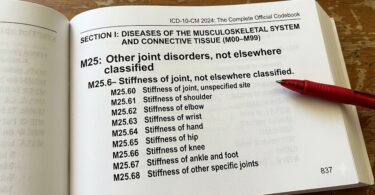
When a patient transitions to hospice care, families often have a thousand questions. What does comfort care mean? Who pays for it? And, perhaps surprisingly, what medical codes are used to describe the primary diagnosis?
If you have heard the term “ICD 10 code hospice” and felt a little lost, you are not alone. Medical coding can seem like a foreign language. But understanding the basics is helpful—not just for doctors and billers, but for patients and their loved ones, too.
This guide will walk you through everything you need to know about the ICD 10 code used in hospice care. We will keep things simple, clear, and practical. No confusing jargon. No unrealistic promises. Just honest, reliable information.
Let’s get started.

What Exactly Is an ICD 10 Code? (A Simple Explanation)
Before we dive into hospice specifics, let us talk about what an ICD 10 code actually is.
ICD stands for International Classification of Diseases. The “10” means it is the tenth revision. Think of it as a giant, standardized library of every possible medical diagnosis. Each disease, condition, or symptom has its own unique alphanumeric code.
Why do we need these codes? For three main reasons:
- Uniform communication: A doctor in Florida and a doctor in Oregon can use the same code to describe the same condition.
- Billing and insurance: Medicare, Medicaid, and private insurers require these codes to process claims.
- Research and public health: Health agencies track disease patterns using these codes.
So, an ICD 10 code is not just a random string of letters and numbers. It is a precise label that tells a specific story about a patient’s health condition.
Hospice Care and the Role of Diagnosis Codes
Hospice care is unique. Unlike a hospital stay aimed at curing an illness, hospice focuses on comfort and quality of life when a cure is no longer possible or desired.
To qualify for hospice under Medicare (the primary payer for hospice in the US), a patient must meet specific criteria. Two of the most important are:
- A prognosis of six months or less if the disease runs its normal course.
- A primary diagnosis that explains why the patient has a limited life expectancy.
This is where the ICD 10 code comes in. The primary ICD 10 code for a hospice patient is the diagnosis that is most responsible for the patient’s terminal prognosis.
Important note for readers: A hospice patient may have multiple chronic conditions like heart disease, diabetes, and dementia. The hospice team selects the one code that best explains why the patient is declining and has a life expectancy of six months or less.
Common ICD 10 Codes Used in Hospice Care
There is no single “hospice code.” Instead, hospice uses hundreds of different codes depending on the patient’s primary terminal diagnosis. Below are some of the most frequently seen categories.
Malignant Neoplasms (Cancers)
Cancer is one of the most common primary diagnoses in hospice. Codes generally fall under categories C00 to C97.
| Condition | Example ICD 10 Code |
|---|---|
| Lung cancer | C34.90 |
| Breast cancer | C50.919 |
| Colon cancer | C18.9 |
| Prostate cancer | C61 |
| Pancreatic cancer | C25.9 |
Heart Disease
Advanced heart failure is another frequent hospice diagnosis. Codes fall under I00 to I99.
| Condition | Example ICD 10 Code |
|---|---|
| Chronic systolic heart failure | I50.22 |
| Chronic diastolic heart failure | I50.32 |
| Unspecified heart failure | I50.9 |
| Atherosclerotic heart disease | I25.10 |
Dementia and Alzheimer’s Disease
Cognitive decline diseases are increasingly common in hospice. Codes fall under F00 to F09 and G30 to G31.
| Condition | Example ICD 10 Code |
|---|---|
| Alzheimer’s disease, early onset | G30.0 |
| Alzheimer’s disease, late onset | G30.1 |
| Unspecified dementia | F03.90 |
| Vascular dementia | F01.50 |
Chronic Lower Respiratory Diseases
COPD and similar conditions frequently lead to hospice enrollment.
| Condition | Example ICD 10 Code |
|---|---|
| COPD, unspecified | J44.9 |
| Emphysema | J43.9 |
| Chronic bronchitis | J42 |
Other Common Diagnoses
- Chronic kidney disease (stage 5): N18.6
- Cerebrovascular disease (stroke): I69.398
- Liver disease / cirrhosis: K74.69
- Parkinson’s disease: G20
- Adult failure to thrive: R62.7
- General debility (not elsewhere classified): R53.81
Note: The codes listed above are examples. A certified hospice coder or physician will select the most specific code available based on the patient’s medical record.
Why the Correct ICD 10 Code Matters for Hospice
You might wonder: does a single code really make that much of a difference? In hospice, yes. For several reasons.
Medicare and Insurance Approval
Medicare’s hospice benefit requires a physician’s certification that the patient is terminally ill. That certification must include the primary ICD 10 code. If the code does not support a six-month prognosis, the claim could be denied. That means the hospice provider might not get paid, and the family could receive unexpected bills.
Medical Review and Audits
Hospices are regularly audited. Auditors look at patient records to ensure that the primary diagnosis justifies hospice care. If the code is incorrect or poorly documented, the hospice can face fines, repayment demands, or even loss of certification.
Quality of Care
A correct diagnosis code helps the hospice team develop the right plan of care. For example, a patient with end-stage Alzheimer’s needs different symptom management than a patient with advanced lung cancer. The code guides the team.
Family Peace of Mind
When documentation is correct, families experience fewer billing surprises. They can focus on what really matters: spending quality time with their loved one.
The Difference Between Primary and Secondary Codes
One common point of confusion is the difference between primary and secondary diagnoses.
- Primary diagnosis (the principal code): The single condition most responsible for the terminal prognosis.
- Secondary diagnoses: Other active, chronic, or ongoing conditions that affect the patient’s health but are not the main reason for the terminal prognosis.
For example, a patient might have:
- Primary: I50.22 (Chronic systolic heart failure)
- Secondary: E11.9 (Type 2 diabetes without complications)
- Secondary: I10 (Essential hypertension)
The hospice team manages the diabetes and hypertension, but the heart failure is the reason the patient has a limited life expectancy.
How Hospice Teams Select the Right ICD 10 Code
Selecting the correct code is a team effort. It is not something a single person guesses.
Here is a realistic look at the process:
- Physician assessment: The hospice medical director or attending physician examines the patient, reviews labs and imaging, and documents the clinical findings.
- Face-to-face encounter: Medicare requires a face-to-face encounter before recertification. The physician confirms the terminal prognosis.
- Documentation review: The hospice’s medical records team ensures the diagnosis is clearly stated in the notes.
- Coding specialist: A certified professional coder translates the physician’s documentation into the appropriate ICD 10 code.
- Quality assurance: Some hospices have a second reviewer to double-check code accuracy.
This process happens at admission and again at each recertification period (usually every 60 to 90 days for Medicare patients).
Common Mistakes and Pitfalls with Hospice Coding
Even experienced hospices make mistakes. Being aware of these common pitfalls helps families and staff ask better questions.
1. Using Unspecified Codes When a Specific Code Exists
An “unspecified” code means the diagnosis is not fully described. Medicare prefers specific codes. For example, using I50.9 (unspecified heart failure) instead of I50.22 (systolic heart failure) can trigger an audit.
2. Listing Cancer as Primary When It Is in Remission
If a patient had breast cancer ten years ago and is now dying of advanced COPD, cancer should not be the primary code. The active terminal condition is COPD.
3. Failing to Link the Code to the Prognosis
The ICD 10 code alone does not prove a six-month prognosis. The physician must write a narrative note that explains why that specific diagnosis supports a short life expectancy.
4. Copying and Pasting Old Notes
Auditors look for cloned documentation. If the same note appears for three recertifications without changes, that is a red flag.
5. Using “Adult Failure to Thrive” Too Easily
R62.7 (adult failure to thrive) is a legitimate code, but it is often overused. Medicare scrutinizes this code heavily. It should only be used when no other specific terminal diagnosis fits.
A Quick Reference Table: Primary vs. Secondary Coding
| Scenario | Primary ICD 10 Code | Secondary Codes (Examples) |
|---|---|---|
| Advanced Alzheimer’s with diabetes and hypertension | G30.1 (Alzheimer’s late onset) | E11.9 (Diabetes), I10 (Hypertension) |
| Stage 4 lung cancer with chronic pain and COPD | C34.90 (Lung cancer) | G89.3 (Neoplasm related pain), J44.9 (COPD) |
| End-stage renal disease on hospice (not dialysis) | N18.6 (ESRD) | I10 (Hypertension), E87.6 (Hypokalemia) |
| Severe COPD with heart failure | J44.9 (COPD) | I50.9 (Heart failure) – but note: this could be primary if heart failure is dominant |
Note: If a patient has two equally severe terminal conditions (e.g., advanced COPD and advanced heart failure), the hospice team chooses the one that is most clinically dominant on that day.
How Families Can Ask About the ICD 10 Code
As a family member, you do not need to become a coding expert. But you have every right to ask basic questions.
Here are some simple, respectful questions you can ask the hospice nurse or social worker:
- “What primary diagnosis is listed on my mother’s hospice paperwork?”
- “Does that code match what her doctors have been saying about her condition?”
- “Has Medicare approved that code for her situation?”
- “If her condition changes, will the code change?”
A good hospice team will welcome these questions. Transparency builds trust.
The Recertification Process: When Codes Change
Hospice is not a one-time decision. Patients are recertified periodically. Medicare requires:
- First 90-day period: After the initial benefit period.
- Subsequent 90-day period: After the first 90 days.
- Unlimited 60-day periods: After the first 180 days.
At each recertification, the physician must re-evaluate the patient. The primary ICD 10 code may stay the same, or it may change if the patient’s condition evolves.
For example, a patient admitted with a primary code of G30.1 (Alzheimer’s) might later develop a new, dominant terminal condition like aspiration pneumonia (J69.0). In that case, the primary code could change.
How ICD 10 Codes Affect Hospice Payment
Let us talk honestly about money. Hospice care is expensive, but the Medicare hospice benefit covers most costs when criteria are met.
Medicare pays hospices a daily rate (called the per diem). There are four levels:
- Routine home care
- Continuous home care (crisis care)
- Inpatient respite care
- General inpatient care
The ICD 10 code does not change the daily rate. Unlike hospital billing, hospice payment is not higher for “more severe” codes. However, the code determines whether the patient qualifies at all.
If the code does not support terminal illness, Medicare denies the entire hospice election. That means the hospice does not get paid for any days of care.
A List of Red Flags for Families to Watch For
Most hospices are honest and professional. But errors happen. Here are five red flags regarding coding and documentation:
- The hospice cannot tell you the primary diagnosis code.
- The code keeps changing without a clear change in the patient’s condition.
- The physician has never seen the patient face-to-face.
- The paperwork lists a diagnosis that the patient no longer has (e.g., cancer in remission).
- You receive a bill for hospice services that Medicare should have covered.
If you see these red flags, ask to speak with the hospice medical director or the patient advocate.
Frequently Asked Questions (FAQ)
1. What is the exact ICD 10 code for hospice eligibility?
There is no single code. Eligibility depends on having a terminal diagnosis with a six-month prognosis. Common codes include C34.90 (lung cancer), I50.22 (heart failure), G30.1 (Alzheimer’s), and J44.9 (COPD), among many others.
2. Does the ICD 10 code guarantee Medicare will pay for hospice?
No. The code is necessary but not sufficient. The physician must also document clinical signs and symptoms that support a six-month prognosis. Medicare reviews the entire medical record.
3. Can a patient have hospice with a non-cancer diagnosis?
Absolutely. In fact, non-cancer diagnoses like dementia, heart failure, COPD, and kidney disease make up a large percentage of hospice admissions. You do not need cancer to qualify.
4. Who assigns the ICD 10 code in hospice?
A certified medical coder, often employed by the hospice agency, assigns the code based on physician documentation. The physician is responsible for the accuracy of the diagnosis.
5. What happens if the wrong code is used?
If the code does not support terminal illness, Medicare can deny payment. The hospice may appeal, but in some cases, the family could be responsible for costs. That is why accuracy matters.
6. Does the ICD 10 code change if the patient lives beyond six months?
Yes, but not automatically. At each recertification, the physician re-evaluates the patient. If the patient is stable or improving, the physician may change the code or discharge the patient from hospice. Some patients live far longer than six months.
7. Can I look up my loved one’s ICD 10 code myself?
Yes. You can ask the hospice for a copy of the physician certification. The code will be listed there. You can then search for the code online using a free tool like ICD10Data.com.
Helpful Tips for Healthcare Professionals
If you are a nurse, coder, or administrator reading this, here are some practical reminders:
- Always query the physician if documentation is unclear. Do not guess.
- Use specificity. Do not settle for “unspecified” when a more precise code exists.
- Document, document, document. A perfect code with no supporting notes is useless.
- Train your team on the most common hospice diagnoses.
- Stay current. ICD 10 codes are updated annually. New codes appear, and old codes change.
A Realistic Look at Prognosis and Coding
This is an honest, important point. No ICD 10 code can predict death with 100% accuracy. Some patients with a “poor prognosis” code live for years. Others with an “aggressive” cancer pass away within weeks.
Medicare understands this. The six-month prognosis is a clinical judgment, not a guarantee. The code simply labels the condition that the physician believes is terminal.
If a patient outlives the six-month expectation, they are not “faking” it. And the hospice team did not necessarily make a mistake. The human body is unpredictable. In those cases, the physician will recertify if the patient still meets criteria. If not, the patient may be discharged from hospice.
How to Find Reliable ICD 10 Information Online
The internet is full of outdated or incorrect medical coding lists. For accurate information, use these trusted resources:
- CMS.gov (Centers for Medicare & Medicaid Services): Official hospice regulations and coding guidelines.
- ICD10Data.com: A free, searchable database of current codes.
- AHA Coding Clinic: The authoritative source for ICD 10 coding advice (subscription required).
- NHPCO (National Hospice and Palliative Care Organization): Educational resources for professionals and families.
Additional resource link: Medicare Hospice Benefits booklet (PDF) – Official CMS publication
The Bottom Line: Why This Matters to You
If you are a family caregiver, you do not need to memorize ICD 10 codes. Your job is to love and support your loved one. But understanding the basics helps you advocate effectively.
If the hospice ever mentions a code that does not seem right, ask questions. If you receive a confusing bill, request an itemized statement. Knowledge is power, even in the most difficult times.
If you are a healthcare professional, accurate coding is a cornerstone of ethical hospice care. It protects your patients, your agency, and the integrity of the Medicare program.
Conclusion
The ICD 10 code used in hospice is not a single number but a specific diagnosis code that reflects the patient’s terminal condition. Common codes include those for cancer, heart failure, dementia, COPD, and kidney disease. Selecting the correct code is essential for Medicare approval, regulatory compliance, and quality patient care. Families should feel empowered to ask about the primary diagnosis code, and professionals must prioritize accurate documentation at every stage of the hospice journey.
Disclaimer: This article is for informational and educational purposes only. It does not constitute legal, medical, or billing advice. Always consult with a certified medical coder or your hospice medical director for specific patient situations.
Author: Professional Medical Writing Team
Date: APRIL 13, 2026