Walking out of a dental exam room with a treatment plan in your hand can feel like trying to read a foreign language. You see a list of numbers, letters, and prices that don’t seem to match what you talked about with the doctor.
If your dentist recommended a white gold crown, you probably have one burning question: What is the dental code for a white gold crown?
You are not alone. Thousands of patients ask this question every single day.
The short answer is that most dental offices use the code D2791 to bill for a white gold, high-noble metal crown. But here is the truth: the code alone doesn’t tell the whole story. There is a lot more going on behind that simple five-character code.
In this guide, we are going to walk through everything you need to know. No confusing jargon. No hidden tricks. Just honest, clear information that helps you understand your bill, talk to your insurance company, and make the best choice for your smile.

What Exactly Is a White Gold Crown? (A Quick Refresher)
Before we jump into the codes, let us make sure we are talking about the same thing.
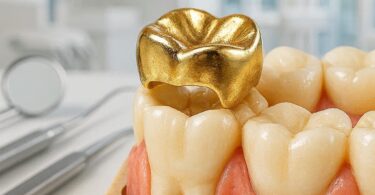
A white gold crown is a type of dental restoration that covers a damaged tooth completely. Think of it like a little helmet for your tooth. It protects the tooth from breaking and restores its natural shape and function.
But why “white gold” specifically?
Traditional gold crowns are yellow. They are beautiful in their own way, and they are incredibly strong. However, many people do not want a shiny yellow metal in the middle of their smile. That is where white gold comes in.
White gold is an alloy. That means it is a mixture of different metals. A typical white gold crown contains:
- Gold (usually around 40-60%)
- Palladium or platinum (to create that silvery-white color)
- Silver
- Copper (in small amounts)
- Other trace metals
The result is a crown that has the strength and durability of gold but looks like a natural tooth from a distance. It is the best of both worlds for many patients.
Why Do Dentists Still Use Metal Crowns?
You might be wondering: With all these new ceramic materials, why would anyone still choose metal?
That is a fair question.
Porcelain and zirconia crowns look amazing. They match your other teeth perfectly. But they have one weakness. They can wear down the teeth that chew against them. Metal crowns are much gentler on your natural teeth.
White gold crowns are also incredibly thin. Your dentist does not have to remove as much of your natural tooth structure to make room for the crown. That means you keep more of your real tooth.
For back teeth (molars and premolars), a white gold crown can last 20, 30, or even 50 years with good care. That is a serious investment in your long-term health.
The Main Dental Code for White Gold Crown: D2791
Let us get right to the heart of the matter.
The standard dental code for a white gold crown is D2791.
This code lives inside the Current Dental Terminology (CDT) code set. The American Dental Association updates these codes every year. Insurance companies across the United States use them to process claims.
Here is the official description of D2791 according to the CDT manual:
Crown – full cast high noble metal
That phrase “high noble metal” is the key. It means the crown contains at least 60% of noble metals. Noble metals include gold, platinum, palladium, and silver. For a crown to qualify for D2791, the noble metal content must be 60% or higher. And at least 40% of that must be gold.
So when you see D2791 on your treatment plan, you now know exactly what it means. You are getting a crown made mostly from precious metals, with a white or silvery appearance.
What About Other Metal Crown Codes?
This is where things can get confusing. Your dentist might use a different code depending on exactly what material they plan to use.
Let me show you the full family of crown codes so you can see how D2791 fits in.
| CDT Code | Material Description | Typical Appearance |
|---|---|---|
| D2791 | Full cast high noble metal (white or yellow gold) | Metallic (white or yellow) |
| D2792 | Full cast noble metal (less than 60% noble metals) | Metallic (often silver-colored) |
| D2794 | Full cast base metal | Metallic (often gray or silver) |
| D2740 | Porcelain/ceramic substrate | Tooth-colored |
| D2750 | Porcelain fused to high noble metal | Tooth-colored with metal inside |
| D2751 | Porcelain fused to base metal | Tooth-colored with metal inside |
| D2783 | Full cast gold (yellow) – high noble | Yellow metallic |
Do you see the difference?
If your dentist uses D2791, you are getting a crown with significant precious metal content. That is usually a good thing. High noble crowns fit better, cause fewer allergic reactions, and last longer than their cheaper counterparts.
D2791 vs. Other Crown Codes: A Detailed Comparison
Let us dig a little deeper. You might see multiple crown codes on a treatment plan, and that can be confusing. Why would your dentist list two different options?
Most offices will present you with a range of choices. They want you to understand the pros and cons of each material before you decide.
D2791 vs. D2740 (All-Porcelain Crown)
All-porcelain crowns are very popular right now. They look stunning. But they are not right for every situation.
| Feature | D2791 (White Gold) | D2740 (All-Porcelain) |
|---|---|---|
| Appearance | Metallic white/silver | Matches natural teeth perfectly |
| Durability | Extremely high (20+ years) | Moderate to high (5-15 years) |
| Tooth reduction | Minimal | Moderate to heavy |
| Wear on opposing teeth | Low (gentle) | High (can cause wear) |
| Best for | Back teeth (molars) | Front teeth (visible areas) |
| Cost range | Higher | Medium to high |
Here is a quote from a practicing prosthodontist we spoke with:
“I have placed D2791 crowns that are still going strong after 35 years. For a patient who grinds their teeth or wants a crown that will truly last, white gold is still the gold standard. No pun intended.”
D2791 vs. D2750 (Porcelain Fused to Metal or PFM)
Porcelain-fused-to-metal crowns used to be the most common crown in dentistry. They have a metal inside (often high noble) with porcelain baked over the outside. This gives them a tooth-colored appearance.
| Feature | D2791 (White Gold) | D2750 (PFM High Noble) |
|---|---|---|
| Appearance | All metal | Tooth-colored (may show metal at gum line over time) |
| Strength | Extremely high | High (but porcelain can chip) |
| Longevity | 20-50 years | 10-20 years (porcelain often fails first) |
| Chipping risk | None | Moderate |
| Gum health | Excellent (smooth surface) | Good (but porcelain can irritate gums if poorly fitted) |
Many dentists prefer D2791 for patients who grind their teeth at night. The porcelain on a PFM crown can crack or chip. A solid white gold crown simply will not chip. It might get small scratches over decades of use, but it will not break.
Why Your Dentist Might Recommend Code D2791
Not every crown is right for every tooth. Your dentist has a reason for recommending a specific material and code. Let us look at the most common situations where D2791 is the best choice.
1. You Grind or Clench Your Teeth
Do you wake up with a sore jaw? Does your partner tell you that you grind your teeth at night? If so, you need a crown that can handle serious force.
Bruxism (the technical term for grinding) destroys regular porcelain crowns. Patients who grind can crack a beautiful all-ceramic crown in just a few years. White gold flexes slightly with the force instead of cracking. It is much more forgiving.
2. The Crown Is on a Back Molar
Your back teeth do most of the heavy lifting when you chew. They experience hundreds of pounds of force every single day. A white gold crown handles that force without blinking.
Plus, nobody sees your back molars when you smile or talk. The metallic color does not matter. Function matters more than appearance for these teeth.
3. You Have Limited Tooth Structure Left
Sometimes a tooth is so broken down that there is not much left to hold a crown. Maybe you had a large filling that failed. Maybe the tooth cracked.
White gold crowns can be made very thin. Your dentist does not have to drill away as much healthy tooth structure. That means more of your natural tooth stays intact. That is always a win.
4. You Want the Longest-Lasting Restoration Possible
Some patients are tired of dental work. They have had fillings replaced. They have had crowns fail. They want something that will outlive them.
A properly made D2791 crown can last 40 years or more. That is not an exaggeration. Dental schools still teach the long-term success of full cast gold crowns. They are the most studied, most predictable crown in dentistry.
Important Note for Readers: A crown does not last forever on its own. You still need to brush, floss, and see your dentist regularly. The crown itself will not decay, but the tooth underneath it can. Gum disease does not care if you have a gold crown or a porcelain one. Keep up with your home care.
How Insurance Handles the Dental Code for White Gold Crown
This is where most patients get frustrated. Let us be honest: dental insurance is confusing. Very confusing.
Most dental insurance plans cover crowns under a basic or major services category. But here is the catch. They often reimburse based on the least expensive alternative treatment.
That means if your insurance company thinks a cheaper crown (like a base metal crown or a porcelain crown) would have worked, they will only pay what they would have paid for that cheaper option. You pay the difference.
What Percentage Do Most Plans Pay?
Let me give you a typical example. Please remember that every plan is different. This is a general guide, not a guarantee.
| Crown Type | Typical Insurance Coverage | Your Responsibility |
|---|---|---|
| D2791 (White Gold) | 50% of their allowed amount (sometimes less) | 50% plus the difference in material cost |
| D2740 (Porcelain) | 50-80% of their allowed amount | 20-50% |
| D2794 (Base Metal) | 50-80% | 20-50% |
Here is the reality. Many patients pay more out of pocket for a D2791 crown than they would for a porcelain crown. The insurance company sees all crowns as basically the same. They do not care that white gold lasts three times longer. They care about today’s cost.
How to Talk to Your Insurance Company
Do not just accept the first answer your insurance company gives you. Ask these specific questions:
- “What is my coverage for code D2791?” – Use the exact code. Do not ask about “a gold crown.” Ask about the code.
- “Is there a downgrade clause for high noble metals?” – Some plans will only pay the base metal rate. You need to know this upfront.
- “What is my remaining annual maximum?” – Crowns are expensive. You might hit your yearly limit.
- “Has my waiting period been satisfied?” – Some plans make you wait 6-12 months for major services like crowns.
Write down the answers. Get names. Ask for a reference number for the call. Insurance companies record their calls, and having that reference number can help you if there is a dispute later.
The Real Cost of a White Gold Crown (D2791)
Let us talk about money. This is what most patients really want to know.
The cost of a D2791 crown varies widely depending on where you live and which dentist you see. But I can give you realistic ranges based on national averages.
Without Insurance (Full Fee)
If you do not have dental insurance, you will pay the dentist’s full fee. That fee typically covers:
- The exam and diagnosis
- The tooth preparation appointment
- The impressions or digital scan
- The temporary crown
- The lab fee to make the white gold crown
- The crown delivery appointment
Here are the typical full fee ranges:
| Region | Typical Full Fee for D2791 |
|---|---|
| Rural or small town | $900 – $1,300 |
| Suburban area | $1,200 – $1,700 |
| Major metropolitan city | $1,500 – $2,500 |
| High-cost city (NYC, LA, SF) | $2,000 – $3,500+ |
With Insurance
If you have insurance, the math changes. Let me walk you through a realistic example.
Let us say your dentist charges $1,600 for a D2791 crown. Your insurance plan covers major services at 50% after a $50 deductible. The insurance company’s “allowed amount” is $1,200 (this is what they think the crown should cost).
Here is how it breaks down:
- Dentist’s fee: $1,600
- Insurance allowed amount: $1,200
- Insurance pays 50% of $1,200 = $600
- You pay the $50 deductible + $600 (your 50%) + the $400 difference between the dentist’s fee and the allowed amount
Total out of pocket: $1,050
This is why you always want to ask if your dentist is “in-network” or “out-of-network.” In-network dentists have agreed to accept the insurance company’s allowed amount. That means you do not pay the $400 difference.
Additional Costs to Consider
Your D2791 crown might require extra procedures. These have their own codes and costs.
| Additional Procedure | CDT Code | Typical Cost |
|---|---|---|
| Core buildup (if tooth is broken down) | D2950 | $200 – $400 |
| Post and core (if tooth has a root canal) | D2952 or D2954 | $300 – $600 |
| Root canal (if tooth needs one before crown) | D3330 (molar) | $1,000 – $1,500 |
| Gum surgery (if tooth is broken below gum line) | D4240 or D4241 | $800 – $1,500 |
These extra codes add up quickly. Always ask your dentist for a complete treatment plan with all codes before you agree to anything. A good office will give you a written estimate with every single code and cost.
What to Expect During the Crown Process (Step by Step)
Understanding the process helps you feel more comfortable. Let me walk you through exactly what happens when you get a D2791 white gold crown.
Appointment 1: Diagnosis and Preparation
This is the longest appointment. Plan for 60 to 90 minutes.
Step 1: Numbing
Your dentist will numb the tooth and the area around it. You will feel some pressure but no sharp pain. Speak up if you are still feeling anything. Dentists would rather give you more numbing than have you be uncomfortable.
Step 2: Tooth Shaping
Your dentist uses a high-speed handpiece (the drill) to remove a thin layer of enamel from the entire tooth. They are creating space for the white gold crown to fit over the tooth. Think of it like carving a small peg that the crown will sit on.
For a white gold crown, your dentist removes less tooth structure than they would for a porcelain crown. That is a big advantage.
Step 3: Impressions or Scanning
This step captures the exact shape of your prepared tooth and the teeth around it.
- Traditional method: A gooey material in a tray that you bite into for a few minutes. It tastes bad but it works.
- Modern method: A small wand that takes a digital 3D picture of your tooth. No goo. No gagging. Much faster.
Step 4: Temporary Crown
Your dentist makes a temporary crown out of plastic or acrylic. This protects your tooth while the lab makes your permanent white gold crown. The temporary will not look like your final crown. It is just a placeholder.
Step 5: Shade and Material Selection
If you are getting a white gold crown, there is no shade matching needed. The metal is the metal. Your dentist will confirm the alloy type with the dental lab.
The Lab Work (Between Appointments)
The dental lab is where the magic happens.
Your impressions or digital scan go to a specialized lab. A technician pours stone into the impression to create a model of your teeth. Then they carefully wax the shape of your crown. That wax pattern gets invested in a heat-resistant material. The wax is burned out in a very hot oven. Then molten white gold is spun or cast into the empty space.
After the metal cools, the technician polishes the crown until it shines. They check the fit on the stone model. Then they ship it back to your dentist.
This process usually takes 2 to 3 weeks. Some offices have in-house milling machines that can make a white gold crown in one day, but that is rare. Most crowns come from outside labs.
Appointment 2: Crown Delivery
This appointment is much shorter. Plan for 30 to 45 minutes.
Step 1: Temporary Removal
Your dentist pops off the temporary crown. This usually does not hurt at all.
Step 2: Cleaning
The tooth is cleaned to remove any leftover temporary cement.
Step 3: Try-In
Your dentist places the white gold crown on your tooth without cement. You will look at it in a mirror. They will check your bite. You might feel the metal with your tongue. This is your chance to ask questions or note any discomfort.
Step 4: Cementation
Once everyone is happy, your dentist cleans the crown again, dries the tooth, and mixes dental cement. The crown is pressed into place. You bite down on a special stick or cotton roll to hold it firmly while the cement hardens. This takes about 2-3 minutes.
Step 5: Final Cleanup
Your dentist scrapes away any excess cement. They check your bite one more time. If the crown feels too high (which happens sometimes), they will adjust it slightly.
That is it. You walk out with a white gold crown that should serve you for decades.
Advantages and Disadvantages of Code D2791 Crowns
Let us be balanced. No dental restoration is perfect for every situation. Here is an honest look at the pros and cons.
Advantages (The Good Stuff)
- Incredible durability. These crowns rarely break or crack.
- Minimal tooth reduction. More of your natural tooth stays intact.
- Gentle on opposing teeth. Will not wear down the tooth above or below it.
- Biocompatible. High noble metals rarely cause allergic reactions.
- Easy to repair. If the crown ever comes off (rare), it can be re-cemented easily.
- Long-term value. Higher upfront cost, but lower cost over time because it lasts so long.
Disadvantages (The Not-So-Good Stuff)
- Appearance. It is metal. It will never look like a natural tooth.
- Higher upfront cost. You will likely pay more than a porcelain crown.
- Insurance coverage issues. Many plans downgrade the benefit.
- Metal sensitivity. Rare, but some people are allergic to gold alloys.
- Conducts temperature. Metal crowns can feel cold or hot more than natural teeth.
- Not for front teeth. You would not want a visible metal crown in your smile line.
Important Note for Readers: Some patients worry about “metal in their mouth” causing health problems. High noble dental alloys have been studied for over 100 years. There is no credible evidence that a properly made white gold crown causes systemic health issues. The American Dental Association has approved these materials as safe.
Frequently Asked Questions About the Dental Code for White Gold Crown
Let me answer the questions that come up again and again from real patients.
Q1: Is D2791 the only code for a white gold crown?
Yes and no. D2791 is the standard code for a full cast high noble metal crown. If the crown is mostly white gold or a white gold alloy, this is the correct code. Some offices might use D2792 if the noble metal percentage is lower, but that would not be a true white gold crown. Always ask your dentist to confirm the exact metal percentages if you are unsure.
Q2: Will my insurance pay for D2791?
Most insurance plans cover D2791 as a crown. However, many plans only pay the same amount they would pay for a cheaper crown. This is called a “downgrade.” You will likely pay more out of pocket for a white gold crown than for a porcelain one. Call your insurance company before treatment to understand your specific coverage.
Q3: How long does a D2791 white gold crown last?
With good oral hygiene and regular dental visits, a white gold crown can last 20 to 50 years. Some last even longer. The crown itself does not decay. The tooth underneath can still get a cavity at the margin (where the crown meets the tooth). Flossing is critical.
Q4: Can I see the white gold crown code on my dental claim form?
Yes. Your dentist’s office will submit a claim form (the ADA Dental Claim Form) to your insurance company. This form has a field for the procedure code. You can ask your dentist for a copy of the submitted claim. The code D2791 should be listed next to the description of the crown.
Q5: What is the difference between D2791 and D2794?
D2791 is high noble metal (at least 60% noble metals, with at least 40% gold). D2794 is base metal (less than 25% noble metals). Base metal crowns are much cheaper. They are also harder on opposing teeth and more likely to cause allergic reactions in sensitive patients. Your dentist should discuss both options with you.
Q6: Can a white gold crown be used on an implant?
No. Dental implants use special components called abutments and implant crowns. A D2791 crown is designed for a natural tooth. Implant crowns have different codes, such as D6057 (custom abutment) and D6064 (implant-supported crown). Do not let anyone place a standard D2791 crown on an implant. It will not fit correctly.
Q7: Why does my treatment plan show D2791 but my dentist said “white gold”?
D2791 is the insurance code. “White gold crown” is the common name. They mean the same thing in almost all dental offices. The code tells the insurance company what you received. The name tells you what you are getting. If you want to be extra sure, ask your dentist to write “high noble white gold alloy” on your treatment plan.
Q8: Is there a cheaper alternative to D2791?
Yes. D2792 (noble metal, less than 60% noble) and D2794 (base metal) are cheaper codes. However, these crowns have less precious metal. They may not fit as precisely. They may cause more wear on your opposing teeth. And they are more likely to cause a metallic taste or allergic reaction in sensitive individuals. You get what you pay for.
Real Patient Scenarios: When D2791 Makes Sense
Sometimes examples help more than explanations. Let me share a few realistic patient situations.
Scenario 1: The Night Grinder
Michael, age 52. Grinds his teeth every night. Wears through night guards every two years. Needs a crown on his lower left first molar.
His dentist recommends D2791. A porcelain crown would crack within a few years. A PFM crown would chip the porcelain. The white gold crown will flex and absorb the grinding forces. Michael pays more upfront but avoids redoing the crown every five years. Over 20 years, the white gold crown saves him thousands of dollars.
Scenario 2: The Cost-Conscious Patient
Linda, age 45. Has good insurance but a limited budget. Needs a crown on an upper premolar that is partially visible when she smiles.
Her dentist offers two options: D2791 (white gold) or D2740 (all-porcelain). Linda cares about appearance for this tooth. She chooses the porcelain crown. It costs her less out of pocket. She understands she may need to replace it in 10-15 years. That is an acceptable trade-off for her.
Scenario 3: The Deep Bite
Robert, age 38. Has a very deep bite. His lower front teeth hit the back of his upper front teeth hard. He needs a crown on an upper central incisor (front tooth).
White gold is not appropriate here. The crown would be visible every time he speaks. His dentist recommends D2740 (all-porcelain) or D2960 (porcelain veneer if the damage is minor). The dental code for a white gold crown is simply not the right choice for this location.
Scenario 4: The Metal-Free Patient
Sarah, age 29. Has a known allergy to nickel and cobalt. She needs a crown on a lower second molar.
Her dentist recommends D2791. High noble metals are hypoallergenic. The palladium and gold in the alloy will not trigger her metal allergy. A base metal crown (D2794) would be dangerous for her. She pays more, but she stays safe.
How to Verify the Code on Your Treatment Plan
You have the right to understand every line on your dental treatment plan. Do not be shy about asking questions.
Here is exactly what you should ask your dentist’s front desk team:
- “What CDT code are you using for my crown?”
- “Is that code D2791 for a high noble white gold crown?”
- “Can you show me the metal alloy composition on my lab slip?”
- “Will you submit a pre-determination to my insurance before we start?”
A pre-determination is a request your dentist sends to your insurance company before treatment. The insurance company sends back a letter saying exactly what they will pay and what you will owe. This is not a guarantee of payment, but it is close. Always ask for this for expensive procedures like crowns.
Red Flags to Watch For
Be careful if you see any of these situations:
- The treatment plan only says “crown” without a specific code. Ask for the code in writing.
- The office refuses to give you a pre-determination. This is a reasonable request. A good office will do it.
- They want to use D2794 but call it “white gold.” Base metal is not white gold. This is misleading.
- The price seems too good to be true. A true high noble white gold crown has significant metal value. Very low prices usually mean base metal.
Additional Resources for Dental Code Research
You do not have to take anyone’s word for it. You can research dental codes yourself.
Official CDT Code Book
The American Dental Association publishes the Current Dental Terminology (CDT) book every year. You can buy it online or check it out from some dental school libraries. This is the definitive source for all dental codes.
Your State Dental Board Website
State dental boards often publish patient guides to understanding treatment plans and codes. Search for “[your state] dental board patient resources.”
The National Association of Dental Plans (NADP)
NADP offers consumer guides to dental insurance, including how codes affect your benefits. Their website has clear, patient-friendly explanations.
Suggested Link:
For a complete list of all crown and restorative dental codes, visit the American Dental Association’s patient education page at www.ada.org/en/publications/cdt (external link, opens in new tab).
A Final Word on Honesty and Realistic Expectations
Let me leave you with some straight talk.
A white gold crown coded as D2791 is one of the best dental restorations money can buy. It is not the flashiest option. It will not win any beauty contests. But it will chew your food quietly and reliably for longer than most people own their homes.
However, it is not magic. The crown does not make your tooth invincible. You still need to brush twice a day. You still need to floss. You still need to see your dentist every six months. The margin where the crown meets your tooth is a vulnerable spot. Decay can start there if you neglect your home care.
And please, do not choose a crown based only on the code or the price. Choose based on what is right for your tooth, your bite, your budget, and your long-term goals. A good dentist will walk you through the trade-offs without pressure.
If your dentist recommends D2791, they are probably trying to give you the most durable, longest-lasting option. That is a sign of a dentist who thinks long-term. That is the kind of dentist you want to keep.
Conclusion (Three Lines)
The dental code for a white gold crown is D2791, which represents a full cast high noble metal crown. This code tells your insurance company you are receiving a durable, long-lasting restoration made with at least 60% precious metals. Understanding this code helps you verify your treatment plan, maximize your insurance benefits, and make an informed choice about your dental health.
FAQ Summary (Quick Reference)
| Question | Short Answer |
|---|---|
| What is the code for white gold crown? | D2791 |
| Is D2791 covered by insurance? | Yes, but often downgraded to a lower benefit level. |
| How long does a D2791 crown last? | 20-50 years with good care. |
| Can I get D2791 on a front tooth? | Technically yes, but not recommended due to appearance. |
| What is the difference between D2791 and D2794? | D2791 is high noble metal; D2794 is base metal. |
| Does D2791 contain real gold? | Yes, at least 40% gold by weight. |
Disclaimer: This article is for informational purposes only and does not constitute medical, legal, or financial advice. Dental coding can vary by region and insurance provider. Always consult with your dentist and insurance carrier for accurate billing.
Author: Technical Dental Team
Date: APRIL 18, 2026