Have you ever looked in the mirror and wished one of your teeth was just a little less pointy? Or maybe you have a tiny chip that catches your tongue every time you eat. You are not alone.
Tooth reshaping—also called dental contouring or odontoplasty—is a quick, painless way to fix these small imperfections. But when you get the bill or call your insurance company, you might run into a confusing question: What is the correct dental code for tooth reshaping?
The short answer is that most insurance plans do not have a specific, stand-alone code for cosmetic tooth reshaping. Instead, dentists use a combination of existing codes, most often D2999 (Unspecified restorative procedure, by report).
But wait. That sounds vague, right? Don’t worry. In this guide, we will walk through exactly what that code means, when your dentist might use other codes, how much you should expect to pay, and whether your insurance will help at all.
We will keep everything clear, honest, and practical. No confusing dental jargon. No fake promises. Just real information you can use.

What Exactly Is Tooth Reshaping?
Before we talk about codes and bills, let us make sure we understand the procedure itself.
Tooth reshaping is a cosmetic dental procedure where your dentist removes very small amounts of tooth enamel to change a tooth’s shape, length, or surface. Think of it like gentle sanding on a piece of wood. The goal is to create a smoother, more even smile.
Common reasons people get tooth reshaping
- Smoothing a rough or chipped edge – A small chip from biting a pen or grinding your teeth.
- Shortening a tooth that is too long – Often one front tooth that grew slightly longer than its neighbor.
- Reshaping a pointed or “fang-like” canine – Some people have naturally sharp canines that look out of place.
- Smoothing overlapping edges – Very mild crowding can sometimes be improved with subtle reshaping.
- Removing tiny pits or ridges – Natural surface irregularities that trap food or look uneven.
What tooth reshaping cannot fix
It is important to be realistic. Tooth reshaping is not for:
- Large cavities or decay
- Broken teeth with significant structural loss
- Severe crowding or misalignment (braces or aligners are better here)
- Teeth that need to be made significantly larger or longer
For those issues, you would need fillings, crowns, veneers, or orthodontic treatment.
The procedure itself – quick and gentle
Here is what a typical reshaping appointment looks like:
- Examination – Your dentist checks your bite and the thickness of your enamel. You need enough healthy enamel left after reshaping.
- Marking – Some dentists use a pencil to mark the area they plan to adjust.
- Sanding and smoothing – Using a slow-speed dental drill or a fine sanding disc, your dentist gently buffs the tooth surface.
- Polishing – The tooth is polished to a smooth, natural shine.
- Bite check – You bite down on colored paper so the dentist can see if any high spots remain.
The whole process usually takes 15 to 30 minutes per tooth. No numbing is needed unless the reshaping goes very close to the inner layer of the tooth (dentin), which is rare for simple cosmetic cases.
Important note: Tooth reshaping is considered irreversible. Once enamel is removed, it does not grow back. However, when done correctly, removing less than half a millimeter of enamel is completely safe and will not cause sensitivity or long-term damage.
The Main Dental Code for Tooth Reshaping: D2999
Now let us answer the big question. What code does your dentist actually type into their billing software?
Most of the time, for purely cosmetic tooth reshaping, the code is D2999.
What does D2999 mean?
D2999 stands for: Unspecified restorative procedure, by report.
In plain English, this is a “catch-all” code. It is used when no other specific code perfectly describes what the dentist did. Because tooth reshaping is often cosmetic, the standard dental code set (CDT – Current Dental Terminology) does not have a dedicated “tooth reshaping for aesthetics” code. So D2999 fills the gap.
What does “by report” mean?
This is critical to understand. When a dentist uses D2999, they must send a written explanation along with the claim. That report typically includes:
- Which teeth were treated (tooth numbers)
- Why the reshaping was needed (e.g., “removed a sharp enamel spur causing tongue irritation”)
- How much enamel was removed
- Before and after photos (in some cases)
- A note about the patient’s oral health status
Without this report, insurance companies will almost always deny the claim. With a good report, you have a fighting chance at getting partial coverage—if the reshaping was done for medical reasons, not just looks.
When do dentists use other codes instead?
Sometimes, a dentist will not use D2999. Instead, they may use a different code if the reshaping is part of another procedure.
| Situation | Dental Code Used | Why |
|---|---|---|
| Reshaping done during a filling or crown preparation | D2330-D2399 (fillings) or D2740 (crown) | Reshaping is part of the larger restorative work. No separate charge. |
| Reshaping to adjust bite (occlusal adjustment) | D9950 (occlusal adjustment – limited) | The goal is fixing how teeth come together, not cosmetics. |
| Reshaping a tooth that is grinding against another tooth | D9950 (occlusal adjustment) | Same as above. This is functional, not cosmetic. |
| Pure cosmetic smoothing of a tiny chip | D2999 | No functional reason – cosmetic only. |
| Reshaping to remove a sharp edge that cuts your tongue or cheek | D2999 (with strong report) | This is a medical (functional) reason, not cosmetic. Insurance may pay. |
Pro tip: If your tooth reshaping is needed because a sharp edge is injuring your tongue or cheek, tell your dentist clearly. That turns a “cosmetic” procedure into a “medically necessary” one. Your insurance is much more likely to help.
Does Dental Insurance Cover Tooth Reshaping?
This is where we need to be completely honest. Most dental insurance plans do not cover purely cosmetic tooth reshaping.
Why? Insurance companies draw a hard line between:
- Medically necessary procedures (prevent pain, restore function, treat disease)
- Cosmetic procedures (improve appearance only)
Tooth reshaping for a tiny chip that does not hurt or cause any functional problem falls into the cosmetic category. So you will likely pay out of pocket.
But there are exceptions
Insurance may pay for reshaping if your dentist can prove it is medically necessary. Examples include:
- A chipped tooth with a sharp edge that repeatedly cuts your lip or tongue
- A long tooth that hits first when you bite, causing jaw pain or tooth loosening
- A rough spot that traps plaque and leads to repeated cavities
- Reshaping as part of treating a fractured tooth (not just cosmetic)
In these cases, your dentist submits D2999 with a detailed report explaining the medical need. Some plans pay 50% to 80% after your deductible.
How to check your coverage
Do not rely on a phone call where you simply ask, “Is tooth reshaping covered?” The customer service agent will likely say no. Instead, ask these specific questions:
- “Does my plan cover D2999 – unspecified restorative procedure – when it is done for a functional reason like a sharp edge cutting my tongue?”
- “What documentation does my dentist need to submit for medical necessity review?”
- “If denied, do I have a right to appeal with additional information?”
Write down the answers, including the representative’s name and the date.
Typical out-of-pocket costs without insurance
If you pay cash (no insurance), here is what you can expect in the United States (2026 average prices):
| Procedure | Average Cost Per Tooth |
|---|---|
| Simple smoothing of a tiny chip | $50 – $150 |
| Moderate reshaping (changing shape noticeably) | $150 – $300 |
| Complex reshaping with bite adjustment | $300 – $600 |
| Multiple teeth (e.g., four front teeth) | $400 – $800 total |
Compare this to other cosmetic options:
| Alternative | Cost Per Tooth | Invasiveness |
|---|---|---|
| Tooth reshaping (contouring) | $50 – $300 | Minimal (enamel only) |
| Composite bonding | $300 – $600 | Moderate (adds material) |
| Porcelain veneer | $900 – $2,500 | High (enamel removed) |
| Crown | $1,000 – $3,000 | High (extensive tooth reduction) |
Reshaping is by far the cheapest and least invasive option for small imperfections.
Step-by-Step: What Happens When Your Dentist Bills D2999?
Let us walk through a real-life example so you can see the process from start to finish.
Meet Sarah. She has a small, sharp ridge on her lower front tooth. Every time she eats toast or a cracker, the sharp edge scrapes her tongue. It is not a huge pain, but it is annoying and has caused a small sore twice in the past month.
Step 1 – The exam. Sarah’s dentist sees the ridge and agrees it is sharp enough to cause soft tissue injury.
Step 2 – Treatment plan. The dentist says, “I can smooth that down in about ten minutes. No numbing needed. This is not just cosmetic because it is hurting your tongue.”
Step 3 – Procedure. The dentist uses a fine diamond bur to gently remove the sharp ridge, then polishes the tooth smooth.
Step 4 – Billing. The dentist documents:
- Tooth #25 (lower left incisor)
- Reason: “Removal of sharp enamel ridge causing recurrent traumatic ulceration of ventral tongue.”
- Before photo showing the ridge and the tongue sore
- After photo showing smooth surface
The dental office submits a claim using D2999 with the attached report.
Step 5 – Insurance response. Because the report clearly shows medical necessity (injury to the tongue), the insurance company covers 70% of the $150 fee. Sarah pays $45 out of pocket.
Compare that to a purely cosmetic case. Mark has a tiny nick on his front tooth from when he was a kid. It does not hurt. It does not catch food. It does not cut anything. He just does not like how it looks.
His dentist also uses D2999, but the report says: “Cosmetic smoothing of minor enamel chip on tooth #8. No functional impairment.” Insurance denies the claim. Mark pays the full $120.
The lesson: The exact same code (D2999) can be covered or denied based entirely on why the reshaping was done.
Limitations and Risks of Tooth Reshaping
I promised you an honest guide, so let us talk about what can go wrong. Tooth reshaping is very safe when done correctly, but it is not right for everyone.
Enamel thickness matters
Your dentist should take an x-ray or at least visually assess your enamel before reshaping. If you already have thin enamel from genetics, acid reflux, bulimia, or aggressive brushing, removing even a tiny amount can lead to:
- Permanent tooth sensitivity to cold or hot foods
- Increased risk of cavities (enamel protects the softer dentin underneath)
- Yellowish appearance (dentin shows through)
A responsible dentist will say “no” if your enamel is too thin.
You cannot undo it
Once enamel is gone, it is gone forever. That is why you should never go to a discount clinic or a dentist who rushes through the procedure. A good dentist will remove the absolute minimum necessary and stop frequently to check the shape and bite.
Results are limited
Reshaping cannot fix:
- Dark stains (bonding or whitening is better)
- Gaps between teeth (bonding or veneers close spaces)
- Rotated or crooked teeth (braces or aligners)
- Short teeth (reshaping only makes teeth shorter or narrower)
If you want a dramatic smile makeover, reshaping is only a small part of the answer.
Who should avoid tooth reshaping?
- People with bruxism (nighttime teeth grinding) – you will grind the reshaped area unevenly
- Those with very thin enamel
- Anyone with active tooth decay or gum disease (treat those first)
- People expecting perfect, dramatic results (reshaping is subtle)
Alternatives to Reshaping (And Their Dental Codes)
If your dentist says reshaping is not right for you, or if you want to explore other options, here are the common alternatives with their standard dental codes.
| Procedure | CDT Code | What It Does | Best For |
|---|---|---|---|
| Composite bonding | D2330 (one surface, front tooth) | Adds tooth-colored resin to build up shape | Chips, gaps, short teeth |
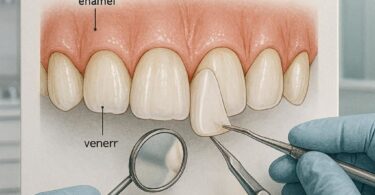
| Porcelain veneer | D2960 (labial veneer, direct) or D2962 (indirect) | Thin ceramic shell bonded to front of tooth | Discolored, misshapen, or slightly crooked teeth |
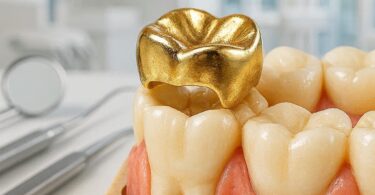
| Crown | D2740 (porcelain/ceramic crown) | Cap that covers entire tooth | Extensive damage or large fillings |
| Occlusal adjustment | D9950 (per visit) | Grinding down high spots to fix bite | Pain when biting, loose teeth from grinding |
| Enamel microabrasion | D9970 | Removes superficial stains and very thin surface layer | White spots or mild fluorosis stains |
If you are comparing costs, remember that D2999 (reshaping) is almost always the cheapest option, but it also provides the smallest change.
Quotation from a practicing dentist:
“I explain it to my patients like this: Reshaping is like using a nail file to smooth a rough edge. Bonding is like adding a little putty. Veneers are like putting on a fake fingernail. Each has its place. But I never reshape a tooth unless I am sure the patient has enough enamel to spare.”
— Dr. Elena Vasquez, DDS, general dentist for 18 years
How to Talk to Your Dentist About the Dental Code for Tooth Reshaping
Many patients feel awkward asking about billing codes. Do not be. Dentists deal with insurance questions every single day. Here is a simple script you can use.
You: “I am interested in having that small chip on my front tooth smoothed out. Before we do anything, can you tell me what dental code you would use and whether my insurance might cover any of it?”
Dentist or office manager: (They will likely say D2999, and they may say insurance probably won’t pay.)
You: “I understand. But if the tooth had a sharp edge that was cutting my cheek, would that change anything?”
Dentist: (Yes, that would be a functional reason.)
Be honest. Do not invent symptoms to try to get coverage. But if you genuinely have irritation or pain from a rough tooth, say so clearly. Many patients downplay their symptoms, not realizing that insurance requires them to be documented.
Questions to ask before agreeing to reshaping
- “How much enamel will you remove in millimeters?”
- “Do my teeth have enough enamel thickness for this to be safe?”
- “Will you take before and after photos for my records?”
- “If I have sensitivity after reshaping, what is your policy on follow-up care?”
- “Can you show me examples of similar reshaping you have done on other patients?”
A good dentist will answer every question without getting defensive.
Frequently Asked Questions (FAQ)
1. Is there a specific dental code just for tooth reshaping?
No. The CDT code set does not have a single, dedicated code for cosmetic contouring. The most commonly used code is D2999 (unspecified restorative procedure, by report).
2. Will my insurance cover D2999 for tooth reshaping?
Only if the reshaping is medically necessary (e.g., removing a sharp edge that cuts your tongue or cheek). Purely cosmetic reshaping is almost never covered.
3. How much does tooth reshaping cost without insurance?
Typically between $50 and $300 per tooth, depending on how much reshaping is needed and where you live.
4. Does tooth reshaping hurt?
No. Most patients feel nothing at all because only enamel (which has no nerves) is removed. If the reshaping goes near the dentin, you might feel mild vibration or cold sensation, but numbing is rarely needed.
5. Can tooth reshaping be done on molars (back teeth)?
Yes, but less commonly. Molars take heavy chewing forces, so removing enamel from the chewing surface can increase the risk of cracks or wear. Most reshaping is done on front teeth (incisors and canines).
6. How long does tooth reshaping last?
Reshaping is permanent because enamel does not grow back. However, the reshaped area can slowly wear down over 10–20 years from normal brushing and eating. Most patients never need it redone.
7. Can my dentist use a different code to get insurance to pay?
No ethical dentist will falsify a code. Using the wrong code on purpose is insurance fraud. A good dentist will use D2999 with a strong medical necessity report if appropriate.
8. What if my dentist says they never use D2999?
Some dentists use D9950 (occlusal adjustment) for minor reshaping, but that code is technically for fixing bite problems, not for changing tooth shape. If your reshaping is purely cosmetic, D2999 is the most honest and appropriate code.
9. Is tooth reshaping the same as tooth shaving?
Yes. Some people call it “tooth shaving” or “enameloplasty.” They all refer to the same thing: removing small amounts of enamel to change a tooth’s shape.
10. Can I get multiple teeth reshaped in one visit?
Yes. Many patients have 2–4 front teeth reshaped in a single 30- to 45-minute appointment. The dentist will likely bill D2999 for each tooth or as a single “multiple teeth” line item.
Additional Resource
For the most up-to-date official CDT dental code descriptions (including D2999 and all other codes), visit the American Dental Association (ADA) CDT Code website:
🔗 Link: Search “ADA CDT Code on Dental Procedure Codes” (direct link changes yearly, so search the exact phrase).
This is the only official source for dental codes in the United States. Avoid private websites that claim to have “secret codes” or “loopholes.” They are usually outdated or incorrect.
Conclusion
Let us wrap this up in three clear lines:
Tooth reshaping is a safe, low-cost way to fix small cosmetic imperfections, and the correct dental code is D2999 (unspecified restorative procedure, by report). Insurance only covers it when the reshaping is medically necessary—like smoothing a sharp edge that injures your mouth—otherwise, expect to pay $50–$300 per tooth out of pocket. Always ask your dentist about enamel thickness and get a clear treatment plan before agreeing to the procedure.
Disclaimer: This article is for informational purposes only and does not constitute medical or dental advice. Dental codes, insurance policies, and costs vary by location, provider, and plan. Always consult with a licensed dentist in your area before undergoing any procedure. The author and publisher are not responsible for any actions taken based on this content.