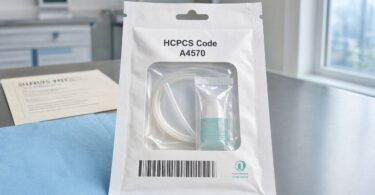
Navigating the maze of medical billing and coding presents a daily challenge for respiratory therapists, medical billers, and practice managers. Few tasks cause as much confusion as correctly coding a commonly administered medication like albuterol nebulizer solution. You might hold a vial in your hand, knowing exactly what it is clinically, but translating that physical product into the correct alphanumeric sequence on a claim form requires a specific set of knowledge. This comprehensive guide serves as your definitive resource. We will explore the exact codes, the nuanced rules governing their use, the distinction between physician office billing and facility billing, and the common pitfalls that lead to claim rejections. The goal here is not just to give you a number; the goal is to provide a deep, contextual understanding that ensures your claims process remains smooth, compliant, and profitable.
Understanding HCPCS Level II: The Drug Coding Landscape
Before pinpointing a single code, you need a solid framework for how drug codes work. The Healthcare Common Procedure Coding System (HCPCS) exists on two levels. Level I consists of the Current Procedural Terminology (CPT) codes, which describe procedures and physician services. Level II, the focus of our discussion, identifies products, supplies, and services not covered by CPT, primarily drugs administered in an outpatient setting. Medicare and most commercial payers require HCPCS Level II codes for billing injectable and inhalation drugs. These codes almost always begin with a letter, typically “J,” followed by four digits.
Drug coding under HCPCS Level II operates on a unit-based system. The code descriptor specifies a standard billing unit, such as 1 mg, 10 mg, or 50 mg. You must calculate the total dosage administered and divide it by the specified unit to determine the number of units to bill. Failure to perform this calculation correctly leads to underpayment or, more alarmingly, overpayment, which can trigger audits. The stakes are high. A solid grasp of this system transforms a confusing string of characters into a logical payment mechanism.
The Primary HCPCS Code for Albuterol Nebulizer Solution
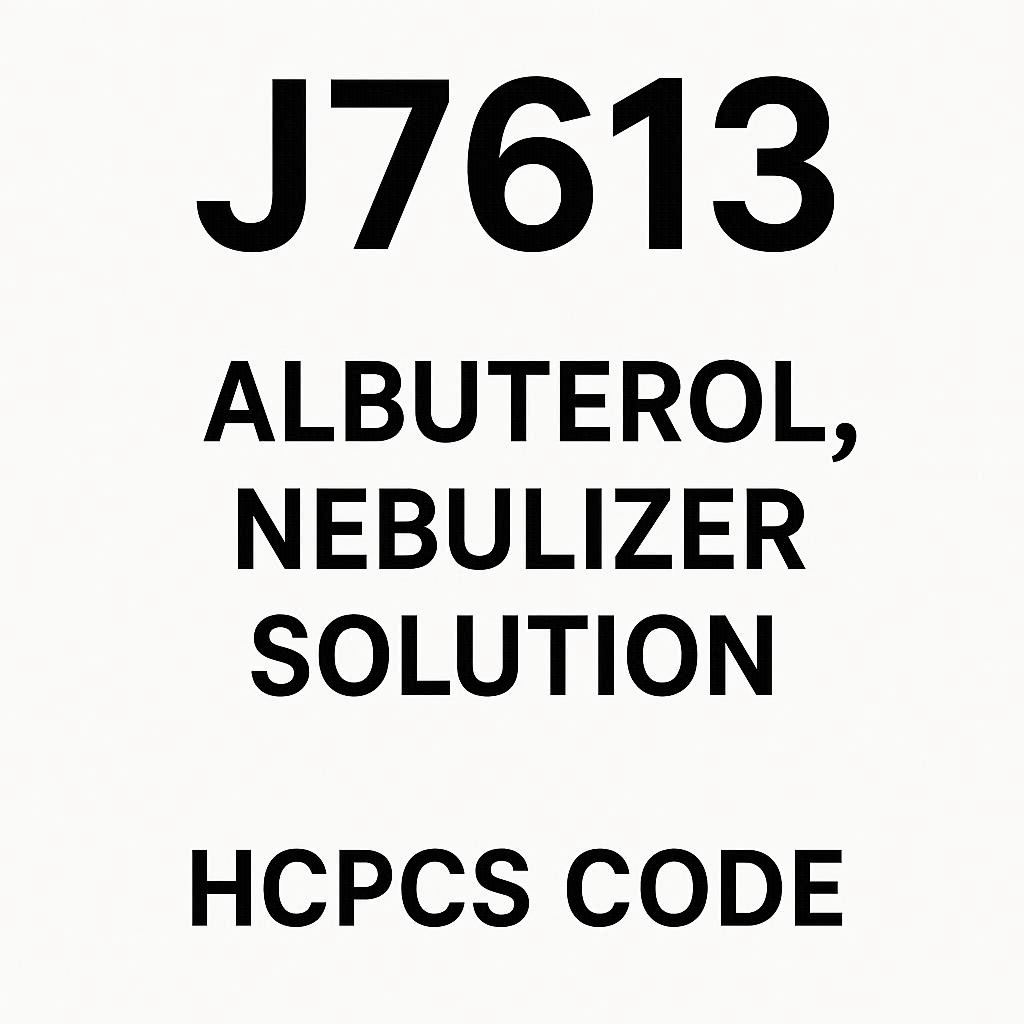
The healthcare industry primarily uses one HCPCS code for non-compounded albuterol when administered via nebulization in an outpatient or physician office setting.
The code is J7613.
Specifically, J7613 describes Albuterol, inhalation solution, FDA-approved final product, non-compounded, administered through DME, unit dose form, 1 mg. Let’s break down every component of this descriptor, as each word carries significant billing weight.
Decoding the Descriptor of J7613
Understanding the logic behind the descriptor prevents most coding errors.
- Albuterol, inhalation solution: This confirms the drug and its form. The code applies specifically to the liquid solution intended for nebulization, not powdered forms for dry powder inhalers or aerosol canisters for metered-dose inhalers.
- FDA-approved final product: This phrase is the cornerstone of the code. It means you must use a manufactured, pre-mixed, sterile-packaged solution from a pharmaceutical company. You are not billing for a product your staff compounded by mixing raw albuterol powder with saline. We will address compounded products in a dedicated section later.
- Non-compounded: This reiterates the point above. The medication comes straight from a box or sealed package. No manipulation occurs in your office other than opening the container.
- Administered through DME: DME stands for Durable Medical Equipment. In this context, the DME refers to the nebulizer machine itself. The patient inhales the medication via a compressor and nebulizer cup.
- Unit dose form, 1 mg: The code’s billing unit is 1 milligram. When you look at a standard, sterile, plastic nebule of albuterol sulfate, it often contains 2.5 mg of albuterol base in 3 mL of saline. You must convert this clinical dosage into the 1 mg billing units specified by the code.
Billing Units Calculation: A Practical Example
The most common clinical scenario involves administering a 2.5 mg dose. The code J7613 defines one unit as 1 mg. The math is straightforward.
2.5 mg administered / 1 mg billing unit = 2.5 units.
Medicare and most payers do not accept fractional units. You must round to the nearest whole unit. In practice, you will bill 3 units of J7613 for a single 2.5 mg treatment. Some payers may require you to bill 2 units based on specific local coverage determinations, but the standard CMS 1500 claim form instructions lead to rounding up to 3. Always verify your local Medicare Administrative Contractor (MAC) policy. Billing 1 unit for a vial that contains 2.5 mg of drug is a frequent underbilling mistake that silently erodes revenue.
Comparative Table: Key HCPCS Codes for Inhalation Solutions
To avoid confusion with other respiratory medications, a side-by-side comparison proves invaluable. Mistaking albuterol for another bronchodilator is a common clerical error.
| HCPCS Code | Drug Name | Form | Billing Unit | Typical Administered Dose | Units to Bill (Approximate) |
|---|---|---|---|---|---|
| J7613 | Albuterol | Inhalation Solution | 1 mg | 2.5 mg | 3 |
| J7620 | Albuterol/Ipratropium (Combivent) | Inhalation Solution | Per unit dose | 3 mL vial | 1 |
| J7644 | Ipratropium Bromide (Atrovent) | Inhalation Solution | Per unit dose | 0.5 mg vial | 1 |
| J7626 | Budesonide (Pulmicort) | Inhalation Solution | 0.5 mg | 0.5 mg | 1 |
| J7605 | Arformoterol (Brovana) | Inhalation Solution | 15 mcg | 15 mcg | 1 |
This table highlights a critical distinction. Many inhalation drugs use a “per unit dose” billing unit. You simply bill one unit for one pre-packaged vial. Albuterol, under J7613, uses a per mg unit. This difference makes J7613 uniquely susceptible to billing quantity errors.
The Crucial Distinction: Non-Compounded vs. Compounded Albuterol
The descriptor for J7613 contains the absolute prohibition “non-compounded.” What happens when your practice, in a cost-saving measure, purchases large bottles of albuterol sulfate solution and manually draws up individual doses? This action creates a compounded product. You can no longer bill J7613.
Why Compounding Changes the Code
Compounding a drug, even a simple dilution, changes its regulatory and coding status. An FDA-approved final product has a National Drug Code (NDC) and a proven stability profile. A pharmacy-compounded or physician-compounded product does not have the same FDA approval for that specific preparation. Payers consider this a different supply.
The correct code for a compounded inhalation solution is not J7613. You must use a code designed for drugs not otherwise classified.
- J7699: NOC drugs, inhalation solution administered through DME. NOC stands for Not Otherwise Classified.
Billing J7699 changes everything. The claim requires significantly more documentation. You must include the specific ingredients, the exact dosage, and often the invoice cost of the raw materials on the claim form in Box 19 or an electronic equivalent. Payers will reimburse at a heavily discounted rate based on the acquisition cost, not the standard Average Sales Price (ASP) used for J7613. The reimbursement is usually far lower, making large-bottle compounding an unattractive financial proposition for many practices.
Important Note: Using J7613 for a compounded dose invites an audit and an accusation of fraudulent billing. Auditors specifically look for practices that purchase large concentrate bottles but bill for unit-dose non-compounded codes. The inventory and purchase records will not match the billing pattern.
Place of Service: Physician Office vs. Hospital Outpatient
The context of service delivery dramatically impacts how you use J7613.
Physician Office Billing (Place of Service 11)
In the physician’s office, the practice typically purchases the medication directly from a wholesaler. The practice then bills the payer for both the drug and the administration service. You submit J7613 on the claim for the drug supply. You also bill a CPT code for the nebulizer treatment administration, typically 94640 (pressurized or nonpressurized inhalation treatment for acute airway obstruction or for sputum induction). This “buy and bill” model allows the practice to generate drug revenue in addition to the service revenue.
Hospital Outpatient Department (Place of Service 22)
In the hospital outpatient setting, the billing dynamic often splits. The hospital pharmacy supplies the drug. The hospital bills the payer for the drug using the correct HCPCS, which is still J7613 for the non-compounded unit dose product. The administration service is billed separately. However, if the hospital has a specific outpatient drug pass-through status or if the patient is in a specific observation status, the billing rules integrate under the Outpatient Prospective Payment System (OPPS). In some cases, drugs are packaged into the primary service payment, but separately payable drugs like albuterol must be itemized on the claim with the appropriate code. The takeaway is clear: the code J7613 does not change, but the reimbursement mechanics and claim structure adjust according to the facility type.
Medicare Administrative Contractor (MAC) Specific Guidelines
A national HCPCS code provides uniformity, but local Medicare contractors release Local Coverage Determinations (LCDs) that refine billing rules. You must consult your specific MAC’s website. For example, a MAC like Noridian or Palmetto GBA might publish an LCD for “Nebulizer Drugs” detailing specific utilization limits.
A common LCD parameter states that a patient should not exceed a specific number of treatments per day or month without documented medical necessity. These policies often target J7613. Contractors establish dosage limits based on FDA-labeled indications. A typical policy allows up to 4 treatments per day (every 6 hours) for a maximum of 30 days. Billing 10 units (representing multiple treatments) on a single date of service without detailed medical records showing an acute exacerbation flags a claim for manual review. These reviews slow down payment and require additional staff time to resolve. Proactive compliance requires reading the LCD before billing an unusual volume of J7613.
Common Documentation Elements to Support J7613
A clean claim for J7613 relies on matching documentation. The medical record must clearly justify every milligram billed. Auditors, particularly Recovery Audit Contractors (RACs) and Unified Program Integrity Contractors (UPICs), scrutinize drug billing.
The Provider’s Order
The physician’s order must be legible, signed, and dated. It must specify the drug name (albuterol), the dosage (e.g., 2.5 mg), the route (inhalation via nebulizer), and the frequency. A generic order for “breathing treatment” is insufficient. The order must be explicit.
The Administration Record
The nursing or respiratory therapy note must document the exact dose given. It must include the time of administration and the patient’s response. The administration record creates the bridge between the physical drug dispensed and the units billed on the claim. If the note simply says “albuterol given,” without specifying the 2.5 mg dose, a payer could argue the documentation does not support billing 3 units of a 1 mg code.
Drug Wastage Guidelines
Medicare permits providers to bill for a single-dose vial that must be discarded after use. If a 2.5 mg vial is the only available packaging, and you only need a 1.25 mg dose for a pediatric patient, you can still bill for the full 2.5 mg (3 units) under the CMS discarded drug policy. However, you must meticulously document the exact amount administered and the amount discarded in the patient’s chart. The modifier JW (Drug amount discarded/not administered to any patient) applies to the discarded portion on a separate claim line. Failure to properly document and use the JW modifier when applicable results in claim denials.
Albuterol Nebulizer Solution: A Deeper Look at Clinical Context and Coding
While the code J7613 serves as the billing foundation, the clinical narrative surrounding albuterol nebulizer solution provides the necessary context for medical necessity. Payers do not pay for codes in a vacuum. They pay for a clinically justified service supported by a diagnosis code that conveys the medical reason. A claim for J7613 linked to a diagnosis for hypertension will deny immediately. The link must be logical and specific.
The primary diagnoses tied to J7613 include conditions characterized by reversible bronchospasm.
- J45.909 (Unspecified asthma, uncomplicated)
- J44.9 (Chronic obstructive pulmonary disease, unspecified)
- J98.01 (Acute bronchospasm)
- R06.02 (Shortness of breath)
Coders must select the most specific ICD-10-CM code available from the medical record. A vague code like R06.02 might trigger an edit requiring documentation review, whereas a specific code like J45.41 (Moderate persistent asthma with acute exacerbation) tells a complete story. The diagnosis code completes the clinical picture, validating the use of the drug.
Off-Label Use and Hyperkalemia
Physicians occasionally prescribe nebulized albuterol for off-label indications, most notably acute hyperkalemia. Albuterol drives potassium intracellularly, providing a temporary bridge until more definitive calcium or insulin/glucose therapy takes effect. The diagnosis code for hyperkalemia (E87.5) paired with J7613 can appear incongruent to an automated claims scrubber. Billing this combination successfully requires the medical record to contain explicit documentation of the clinical decision-making and the patient’s lab values. The coder should append the diagnosis code pointing to the underlying condition, ensuring the hyperkalemia code is appropriately sequenced. These claims almost always require manual submission with operative notes or emergency department documentation attached.
J-Code Billing and the Average Sales Price (ASP) File
Reimbursement for J7613 does not spring from a random number generator. The Centers for Medicare & Medicaid Services (CMS) publishes a quarterly ASP Drug Pricing File. Manufacturers report their sales data, including rebates and discounts, to CMS. CMS calculates a volume-weighted average price and adds a standard percentage for administration and overhead. This becomes the payment limit for the quarter.
- Payment Calculation: ASP + 6% (This add-on covers drug storage, handling, and overhead).
The rate changes every quarter. Billing staff must update their chargemaster or billing software to reflect the new payment allowance. Billing J7613 at last quarter’s rate introduces a discrepancy. While Medicare’s claim processing systems automatically correct the payment to the accurate fee schedule, a posted charge significantly higher or lower than the ASP can skew practice analytics and patient out-of-pocket estimates. Staying synced with the quarterly ASP file is a non-negotiable operational discipline.
The Role of the NDC (National Drug Code)
While HCPCS codes dominate outpatient physician billing, the National Drug Code (NDC) plays a critical supporting role. The NDC identifies the specific manufacturer, product, and package size. For a pharmacist-led billing program or some state Medicaid programs, the NDC is a required claim element.
A typical NDC for a 2.5 mg/3 mL unit dose vial of albuterol sulfate might appear in a 11-digit format on the packaging, such as 12345-6789-01. Many commercial and government payers, however, do not process the NDC when you submit a professional claim on a CMS-1500 form for a physician-administered drug. They process the HCPCS J-code. However, the shift towards value-based care and drug traceability means more payers now request the NDC. The best practice involves keeping the NDC visible on the claim form, often in the shaded line detail area of Box 24, even when not explicitly required by the primary payer. It creates a complete record and streamlines secondary claims.
Step-by-Step: How to Bill a Nebulizer Treatment with J7613
A meticulous, stepwise process eliminates guesswork. Following these steps ensures consistency across your billing team.
- Verify the Order: Confirm the provider signed a dated order for albuterol nebulizer solution, specifying the 2.5 mg dose and frequency.
- Confirm the Product: Physically check the nebule package. Is it a manufactured, FDA-approved unit dose? If yes, proceed to J7613. If it is a compounded product from a multi-dose bottle, stop and prepare to bill J7699.
- Calculate the Units: Take the total mg administered. For a single 2.5 mg dose, divide by the 1 mg billing unit. Total units = 3. (Always confirm rounding rules with the specific payer).
- Check for Wastage: Did you administer less than the full package? Document the administered amount and the discarded amount. Add the JW modifier line for the discarded portion if required by the payer.
- Link the Diagnosis: Point the J7613 line item to the ICD-10 code that represents the pulmonary condition or acute bronchospasm treated.
- Add the Administration Code: Include the CPT code for the nebulizer treatment (e.g., 94640). Link this to the same diagnosis.
- Review the Fee: Ensure the charge for J7613 aligns with the current ASP + a markup that covers costs, while remaining defendable as usual and customary.
- Submit the Claim: Run the claim through your scrubber software. Check for the Medical Necessity Edits. If flagged, attach documentation electronically before the claim even leaves your system.
Avoiding the Most Frequent Denial Reasons
Claim denials for J7613 follow predictable patterns. Understanding these patterns allows you to build a front-end defense.
- Units vs. Dose Mismatch: Billing 1 unit for a 2.5 mg nebule. The scrubbing software sees the NDC description for a 2.5 mg product but a billed quantity of 1 mg. This triggers an edit for inconsistency.
- Diagnosis Code Not Covered: The payer’s Local Coverage Determination lists a specific set of “covered” ICD-10 codes. If the diagnosis on the claim falls outside this list, the claim denies automatically. Always review the LCD for J7613’s covered diagnoses.
- Duplicate Service Denial: A claim includes multiple units of J7613 and multiple administration codes (94640) without proper modifiers. Payers assume this is a duplicate charge and deny the subsequent lines. Modifiers like 76 (Repeat Procedure by Same Physician) or 59 (Distinct Procedural Service) become necessary to break the duplicate edit, supported by documentation of separate, distinct treatment sessions.
- Non-Covered Compounded Drug: A provider erroneously bills J7613 for an albuterol solution drawn from a large container. A later audit compares the provider’s drug purchase history (bulk bottles) with their billing history (unit-dose J7613 codes). The mathematical impossibility leads to a full recoupment.
Managed Care and Commercial Payer Variations
While Medicare sets a standard, commercial payers like Aetna, UnitedHealthcare, and Blue Cross Blue Shield plans carve out their own policies. Some commercial plans mirror Medicare’s J7613 unit dosing exactly. Others require you to bill using a specific “per vial” unlisted code or require you to submit the NDC in a specific field. A critical, often overlooked strategy involves checking the specific fee schedule attachment of the provider contract. Some contracted rates specify a flat fee per nebulizer treatment that is “all-inclusive,” meaning the payer bundles the J7613 drug payment into the 94640 service payment. Billing J7613 separately in this scenario leads to a denial as “allowance for this service is included in the payment for another service.” You must know your contract terms.
The Pediatric and Emergency Department Considerations
Pediatric dosing for albuterol frequently differs from the standard adult 2.5 mg dose. A 15 kg child might receive a dose of 1.25 mg (half a standard 2.5 mg nebule). The billing question becomes acute: do you throw away the other half? The pharmacy cannot dispense a previously opened unit dose to another patient due to infection control standards. Therefore, you waste 1.25 mg.
Medicare guidelines, which many pediatric Medicaid programs adopt, permit billing for the discarded amount. You would bill 3 units of J7613 (representing the full 2.5 mg vial). You must append the JW modifier. In the Emergency Department, rapid sequence treatments (back-to-back nebs) also require careful documentation of time and medical necessity to justify the high frequency of J7613 units billed on a single claim. The attending physician’s note must highlight the severe acute exacerbation, the peak flow readings, and the decision to continue aggressive bronchodilator therapy.
Auditing Your Own J7613 Claims: An Internal Compliance Plan
A sustainable revenue cycle does not rely on hoping audits do not happen. It relies on passing audits cleanly. A self-audit program focusing specifically on J7613 adds a layer of protection.
Step 1: Run a Utilization Report
Pull a report of all claims for the last quarter containing code J7613. Filter for claims that billed more than 12 units on a single date of service. This represents more than four standard treatments. Pull these records.
Step 2: Compare Inventory Logs to Billing
Reconcile the number of albuterol unit-dose vials purchased from the wholesaler with the total units of J7613 billed, divided by 3 (units per vial). A significant deviation requires an explanation. If you billed for 3,000 mg (1,000 vials) but purchased only 500 vials, you have a severe inventory issue. The purchase record must support the billing output.
Step 3: Spot-Check Medical Records
For the high-utilization claims identified in Step 1, request the full medical record. Does the physician order support the dose and frequency? Does the nursing note document exactly the mg administered and wasted? Does the diagnosis code reflect a severe acute condition? This internal check finds documentation gaps before a RAC auditor does.
The Interaction of J7613 with Other Inhalation Drugs
A patient presenting with an acute exacerbation often receives more than one nebulized drug. A common protocol involves albuterol followed by ipratropium bromide, and sometimes a corticosteroid like budesonide. The coder must bill J7613 alongside J7644 (Ipratropium) and J7626 (Budesonide). No bundled code exists for the combination of these separate unit-dose vials in the physician office setting when administered sequentially as separate treatments. Each drug retains its distinct J-code. However, coding for the administration services requires attention. Payers generally cover only one unit of 94640 per distinct treatment session, even if multiple drugs are poured into the same nebulizer cup sequentially (therapeutically not recommended, but it happens). The medical record must clearly separate the treatment episodes if you bill multiple administration codes.
Telehealth and Remote Monitoring: The Evolving Landscape
The delivery of respiratory care has expanded beyond the four walls of a clinic. Remote patient monitoring and telehealth present novel billing questions for J7613. A physician conducts a video visit and determines the patient needs an immediate nebulizer treatment. The physician cannot physically administer the drug. Therefore, you cannot bill J7613 or 94640. The service is an Evaluation and Management (E/M) visit only. If the physician prescribes the albuterol nebulizer solution for the patient to fill at a pharmacy, the pharmacy bills the drug to the patient’s Part D plan using the NDC, not the HCPCS code J7613. The HCPCS code J7613 belongs exclusively to the “buy and bill” professional or outpatient facility claim for administration by a healthcare professional.
Future-Proofing Your Albuterol Billing Practices
Healthcare reimbursement operates on a pendulum of constant change. The code J7613 might stay the same for years, but the payment policy surrounding it will shift. Practices should develop a quarterly reimbursement checkup. Designate a team member to review the CMS ASP file updates for the J7613 payment rate. This same team member should review all active LCDs for respiratory drugs once per year. The task takes less than an hour but prevents tens of thousands of dollars in audit recoupments.
Consider the shift toward generic drug pricing transparency. As the cost of albuterol manufacturing changes, the ASP price fluctuates. A practice that sets a static, hard-coded charge in its billing system will drift away from reality. A dynamic pricing model, adjusted annually or quarterly, ensures your charge accurately reflects your cost plus a reasonable margin, aligning your claims with the “usual and customary” definition required by most payers. Ignoring these fluctuations creates a red flag. A charge that is 20 times the Medicare allowable rate prompts questions about your billing intent.
Detailed Case Studies: Billing Scenarios and Resolutions
Scenario 1: The Standard COPD Patient
A 68-year-old male with COPD presents to the pulmonology clinic with increased wheezing. The physician orders a single albuterol 2.5 mg nebulizer treatment. The clinic stocks the ProAir unit dose vials (2.5 mg/3mL). The nurse administers the full vial. The coder assigns J44.1 (COPD with acute exacerbation). The drug line item shows J7613 with 3 units. The administration line shows 94640. The claim pays without incident. This is the textbook ideal.
Scenario 2: The Pediatric Wastage Trap
A 4-year-old female with moderate persistent asthma needs a treatment. The physician orders albuterol 1.25 mg via nebulizer. The nurse opens a standard 2.5 mg vial, draws up 1.25 mg into the nebulizer cup, and discards the remaining 1.25 mg. The coder still bills 3 units of J7613, as the smallest available single-dose package is 2.5 mg. The coder adds a second line for J7613 with the JW modifier and 1 unit, representing the 1 mg of discarded drug (1.25 mg rounded down to the nearest 1 mg unit, check specific MAC rules on discarding rounding). The documentation states: “Administered 1.25 mg, discarded 1.25 mg.” This claim passes a Medicare review because of the JW modifier and clear documentation.
Scenario 3: The Compound Pharmacy Switch
A solo family practice decides to save money by ordering a 30 mL multi-dose bottle of concentrated albuterol sulfate from a compounding pharmacy. They mix this with saline in the office. They bill J7613. A payer audits the practice’s purchasing records and finds no purchases of unit-dose vials, only bulk solution. The payer deems all J7613 claims fraudulent, demanding a full refund plus interest. The correct code was J7699, with the claim details stating the compounded nature. The practice’s attempt to cut drug costs resulted in a catastrophic audit failure.
Mastering the Nuances of Modifier Usage with J7613
Modifiers tell the story that a simple code cannot. For albuterol nebulizer solution billing, several modifiers prove essential.
- JW Modifier: As discussed, this signifies discarded drug. It is critical for single-dose vial wastage billing. You must apply it on a separate, dedicated line item detailing the wasted amount. The line item for the wasted amount should show a zero charge.
- KX Modifier: Some LCDs require the KX modifier to attest that specific medical necessity criteria thresholds were met. For example, an LCD might state that more than 36 treatments per month requires complex documentation. By appending the KX modifier, the coder certifies that the medical record contains the necessary documentation to justify the high utilization. Failure to append a required KX modifier results in an automatic denial.
- GA Modifier: This modifier applies when a provider expects Medicare to deny a service as not medically necessary. If the provider gives the patient an Advance Beneficiary Notice of Noncoverage (ABN) for the albuterol treatment because it falls outside LCD parameters, the GA modifier states that the practice holds a signed ABN on file. This shifts financial liability to the patient if Medicare issues the expected denial.
- GY Modifier: This modifier signals an item or service statutorily excluded, not a contract benefit, or not a Medicare benefit. You would use this rarely with albuterol itself, but it applies in specific clinical trial scenarios. Understanding these modifier distinctions separates a proficient billing team from a struggling one.
Building a Physician Education Module for Albuterol Documentation
Coders often struggle to convince physicians to improve their documentation. Rather than giving abstract advice, give them a specific template or a “good vs. bad” comparison. Create a concise education card.
Bad Documentation:
“Patient SOB. In-office neb treatment given. Tolerated well.”
(This record does not state the drug, dose, or specific outcome. An auditor cannot link this to J7613 for 3 units.)
Good Documentation:
“Patient with acute bronchospasm (J98.01). Albuterol sulfate 2.5 mg/3 mL unit dose administered via nebulizer at 10:15 AM. Pre-treatment wheezing bilateral. Post-treatment, lungs clear to auscultation. Full 2.5 mg dose given, no wastage.”
(This record contains the full story. The drug, the exact dose, the time, the clinical response, and the wastage statement. A perfect audit trail.)
When physicians understand the direct link between these words and the practice’s revenue, they become more inclined to document precisely. The goal is a medical record so robust that any denial can be overturned with a single appeal letter referencing the note.
The Interaction between J7613 and Aerosol Therapy Codes
A point of confusion sometimes arises between 94640 (Nebulizer Treatment) and 94664 (Aerosol Inhalation Demonstration). You must not confuse the drug billing J7613 with the teaching service. If a respiratory therapist teaches a patient how to use a nebulizer at home and then observes the patient self-administering, the service code changes, but the drug code might apply if the office supplies the medication. You must determine who supplies the drug. If the patient brings their own prescribed medication from home, the practice cannot bill J7613. The practice supplies the 94664 teaching service only. Billing J7613 when the patient supplies their own drug is a fraudulent act. The claim for the drug must represent the practice’s inventory expense. This rule holds firm across all payers.
Leveraging Technology to Automate J7613 Coding Compliance
Modern practice management software often includes drug dispensing modules. These modules can bridge the gap between the clinical act and the billing claim. When a nurse charts the administration of a 2.5 mg albuterol vial in an electronic health record (EHR), the system can automatically map this to “J7613, 3 units.” The technology can also auto-calculate the JW modifier dose based on the documented administered amount versus the dispensed amount. Investing time in building these EHR dictionaries pays perpetual dividends. The automated mapping removes the risk of a human biller misreading a paper superbill and entering 1 unit instead of 3. It also creates a hard-coded link between clinical documentation and charge capture that serves as a robust compliance control.
Summary of Key Concepts for Billing J7613
A quick-reference summary reinforces learning.
- Primary Code: J7613 (Albuterol, non-compounded, inhalation sol, 1 mg).
- Standard Billing Unit: 3 units for a 2.5 mg dose.
- NDC Requirement: Primarily for pharmacy claims, but having it available supports the medical claim.
- Diagnosis Linkage: Must connect to a respiratory condition like asthma, COPD, or acute bronchospasm.
- Administration Service: Bill 94640 in addition to J7613 for physician office treatments.
- Compounded Alternative: J7699 for non-FDA-approved mixtures.
- Wastage Protocol: Use JW modifier for wasted drug from single-dose vials.
Navigating State-Specific Medicaid Guidelines
While Medicare provides a national framework, Medicaid programs operate under state-specific rules. The albuterol solution that Medicare easily covers under J7613 might be subject to a Preferred Drug List (PDL) in a state like Ohio or California. A state PDL might require you to use a specific manufacturer’s albuterol or require a prior authorization before billing J7613. Failing to check the state’s PDL results in claim rejections. Some states have carved out their pharmacy benefits into managed care Medicaid plans that require billing the drug through the pharmacy benefit manager (PBM) using an NDC, even for a physician-administered drug. A clean process involves checking your state Medicaid agency’s provider manual for “Physician Administered Drugs” every time you credential a new provider. Ignorance of a state PBM carve-out is not an excuse a state auditor will accept.
The Lifecycle of an Albuterol Claim: From Check-In to Payment
Visualizing the end-to-end process reinforces each step’s importance.
- Patient Check-In: Front desk verifies insurance eligibility. The insurance verification reveals whether the plan has a specific drug deductible.
- Clinical Encounter: Provider orders the albuterol. Nurse scans the medication barcode in the EHR, documenting the NDC and Lot Number.
- Charge Capture: The EHR charge capture module automatically populates the superbill with J7613, 3 units, and the JW modifier line if applicable. It assigns the ICD-10 code from the provider’s assessment.
- Claim Scrubber: The billing team submits the claim file. The clearinghouse scrubber checks the CCI edits, the LCD medical necessity edits, and the payer-specific form requirements.
- Payer Adjudication: The payer processes the claim. They apply the ASP-based rate for J7613 and the service fee schedule for 94640. They issue an Explanation of Benefits (EOB) detailing payment, adjustment, and patient responsibility.
- Posting and Follow-Up: The billing team posts the payment. They reconcile the J7613 units paid versus billed. If the payer denies the drug but pays the service, the team reviews the EOB for the specific reason code. A reason code of “CO-50” (Not Medically Necessary) necessitates pulling the documentation and starting an appeal.
Understanding this lifecycle demonstrates how a broken link at any stage—like a nurse failing to scan the barcode—cascades into a billing failure.
Preparing for a Payer Audit Focused on Inhalation Drugs
If you receive an audit letter requesting sample claims for J7613, do not panic. Execute a systematic response.
- Assemble the Audit Packet: For each patient listed, compile the Provider Order, the full Medication Administration Record (MAR), and the corresponding invoice from your wholesaler showing the purchase of the specific albuterol NDC.
- Draft a Cover Letter: Summarize the patient’s diagnosis, the clinical presentation, and the treatment protocol. Reference the LCD and explain how the documentation satisfies all criteria.
- Highlight the Details: Use a highlighter on the medical record copies to mark the exact dose (2.5 mg), the administration time, and the word “non-compounded unit dose.” Do not make the auditor search. Handing them the evidence on a silver platter leads to faster closures.
- Audit Log Review: Internally, re-run the inventory reconciliation. If the audit reveals an inventory shortfall, be honest with your legal counsel. Proactively identifying a mistake and refunding a small amount looks far better than waiting for the auditor to extrapolate the error rate across all claims.
The International Nomenclature Perspective
Although this guide focuses on the American HCPCS system, a brief global context highlights the uniqueness of J-codes. In the UK, the NHS uses the Dictionary of Medicines and Devices (dm+d) code. In Canada, jurisdictions use Drug Identification Numbers (DIN). J7613 is a purely US construct, designed to integrate drug payment into the fee-for-service physician payment system. For multinational providers or medical tourism coordinators, translating “albuterol nebulizer” into an insurance claim is not cross-compatible. A patient seeking reimbursement from a US payer for a treatment received abroad would still require a code, but the foreign medical record serves as the primary source document. The J7613 remains the destination code for the translation.
Emphasizing the Value of the Correct Code Beyond Reimbursement
Correct coding does more than generate a check. It builds a dataset. The HCPCS system aggregates millions of J7613 claims into a national repository of healthcare utilization data. Public health researchers use this data to track respiratory disease outbreaks and asthma exacerbation trends by geography. Insurers use the data to set actuarial rates. Incorrect coding pollutes this dataset. By billing J7613 accurately, your practice contributes to the integrity of the national health data infrastructure. This perspective elevates the coder’s role from a purely transactional one to a role of clinical data stewardship.
Alternative Nebulizer Solutions and Cross-Coding Risks
Albuterol sulfate is just one beta-agonist. Levalbuterol (Xopenex) is a distinct product. The HCPCS code for levalbuterol is J7614 (Levalbuterol, inhalation solution, FDA-approved final product, non-compounded, administered through DME, unit dose form, 0.5 mg). The risk of cross-coding J7613 and J7614 is high. A practice using levalbuterol might accidentally click J7613 in the EHR dropdown. This mistake causes a payment error because the ASP for levalbuterol is substantially higher than for generic albuterol. If an audit reveals consistent cross-coding, the payor will view it not as a clerical error but as an upcoding scheme to capture higher reimbursement. Double-checking the specific vial pulled from the crash cart against the code in the charge description master provides a hard-stop safety check.
Final Billing Checklist Before Submitting an Albuterol Claim
Run through this list before clicking “Submit.”
- Is the patient’s insurance active on the date of service?
- Is the provider’s order signed and does it explicitly state “albuterol 2.5 mg”?
- Is the administered drug a non-compounded, FDA-approved unit dose product?
- Did you bill 3 units of J7613 for the 2.5 mg dose?
- Did you include the JW modifier for any appropriately documented wasted portion?
- Is the ICD-10 diagnosis code linked correctly and at the highest level of specificity?
- Is the administration CPT code (94640) included and linked?
- Does the charged amount for J7613 align with the current quarter’s ASP plus an appropriate margin?
- If required by the payer, is the NDC present on the claim?
This checklist transforms a complex process into a simple verification. High-performing billing teams institutionalize such checklists into their daily workflows.
The Psychological Comfort of Clean Coding
Billing J7613 correctly provides an intangible but crucial benefit: psychological peace. The billing manager who knows her J-code claims are immaculate sleeps better. The practice owner who invests in documentation training for his providers stands confidently in front of a payer audit. Compliance is not merely the absence of punishment. It is a competitive advantage. A practice with a sterling reputation for clean claims negotiates better contracts and experiences fewer cash flow disruptions from refund requests. The 20 minutes you spend auditing your own J7613 utilization today saves 20 hours of legal consultation tomorrow.
Conclusion
Mastering the billing for albuterol nebulizer solution hinges on the correct application of HCPCS code J7613, requiring strict adherence to non-compounded unit-dose billing and precise unit calculations. Clean claims depend on a seamless link between the physician’s order, the detailed administration note, and the diagnosis code, with special attention to modifiers like JW for discarded drug. By building robust documentation habits and treating the code as part of a full clinical narrative, you transform a potential audit risk into a reliable revenue stream.
Frequently Asked Questions (FAQ)
Q: What is the exact HCPCS code for a generic albuterol nebulizer solution?
A: The exact code is J7613. It describes a non-compounded, FDA-approved inhalation solution administered through DME, billed per 1 mg.
Q: How many units of J7613 do I bill for a standard 2.5 mg dose?
A: You should bill 3 units. Each unit represents 1 mg, so a 2.5 mg dose requires 3 units after rounding.
Q: Can I use J7613 if my office mixes a concentrated albuterol with saline?
A: No. J7613 is strictly for non-compounded, FDA-approved unit doses. A mixed solution requires code J7699, which is for not otherwise classified inhalation drugs.
Q: What modifier do I use when I waste half of a single-dose albuterol vial?
A: Use the JW modifier on a separate claim line to identify the amount of drug discarded and not administered to the patient.
Q: Does a hospital use the same albuterol code as a physician’s office?
A: Yes, the HCPCS code J7613 is the same regardless of the place of service, though the reimbursement and claim structure may differ.
Additional Resource
For the most current payment limits and quarterly pricing adjustments, always consult the official CMS Average Sales Price (ASP) Drug Pricing Files directly. You can access them here:
https://www.cms.gov/medicare/payment/all-fee-service-providers/medicare-part-b-drug-average-sales-price/asp-pricing-files