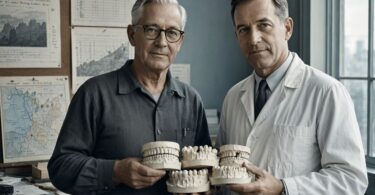
Arkansas is known for its natural beauty, strong sense of community, and a cost of living that ranks among the lowest in the United States. So when a resident sits in a dental chair and hears that a single crown will cost $1,200 or that a full set of implants could exceed $30,000, the disconnect feels jarring. If the price of housing, groceries, and gasoline is modest compared to coastal states, why does dentistry not follow the same trend? The answer lies in a unique collision of rural geography, workforce shortages, economic realities, and the business of operating a modern healthcare facility. This article explains the specific forces that drive dental costs in Arkansas with clarity and honesty.

Why Does Dentistry In Arkansas Cost So Much?
The Economic Paradox: Low Cost of Living, High Cost of Care
Many people assume that dental fees mirror the general cost of living in a state. This is a logical assumption, but it misses a crucial point. Dentistry is not a commodity sold by the square foot. It is a professional medical service delivered in a regulated environment. The expenses that shape dental fees—equipment, supplies, laboratory work, and professional labor—are largely national or global in their pricing. A dental implant fixture from a major manufacturer costs the same in Little Rock as it does in Los Angeles. A digital X-ray sensor is priced identically. The technician fabricating a crown in a dental laboratory pays the same price for porcelain powder regardless of the patient’s zip code. This means that while the dentist in Arkansas enjoys lower personal living expenses than a colleague in Manhattan, their practice overhead is remarkably similar. The overhead-to-revenue ratio does not drop just because the state’s housing market is more affordable.
The Rural Reality: Access, Distance, and Scarcity
Arkansas is a predominantly rural state. Outside of a few urban centers—Little Rock, Fayetteville, Fort Smith, Jonesboro—the landscape is defined by small towns, agricultural communities, and the winding roads of the Ozarks and Delta. This geography shapes dental access and costs in profound ways.
Dental Health Professional Shortage Areas
Large swaths of Arkansas are designated as Dental Health Professional Shortage Areas (HPSAs). This federal designation means that the ratio of dental providers to population falls below the threshold required for adequate access. In these zones, a single dentist may serve several counties. When supply is constrained and demand is fixed or rising, prices do not fall. The dentist with the only practice in a 30-mile radius does not need to compete on price. They need to manage a patient load that can be overwhelming.
The Commuting Patient’s Hidden Cost
For a patient in rural Arkansas, the price of dental care extends beyond the clinic’s fee schedule. A person living in a small Delta town may need to drive an hour or more to reach a dentist who can perform a root canal or place an implant. This journey involves gasoline, vehicle wear, and lost wages from time off work. Many dental procedures require multiple visits—impressions, try-ins, and final insertions for a denture; surgical placement and restoration for an implant. The cumulative travel cost can add hundreds of dollars to the effective price of care. This burden falls disproportionately on lower-income and elderly patients.
The Challenge of Attracting Professionals
Recruiting dentists to rural Arkansas is exceptionally difficult. A young dentist graduating with substantial student loan debt naturally gravitates toward urban areas where patient volume and average household income are higher. Rural practices that attempt to recruit associates often offer substantial signing bonuses, guaranteed minimum salaries, and loan repayment assistance. These recruitment costs become embedded in the practice’s financial structure and influence the fees charged. The dentist who relocates to a rural town may also demand higher compensation to offset the professional isolation and limited spousal employment opportunities.
The Overhead Equation: What It Costs to Run an Arkansas Dental Practice
Every dental procedure fee is a small slice of a much larger operational pie. Understanding what that pie must cover helps demystify the numbers on a treatment plan.
Staffing: The Universal Challenge
Labor is the largest ongoing expense for most dental practices, frequently representing 25% to 30% of gross revenue. Dental assistants, hygienists, and front-office coordinators are skilled professionals who expect competitive wages. While wages in Arkansas may be somewhat lower than in coastal metropolitan areas, they are not dramatically so for credentialed healthcare workers. A registered dental hygienist in Arkansas earns a median hourly wage in the mid-$30s, with experienced providers earning more. A certified dental assistant expects $18 to $24 per hour. Full-time employees also require payroll taxes, workers’ compensation insurance, and, in many practices, health insurance and retirement contributions. These are not optional expenses; they are the cost of maintaining a stable, trained team.
Infection Control: A Non-Negotiable Expense
Infection control protocols in dentistry are governed by the Centers for Disease Control and Prevention (CDC), the Occupational Safety and Health Administration (OSHA), and state dental board regulations. These standards are essential for patient safety but carry a relentless price tag. Personal protective equipment—gloves, masks, face shields, gowns—is used once per patient and discarded. Surface barriers and disinfectants are consumed constantly. Instruments must be processed through an autoclave sterilizer after every use, requiring biological monitoring, equipment maintenance, and chemical indicators. Regulated medical waste disposal is a contracted service with recurring fees. A single dental procedure generates a stream of single-use plastics and packaging that ends up in the waste stream, and the practice pays for every pound.
Technology: The Price of Modern Diagnosis
The days of relying solely on two-dimensional film X-rays are fading. Modern dentistry increasingly utilizes digital radiography, intraoral cameras, and, for surgical procedures, Cone Beam Computed Tomography (CBCT). These technologies improve diagnostic accuracy and patient safety but carry steep acquisition and maintenance costs. A panoramic X-ray unit costs $30,000 to $50,000. A CBCT machine, essential for precise dental implant planning, can run from $70,000 to $130,000. Software licensing for digital imaging and practice management systems adds monthly subscription fees. These investments are amortized over years of patient care and contribute to each treatment fee.
The Supply Chain in a Landlocked State
Arkansas is not a coastal port. Dental supplies—from filling materials to surgical instruments—are manufactured around the world and shipped through distribution networks. Fuel costs, freight charges, and logistics all factor into the landed cost of the composite syringe or the box of implant components that arrives at the dental office. Practices in remote areas may pay shipping surcharges or face longer delivery times, requiring them to keep larger and more expensive inventories on hand.
The Laboratory Partnership: Hidden Artistry, Real Cost
When a dentist provides a crown, bridge, or denture, they almost always collaborate with an external dental laboratory. This laboratory is staffed by skilled technicians who transform the dentist’s impression into a functional and aesthetic medical device.
The Lab Fee Breakdown
The laboratory charges the dentist a fee for each restoration. This fee covers the technician’s time, the cost of materials—porcelain, zirconia, acrylic, metal alloys—and the laboratory’s own overhead for rent, equipment, and compliance. For a single posterior crown, the lab bill to the Arkansas dentist is typically $250 to $450. For a custom implant abutment, it may be $350 to $550. A high-quality full denture may carry a lab fee of $800 to $1,200 per arch. The dentist adds a markup to this lab cost to account for the clinical time involved in tooth preparation, tissue management, impression-making, and final delivery, as well as the professional responsibility for the outcome. When a patient sees a $1,300 crown fee, a third or more of that amount may be flowing directly to the laboratory.
Shipping and Turnaround
In a state like Arkansas, where many dental offices are far from major metropolitan laboratory centers, shipping time and cost add a layer to the lab equation. Impressions and digital scan files must travel to labs that are often in Dallas, Memphis, or even further afield. For time-sensitive cases, overnight shipping is necessary. Delays from weather, courier errors, or simple distance can extend treatment timelines and add frustration. These logistical details, small on their own, accumulate into the overall cost structure.
Insurance in Arkansas: The Medicaid Gap and Private Limits
The dental insurance landscape in Arkansas is a patchwork that leaves many residents exposed to high out-of-pocket costs. It is a critical piece of the affordability puzzle.
Arkansas Medicaid Dental Coverage
Arkansas Medicaid, known as ARKids First for children and administered through the Division of Medical Services, provides comprehensive dental coverage for enrolled children. This is a genuine success in pediatric prevention and treatment. For adults, the picture is starkly different. Adult dental benefits under Arkansas Medicaid are extremely limited. Emergency extractions and pain relief may be covered, but routine restorative care, crowns, bridges, and dentures are generally not included or are subject to severe restrictions. This means that low-income adults, including many working poor, seniors on Supplemental Security Income, and individuals with disabilities, have essentially no dental safety net. They navigate a world where a single infected tooth means a choice between a costly extraction at a private office or enduring pain until it becomes a medical emergency.
Private Insurance: Annual Maximums and Reality
Most Arkansans with dental coverage have it through an employer-sponsored private plan. These plans share a common feature: the annual maximum. The typical annual maximum benefit is between $1,000 and $2,000. This ceiling has barely moved in thirty years, while dental fees have increased substantially over the same period.
Consider a patient who needs a root canal and crown. The root canal might cost $1,100. The crown might cost $1,300. The total treatment fee is $2,400. The insurance plan covers 50% for major services, but the annual maximum is $1,500. The patient quickly hits the ceiling. The insurance contributes $1,500, and the patient is responsible for the remaining $900, plus whatever deductible applies. This is not a catastrophic failure of insurance design; it is the standard operating model. The patient who needs multiple crowns or a single implant can rapidly exhaust their benefits and face thousands in personal expense.
The Predetermination Process
For major work, dental offices routinely submit a predetermination of benefits to the insurance carrier. This process involves sending a narrative, X-rays, and a detailed fee estimate. The insurer responds with an Explanation of Benefits (EOB) outlining what it will pay. This administrative dance takes days of staff time, and that time is part of the practice’s labor overhead. While it protects the patient from billing surprises, it adds to the complexity cost of running a dental business.
Education Debt and the Arkansas Dentist
The financial path to becoming a dentist is steep, and it shapes the economic decisions of practitioners throughout their careers. Arkansas does not have its own dental school. Aspiring dentists from the Natural State typically attend out-of-state programs or compete for limited spots in regional schools through cooperative agreements.
The cost of dental education in the United States is staggering. A student graduating from a private dental school or an out-of-state public program may carry educational debt of $300,000 to $500,000. Even residents of states with reciprocal agreements who attend regional public schools often graduate with well over $200,000 in loans. These loans accrue interest from the moment they are disbursed. A new dentist entering practice faces monthly loan payments that can equal a mortgage on a substantial home. This debt burden is not an abstraction. It is a line item in the dentist’s mental budget every month. The fees the practice charges must generate enough income for the dentist to service this debt while covering practice overhead and earning a living.
Specialist Referral and the Fee Cascade
General dentists in Arkansas provide a broad scope of care, but complex cases often require referral to a specialist. The geography of the state means that access to specialists is concentrated in larger cities. A patient in El Dorado needing an endodontist for a difficult molar root canal may need to drive to Shreveport, Louisiana, or Little Rock. A patient in Mountain Home requiring a periodontist for gum surgery may travel to Springfield, Missouri, or Fayetteville.
These journeys involve travel costs and the specialist’s professional fee, which is inherently higher than a general dentist’s fee for an equivalent procedure code. Specialists—oral surgeons, endodontists, periodontists, prosthodontists, orthodontists—complete several years of additional residency training after dental school. They invest in specialized equipment such as surgical microscopes and advanced imaging. Their fees reflect this additional expertise and capital outlay. The patient who is referred out faces a double financial hit: the cost of the specialist’s care plus the cost of returning to the general dentist for the restorative phase, such as the crown placed on the tooth the endodontist treated or the implant crown placed after the surgeon’s work.
The Material Matter: What Goes Into a Restoration
The physical substances placed in a patient’s mouth carry their own cost structure. Dental materials are medical-grade, precision-manufactured products subject to rigorous quality control and regulatory oversight.
Composite Resin Fillings
Tooth-colored composite fillings have largely replaced silver amalgam in modern practice. Composite resin requires meticulous moisture control, incremental placement, and light-curing. The material is dispensed from single-use compules or syringes. The bonding agents that adhere the filling to the tooth are sophisticated chemical formulations with limited shelf lives. The direct material cost for a two-surface composite filling is substantially higher than for an equivalent amalgam, and the procedure time is longer. These factors combine to make composite fillings a more expensive service.
Crown and Bridge Materials
The evolution of materials science has given dentists and patients a range of options for fixed restorations. Full gold crowns offer unmatched longevity and gentle wear against opposing teeth but carry a metal cost that fluctuates with the commodity price of precious alloys. Porcelain-fused-to-metal has been the standard for decades, offering a balance of strength and aesthetics. All-ceramic restorations—lithium disilicate and zirconia—have become the predominant choice for visible teeth. These materials require computer-aided design and manufacturing (CAD/CAM) workflows at the laboratory, where milling machines and sintering furnaces represent major capital investments by the lab. These costs are passed through the lab bill and ultimately to the patient.
Dental Implant Components
Dental implants are not commodities. They are highly engineered medical devices from companies that invest heavily in research, surface technology, and long-term clinical studies. A premium implant system with a track record of success and a warranty program charges a price that reflects this development. The dentist pays for the implant fixture, the healing abutment, the impression coping, and the final prosthetic abutment. A single implant’s component costs to the practice can run $500 to $700 before the dentist’s surgical or restorative time is billed.
Oral Health in Arkansas: The Disease Burden
The general oral health status of a population influences the demand for and complexity of dental care. Arkansas faces significant public health challenges in this arena.
The Prevalence of Dental Disease
According to data from the Centers for Disease Control and Prevention and state health assessments, Arkansas consistently ranks among the states with higher rates of tooth loss, untreated decay, and oral cancer. High rates of tobacco use, limited access to fluoridated water in some rural communities, and dietary patterns all contribute to a heavier disease burden. When patients present with advanced disease—multiple decayed teeth, severe periodontal bone loss, failing older restorations—the treatment required is inherently more complex and costly. A patient who has avoided care for years due to finances or fear does not arrive needing a small filling. They arrive needing extractions, periodontal therapy, and replacement of missing teeth. The high cost of care reflects, in part, the high cost of advanced disease.
Oral Health and Chronic Systemic Disease
The connection between oral health and conditions like diabetes, cardiovascular disease, and adverse pregnancy outcomes is firmly established. Arkansas has a high prevalence of diabetes and hypertension. Patients with uncontrolled diabetes are at greater risk for severe periodontal disease, which in turn complicates glycemic control. Treating a diabetic patient with advanced periodontitis is more complex, time-intensive, and costly than providing routine maintenance to a periodontally stable patient. The fee reflects the complexity, not merely the procedure code.
Strategies for Managing Dental Costs in Arkansas
The landscape is challenging, but patients can adopt practical strategies to navigate dental expenses effectively.
Commit to Prevention and Early Intervention
The most powerful financial tool in dentistry is prevention. A periodic oral evaluation, routine cleaning, and bitewing X-rays may cost $150 to $300. This surveillance detects decay at its earliest stages, when it can be treated with a small, inexpensive filling or even remineralized with fluoride. A patient who attends recommended recall intervals and practices diligent home care—brushing with fluoride toothpaste, flossing or using interdental brushes, moderating sugar intake—will spend dramatically less on dentistry over a lifetime than a patient who seeks care only when in pain. Prevention is not a cliché; it is a sound financial strategy.
Explore Dental School and Residency Clinics
Arkansas does not have a dental school within its borders, but neighboring states offer reduced-cost care through their dental education programs. The University of Tennessee Health Science Center College of Dentistry in Memphis is a relatively accessible option for residents of eastern Arkansas. The University of Missouri-Kansas City School of Dentistry and the Louisiana State University School of Dentistry in New Orleans are other regional options for those able to travel. These clinics provide care delivered by students and residents under the strict supervision of licensed faculty. Fees are typically 30% to 60% lower than private practice. The trade-off is time; appointments are long and multiple visits may be necessary. For a patient needing extensive work and facing a tight budget, this can be a viable pathway to comprehensive care.
Federally Qualified Health Centers and Community Clinics
Arkansas has a network of Federally Qualified Health Centers (FQHCs) and community health clinics that provide dental services. These centers offer a sliding fee scale based on household income and family size. A patient earning 200% of the federal poverty level may pay significantly less than the market rate for a given procedure. These clinics are located in both urban and rural communities and accept Medicaid and private insurance. They are a critical piece of the dental safety net. The demand for their services is high, and appointments can book out weeks or months in advance, but the cost savings are substantial for those who qualify.
Asking the Right Questions About Phased Care
When a dentist presents a comprehensive treatment plan, the total figure can be overwhelming. A patient should feel empowered to ask for a phased approach based on clinical priority. The infected, painful tooth takes precedence. The large filling with recurrent decay that risks nerve involvement comes next. The elective cosmetic enhancement can wait. By spreading treatment across multiple calendar years, a patient can also maximize the use of annual insurance maximums, effectively doubling or tripling the benefit available for a single extended treatment plan.
The Second Opinion Option
Seeking a second opinion is an accepted and appropriate step when facing a large or invasive treatment plan. Another dentist may offer a different treatment philosophy. One practitioner might recommend a crown on a heavily restored tooth; another might assess the tooth as sound enough for a large direct filling for several more years. The cost of a second opinion examination, typically $75 to $150, can repay itself many times over if it results in a less invasive and less expensive treatment path. Any reputable dentist will support a patient’s decision to seek additional information.
Dental Savings Plans and Membership Models
An increasing number of private dental practices in Arkansas offer in-house dental membership or savings plans. These plans are not insurance. They are a direct agreement between the patient and the practice. The patient pays an annual fee, often $300 to $500 for an individual, and in return receives covered preventive services—two cleanings, exams, and a set of X-rays—and a discount, typically 15% to 25%, on all other treatment provided during the year. For a patient without dental insurance who requires restorative work, this model can generate meaningful savings. The practice benefits by building a loyal patient base and reducing dependence on insurance reimbursement.
The Impact on Vulnerable Populations
The cost of dental care in Arkansas falls hardest on those who can least afford it. Rural elderly adults on fixed incomes. Single parents working multiple jobs. Agricultural workers with seasonal employment and no benefits. For these Arkansans, dental pain is not merely a health issue; it is a constant companion that erodes quality of life, nutrition, and self-esteem. The visible consequences of untreated dental disease—missing front teeth, visible decay, facial swelling—affect employability and social interaction in profound ways. The economic cost of untreated dental disease, manifested in emergency department visits for preventable oral infections, is borne by the entire healthcare system. A patient presenting to an Arkansas emergency room with a dental abscess can generate a hospital bill of several thousand dollars for treatment that resolves the immediate infection but does not address the source of the problem. The patient is discharged with antibiotics and instructions to see a dentist, returning to the same economic barrier that led them to the ER in the first place.
Conclusion
Dentistry in Arkansas costs what it does because the forces driving those costs are universal within American healthcare while being intensified by the state’s specific geography and demographics. The expenses of running a safe, modern dental practice—skilled labor, regulated infection control, advanced technology, and laboratory services—do not diminish simply because a clinic sits in a rural county rather than a coastal metropolis. Limited insurance coverage for adults, a shrinking but still heavy disease burden, and the difficulty of recruiting professionals to underserved areas all contribute to fees that feel disconnected from the state’s otherwise modest cost of living. The patient who understands these dynamics can approach care strategically, seeking preventive maintenance, phased treatment, and community resources that make oral health more attainable.
Frequently Asked Questions
Does Arkansas have a dental school where I can get cheaper care?
Arkansas does not have a dental school. However, residents can explore reduced-cost care at dental schools in neighboring states, such as the University of Tennessee College of Dentistry in Memphis. These programs offer supervised student care at significantly lower fees.
Does Arkansas Medicaid cover dentures for adults?
Adult dental coverage under Arkansas Medicaid is very limited. Routine restorative services like dentures, crowns, and bridges are generally not covered. Coverage is focused on emergency extractions and pain relief. Check with the Division of Medical Services for current policy details.
Why do my dental insurance benefits run out so quickly?
Most private dental plans have an annual maximum benefit between $1,000 and $2,000. A single crown or root canal can consume most or all of this limit. Major treatment exceeding the maximum becomes the patient’s full financial responsibility.
How can I find a sliding-fee dental clinic in Arkansas?
Federally Qualified Health Centers and community health clinics throughout Arkansas offer sliding-fee dental services based on income. You can locate a center through the Health Resources and Services Administration (HRSA) website or by contacting the Arkansas Department of Health.
Are dental fees cheaper in rural Arkansas compared to Little Rock?
Fees can vary, but rural practices face their own high costs related to staffing, supply logistics, and lower patient volume. Do not assume a rural clinic will be significantly cheaper. It is always wise to request a fee estimate before treatment.
What is an in-house dental savings plan, and should I join one?
An in-house plan is a direct membership agreement with a dental practice. You pay an annual fee and receive free preventive care plus discounts on treatment. For uninsured patients who need restorative work, this can offer meaningful savings.
Additional Resource:
Arkansas Department of Health – Oral Health Program
https://www.healthy.arkansas.gov/programs-services/topics/oral-health