Navigating the world of medical coding often feels like learning a foreign language. Among the thousands of codes that exist, a special category stands out: Proprietary Laboratory Analyses, or PLA codes. These codes carry a unique structure and purpose. Today, we focus on one specific code that plays a critical role in modern infectious disease diagnostics: CPT 0340U.
This article serves as your complete resource. We will explore what this code means, the science behind the test it represents, and how laboratories use it properly. You will find detailed sections on billing guidelines, clinical applications, and documentation requirements. Whether you are a medical coder, a laboratory professional, or a healthcare provider, this guide offers the clarity you need.
We aim to demystify this alphanumeric string. By the time you finish reading, you will understand not just what CPT 0340U stands for, but also why it matters in patient care. The landscape of molecular diagnostics evolves rapidly, and keeping pace with these changes ensures accurate billing and optimal patient outcomes.
The Fundamentals of PLA Codes in Modern Medicine
The American Medical Association (AMA) maintains the Current Procedural Terminology (CPT) code set. Within this set, you find Category I codes, which describe widely performed procedures, and Category III codes, which track emerging technologies. But a distinct subset also exists. The AMA established the Proprietary Laboratory Analyses (PLA) codes to address the growing number of advanced clinical laboratory tests.
These tests are often unique to a specific manufacturer or laboratory. They typically involve complex molecular diagnostics, multi-analyte assays with algorithmic analyses, or other innovative technologies. Standard Category I pathology and laboratory codes cannot always describe these unique procedures accurately. Before PLA codes existed, labs often had to use unlisted codes, a process that frequently led to claim denials and administrative burden.
Why PLA Codes Exist
A PLA code assigns a dedicated tracking number to a test performed by only one laboratory or sold under a specific trade name. Think of it as a unique identifier. This system offers several advantages. First, it provides precise identification of the test performed. Payers can see exactly what service the laboratory provided. Second, it streamlines the claims process, reducing the need for manual review and supporting documentation that unlisted codes require. Third, the data collected helps payers and researchers track the utilization of cutting-edge technologies.
The “U” at the end of the code designates it as a PLA code. This letter signals to the payer that the service represents a unique lab test. Laboratories must strictly adhere to the code descriptor. They cannot use a PLA code for a test that is similar but not identical to the one described. Doing so constitutes miscoding and can lead to audits or penalties.
PLA Codes vs. Standard Pathology Codes
Understanding the distinction between a PLA code and a regular pathology code is crucial.
| Feature | Standard Pathology Code (80000 Series) | PLA Code (U Series) |
|---|---|---|
| Ownership | Describes a generic procedure any lab can perform. | Specific to one manufacturer’s test or one specific lab’s method. |
| Structure | Typically numeric (e.g., 87491). | Contains four numbers followed by the letter “U”. |
| Descriptor | Describes the methodology and analyte. | Often includes the proprietary test name. |
| Frequency | Can be billed by any lab that performs the generic test. | Only billable by the lab that owns the rights to the test or an authorized licensee. |
| Update Frequency | Updated annually as part of the main CPT code set. | Can be added quarterly, allowing faster adoption for new technologies. |
This table highlights the unique position PLA codes hold. They bridge the gap between rapid innovation and the need for standardized billing. For a test to receive a PLA code, the developer must apply to the AMA and provide evidence that the test is unique, clinically relevant, and ready for widespread clinical use. CPT 0340U is one such code, representing a specific and clinically valuable service.
CPT 0340U: Definition and Official Descriptor
Let us move from the general concept of PLA codes to the specifics of CPT 0340U. Accurate coding begins with a precise understanding of the official code descriptor. You must read this descriptor carefully, as every word defines the scope of the service.
The AMA CPT Editorial Panel approves the long descriptor for the code. As of the current coding cycle, the official descriptor for CPT 0340U reads:
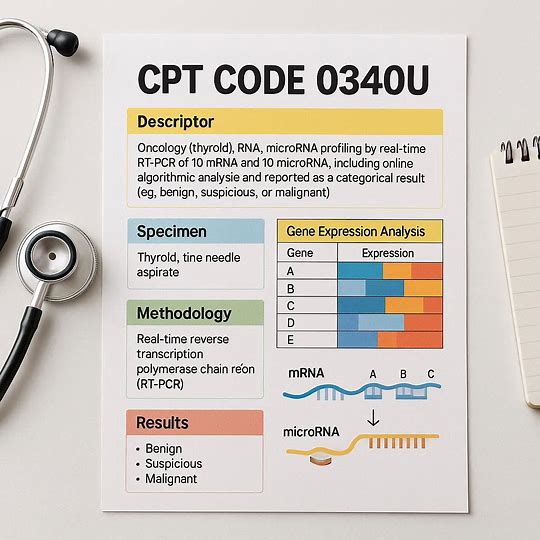
Infectious disease (bacterial or viral respiratory tract infection), pathogen-specific nucleic acid (DNA or RNA), 22 targets including severe acute respiratory syndrome coronavirus 2 (SARS-CoV-2), qualitative RT-PCR, nasopharyngeal swab, each pathogen reported as detected or not detected.
This descriptor is dense with information. We need to unpack it section by section to fully grasp the clinical service it represents. This analysis will help coders, billers, and providers ensure they use the code correctly.
Breaking Down the Descriptor
Each component of the official description defines a boundary for the code’s use.
“Infectious disease (bacterial or viral respiratory tract infection)”
This phrase defines the clinical context. The test evaluates a patient for respiratory infections caused by bacteria or viruses. You would not use this code for a gastrointestinal pathogen panel or a genitourinary infection test. The clinical suspicion must be a respiratory tract infection.
“pathogen-specific nucleic acid (DNA or RNA)”
The test methodology targets the genetic material of specific pathogens. It detects either deoxyribonucleic acid (DNA) or ribonucleic acid (RNA). This is a molecular test, not a culture, antigen test, or serological assay. The high specificity of nucleic acid amplification provides the sensitivity needed for accurate detection.
“22 targets”
This number is critical. The panel looks for exactly 22 specific microorganisms. A test that looks for 21 or 23 targets does not qualify for this code, even if the technology platform is similar. The panel is fixed and validated as a 22-target assay.
“including severe acute respiratory syndrome coronavirus 2 (SARS-CoV-2)”
The descriptor explicitly includes SARS-CoV-2, the virus that causes COVID-19. This means the panel is a multiplex assay designed during or for the era of the COVID-19 pandemic. It combines testing for the pandemic virus with other common respiratory pathogens that cause similar symptoms. This inclusion distinguishes it from older respiratory panels that did not contain SARS-CoV-2 targets.
“qualitative RT-PCR”
The method is reverse transcription polymerase chain reaction, and the result type is qualitative. This means the test gives a simple “detected” or “not detected” result for each target. It does not quantify the viral load. Real-time PCR technology amplifies and detects the genetic targets simultaneously.
“nasopharyngeal swab”
The descriptor specifies the specimen type. The test requires a nasopharyngeal swab collected by a healthcare professional. Specimens collected by other methods—such as nasal washes, sputum, or bronchoalveolar lavage—do not meet the criteria for this code. The manufacturer validated the test for this specific specimen type, and using other specimens would be off-label.
“each pathogen reported as detected or not detected”
The final reporting format lists all 22 targets individually. The laboratory report must show a distinct result for each pathogen. This format allows clinicians to see which specific virus or bacteria is causing the infection, or to identify co-infections.
The Specific Test Represented by CPT 0340U
To truly understand a PLA code, knowing the proprietary test name helps. CPT 0340U corresponds to the BioFire® Respiratory 2.1 (RP2.1) Panel manufactured by bioMérieux. This connection is vital. Only this specific test, performed on the BioFire® FilmArray® system, qualifies for this code.
The BioFire RP2.1 Panel gained Emergency Use Authorization (EUA) from the U.S. Food and Drug Administration (FDA) during the COVID-19 public health emergency. It was later cleared by the FDA. It represents an evolution of the widely used BioFire Respiratory Panel 2 (RP2), which corresponds to CPT code 87633. The primary addition in the RP2.1 Panel, and the reason for the new PLA code, is the inclusion of SARS-CoV-2.
The BioFire FilmArray System
A brief look at the underlying technology clarifies the test’s value. The FilmArray system is a closed, all-in-one system that integrates sample preparation, nucleic acid extraction, amplification, and detection. A laboratory technician introduces the nasopharyngeal swab sample into a pouch. The pouch then goes into the FilmArray instrument. The process requires minimal hands-on time and delivers results in about 45 minutes.
This rapid turnaround time has significant clinical implications. In an emergency department setting, quickly identifying the causative pathogen of a respiratory illness allows for more targeted treatment. If the test detects influenza, a physician can prescribe antivirals and discontinue unnecessary antibiotics. If it detects a common seasonal coronavirus, the patient may be discharged safely. The rapid multiplex approach supports antimicrobial stewardship and infection control measures.
The 22-Target Menu
Knowing the exact pathogens detected by the panel deepens your understanding of the clinical utility. The BioFire RP2.1 Panel detects and distinguishes among the following 22 targets. I present them in a structured list for clarity, separating viral and bacterial pathogens.
Viral Targets (19):
- Adenovirus
- Coronavirus 229E
- Coronavirus HKU1
- Coronavirus NL63
- Coronavirus OC43
- Severe Acute Respiratory Syndrome Coronavirus 2 (SARS-CoV-2)
- Human Metapneumovirus
- Human Rhinovirus/Enterovirus
- Influenza A
- Influenza A subtype H1
- Influenza A subtype H3
- Influenza A subtype H1-2009
- Influenza B
- Parainfluenza Virus 1
- Parainfluenza Virus 2
- Parainfluenza Virus 3
- Parainfluenza Virus 4
- Respiratory Syncytial Virus (RSV)
- Middle East Respiratory Syndrome Coronavirus (MERS-CoV)
Bacterial Targets (3):
- Bordetella pertussis
- Chlamydia pneumoniae
- Mycoplasma pneumoniae
The panel includes several key features. It differentiates between specific influenza A subtypes, which is important for epidemiological tracking. It detects MERS-CoV, a pathogen with a different clinical risk profile than common coronaviruses, although this target was for identification before the COVID-19 pandemic, it remains part of the panel. The bacterial targets cover the most common “atypical” bacteria responsible for community-acquired pneumonia.
Important Note: The presence of MERS-CoV as a target in the panel is a historical artifact of the panel’s original development. False positives for MERS-CoV were never a clinical issue, but it underscores that the panel detects a broad range of coronaviruses. The primary addition of value for the RP2.1 panel is the SARS-CoV-2 target.
Clinical Applications and Patient Scenarios
The primary clinical application of the test represented by CPT 0340U is the rapid, comprehensive evaluation of patients presenting with symptoms of an acute respiratory tract infection. This includes symptoms like cough, sore throat, fever, shortness of breath, and body aches. The syndromic approach—testing for many probable causes of a syndrome at once—is powerful in this setting.
Emergency Department Use
A 65-year-old patient arrives at the Emergency Department in January with a high fever, a productive cough, and low oxygen saturation. The physician suspects either COVID-19, influenza, or a bacterial pneumonia. Waiting for single-target tests could delay appropriate care. The provider collects a nasopharyngeal swab and orders the test linked to CPT 0340U.
Within an hour, the result returns: Influenza A H3 is detected, and all other targets are not detected. The care team immediately discontinues the empiric antibiotics started for a possible bacterial infection. They initiate oseltamivir (Tamiflu) and implement appropriate droplet precautions. Without the rapid multiplex panel, the patient might have remained on broad-spectrum antibiotics for days, increasing the risk of adverse drug events and promoting antibiotic resistance.
Pediatric Hospital Settings
Respiratory infections in children can be severe and unpredictable. A 3-month-old infant presents with bronchiolitis. The symptoms could be caused by RSV, human metapneumovirus, or parainfluenza virus. Knowing the specific virus informs prognosis and level-of-care decisions.
The BioFire RP2.1 Panel identifies the pathogen as RSV. The physician can confidently explain the likely course of illness to the anxious parents and focus supportive care without chasing other diagnoses. If the panel detects rhinovirus/enterovirus, the interpretation is more nuanced, as these viruses are common and sometimes found incidentally, but knowing there is no RSV or influenza is still valuable.
Outpatient and Urgent Care
In an urgent care clinic, a young adult presents with a severe sore throat and cough. A rapid antigen test for Group A Streptococcus is negative. The provider orders the multiplex panel to check for other culprits. The result shows Adenovirus. This allows the provider to send the patient home with clear instructions for supportive care, avoiding a prescription for antibiotics that would have no effect. This scenario repeats thousands of times daily across the country, making syndromic testing a cornerstone of outpatient respiratory care.
Billing and Coding Guidelines for CPT 0340U
Accurate billing for this PLA code requires strict attention to several key principles. Simply having the BioFire RP2.1 Panel in your laboratory does not guarantee you can use this code correctly. Medical coders must verify several data points on the encounter documentation and the laboratory report.
Payer Policy and Medical Necessity
Before filing a claim, confirm that the payer covers CPT 0340U. While many commercial insurers and Medicare Administrative Contractors (MACs) cover syndromic respiratory testing, policies vary. Some payers may consider a 22-target panel medically necessary only for specific patient populations, such as immunocompromised patients, critically ill patients, or children. Other payers may cover it more broadly.
Always check the payer’s Local Coverage Determination (LCD) or commercial medical policy. The clinical documentation must clearly support the medical necessity. A simple diagnosis of “cough” may not suffice. Document the full clinical picture: fever, hypoxia, signs of sepsis, or immune status. The provider must demonstrate why a comprehensive multiplex panel was necessary over a targeted test for, say, just SARS-CoV-2 and influenza A/B.
Claim Form Specifics
Submitting the claim correctly is just as important as establishing medical necessity. Use the following checklist for each claim.
- CPT Code Field: Enter 0340U. Do not use any modifiers.
- Units of Service: Report “1” unit. This code represents one complete analysis of the panel, irrespective of how many targets are detected.
- Diagnosis Codes: Link the appropriate ICD-10-CM codes. Common codes include signs and symptoms such as cough (R05), fever (R50.9), shortness of breath (R06.02), or definitive diagnoses like pneumonia due to COVID-19 (J12.82) if detected.
- Place of Service: The code itself is for the laboratory service. The place of service will be the location of the lab performing the test (e.g., 81 for independent lab).
- Date of Service: The date the test was performed in the laboratory.
One Code, One Test
A common point of confusion involves billing for multiple respiratory panels. You cannot bill CPT 0340U alongside other panel codes for the same patient encounter if they cover overlapping targets. The multiplex panel is all-inclusive. For example, you should not bill CPT 0340U and 87633 (for the older RP2 panel) together. You would also not bill for individual analyte codes like 87491 (Chlamydia pneumoniae) or 87631 (Respiratory virus panel, 3-5 targets) on the same date of service for the same specimen. This is unbundling and is a compliance risk.
Prohibited Coding Scenario: A laboratory performs the BioFire RP2.1 Panel but tries to bill CPT 0340U plus CPT 87633 to reflect the “old” and “new” parts of the test. This is incorrect. CPT 0340U covers the entire 22-target test. Only one code is needed.
Comparative Analysis: CPT 0340U vs. Other Respiratory Testing Codes
Choosing the correct code from the respiratory testing landscape can be a challenge. The existence of multiple codes for similar, but distinct, services means coders must pay close attention to the specifics of the test performed. We will now compare CPT 0340U with other commonly used codes for respiratory pathogen testing.
CPT 0340U (22 Targets with SARS-CoV-2) vs. CPT 87633 (20 Targets without SARS-CoV-2)
This is the most frequent point of confusion. CPT 87633 represents the BioFire Respiratory Panel 2 (RP2). The clinical difference is the absence of the SARS-CoV-2 target. Both are multiplex PCR panels run on the same FilmArray platform.
| Feature | CPT 0340U (BioFire RP2.1) | CPT 87633 (BioFire RP2) |
|---|---|---|
| Number of Targets | 22 | 20 |
| SARS-CoV-2 Detection | Yes | No |
| Influenza A Subtyping | Yes (H1, H3, H1-2009) | Yes (H1, H3, H1-2009) |
| Atypical Bacteria | Yes (B. pertussis, C. pneumoniae, M. pneumoniae) | Yes (B. pertussis, C. pneumoniae, M. pneumoniae) |
| Typical Specimen | Nasopharyngeal swab | Nasopharyngeal swab |
| Technology | Qualitative RT-PCR (FilmArray) | Qualitative RT-PCR (FilmArray) |
If your lab ran the RP2 panel and did not test for SARS-CoV-2, you must use 87633. Using 0340U in this scenario would be an upcoding error. Documentation should clearly identify the panel used. The lab information system and the test requisition form are key sources of truth for this determination.
CPT 0340U vs. Single-Organism and Limited Panels
Many labs use smaller panels or single-organism tests. Understanding when a larger panel is coded versus multiple individual codes is a core billing skill.
Scenario: A physician orders tests for SARS-CoV-2, Influenza A/B, and RSV. The lab performs three individual rapid PCR tests.
- Correct Coding: Bill 87636 (Influenza A/B and SARS-CoV-2) and 87634 (RSV), or three separate codes like 87635 (SARS-CoV-2), 87502 (Influenza B), etc. depending on the exact assays. You cannot use 0340U because the 22-target panel was not performed. The test menu does not match the descriptor.
Scenario: The lab performs the BioFire RP2.1 Panel (22 targets).
- Correct Coding: Bill 0340U once. You report the comprehensive service. The payer understands that the service inherently includes the work for all 22 targets. Billing extra codes for the individual results is not allowed.
Summary of Common Respiratory Test Codes
This list provides a quick reference for distinguishing similar codes.
- CPT 87631: Infectious agent detection by nucleic acid; respiratory virus, 3-5 targets. (Used for small, often random-access multiplex tests).
- CPT 87633: Infectious agent detection by nucleic acid; respiratory virus, 6 or more targets (specifically the BioFire RP2 panel, no SARS-CoV-2).
- CPT 0340U: The 22-target BioFire RP2.1 panel, including SARS-CoV-2.
- U0003: A CMS HCPCS code previously used for high-throughput SARS-CoV-2 tests, not a multiplex panel.
- U0005: A CMS HCPCS code for SARS-CoV-2, not a multiplex panel.
Key Takeaway for Coders: Always read the lab report. If the report header says “BioFire Respiratory 2.1 Panel” and lists all 22 targets, code 0340U. If the header says “BioFire Respiratory Panel 2,” code 87633. Never guess based on the collection date alone.
Compliance and Audit Risk Management
High-volume, high-cost tests like multiplex respiratory panels attract the attention of auditors. The Office of Inspector General (OIG) and commercial payer audit departments routinely scrutinize medical necessity and coding accuracy for these services. A proactive compliance approach is essential for any laboratory or provider billing CPT 0340U.
Medical Necessity Documentation
The most significant audit risk is a lack of documented medical necessity. An auditor will look at the patient’s medical record. If the record only shows a patient with a mild, runny nose of one day’s duration without fever or other complications, the auditor may question the need for a 22-target panel. The provider likely could have performed a COVID-19 and Flu A/B test with a smaller panel, or even an antigen test.
To mitigate this risk, providers should use standardized templates or smart phrases in their electronic health records (EHR) that capture the severity of illness. For instance: “Patient with fever 102.5°F, hypoxia to 89% on room air, and productive cough. Syndromic respiratory panel ordered to rapidly identify bacterial vs. viral etiology given need for admission and high risk of decompensation.” This note clearly paints a picture of a patient who benefits from rapid, comprehensive diagnostics.
Laboratory Compliance with Test Registration
The laboratory performing the test must ensure it is using the FDA-cleared or authorized version of the BioFire RP2.1 Panel. Using a laboratory-developed test (LDT) that happens to cover the same 22 targets but is not the bioMérieux test is not sufficient. The PLA code is proprietary. Only the exact test and system listed in the FDA clearance and PLA application can be billed with this code.
The lab’s medical director should be involved in creating a test utilization policy. This policy helps guide clinicians on when the test is appropriate. For example, the policy might state that the panel is restricted to inpatients, emergency department patients, and patients in the oncology clinic. It might not be available for routine clinic visits. Implementing such restrictions in the computerized physician order entry (CPOE) system is a strong compliance measure.
The Role of the Advance Beneficiary Notice (ABN)
In some situations, a provider may believe that a payer will deny the claim for CPT 0340U as not medically necessary. In these cases, for Medicare patients, an Advance Beneficiary Notice of Noncoverage (ABN) is appropriate. The ABN informs the patient that they may be financially responsible for the test if Medicare denies it. The decision to sign the ABN must be the patient’s. Using ABNs correctly protects the practice from financial liability but should be used judiciously and not as a blanket waiver for every test.
The Scientific and Technical Foundation of the Test
A deeper look into the science behind CPT 0340U provides a richer appreciation for its coding and clinical significance. The BioFire RP2.1 Panel uses a highly refined sample-to-answer process.
Inside the FilmArray Pouch
The single-use pouch is a marvel of miniaturized laboratory science. It contains all the necessary reagents in a freeze-dried format. When the lab technician injects the patient sample and hydration fluid into the pouch, the instrument takes over. The process begins with mechanical lysis of the cells and pathogens using a bead-beating mechanism. This physical disruption method is highly effective at releasing nucleic acids from both easy-to-lyse viruses and harder-to-lyse bacteria and fungi.
Next, magnetic beads capture the released nucleic acids. The instrument uses magnets to hold the beads while wash solutions remove cellular debris and potential inhibitors. A final elution buffer releases the purified nucleic acids from the beads. This purified extract is then moved to a multi-chamber array for PCR.
Real-Time PCR and Analysis
The instrument distributes the extract into individual wells on a multi-well array. Each well contains primers and probes specific to one of the 22 targets. The instrument performs real-time PCR, cycling the sample through specific temperatures for reverse transcription (converting RNA to DNA) and DNA amplification.
A camera monitors the fluorescence in each well. As amplification occurs, the probes generate a fluorescent signal. The instrument’s software analyzes the real-time amplification curves. For a result to be called “detected,” the curve must cross a set threshold and exhibit a proper sigmoidal shape. The system performs a melt-curve analysis at the end of the run. This final step measures the fluorescence as the temperature increases, causing the double-stranded DNA product to melt apart. The melting temperature (Tm) is a characteristic of the amplified sequence, providing an additional, highly specific check against false positives. This two-stage analysis—amplification curve and melt curve—is key to the test’s high sensitivity and specificity.
Reimbursement Landscape and Financial Considerations
Understanding the financial aspect of CPT 0340U is crucial for laboratories and providers. Reimbursement rates can significantly impact a laboratory’s ability to offer this advanced test.
Medicare Clinical Laboratory Fee Schedule (CLFS)
The Centers for Medicare & Medicaid Services (CMS) sets national payment rates for laboratory tests on the CLFS. For PLA codes like 0340U, the initial payment rate is determined through a process of gap-filling or cross-walking, as these are new tests without historical Medicare claims data. CMS’s Medicare Administrative Contractors (MACs) establish local rates during the initial period based on the manufacturer’s charges, the cost of the test, and charges for comparable tests.
After a period of data collection, CMS sets a national limitation amount based on the weighted median of private payer rates. This data comes from private insurers reporting their payment rates under the Protecting Access to Medicare Act (PAMA) of 2014. The PAMA process aims to align Medicare rates with the actual market price for the test.
As a result, the exact national allowable for CPT 0340U is subject to change. To find the current national limit, visit the CMS Clinical Laboratory Fee Schedule website and search for “0340U.” You will find the specific dollar figure for the current year. Always verify the rate annually, as the fee schedule updates on January 1st.
Factors Influencing Private Payer Reimbursement
Commercial insurers negotiate their own fee schedules. The contracted rate for 0340U often links back to the Medicare rate, typically a percentage of it, like 120% or 140%. However, some payers may have capitated arrangements for lab services. Others might require a prior authorization for any syndromic panel.
When engaging in contract negotiations with a private payer, the laboratory should present a strong value proposition. Highlight the test’s role in reducing unnecessary antibiotic use, decreasing the need for additional diagnostic workups (like chest X-rays or cultures), and reducing patient length of stay in the emergency department. The comprehensive nature of the test, providing results for 22 pathogens in under an hour, offers clear operational and clinical benefits that support a favorable coverage and payment policy.
Practical Workflow for Laboratories and Clinics
Implementing the test associated with CPT 0340U effectively requires a smooth, coordinated workflow from order to result. Disruptions in this workflow lead to delays, errors in coding, and frustration for both staff and patients.
Step-by-Step Process Map
- Order Entry: A licensed provider identifies the need for a syndromic respiratory panel. They enter an order in the EHR or on a paper requisition. The order should ideally specify “BioFire Respiratory 2.1 Panel” or “Syndromic respiratory panel, 22 targets with SARS-CoV-2” to avoid confusion with the older RP2 panel.
- Specimen Collection: A nurse or respiratory therapist collects the specimen using the specific nasopharyngeal swab validated for the test. Flocked swabs are standard. The collector must insert the swab deep into the nasopharynx, rotate it, and withdraw it carefully. Proper collection technique is the most critical variable for test accuracy. The swab is placed immediately into the provided transport medium tube.
- Transport and Accessioning: The labeled specimen is transported to the laboratory. A lab assistant accessions the case, confirming the patient identifiers and the test ordered match the specimen. They scan the barcode into the laboratory information system (LIS).
- Testing: A clinical laboratory scientist loads the sample into the BioFire FilmArray pouch. They follow the exact manufacturer instructions. The instrument runs the automated process. The analyst monitors the run for control failures. The internal pouch controls must pass for the results to be valid.
- Result Interpretation and Reporting: The analyst reviews the “detected” and “not detected” calls for each target. They confirm the controls passed. They then release the results into the LIS, which transmits them to the EHR. The final report lists the test name (BioFire Respiratory 2.1 Panel) and the qualitative result for all 22 targets.
- Coding and Billing: The professional coder reviews the final lab report. They see the specific test name and the 22-target list. They assign code 0340U to the charge. The billing department submits the claim with the appropriate diagnosis codes from the patient’s encounter.
Common Workflow Errors
- Ordering the Wrong Test: The physician orders a generic “respiratory panel,” and the lab runs the RP2.1 panel. Or conversely, the physician wants the COVID-inclusive panel, but the older RP2 is what’s in the order system. A clear, distinct test catalog in the EHR solves this.
- Specimen Issues: The lab receives a nasal swab instead of a nasopharyngeal swab. According to the code descriptor, this is not the validated specimen type. The lab should either reject the specimen or run it but bill a less specific code if appropriate (which is unlikely for a comprehensive panel, likely they would need to contact the provider).
- Result Review Delays: The result is released quickly, but the physician does not see it for hours. This negates the value of the rapid test. Setting up push notifications or critical result call-back procedures for actionable pathogens like Influenza or Bordetella pertussis enhances the test’s clinical impact.
The Role of Syndromic Testing in Antimicrobial Stewardship
Antimicrobial stewardship programs (ASPs) are now a universal requirement in accredited hospitals. These programs aim to optimize the treatment of infections. They seek to ensure patients receive the right antibiotic, at the right dose, and for the right duration. Multiplex PCR panels like the one coded with CPT 0340U are potent tools for ASPs.
The test’s ability to definitively diagnose a viral infection allows physicians to stop antibiotics with confidence. In the past, a patient with a severe respiratory illness often received empiric antibiotics while awaiting culture results, which could take 48 to 72 hours. Now, a “not detected” result for all bacterial targets, combined with a positive viral result, provides actionable, real-time data.
A 2017 study in the Journal of the American Medical Association (JAMA) found that rapid molecular testing for respiratory viruses in hospitalized patients significantly reduced antibiotic use. While the rapid test alone is a powerful diagnostic, its impact is magnified when paired with a stewardship intervention. When a pharmacist or infectious disease physician proactively calls the treating team with the result and provides guidance on stopping antibiotics, the reduction in antibiotic days of therapy is even more substantial.
Integrating the Test into Stewardship Protocols
A hospital can create a simple protocol. When the BioFire RP2.1 Panel detects a community-acquired respiratory virus (like RSV, influenza, or human metapneumovirus) and is negative for bacteria, a pharmacist reviews the patient’s chart. If the patient has no evidence of a concurrent bacterial infection by exam or other lab markers (like a normal procalcitonin), the pharmacist recommends discontinuing antibiotics.
This collaborative practice agreement between pharmacists and physicians is a model for modern infectious disease management. It leverages the speed of diagnostics coded with CPT 0340U to translate a lab value directly into a clinical action that benefits the patient and public health.
Special Populations and Clinical Utility
While the test is validated for the general population, its utility is particularly pronounced in several specific patient groups. Payers often scrutinize medical necessity more closely for routine cases, but coverage is more established for these high-risk populations.
Immunocompromised Patients
Patients receiving chemotherapy, organ transplant recipients on immunosuppression, or those with advanced HIV/AIDS present a diagnostic challenge. They may have atypical symptoms and are susceptible to a broader range of pathogens, including those that rarely cause disease in healthy hosts. A fever in these patients is an oncologic emergency.
For this group, a fast, broad panel like the BioFire RP2.1 is indispensable. Quickly ruling out a treatable respiratory virus allows the clinical team to focus on other potential causes of fever, such as fungal infections or drug reactions. Conversely, identifying a pathogen like Rhinovirus, which is often dismissed, can be critical as it can cause severe disease in lung transplant recipients. The provider can use the result to tailor immunosuppression and initiate specific supportive care.
Patients in Intensive Care Units (ICU)
Patients admitted to the ICU with acute respiratory failure often have community-acquired pneumonia (CAP). The standard-of-care workup includes blood cultures, sputum cultures, and urinary antigen tests for Legionella and Streptococcus pneumoniae. The BioFire RP2.1 Panel adds a new, highly sensitive dimension to this workup, especially for viral causes of severe pneumonia.
The panel’s detection of MERS-CoV, while rare, is an example of its preparedness capability. The subtyping of influenza A provides real-time epidemiological data that can inform infection control practices within the unit. Co-infection with a virus and a bacterium is a well-documented and serious clinical entity, and the panel’s ability to quickly report multiple detections helps the team understand the full scope of the patient’s illness.
Pediatric and Neonatal Patients
Children, especially those under two years of age, have a high burden of viral respiratory disease. The definitive diagnosis of RSV versus parainfluenza virus or human metapneumovirus can guide different management strategies and isolation precautions in a crowded pediatric ward during winter.
In a Neonatal Intensive Care Unit (NICU), any sign of respiratory distress in a newborn triggers a cascade of diagnostic tests and often empiric antibiotic therapy. A positive result for an enterovirus from a rapid panel can allow the neonatologist to stop antibiotics and provide precise prognostic information to the parents. The small specimen volume required for the FilmArray system is an additional advantage in this population, where every milliliter of blood and body fluid is precious.
Future Trends in Syndromic Respiratory Testing
The field of molecular diagnostics advances relentlessly. The test represented by CPT 0340U is a benchmark today, but what does the future hold for syndromic testing and its associated codes?
We expect panels to continue to expand in scope. Future versions may include more targets, such as common agents of healthcare-associated pneumonia, or include genetic markers of antimicrobial resistance. Imagine a panel that detects a bacterial pathogen and simultaneously reports whether it is likely resistant to a specific class of antibiotics. The next generation of PLA codes will need to capture this complexity.
Another trend is the movement of this technology closer to the patient. While now mostly a lab-based test, highly miniaturized, CLIA-waived sample-to-answer systems are in development. A test with the capabilities of the RP2.1 panel that a physician can run in their office, with a billing code for a point-of-care setting, would fundamentally change outpatient practice. The structure of the PLA system, with its ability to quickly grant unique codes for innovative tests, is well-suited to accommodate this evolution.
We also see the growth of metagenomic next-generation sequencing (mNGS) for infections. This technology takes a different approach, sequencing all the DNA in a sample and using a computer to identify the pathogen. While this is currently a slower, more complex, send-out test, as it becomes faster and cheaper, it will compete with targeted multiplex panels. Coding for these highly complex, computational tests will test the limits of the PLA system and require new frameworks for describing what the laboratory actually does.
For the foreseeable future, however, the targeted, rapid, sample-to-answer multiplex PCR panel, represented by codes like CPT 0340U, will remain the first-line advanced diagnostic for acute respiratory illness. Its speed, simplicity, and comprehensive nature perfectly meet the needs of acute care settings.
Conclusion
CPT 0340U represents a specific, powerful test—the BioFire Respiratory 2.1 Panel—that detects 22 respiratory pathogens, including SARS-CoV-2, from a single nasopharyngeal swab. We have navigated its precise coding requirements, the science of its rapid PCR technology, and the clinical scenarios where it proves most valuable. Accurate use of this code hinges on matching the test name exactly, documenting clear medical necessity, and understanding its distinct place among other respiratory diagnostic codes to ensure proper reimbursement and optimal patient care.
Frequently Asked Questions (FAQ)
Q1: Can I use CPT 0340U if my lab uses a custom-built 22-target respiratory panel on a different platform?
No. CPT 0340U is a proprietary code. You can only use it when performing the exact, FDA-authorized BioFire Respiratory 2.1 Panel on the FilmArray system. Using it for a lab-developed test or a different manufacturer’s panel is a coding violation, even if the target list is the same.
Q2: What is the main difference between CPT 0340U and CPT 87633?
The main difference is one critical pathogen: SARS-CoV-2. CPT 87633 is for the BioFire Respiratory Panel 2 (RP2), which detects 20 targets but does not include SARS-CoV-2. CPT 0340U is for the RP2.1 panel, which adds SARS-CoV-2 as a 21st and 22nd target. Always check the lab report to see which specific panel was run.
Q3: If the test detects both Influenza A and SARS-CoV-2, do I bill the code twice?
No. The code’s descriptor covers the entire panel service. You bill one unit of 0340U per patient encounter, regardless of how many pathogens are “detected.” The qualitative report listing each pathogen is the single output of one test.
Q4: Is prior authorization usually required for this test?
It depends on the payer. Many commercial insurers and Medicare do not require prior authorization for routine lab tests, but some payers are beginning to require it for comprehensive multiplex panels due to their higher cost compared to single-pathogen tests. Always verify the specific payer’s medical policy for infectious disease panels.
Q5: What specimen type is absolutely required for CPT 0340U?
The official CPT descriptor specifically states a nasopharyngeal swab. This is the only specimen type validated by the manufacturer for this assay. Using a sputum sample, a nasal wash, or a bronchoalveolar lavage does not meet the code’s requirements, even if the lab can physically run the sample on the instrument.
Additional Resources
For the most current and official information on CPT codes and Medicare payment policies, visit the following resource:
- Centers for Medicare & Medicaid Services (CMS) Clinical Laboratory Fee Schedule:
https://www.cms.gov/medicare/payment/fee-schedules/clinical-laboratory-fee-schedule-clfs
Use this page to search for “0340U” and find the current national limitation amount and local MAC pricing details.