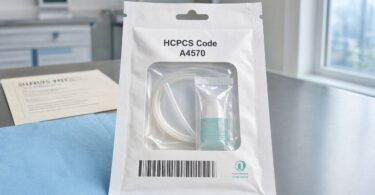
Anesthesia is a critical component of surgical and medical procedures, ensuring patient comfort and safety. Properly coding anesthesia services is essential for accurate billing and reimbursement. The Healthcare Common Procedure Coding System (HCPCS) includes specific codes for anesthesia services, which differ from Current Procedural Terminology (CPT) codes.
This guide explores HCPCS codes for anesthesia, their applications, modifiers, billing best practices, and common challenges. Whether you’re a medical coder, anesthesiologist, or healthcare administrator, understanding these codes ensures compliance and maximizes revenue.

HCPCS Codes for Anesthesia
What Are HCPCS Codes?
HCPCS (pronounced “hick-picks”) is a standardized coding system used for billing Medicare, Medicaid, and other insurance providers. It consists of two levels:
-
Level I: CPT codes (maintained by the AMA) for medical procedures.
-
Level II: HCPCS codes for non-physician services, supplies, and equipment.
Anesthesia services primarily use CPT codes (Level I), but some scenarios require HCPCS Level II codes (e.g., anesthesia supplies, medications, or special circumstances).
Understanding Anesthesia Coding
Anesthesia coding is unique because it accounts for:
-
Base Units: Assigned based on procedure complexity.
-
Time Units: Calculated in 15-minute increments.
-
Physical Status Modifiers (P1-P6): Reflect patient health.
-
Qualifying Circumstances: Additional complexity (e.g., emergency, extreme age).
Formula for Anesthesia Billing:
Total Units = Base Units + Time Units + Modifiers
Example: A 2-hour surgery with a base value of 5 units and a physical status modifier (P3) would be calculated as:
-
Base Units: 5
-
Time Units: 8 (2 hours = 8 x 15-minute increments)
-
Modifier: +1 (P3)
-
Total Units: 14
Difference Between CPT and HCPCS Anesthesia Codes
| Feature | CPT Anesthesia Codes | HCPCS Anesthesia Codes |
|---|---|---|
| Purpose | Anesthesia procedures | Supplies, drugs, special circumstances |
| Code Range | 00100–01999 | A, C, G, J, Q codes |
| Example | 00740 (Anesthesia for knee surgery) | J3490 (Unclassified anesthesia drug) |
Common HCPCS Codes for Anesthesia
1. Medication and Supply Codes
| HCPCS Code | Description |
|---|---|
| J3490 | Unclassified drugs (anesthesia-related) |
| A4240 | Topical anesthesia (lidocaine spray) |
| J2704 | Propofol injection (10 mg) |
2. Special Circumstance Codes
| HCPCS Code | Description |
|---|---|
| G0008 | General anesthesia for dental procedures |
| G0089 | Anesthesia for chronic pain management |
Modifiers Used in Anesthesia Coding
Modifiers provide additional context for billing:
| Modifier | Meaning |
|---|---|
| AA | Anesthesia by anesthesiologist |
| QY | Medical direction by anesthesiologist |
| QX | CRNA service with medical direction |
| P1–P6 | Physical status (P1 = healthy, P6 = brain-dead donor) |
How to Bill Anesthesia Services Correctly
-
Verify the Procedure Code (CPT or HCPCS).
-
Document Time Accurately (start/stop times).
-
Apply Correct Modifiers (AA, QX, P1-P6).
-
Include Qualifying Circumstances (if applicable).
-
Submit to Insurance with Proper Documentation.
Challenges in Anesthesia Coding
-
Time Tracking Errors (under/over-reporting).
-
Incorrect Modifier Use (leading to claim denials).
-
Changing Regulations (annual HCPCS updates).
Best Practices for Accurate Anesthesia Coding
✔ Use Certified Coders (CPC or CCS-P certified).
✔ Audit Claims Regularly (avoid under/overbilling).
✔ Stay Updated (AMA & CMS guideline changes).
Conclusion
HCPCS anesthesia coding ensures proper billing for medications, supplies, and special cases. Understanding CPT vs. HCPCS, modifiers, and documentation prevents claim denials. Follow best practices for compliance and revenue optimization.
FAQs
1. What is the difference between CPT and HCPCS anesthesia codes?
-
CPT covers anesthesia procedures (00100–01999), while HCPCS covers supplies and special scenarios (e.g., G0008 for dental anesthesia).
2. How is anesthesia time calculated?
-
Time starts when the anesthesiologist begins care and ends when the patient is stable.
3. Can CRNAs bill under their own provider number?
-
Yes, but modifiers (QX, QZ) must indicate supervision status.