If you have ever sat in a doctor’s waiting room clutching your stomach, you already know that “abdominal pain” is not a single experience. It can be a sharp stab on your right side, a dull ache across your lower belly, or a burning sensation right under your ribs.
For medical coders, billers, and healthcare providers, that simple phrase turns into a precise question: which ICD-10 code for abdominal pain is the right one?
The answer matters more than you might think. Using the wrong code can delay a patient’s treatment, trigger an insurance denial, or even flag a claim for an audit. But do not worry. This guide walks you through every code in the R10 category, explains when to use each one, and shares practical tips to keep your billing clean and accurate.
Let us start with the big picture, then zoom in on the details that matter most.
What Exactly Is the ICD-10 Code for Abdominal Pain?
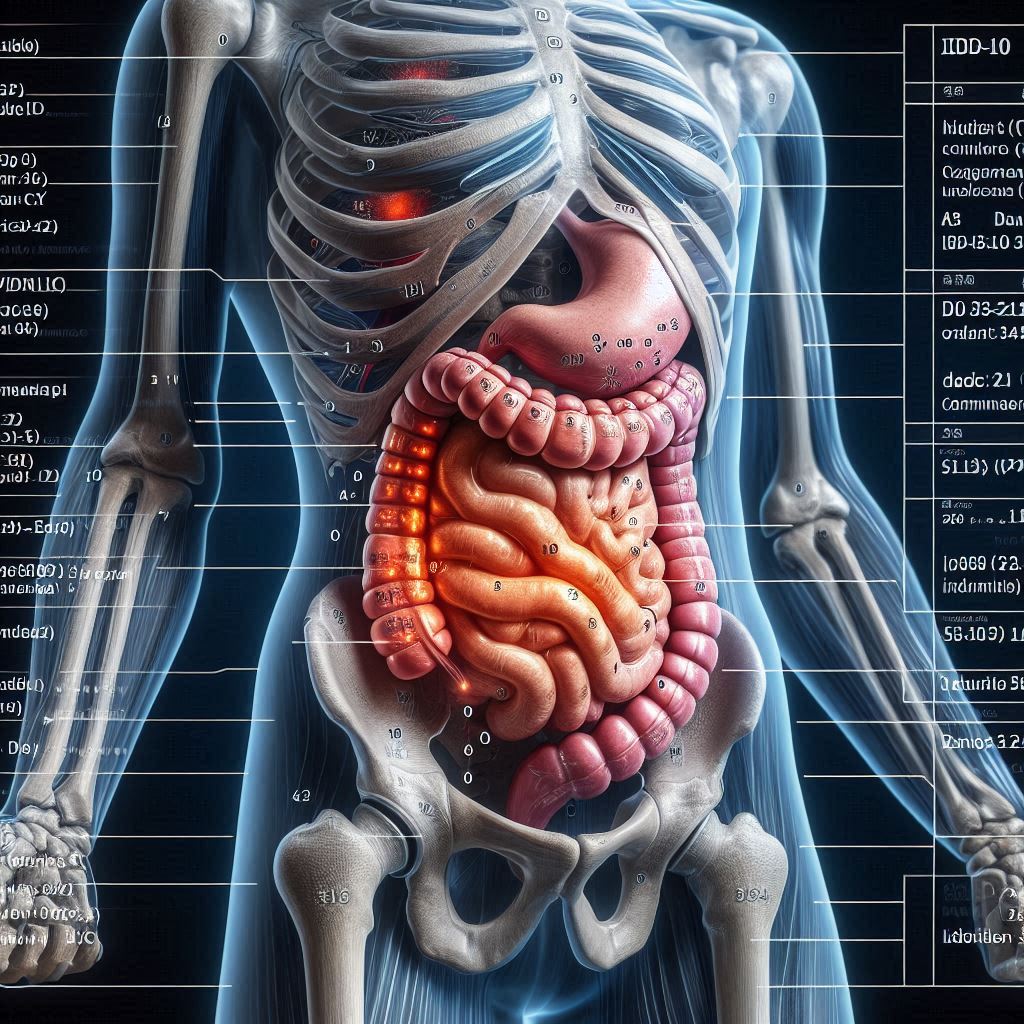
The ICD-10 code for abdominal pain lives inside Chapter 18 of the ICD-10-CM manual. That chapter covers symptoms, signs, and abnormal clinical findings that are not yet diagnosed. The official category is R10 – Abdominal and pelvic pain.
These codes are “symptom codes.” You use them when a patient comes in with belly pain, but the underlying cause (appendicitis, gallstones, an ulcer) has not been confirmed yet. Once a definitive diagnosis is made, you switch to a more specific code for that condition.
Important note for readers: Never use an R10 code if the physician has already diagnosed the root cause. For example, if the patient has confirmed appendicitis, you code K35.8, not R10.9. Symptom codes only stay on the claim when no other diagnosis exists.
The R10 category includes nine main codes, ranging from R10.0 (acute abdomen) to R10.9 (unspecified abdominal pain). Each one describes a different location, severity, or type of pain. Choosing correctly starts with understanding the patient’s story.
The Full List of ICD-10 Codes for Abdominal Pain
Below is a complete, easy-to-read breakdown of every official code in the R10 family. Use this as your quick-reference guide.
R10.0 – Acute Abdomen
This code describes severe, sudden abdominal pain that arrives fast and hard. In clinical terms, “acute abdomen” often suggests a serious surgical problem. Think of conditions like a ruptured appendix, a perforated bowel, or an ectopic pregnancy.
When to use: The patient presents with abrupt, intense pain, and the physician documents “acute abdomen” or notes that the situation requires urgent evaluation for possible surgery.
When to avoid: Do not use this for chronic or mild pain. Also, avoid it if the patient has a known non-surgical condition like simple gastroenteritis.
R10.1 – Pain Localized to Upper Abdomen
This code splits into two more specific subcodes. The upper belly houses many vital organs, so location matters a great deal.
- R10.11 – Right upper quadrant pain: Typically linked to the liver, gallbladder, or right kidney. Often seen with gallstones or hepatitis.
- R10.12 – Left upper quadrant pain: Involves the stomach, spleen, or left kidney. Common with gastritis or pancreatitis.
- R10.13 – Epigastric pain: Dead center, just below the ribs. Think stomach ulcers, acid reflux, or indigestion.
When to use: The patient points clearly to one of these three upper areas. The physician notes the specific quadrant in the exam report.
R10.2 – Pelvic and Perineal Pain
This code covers pain in the lowest part of the abdomen and pelvic region. It applies to both men and women, though in practice it appears often in gynecological cases.
When to use: The patient describes pain below the belly button and inside the pelvis. Conditions like ovarian cysts, pelvic inflammatory disease, or prostatitis may ultimately be at fault.
When to avoid: Do not confuse this with lower abdominal pain that sits above the pubic bone but is not truly pelvic. Use R10.3 for general lower belly pain.
R10.3 – Pain Localized to Lower Abdomen
This is another code with two helpful subcategories.
- R10.31 – Right lower quadrant pain: The classic location for appendicitis. Also seen with Crohn’s disease or right-sided diverticulitis.
- R10.32 – Left lower quadrant pain: Often linked to diverticulitis, left-sided colitis, or ovarian issues on the left side.
- R10.33 – Periumbilical pain: Pain centered around the belly button. Early appendicitis often starts here before moving to the right lower quadrant.
When to use: The patient points to one of these three lower regions. For example, a child with pain starting near the navel and shifting right might get R10.33 initially, then later a more specific code.
R10.8 – Other Specified Abdominal Pain
This is a catch-all for abdominal pain that does not fit neatly into the categories above.
Examples include:
- R10.81 – Abdominal tenderness (soreness when touched)
- R10.82 – Rebound abdominal tenderness (pain when pressure is released)
- R10.84 – Generalized abdominal pain (pain all over the belly, not localized)
When to use: The physician describes a specific feature like tenderness or rebound, or the pain is diffuse without a clear quadrant.
R10.9 – Unspecified Abdominal Pain
This is the code you use when the documentation simply says “abdominal pain” or “belly pain” with no further details about location, severity, or quality.
When to use: The note is vague. Maybe the patient is non-verbal, the exam was limited, or the physician simply did not specify.
Important warning: Payers do not like R10.9. It is the most audited code in this category because it provides so little clinical information. Use it only as a last resort. Push for better documentation whenever possible.
Comparative Table: ICD-10 Codes for Abdominal Pain at a Glance
| ICD-10 Code | Description | Typical Clinical Clues | Documentation Needed |
|---|---|---|---|
| R10.0 | Acute abdomen | Sudden, severe pain; possible surgical emergency | Physician must write “acute abdomen” |
| R10.11 | Right upper quadrant pain | Pain under right ribs | Quadrant clearly noted |
| R10.12 | Left upper quadrant pain | Pain under left ribs | Quadrant clearly noted |
| R10.13 | Epigastric pain | Central, just below sternum | “Epigastric” or “middle upper” |
| R10.2 | Pelvic/perineal pain | Pain in lowest pelvis | Location documented as pelvic |
| R10.31 | Right lower quadrant pain | Pain near right hip bone | Quadrant clearly noted |
| R10.32 | Left lower quadrant pain | Pain near left hip bone | Quadrant clearly noted |
| R10.33 | Periumbilical pain | Pain around navel | Physician writes “periumbilical” |
| R10.81 | Abdominal tenderness | Pain on palpation | “Tenderness” documented |
| R10.82 | Rebound tenderness | Pain when pressure released | “Rebound tenderness” documented |
| R10.84 | Generalized abdominal pain | Pain all over, no focal point | “Generalized” or “diffuse” |
| R10.9 | Unspecified abdominal pain | Vague “belly pain” only | No further details available |
How to Choose the Correct Code: A Simple 3-Step Process
Choosing the right ICD-10 code for abdominal pain does not have to be guesswork. Follow this routine every time you review a chart.
Step 1: Read the physician’s description carefully.
Look for exact words like “right lower quadrant,” “epigastric,” “rebound tenderness,” or “acute abdomen.” Do not assume. Do not guess. The code must match the written documentation. If the doctor writes “generalized abdominal pain,” you cannot code R10.32 just because you suspect appendicitis.
Step 2: Check for a definitive diagnosis.
Scroll to the assessment or plan section of the note. If the physician lists “acute cholecystitis,” you stop right there. You do not use an R10 code at all. You go to the gallbladder chapter (K80–K83). Abdominal pain codes are only for undiagnosed symptoms.
Step 3: When in doubt, ask.
Never code from an assumption. If the note says “abdominal pain” and nothing else, send a query back to the provider. Ask: “Was the pain localized to any quadrant? Was it generalized? Was there tenderness or rebound?” A five-second clarification can save a denied claim.
Quote from a real medical coder: “I used to default to R10.9 constantly. Then I got three denials in one week. Now I call the doctor’s office before submitting. It adds two minutes to my day and saves two weeks of appeals.”
Real-World Examples: Putting the Codes into Practice
Sometimes the best way to learn is to walk through actual patient scenarios. Here are four common situations you might see in a clinic, urgent care, or emergency department.
Example 1: The Vague Ache
A 45-year-old woman comes in saying, “My belly hurts, but I cannot point to one spot. It is just uncomfortable all over.” The physician writes: “Generalized abdominal pain, mild. No focal tenderness. Likely functional dyspepsia.”
- Correct code: R10.84 (Generalized abdominal pain)
- Why not R10.9? The doctor documented “generalized,” which is specific. R10.9 would be incorrect because you have that extra detail.
Example 2: The Classic Appendix Story
A 22-year-old man reports pain that started near his belly button this morning and shifted to his right lower side. The physician writes: “RLQ pain, periumbilical earlier. Concern for appendicitis. Awaiting CT.”
- Correct code: R10.31 (Right lower quadrant pain)
- Why not R10.33? The presenting symptom was periumbilical, but at the time of the exam, the pain is now in the RLQ. Code the current location.
Example 3: The Emergency Red Flag
A 60-year-old man doubles over in triage. The doctor writes: “Sudden onset of severe, diffuse abdominal pain. Guarding noted. Acute abdomen suspected. Surgery consulted.”
- Correct code: R10.0 (Acute abdomen)
- Why this code? The physician used the exact phrase “acute abdomen” and noted surgical urgency. That is a perfect match.
Example 4: The Poorly Documented Visit
A busy physician sees 40 patients and writes for one encounter: “Abdominal pain. Refill Bentyl.” No location. No severity. No quadrant.
- Correct code: R10.9 (Unspecified abdominal pain) – but only after you confirm the physician has no additional notes.
- What you should do next: Flag this provider for education. Consistent R10.9 use hurts the practice financially and clinically.
Common Billing Mistakes and How to Avoid Them
Even experienced coders slip up sometimes. Below are the most frequent errors people make with the ICD-10 code for abdominal pain, plus simple fixes.
Mistake #1: Coding R10.9 when better information exists.
- Why it happens: The coder is in a hurry and grabs the easiest code.
- How to fix it: Slow down. Read every word of the HPI (History of Present Illness). Patients often describe their pain in plain English: “It hurts under my ribs on the right side.” That is R10.11, not R10.9.
Mistake #2: Ignoring laterality when it matters.
- Why it happens: Some coders think “right upper quadrant” and “left upper quadrant” are the same.
- How to fix it: R10.11 and R10.12 are separate codes with different meanings. Using the wrong quadrant code is a factual error. Double-check each time.
Mistake #3: Failing to query for acute abdomen.
- Why it happens: The coder sees “severe pain” and assumes R10.0 is fine.
- How to fix it: R10.0 requires the actual phrase “acute abdomen” or a clear statement that the condition is of sudden, surgical concern. If the doctor writes “severe abdominal pain,” do not upgrade it yourself. Send a query.
Mistake #4: Using a symptom code after a diagnosis.
- Why it happens: The coder sees abdominal pain in the chief complaint and stops there.
- How to fix it: Always read the final diagnosis at the bottom of the note. If it says “diverticulitis” (K57.92), you ignore the chief complaint. The definitive diagnosis overrides the symptom.
How Payers View Abdominal Pain Codes
Private insurers, Medicare, and Medicaid all treat symptom codes differently. Here is what you need to know to keep your claims clean.
Medicare’s stance: Medicare allows R10 codes for outpatient visits when no definitive diagnosis exists. However, Medicare’s Medical Review program flags providers who use R10.9 repeatedly. They consider it a “non-specific code” that lacks clinical value. If more than 10% of your abdominal pain claims use R10.9, expect a probe audit.
Private insurers (UnitedHealthcare, Cigna, Aetna, etc.): Most follow Medicare’s lead but add their own rules. Several require a second code when you use R10.0 (acute abdomen). They want to know the suspected cause, if any. For example, you might code R10.0 plus Z03.89 (encounter for observation for other suspected diseases).
Medicaid: State rules vary widely. Some states do not pay for any R10 code beyond the first visit for the same episode. If a patient returns three times for abdominal pain without a diagnosis, later visits may be denied. The solution? Push for a definitive diagnosis quickly.
Important note for readers: Payer policies change constantly. Always check the current Local Coverage Determination (LCD) for your region, especially for Medicare patients. What was true last year may not be true today.
Documentation Tips for Physicians (and What Coders Wish Doctors Knew)
If you are a physician reading this, thank you. Coders everywhere appreciate you. And they have some polite requests that would make your documentation (and their lives) much easier.
Tip #1: Use the medical terms, not just plain English.
Instead of writing “pain on the right side by the hip,” write “right lower quadrant pain (R10.31).” The patient’s words are helpful, but your clinical terms give the code.
Tip #2: Describe the quality of the pain when relevant.
Is it sharp? Dull? Burning? Stabbing? Cramping? The R10 codes do not capture quality, but that information helps justify medical necessity. A patient with sharp, stabbing pain might need imaging. A patient with dull, cramping pain might only need an antispasmodic.
Tip #3: Say “no” to the note that only says “abd pain.”
That is not documentation. That is a placeholder. Add one more word: where. Upper, lower, left, right, general. One word changes everything.
Tip #4: Document what you rule out.
If you suspect appendicitis but the CT is normal, write that. “RLQ pain, CT negative for appendicitis. R10.31.” That shows medical necessity for the scan and supports the symptom code.
Tip #5: Remember the outpatient versus inpatient difference.
In the emergency department, R10 codes are very common. On an inpatient chart, especially after day two, a symptom code without a definitive diagnosis will raise red flags. Hospitals expect a more specific diagnosis before admission or within 24 hours.
Special Populations: Children, Elderly, and Pregnant Patients
Not all abdominal pain is the same. Different groups of patients need extra consideration when choosing an ICD-10 code.
Abdominal Pain in Children
Kids cannot always tell you where it hurts. A three-year-old with a stomach ache might point to their chest. A seven-year-old might say “my whole tummy” when the pain is actually in the RLQ.
Coding tips for pediatrics:
- Do not guess based on behavior alone. Code what the physician documents after the exam.
- If the physician writes “periumbilical pain, possible early appendicitis,” use R10.33.
- Children often get R10.84 (generalized) because their pain genuinely is diffuse.
- Never use R10.9 if the doctor specifies a location, even if you think the child described it poorly.
Abdominal Pain in Elderly Patients
Older adults often present with atypical symptoms. A classic appendicitis might only cause mild discomfort. A perforated ulcer might just feel like vague nausea.
Coding tips for geriatrics:
- Pay extra attention to the phrase “acute abdomen” in elderly patients. Their threshold for pain is different. A “mild” presentation can still be an R10.0 if the physician is concerned.
- Elderly patients on blood thinners or with known aneurysms require urgent coding. R10.0 may apply even with lower pain scores.
- Document any change in mental status. Confusion in an elderly patient with abdominal pain is a red flag. Code the pain first, then the confusion (R41.82).
Abdominal Pain in Pregnant Patients
Pregnancy changes everything. The growing uterus pushes organs around. Round ligament pain is common. But serious conditions like ectopic pregnancy or appendicitis still happen.
Coding tips for obstetrics:
- First, code the pregnancy chapter (O00–O9A). Then add the abdominal pain code as a secondary diagnosis.
- For example: O20.0 (threatened abortion) plus R10.32 (left lower quadrant pain).
- Do not confuse pelvic pain from pregnancy (O26.89) with standard R10.2. If the pain is clearly from the pregnancy itself, use the O code as primary.
- When in doubt, ask the obstetrician: “Is this pain due to the pregnancy or is it a separate issue?”
The Relationship Between Abdominal Pain Codes and Other Diagnosis Codes
R10 codes almost never travel alone. They usually appear on a claim with other codes that tell the full story.
Common companion codes include:
- Z03.89 – Encounter for observation for other suspected diseases (used with R10.0 when the patient is held for monitoring)
- R11.2 – Nausea and vomiting (very common with R10 codes)
- R50.9 – Fever, unspecified (if the patient has a temperature)
- K59.0 – Constipation (if the pain is likely from stool burden)
- K52.9 – Noninfective gastroenteritis (if the pain comes with diarrhea)
The correct order of coding:
- Primary diagnosis = the main reason for the encounter (often the abdominal pain code if no definitive diagnosis exists)
- Secondary diagnoses = associated symptoms (nausea, fever, vomiting)
- Additional codes = any chronic conditions that affect management (diabetes, hypertension)
Critical rule: Never list an R10 code as primary if a more specific diagnosis from another chapter exists. The definitive diagnosis always takes priority.
Frequently Asked Questions (FAQ)
Q1: Can I use the same ICD-10 code for abdominal pain on a follow-up visit?
Yes, but with caution. On a return visit for the same pain, you can reuse the same R10 code if the diagnosis is still unknown. However, most payers expect a definitive diagnosis by the third visit for the same complaint. If a patient comes back four times with “unspecified abdominal pain,” expect a records request.
Q2: What is the difference between R10.0 (acute abdomen) and R10.9 (unspecified)?
Acute abdomen (R10.0) implies sudden, severe pain that may require surgery. It is a high-acuity code. Unspecified abdominal pain (R10.9) is mild to moderate pain with no location or quality documented. They are not interchangeable.
Q3: Do I need a separate code for nausea and vomiting?
If the physician documents both abdominal pain and nausea/vomiting separately, yes, add R11.2. If the note only says “pain with nausea,” you can still code both, but ensure each symptom is clearly described.
Q4: Can urgent care centers use R10 codes?
Absolutely. Urgent care centers use R10 codes daily. In fact, abdominal pain is one of the top five reasons patients visit urgent care. Just be sure to document location and severity clearly, since urgent care notes often go to the patient’s primary care provider and insurance company.
Q5: Is there an ICD-10 code for chronic abdominal pain?
There is no standalone R10 code that says “chronic.” However, you can add a code for chronic pain syndrome (G89.29) alongside an R10 code if the pain has lasted more than three months. Many coders pair R10.84 (generalized) or a quadrant-specific code with G89.29.
Q6: What happens if I use the wrong code by mistake?
If you catch the error before the claim is submitted, correct it immediately. If the claim has already been paid, you may need to submit a corrected claim (usually within 12 months). If the claim was denied, appeal with the correct code and supporting documentation. Honest mistakes happen, but patterns of errors can trigger audits.
Q7: Can a nurse or medical assistant assign the R10 code?
In most practices, only certified medical coders or billers assign final codes. However, clinical staff can document symptoms in the chart to help the coder. The physician’s diagnosis and the coder’s translation are the official record.
Q8: Are there any ICD-10 codes for abdominal pain that I should never use?
Never use R10 codes for pain clearly explained by an injury (use S codes in Chapter 19) or by a diagnosed surgical condition. Also, never use an R10 code as a primary diagnosis for an inpatient stay longer than 48 hours without a very good reason.
Additional Resource
For the most up-to-date official ICD-10-CM guidelines, always refer directly to the Centers for Medicare & Medicaid Services (CMS) ICD-10 webpage.
👉 Recommended link: CMS ICD-10 Official Guidelines for Coding and Reporting (Copy and paste this link into your browser. Always check for the current year’s updates.)
This government resource provides the complete, authoritative coding manual. No third-party summary replaces the real thing. Bookmark it, use it daily, and stay compliant.
Conclusion
Navigating the ICD-10 code for abdominal pain does not have to be stressful. By matching the patient’s specific location and pain type to the correct R10 code—from R10.0 for acute emergencies to R10.84 for generalized tenderness—you protect your claims from denials and audits. Always prioritize clear documentation, avoid the vague R10.9 whenever possible, and remember that a definitive diagnosis from another chapter overrides any symptom code. Master these codes, and you master one of the most common yet complex areas of medical billing.
Disclaimer: This article is for educational and informational purposes only. Medical coding rules, payer policies, and ICD-10 guidelines change frequently. Always consult the current official ICD-10-CM manual and your local payer’s medical policies before submitting claims. Nothing in this article constitutes legal or medical advice. The author and publisher disclaim any liability for any adverse outcomes resulting from the use or misuse of this information.