Dental procedures are standardized using Current Dental Terminology (CDT) codes, ensuring uniformity in billing and treatment documentation. One of the most frequently used codes is D2790, which refers to a full cast metal crown with a porcelain/ceramic substrate. This type of crown is popular due to its durability and aesthetic appeal, blending strength with a natural tooth-like appearance.
Understanding the D2790 code is essential for dentists, insurance providers, and patients to ensure proper billing, treatment planning, and insurance claims. This guide will explore every aspect of D2790, from its clinical applications to cost considerations.

2. Understanding Dental Crowns and Their Importance
Dental crowns are tooth-shaped caps placed over damaged or weakened teeth to restore function, shape, and aesthetics. They are commonly used for:
- Severe tooth decay (when fillings are insufficient)
- Cracked or fractured teeth
- Post-root canal protection
- Cosmetic enhancements (discolored or misshapen teeth)
Crowns can be made from various materials, including:
- Porcelain/Ceramic (D2740, D2790)
- Porcelain-Fused-to-Metal (PFM) (D2750)
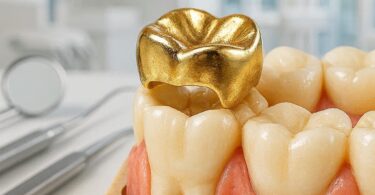
- Full Metal (Gold or Base Metal) (D2791, D2792)
- Zirconia (D2740 in some cases)
The D2790 code specifically refers to porcelain/ceramic crowns with a metal substrate, offering a balance between strength and aesthetics.
3. What Does the D2790 Code Specifically Cover?
The D2790 code applies to:
- Full-coverage crowns where the exterior is made of porcelain/ceramic fused to a metal base (usually noble or high-noble alloys).
- Single-unit restorations (one crown per tooth).
- Crowns fabricated in a dental lab (not same-day CAD/CAM crowns).
Exclusions:
- Temporary crowns (D2930)
- Inlays/Onlays (D2510-D2542)
- All-porcelain crowns (D2740)
4. Types of Porcelain/Ceramic Crowns
| Type | Material Composition | Best For |
|---|---|---|
| Porcelain-Fused-to-Metal (PFM) | Porcelain outer layer + metal base | Molars, durability + aesthetics |
| All-Ceramic (D2740) | Pure porcelain or zirconia | Front teeth, high aesthetics |
| Lithium Disilicate (E.max) | Glass-ceramic | High strength + translucency |
The D2790 code covers PFM crowns, which are widely used due to their strength and affordability compared to all-ceramic options.
5. Indications for D2790 Crown Placement
A dentist may recommend a D2790 crown for:
✔ Posterior teeth needing durability (molars endure heavy chewing forces).
✔ Patients with moderate bruxism (metal substrate resists cracking).
✔ Cases where aesthetics and strength are both priorities.
6. Contraindications and Limitations
❌ Not ideal for front teeth (metal margins may show at gumline).
❌ Allergy to metal components (nickel allergies require alternative materials).
❌ Patients wanting metal-free restorations (may prefer zirconia).
7. Step-by-Step Procedure for D2790 Crown Placement
- Tooth Preparation (removing decay, shaping the tooth).
- Impressions (digital or physical molds sent to the lab).
- Temporary Crown Placement (protects tooth while the permanent crown is made).
- Crown Fabrication (lab creates the porcelain-fused-to-metal crown).
- Final Cementation (permanent crown bonded with dental adhesive).
8. Comparison: D2790 vs. Other Crown Codes
| Code | Crown Type | Pros | Cons |
|---|---|---|---|
| D2790 | Porcelain-Fused-to-Metal | Strong, cost-effective | Metal margin visibility |
| D2740 | All-Ceramic | Best aesthetics | Less durable for molars |
| D2750 | Full Cast Gold | Extremely durable | High cost, metallic appearance |
9. Cost and Insurance Coverage for D2790
- Average Cost: 800–800–1,500 per crown (varies by location and lab fees).
- Insurance Coverage: Most plans cover 50-80% of the cost if medically necessary.
10. Pros and Cons of Porcelain/Ceramic Crowns
✅ Pros:
- Natural appearance
- Stronger than all-porcelain crowns
- Long-lasting (10-15+ years)
❌ Cons:
- Metal margin may show over time
- Porcelain can chip (though less likely than all-ceramic)
11. Common Complications and How to Address Them
- Chipping: Can be polished or repaired with composite.
- Loose Crown: Requires re-cementation.
- Gum Recession: May expose metal margins, requiring replacement.
12. Post-Procedure Care and Maintenance
- Avoid hard foods for 24 hours.
- Brush and floss normally, but be gentle around the crown.
- Regular dental check-ups to monitor fit and integrity.
13. FAQs About the D2790 Dental Code
Q: How long does a D2790 crown last?
A: 10–15 years with proper care.
Q: Does insurance cover D2790 crowns?
A: Yes, most plans cover 50-80% if deemed medically necessary.
Q: Can a D2790 crown be used on front teeth?
A: Possible, but not ideal due to potential metal visibility.
14. Conclusion
The D2790 dental code refers to porcelain-fused-to-metal crowns, offering a balance of durability and aesthetics. While not as natural-looking as all-ceramic crowns, they are a cost-effective and long-lasting solution for molars. Understanding this code helps patients and dentists make informed decisions about restorative treatments.