Botox (Botulinum Toxin Type A) has become one of the most widely used neurotoxins in both medical and cosmetic fields. From treating chronic migraines to reducing facial wrinkles, Botox injections offer a minimally invasive solution for various conditions. However, for healthcare providers, accurately billing for Botox injections requires a deep understanding of the correct Current Procedural Terminology (CPT) codes to ensure proper reimbursement.
This comprehensive guide will explore the CPT codes for Botox injections, their applications, billing best practices, insurance considerations, and more. Whether you’re a medical coder, physician, or patient seeking clarity on Botox procedures, this article provides detailed insights to help you navigate the complexities of Botox-related CPT coding.
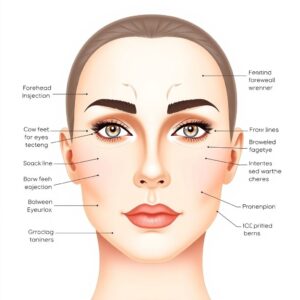
CPT Code for Botox Injection
2. Understanding Botox and Its Medical Uses
Botox is derived from Clostridium botulinum, a bacterium that produces a neurotoxin. When injected in small, controlled doses, it temporarily blocks nerve signals to muscles, leading to reduced muscle activity. While Botox is popularly known for cosmetic applications (like smoothing wrinkles), it has several FDA-approved medical uses, including:
-
Chronic Migraine Prevention (15+ headache days per month)
-
Muscle Spasticity (e.g., post-stroke, cerebral palsy)
-
Hyperhidrosis (excessive sweating in underarms, palms, or feet)
-
Overactive Bladder (urinary incontinence)
-
Blepharospasm & Strabismus (eye muscle disorders)
Each of these conditions requires specific CPT codes for accurate billing.
3. What Is a CPT Code?
CPT (Current Procedural Terminology) codes are standardized medical codes used to describe procedures and services performed by healthcare providers. Developed by the American Medical Association (AMA), these codes ensure uniformity in billing and insurance claims.
For Botox injections, the relevant CPT codes fall under the “Surgery / Nervous System” section, specifically for chemodenervation (muscle paralysis via chemical agents).
4. CPT Codes for Botox Injections
Below are the primary CPT codes used for Botox injections:
4.1 CPT Code 64615 – Chemodenervation of Muscle(s)
-
Description: Used for Botox injections to treat muscle spasticity (e.g., cervical dystonia, limb spasticity).
-
Units: Billed per muscle group.
-
Example: Injections for post-stroke arm spasticity.
4.2 CPT Code 64616 – Chemodenervation for Chronic Migraine
-
Description: Specifically for Botox injections to prevent chronic migraines (31+ injections across 7 head/neck muscle areas).
-
Coverage: Often requires prior authorization.
4.3 CPT Code 64617 – Chemodenervation of Neck Muscles (Cervical Dystonia)
-
Description: Used when Botox is injected into neck muscles to treat involuntary contractions (torticollis).
Comparison of Botox CPT Codes
| CPT Code | Description | Common Uses | Number of Injections |
|---|---|---|---|
| 64615 | Chemodenervation of muscle(s) | Spasticity, dystonia | Varies by muscle group |
| 64616 | Chemodenervation for chronic migraine | Migraine prevention | 31+ injections (7 sites) |
| 64617 | Chemodenervation of neck muscles | Cervical dystonia | Typically 3-5 injections |
5. Billing and Reimbursement for Botox Injections
Proper billing for Botox requires:
-
Correct CPT Code Selection (e.g., 64615 vs. 64616)
-
Appropriate Diagnosis Code (ICD-10) (e.g., G43.709 for chronic migraine)
-
Documentation of Medical Necessity (e.g., failed prior treatments)
-
Prior Authorization (often required by insurers)
Common ICD-10 Codes for Botox Procedures
| Condition | ICD-10 Code |
|---|---|
| Chronic Migraine | G43.709 |
| Cervical Dystonia | G24.3 |
| Upper Limb Spasticity | G80.9 |
| Hyperhidrosis | L74.5 |
| Overactive Bladder | N32.81 |
6. Common Medical Conditions Treated with Botox
6.1 Chronic Migraine
-
Requires 31+ injections across the head and neck.
-
Covered under CPT 64616.
6.2 Muscle Spasticity
-
Often seen in stroke or cerebral palsy patients.
-
Coded under CPT 64615.
6.3 Hyperhidrosis (Excessive Sweating)
-
Botox blocks sweat gland activation.
-
Typically billed under J0585 (Botox supply code) + injection code.
7. How to Administer Botox Injections Properly
-
Dosage: Varies by condition (e.g., 155U for migraines).
-
Injection Sites: Must follow FDA-approved patterns.
-
Sterile Technique: Prevents infection.
8. Insurance Coverage for Botox Injections
-
Medicare: Covers for migraines, spasticity, and dystonia.
-
Private Insurance: Often requires prior authorization.
-
Cosmetic Use: Rarely covered.
9. Documentation and Medical Necessity
-
Must include:
-
Patient’s diagnosis
-
Previous treatments tried and failed
-
Injection sites and dosage
-
10. Potential Side Effects and Complications
-
Temporary bruising
-
Headache
-
Muscle weakness
-
Rare: Allergic reaction
11. FAQs on CPT Codes for Botox Injections
Q1: What is the difference between CPT 64615 and 64616?
-
64615 is for muscle spasticity, while 64616 is specifically for chronic migraines.
Q2: Does insurance cover cosmetic Botox?
-
No, unless medically necessary (e.g., blepharospasm).
Q3: How often can Botox be billed?
-
Typically every 3 months for chronic conditions.
12. Conclusion
Understanding the correct CPT codes for Botox injections ensures accurate billing and reimbursement. Whether treating migraines, spasticity, or hyperhidrosis, proper documentation and coding are essential. Always verify insurance requirements and maintain detailed records for compliance.